4.5(595)
Hiroshima Meipuru-pu: 1-Day Hop-On Hop-Off Bus Tour of Hiroshima
bus ticket office on the first floor of the Hiroshima Statio
From¥600
7+ experiences in Hiroshima, official tickets and instant confirmation.
Iconic landmarks, museums and galleries - book entry tickets in advance to skip the line where supported.
bus ticket office on the first floor of the Hiroshima Statio
From¥600
HIROSHIMA STATION
From¥19,000
Hiroshima
From¥43,000
Shinkansen ticket gate, 2nd Floor
From¥18,000
Hiroshima
From¥1,000
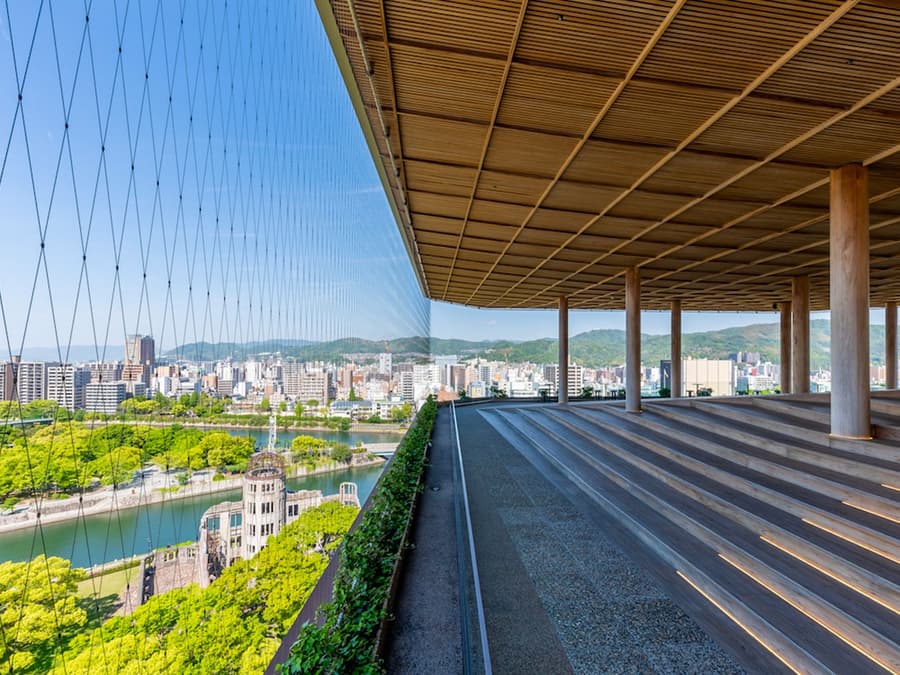
Hiroshima Orizuru Tower
From¥2,300
Hiroshima
From¥973
Guided walking tours, hop-on-hop-off buses and small-group experiences led by local guides.
bus ticket office on the first floor of the Hiroshima Statio
From¥600
HIROSHIMA STATION
From¥19,000
Shinkansen ticket gate, 2nd Floor
From¥18,000
The more you save, the smarter your picks. We line up West End shows, hidden gems and top-rated experiences from what you love, ready to book in one go.
Official venue tickets
Direct from the venue
Secure payment
Powered by Stripe
Refund guarantee
If your event is cancelled
Exclusive discounts
Free with tickadoo+ membership
Your guide to Hiroshima
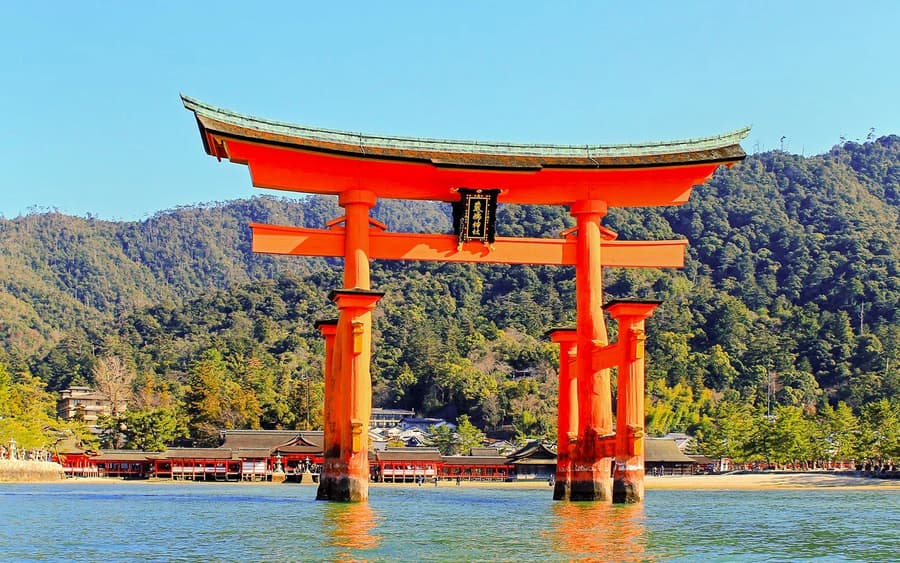
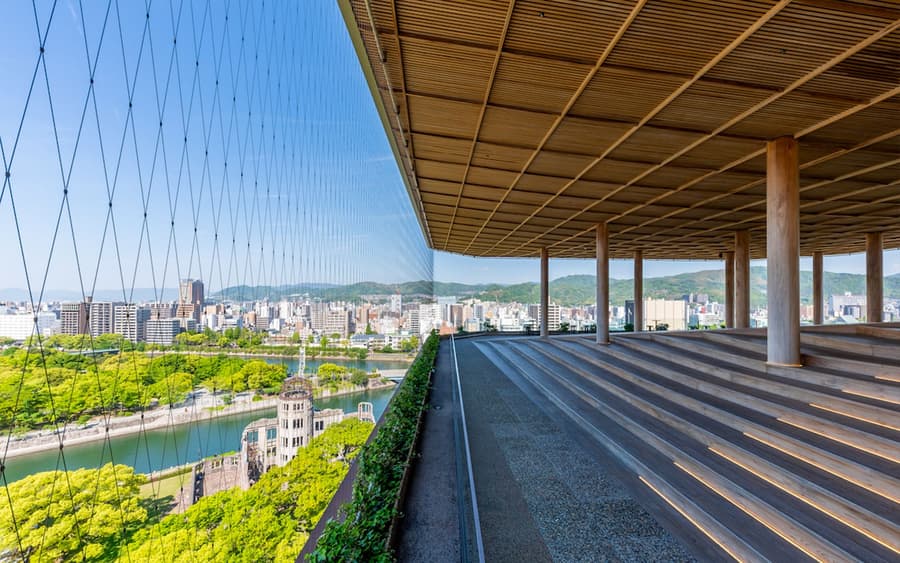
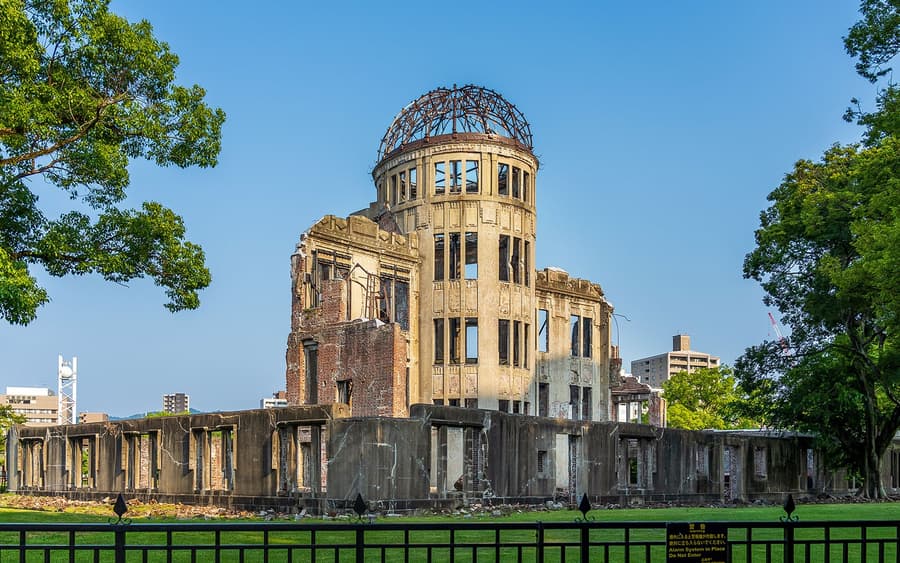
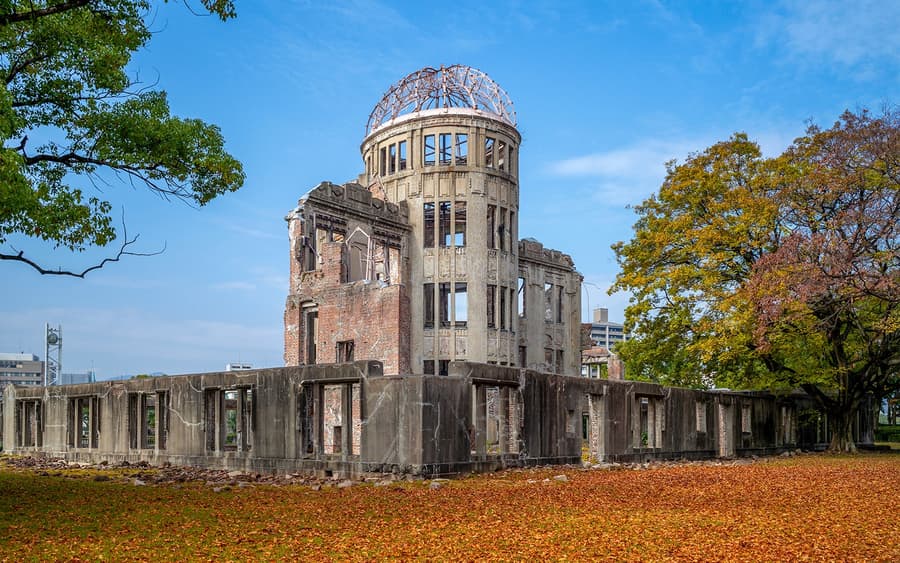
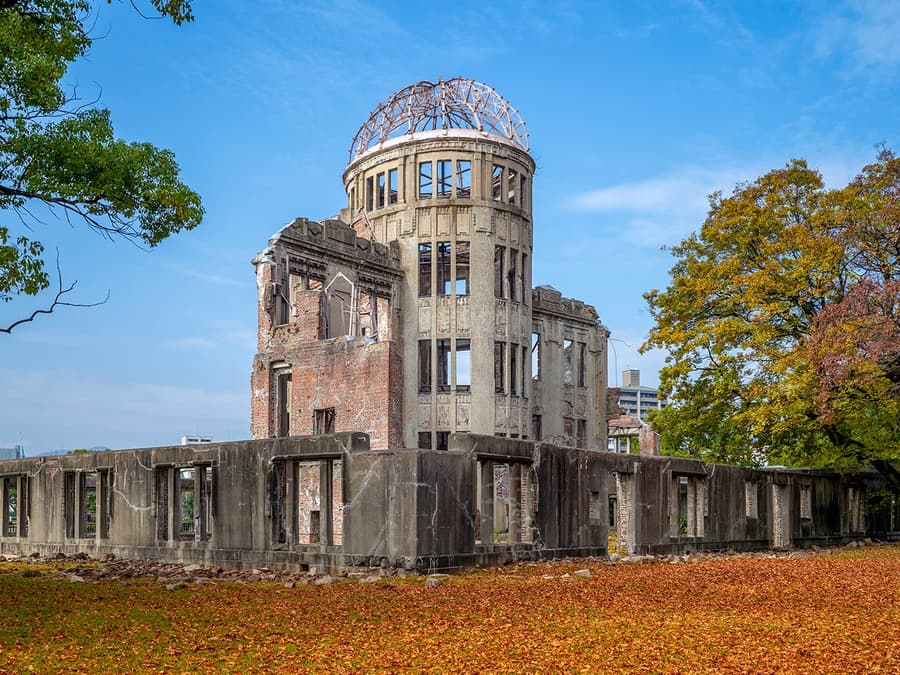
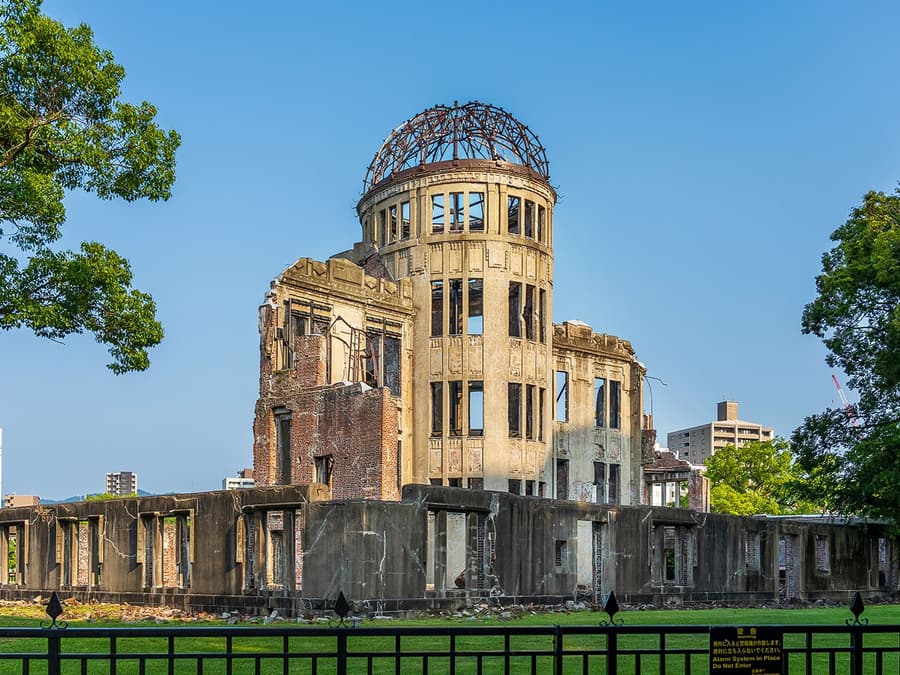
Few cities carry the weight of the twentieth century quite like Hiroshima. Rebuilt almost entirely from rubble after August 1945, it has grown into a modern, forward-looking city of roughly 1.2 million people on the Ota River delta in Japan's Chugoku region, yet its relationship with that single day in its history remains the defining fact of any visit. The Peace Memorial Park, a UNESCO World Heritage site, occupies the land closest to the hypocentre of the atomic bomb and contains the Genbaku Dome, the skeletal ruin of the former Hiroshima Prefectural Industrial Promotion Hall, left deliberately unrestored as a permanent witness. The adjacent Peace Memorial Museum draws visitors from across the world and asks something of everyone who walks through it. To come to Hiroshima only for the history would be to misread the city, but to come without engaging with it would be to miss the point entirely.
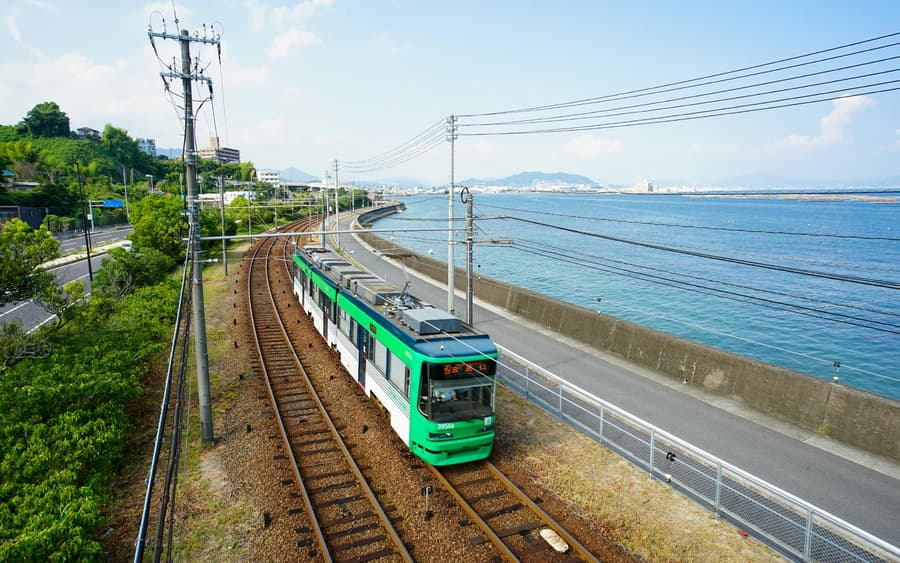
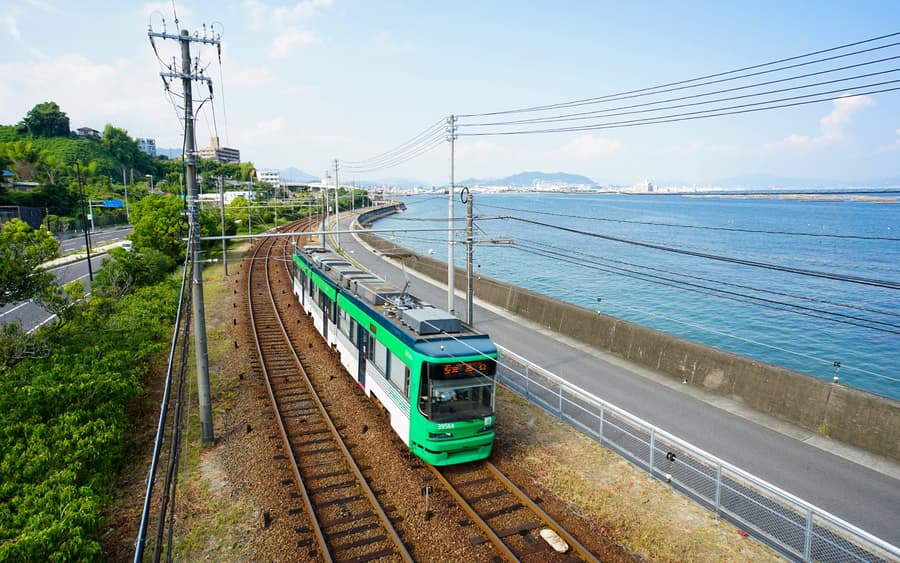
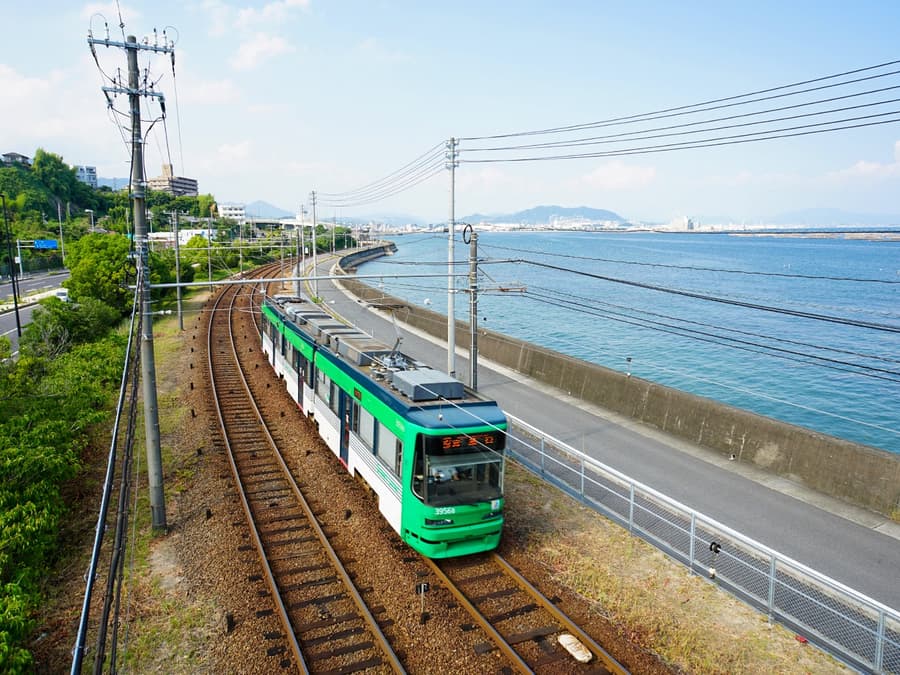
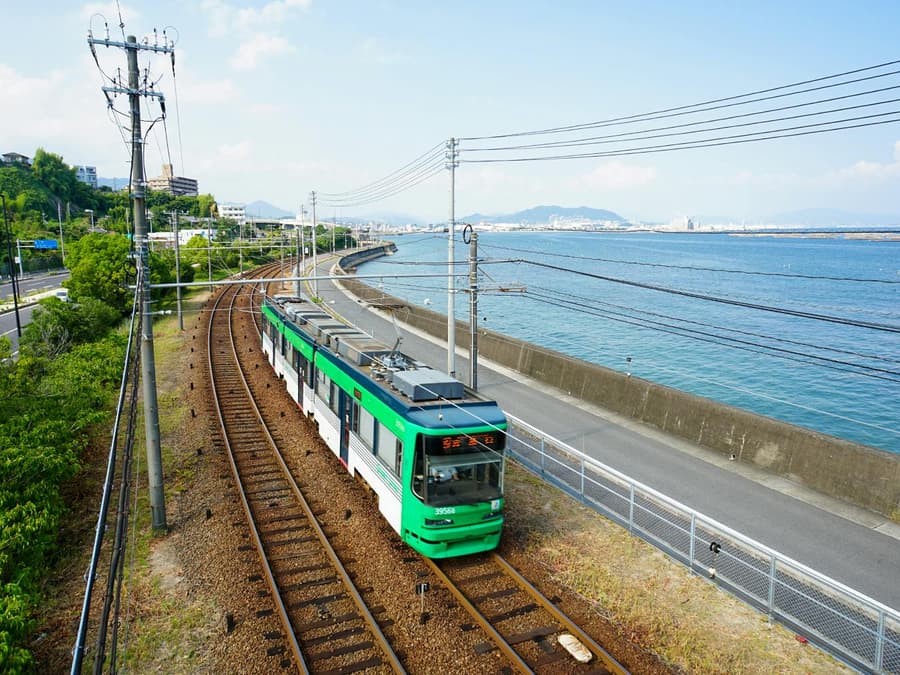
The city spreads across six islands formed by the Ota River's channels before they reach Hiroshima Bay, and this geography gives it an unusually open, low-rise feel compared with Osaka or Tokyo. The central Naka ward holds most of what first-time visitors gravitate towards: the Peace Park and its surroundings, the covered shopping arcade of Hondori, and the castle, a 1958 reconstruction of the original sixteenth-century fortress whose keep offers a clear view across the delta. Trams, a rarity in modern Japanese cities, still run through the centre on lines that have operated since 1912, and they remain one of the most practical ways to move between the main sights.
Before you book
Answers to the most common questions about booking experiences in Hiroshima.
City guides
Themed shortlists of the best bookable experiences, curated for every kind of trip.
From the tickadoo blog
Hand-picked travel guides, show reviews, and itineraries — all free, all written by our editorial team.