What's Trending in Tokyo?

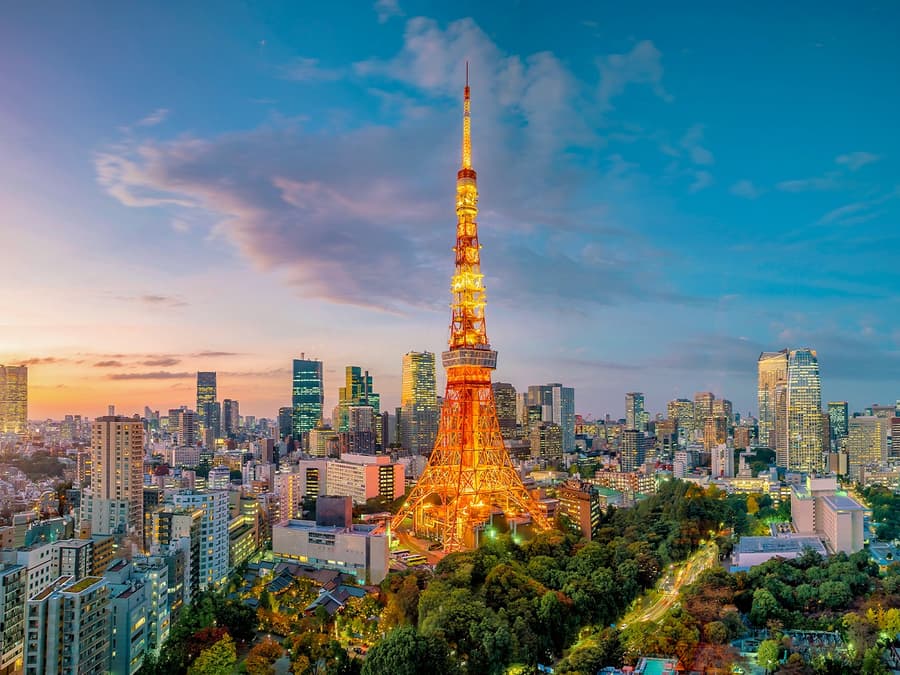
Tokyo dazzles with neon-lit towers, centuries-old temples, and immersive digital art. Snap skyline views from Tokyo Tower or Skytree, wander Nakamise Street by Senso-ji Temple, and secure instant tickets for landmark experiences, teamLab Planets installations, or culinary adventures with a tickadoo mobile pass.

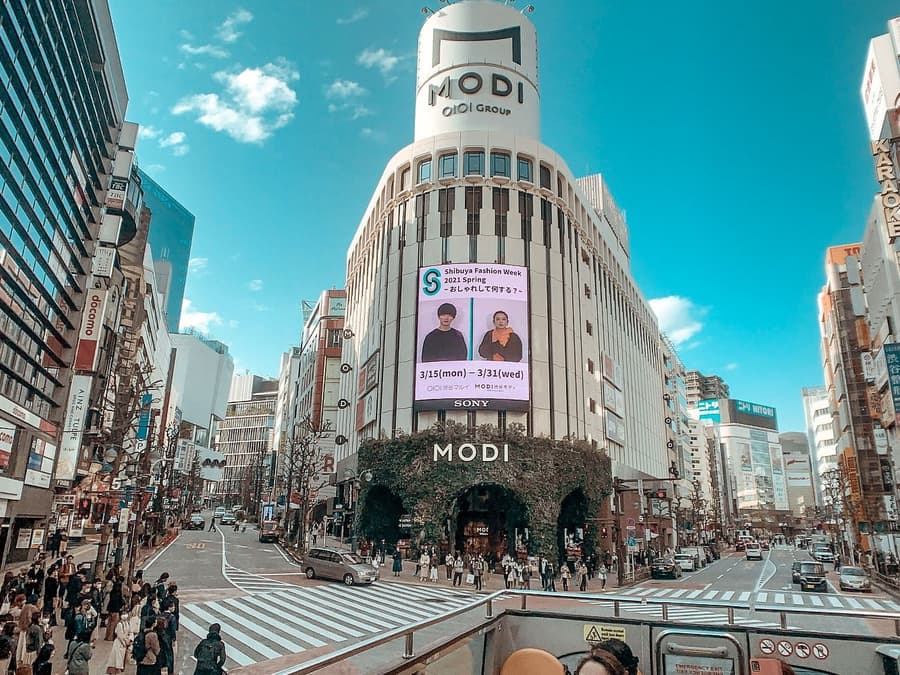
From Shibuya's neon crossroads to the tranquil Meiji Shrine, you can tailor your Tokyo days with combo attraction passes, guided city routes, and easy transit. The city’s mix of neighborhoods and seamless transport make planning new explorations simple.


Tokyo quick facts: airports, stations and maps

Plan your days with these essential GEO details for Tokyo Japan.

  • Country/Region: Japan, Kanto region

  • Airports: Narita International (NRT), Haneda Airport (HND)

  • Main stations/hubs: Tokyo Station, Shinjuku, Ueno, Shibuya, Ikebukuro, Shinagawa

  • Public transport: Tokyo Metro (13 subway lines), Toei Subway (4 lines), JR Yamanote Line (circular), additional JR, private and monorail lines

  • Paying fares: Suica and PASMO rechargeable cards, with tap-and-go entry and fare capping

  • Coordinates: 35.6895° N, 139.6917° E

  • Popular neighbourhoods: Shibuya (youth, shopping), Asakusa (tradition), Roppongi (art/nightlife), Shinjuku (skyscrapers, entertainment), Ginza (luxury shopping), Ueno (parks, culture), Odaiba (bay views), Ikebukuro (anime/family)

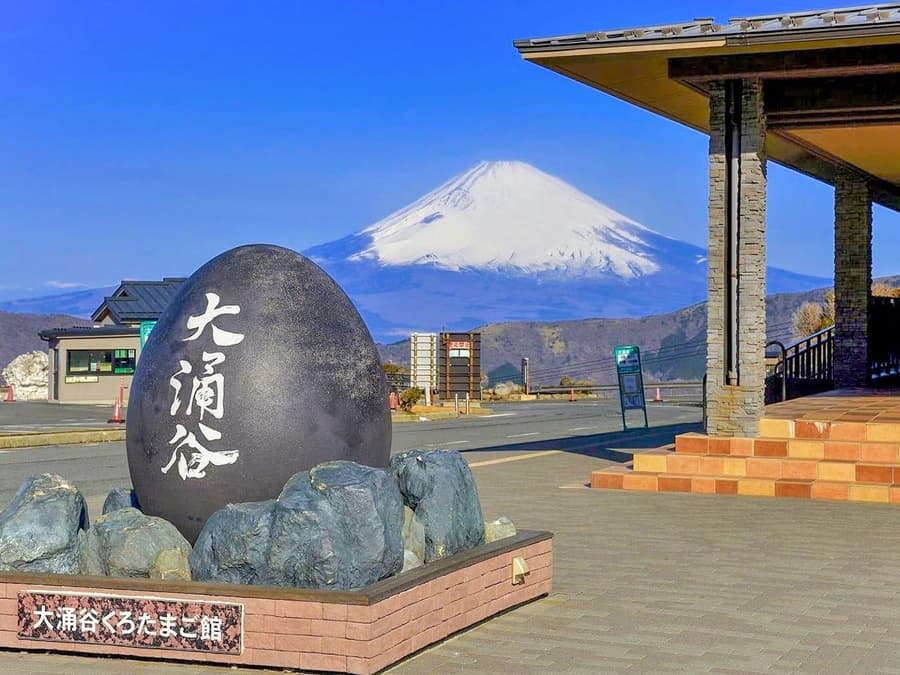
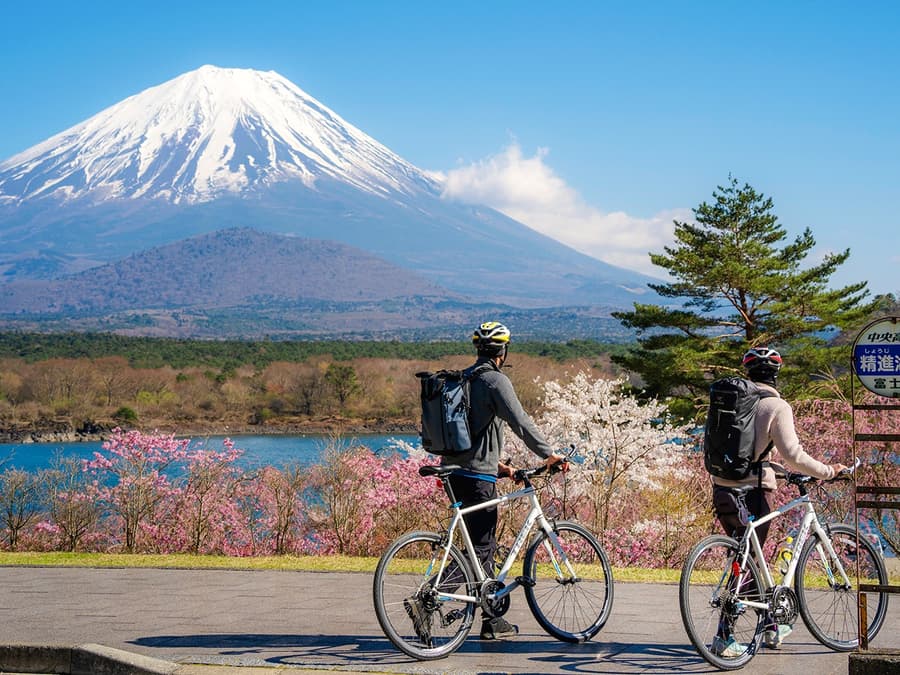
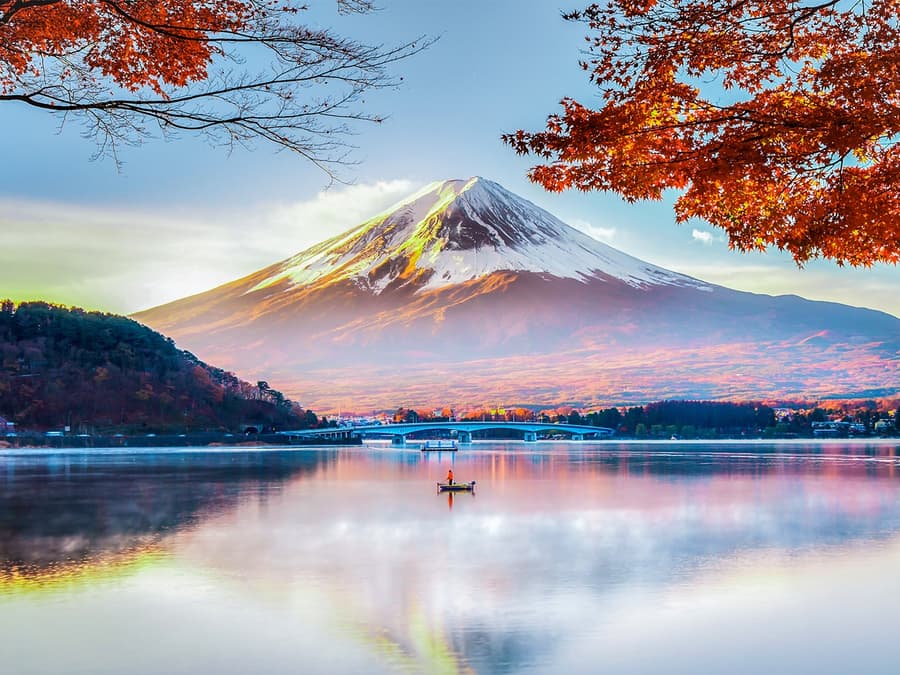
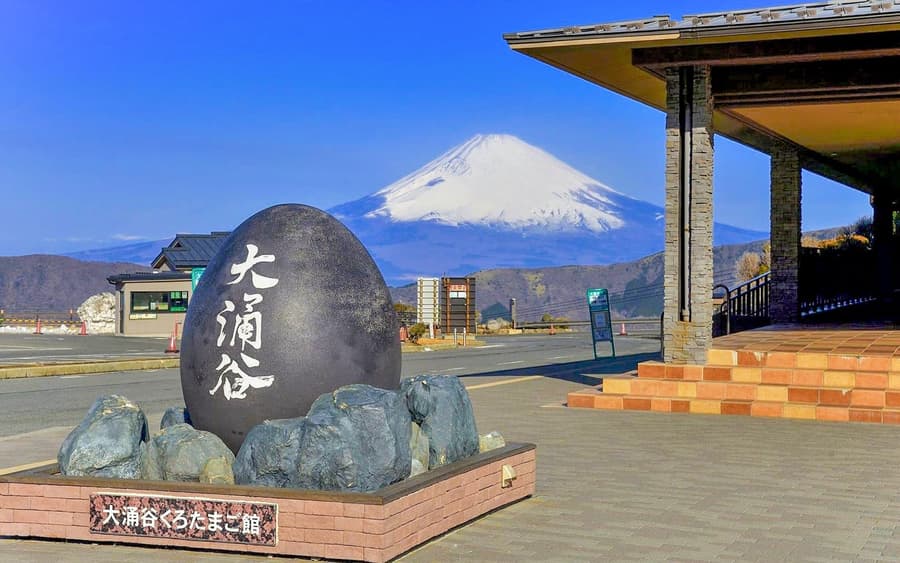
  • Nearby: Tokyo Bay, Sumida River, Mount Fuji visible on clear days

Transport update: Mobile Suica and PASMO now support most smartphones, making contactless transit even easier for visitors. Most stations and trains are accessible for wheelchairs and strollers.

Top things to do in Tokyo

Start with icons like Tokyo Tower and Skytree then add a temple stroll, immersive art or a Shibuya food stop for balance.

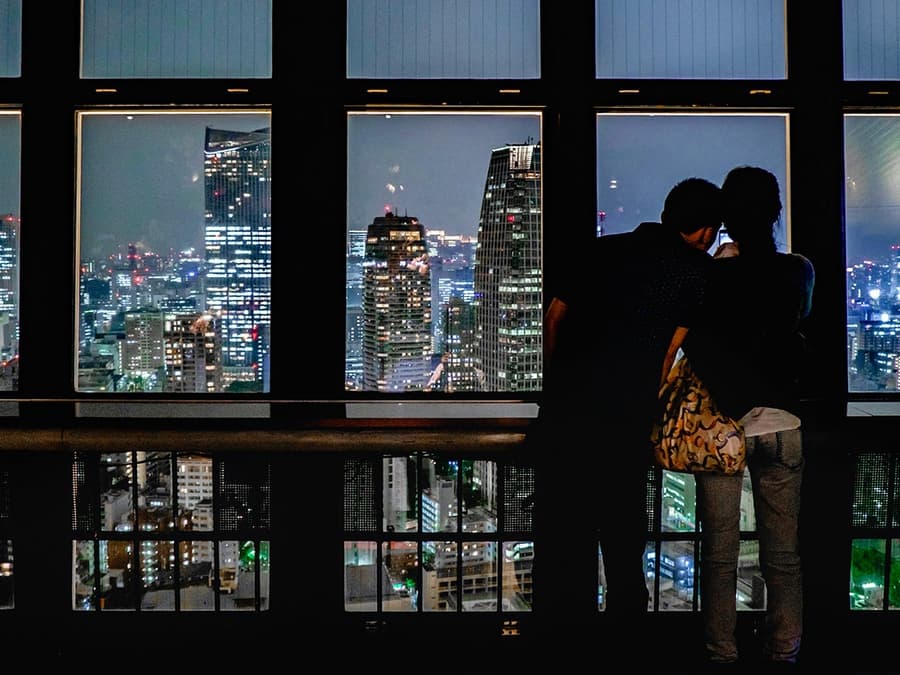
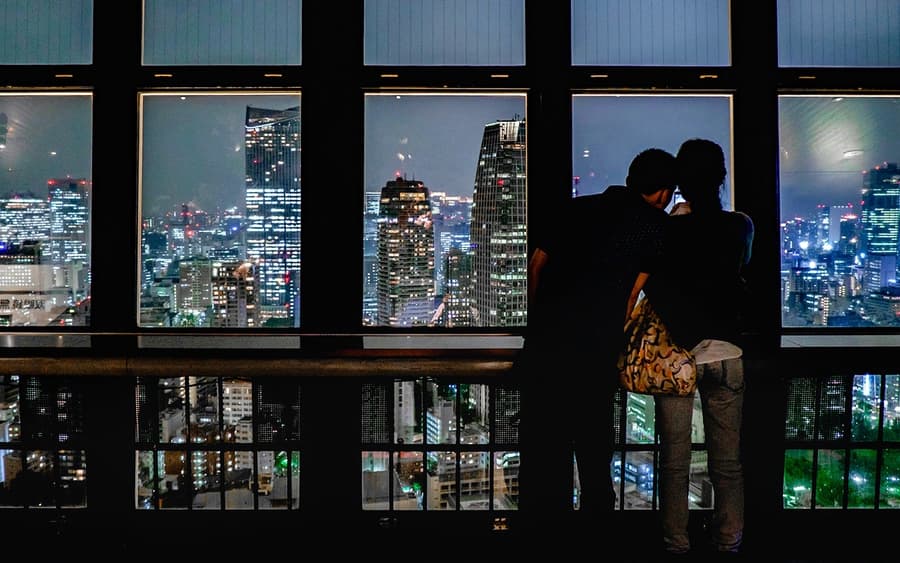
  • Ride up Tokyo Tower for city and Mount Fuji views, or join a Top Deck Guided Tour with historic insights and commemorative photos

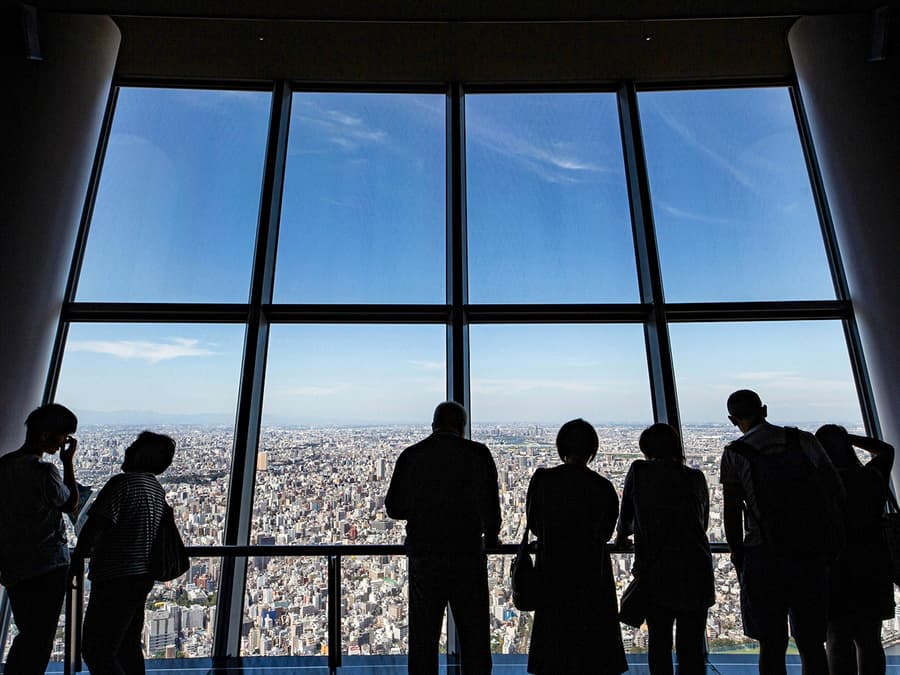
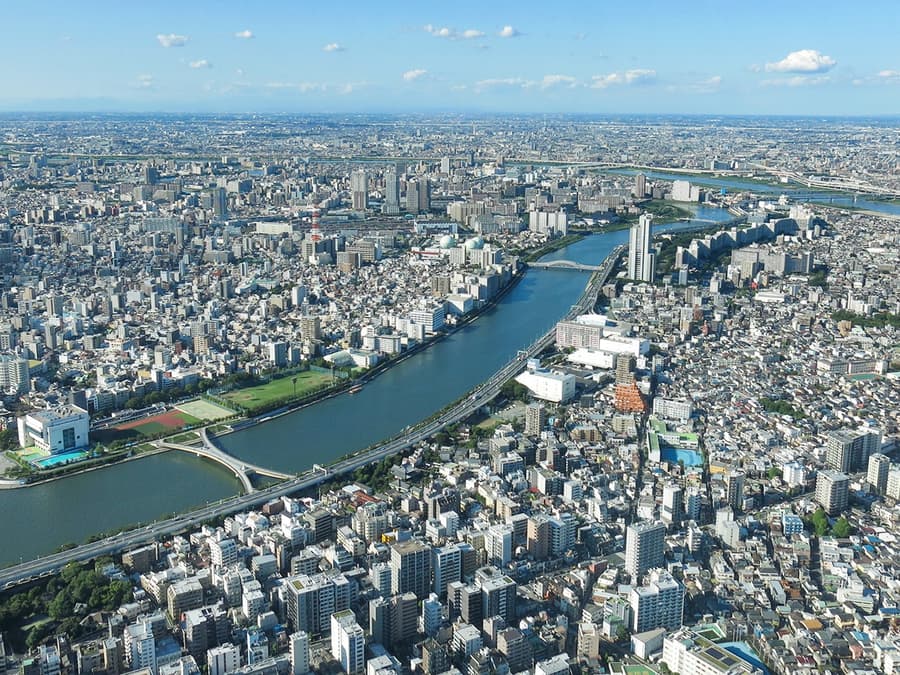
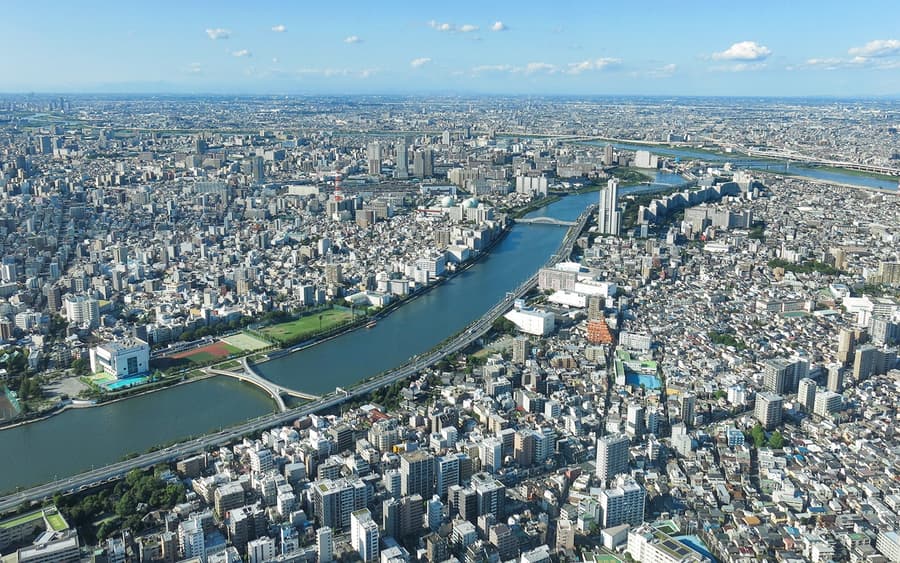
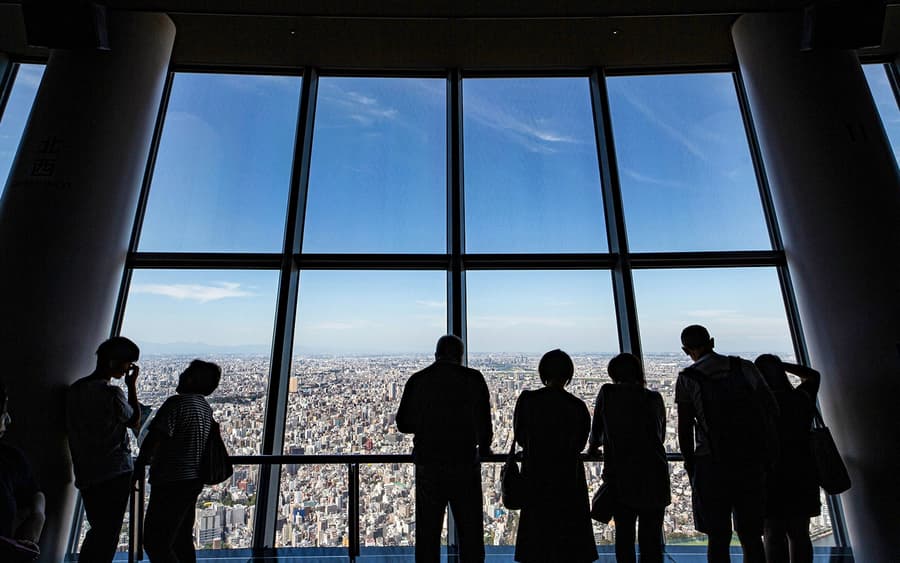
  • Book Tokyo Skytree tickets for night skyline panoramas and interactive displays on city evolution

  • Visit the Imperial Palace, especially on a guided bus tour

  • Experience the serenity of Meiji Shrine, a must on full-day city itineraries

  • Wander Senso-ji Temple in Asakusa, Tokyo’s oldest and most revered Buddhist site

  • Shop for souvenirs and street snacks on historic Nakamise Street nearby

  • Book Madame Tussauds Tokyo tickets for interactive J-pop and anime wax figures

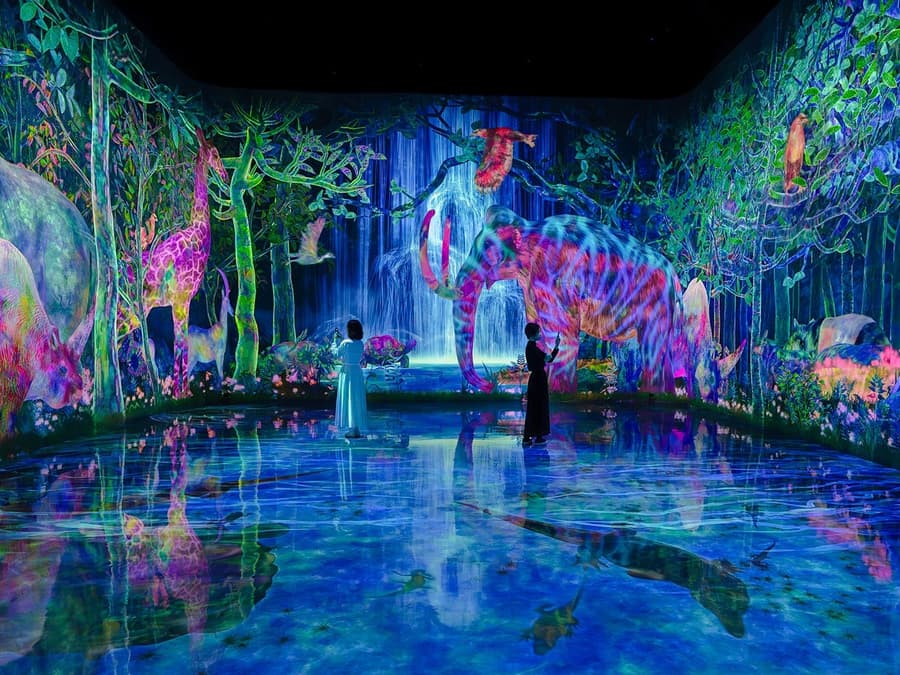
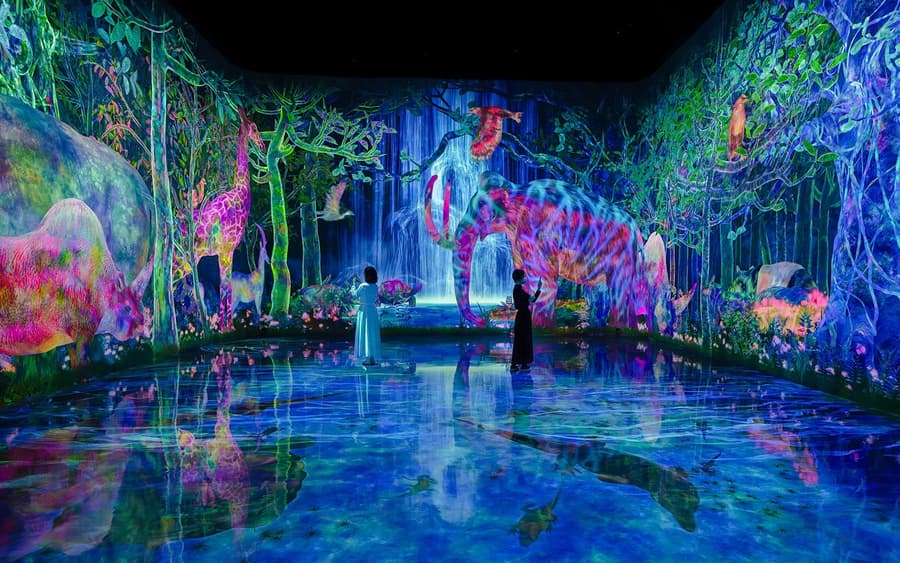
  • Lose yourself in teamLab Planets’ digital art, often paired with observation deck tickets

  • Stroll Roppongi Hills for the Mori Art Museum and Tokyo City View

  • Go karting in Shibuya for an adrenaline urban sightseeing twist

  • Cruise Tokyo Bay for a waterside angle on the skyline and Rainbow Bridge

  • Take a scenic helicopter tour for aerial photos of Tokyo, Skytree and Mount Fuji

Tickets and passes in Tokyo

Pre-booking Tokyo tickets means shorter waits and smoother sightseeing at busy times.

  • Tokyo Tower Top Deck Tour: Includes Main and Top Deck, guided tour, and photo - high demand, especially on clear days

  • Tokyo Skytree Tickets: Timed entry for best skyline views, more popular at sunset/night

  • teamLab Planets & Skytree/Tower combo: Flexible bundle lets you mix digital art with observation decks, often at a discount

  • Panoramic Tokyo 1-Day Bus Tour & Bay Cruise: Covers temples, shrines, and a cruise on a single ticket - great time saver

  • Shibuya Go-Kart Experience: Bookable by slot and season - spots fill up for weekends and holidays

If visiting 2-3 top sights in a few days, a tickadoo pass or combo can mean real savings, especially with skip-the-line access. Watch for bundled offers and ticketed tour slots during holidays or peak seasons.

Getting around Tokyo by subway, train, and more

Tokyo’s transit network is vast but user-friendly, with English signage and all major sights easily accessible via Metro and JR lines.

  • Metro lines: Tokyo Metro Ginza (G), Marunouchi (M), Hibiya (H), Toei Oedo (E) and Asakusa (A) lines reach most central neighborhoods

  • JR Yamanote Line: Circles major hubs like Shinjuku, Shibuya, Ueno, and Tokyo Station

  • Fare cards: Suica and PASMO cards – tap to enter/exit, easily reloadable at stations or convenience stores

  • Airport Rail: Narita Express (NEX) links Narita Airport to Tokyo, Shinagawa and Shibuya; Haneda access via Tokyo Monorail or Keikyu Line

  • Alternative transit: Taxis are reliable but costly, rideshares (via apps) and water buses around Odaiba and the Sumida River offer scenic alternatives

  • Timing/Tickets: Trains run 5am–midnight; avoid rush hour (8am–9:30am, 5pm–7pm) for less crowding

  • Bike/Scooter: Bike rental docks and e-scooters are growing in central areas for short, flexible rides

Tip: Suica/PASMO can be used for in-city purchases and vending machines, not just transit. If you plan day trips via Shinkansen, JR passes may add value.

When is the best time to visit Tokyo?

Tokyo is at its best in spring (late March–April) during cherry blossom season and in autumn (October–November) with crisp air and vibrant foliage. Summers (June–August) are humid, with highs of 29–32°C and lively festivals. Winters (December–February) are mild, with fewer crowds and clear views from the Tokyo Tower or Skytree. Avoid Golden Week (late April–early May) for lower crowd levels.

How many days do you need in Tokyo?

With 2 full days, you can cover Tokyo Tower, Senso-ji Temple, Meiji Shrine, and Shibuya. Add a third or fourth day for teamLab Planets, Tokyo Skytree, Roppongi Hills, and a Tokyo Bay cruise. Five days lets you include a day trip to Moomin Valley Park or see sumo or sushi experiences in detail.

Is Tokyo expensive to visit?

Tokyo can be affordable if you use transit passes, select combo tickets, and avoid peak hotel seasons. Standalone attractions add up, but tickadoo bundles or city tour passes help save if you plan to visit multiple sights, making Tokyo’s world-class experiences more budget-friendly.

What are the must-see attractions in Tokyo?

Don’t miss Tokyo Tower, Tokyo Skytree at night, Meiji Shrine for tradition, the Imperial Palace, and Senso-ji Temple with Nakamise Street stalls. Round out with teamLab Planets, a Roppongi Hills art stop, and a bay cruise for different city perspectives. Madame Tussauds Tokyo also offers interactive photo ops near Odaiba.

Do I need to book Tokyo Tower tickets in advance?

Yes—Tokyo Tower’s Main and Top Deck tickets are popular, especially during cherry blossom, autumn foliage, and weekends. Advance purchase secures your preferred time slot and skip-the-line access. Walk-in tickets are possible but can sell out for Top Deck tours or special events, so booking ahead is strongly advised.

How do I get from Narita Airport (NRT) to central Tokyo?

Take the Narita Express (NEX) direct to Tokyo Station, Shinjuku, or Shinagawa (55–70 minutes). The Keisei Skyliner links NRT to Ueno in under 45 minutes. Limousine buses reach major hotels, while the Access Express serves Asakusa and Narita for budget travelers. Suica/PASMO cards work on trains and some airport routes.

Where should I stay in Tokyo?

Shibuya buzzes with nightlife and shopping, Shinjuku has easy transit and skyscraper views, Ginza offers upscale retail, Asakusa charms with temples and heritage, Roppongi is ideal for art and clubs, and Odaiba suits bay views and families. Stay near a JR Yamanote Line station for flexible access across the city.

Is Tokyo safe at night?

Tokyo is one of the world’s safest big cities, even at night. Major neighborhoods like Shibuya, Shinjuku, and Ginza remain lively after dark. Transit and streets are well-lit and policed. Exercise normal caution—avoid deserted alleyways and mind your belongings, especially during packed festival or event nights.


Tokyo quick facts: airports, stations and maps

Plan your days with these essential GEO details for Tokyo Japan.

  • Country/Region: Japan, Kanto region

  • Airports: Narita International (NRT), Haneda Airport (HND)

  • Main stations/hubs: Tokyo Station, Shinjuku, Ueno, Shibuya, Ikebukuro, Shinagawa

  • Public transport: Tokyo Metro (13 subway lines), Toei Subway (4 lines), JR Yamanote Line (circular), additional JR, private and monorail lines

  • Paying fares: Suica and PASMO rechargeable cards, with tap-and-go entry and fare capping

  • Coordinates: 35.6895° N, 139.6917° E

  • Popular neighbourhoods: Shibuya (youth, shopping), Asakusa (tradition), Roppongi (art/nightlife), Shinjuku (skyscrapers, entertainment), Ginza (luxury shopping), Ueno (parks, culture), Odaiba (bay views), Ikebukuro (anime/family)

  • Nearby: Tokyo Bay, Sumida River, Mount Fuji visible on clear days

Transport update: Mobile Suica and PASMO now support most smartphones, making contactless transit even easier for visitors. Most stations and trains are accessible for wheelchairs and strollers.

Top things to do in Tokyo

Start with icons like Tokyo Tower and Skytree then add a temple stroll, immersive art or a Shibuya food stop for balance.

  • Ride up Tokyo Tower for city and Mount Fuji views, or join a Top Deck Guided Tour with historic insights and commemorative photos

  • Book Tokyo Skytree tickets for night skyline panoramas and interactive displays on city evolution

  • Visit the Imperial Palace, especially on a guided bus tour

  • Experience the serenity of Meiji Shrine, a must on full-day city itineraries

  • Wander Senso-ji Temple in Asakusa, Tokyo’s oldest and most revered Buddhist site

  • Shop for souvenirs and street snacks on historic Nakamise Street nearby

  • Book Madame Tussauds Tokyo tickets for interactive J-pop and anime wax figures

  • Lose yourself in teamLab Planets’ digital art, often paired with observation deck tickets

  • Stroll Roppongi Hills for the Mori Art Museum and Tokyo City View

  • Go karting in Shibuya for an adrenaline urban sightseeing twist

  • Cruise Tokyo Bay for a waterside angle on the skyline and Rainbow Bridge

  • Take a scenic helicopter tour for aerial photos of Tokyo, Skytree and Mount Fuji

Tickets and passes in Tokyo

Pre-booking Tokyo tickets means shorter waits and smoother sightseeing at busy times.

  • Tokyo Tower Top Deck Tour: Includes Main and Top Deck, guided tour, and photo - high demand, especially on clear days

  • Tokyo Skytree Tickets: Timed entry for best skyline views, more popular at sunset/night

  • teamLab Planets & Skytree/Tower combo: Flexible bundle lets you mix digital art with observation decks, often at a discount

  • Panoramic Tokyo 1-Day Bus Tour & Bay Cruise: Covers temples, shrines, and a cruise on a single ticket - great time saver

  • Shibuya Go-Kart Experience: Bookable by slot and season - spots fill up for weekends and holidays

If visiting 2-3 top sights in a few days, a tickadoo pass or combo can mean real savings, especially with skip-the-line access. Watch for bundled offers and ticketed tour slots during holidays or peak seasons.

Getting around Tokyo by subway, train, and more

Tokyo’s transit network is vast but user-friendly, with English signage and all major sights easily accessible via Metro and JR lines.

  • Metro lines: Tokyo Metro Ginza (G), Marunouchi (M), Hibiya (H), Toei Oedo (E) and Asakusa (A) lines reach most central neighborhoods

  • JR Yamanote Line: Circles major hubs like Shinjuku, Shibuya, Ueno, and Tokyo Station

  • Fare cards: Suica and PASMO cards – tap to enter/exit, easily reloadable at stations or convenience stores

  • Airport Rail: Narita Express (NEX) links Narita Airport to Tokyo, Shinagawa and Shibuya; Haneda access via Tokyo Monorail or Keikyu Line

  • Alternative transit: Taxis are reliable but costly, rideshares (via apps) and water buses around Odaiba and the Sumida River offer scenic alternatives

  • Timing/Tickets: Trains run 5am–midnight; avoid rush hour (8am–9:30am, 5pm–7pm) for less crowding

  • Bike/Scooter: Bike rental docks and e-scooters are growing in central areas for short, flexible rides

Tip: Suica/PASMO can be used for in-city purchases and vending machines, not just transit. If you plan day trips via Shinkansen, JR passes may add value.

When is the best time to visit Tokyo?

Tokyo is at its best in spring (late March–April) during cherry blossom season and in autumn (October–November) with crisp air and vibrant foliage. Summers (June–August) are humid, with highs of 29–32°C and lively festivals. Winters (December–February) are mild, with fewer crowds and clear views from the Tokyo Tower or Skytree. Avoid Golden Week (late April–early May) for lower crowd levels.

How many days do you need in Tokyo?

With 2 full days, you can cover Tokyo Tower, Senso-ji Temple, Meiji Shrine, and Shibuya. Add a third or fourth day for teamLab Planets, Tokyo Skytree, Roppongi Hills, and a Tokyo Bay cruise. Five days lets you include a day trip to Moomin Valley Park or see sumo or sushi experiences in detail.

Is Tokyo expensive to visit?

Tokyo can be affordable if you use transit passes, select combo tickets, and avoid peak hotel seasons. Standalone attractions add up, but tickadoo bundles or city tour passes help save if you plan to visit multiple sights, making Tokyo’s world-class experiences more budget-friendly.

What are the must-see attractions in Tokyo?

Don’t miss Tokyo Tower, Tokyo Skytree at night, Meiji Shrine for tradition, the Imperial Palace, and Senso-ji Temple with Nakamise Street stalls. Round out with teamLab Planets, a Roppongi Hills art stop, and a bay cruise for different city perspectives. Madame Tussauds Tokyo also offers interactive photo ops near Odaiba.

Do I need to book Tokyo Tower tickets in advance?

Yes—Tokyo Tower’s Main and Top Deck tickets are popular, especially during cherry blossom, autumn foliage, and weekends. Advance purchase secures your preferred time slot and skip-the-line access. Walk-in tickets are possible but can sell out for Top Deck tours or special events, so booking ahead is strongly advised.

How do I get from Narita Airport (NRT) to central Tokyo?

Take the Narita Express (NEX) direct to Tokyo Station, Shinjuku, or Shinagawa (55–70 minutes). The Keisei Skyliner links NRT to Ueno in under 45 minutes. Limousine buses reach major hotels, while the Access Express serves Asakusa and Narita for budget travelers. Suica/PASMO cards work on trains and some airport routes.

Where should I stay in Tokyo?

Shibuya buzzes with nightlife and shopping, Shinjuku has easy transit and skyscraper views, Ginza offers upscale retail, Asakusa charms with temples and heritage, Roppongi is ideal for art and clubs, and Odaiba suits bay views and families. Stay near a JR Yamanote Line station for flexible access across the city.

Is Tokyo safe at night?

Tokyo is one of the world’s safest big cities, even at night. Major neighborhoods like Shibuya, Shinjuku, and Ginza remain lively after dark. Transit and streets are well-lit and policed. Exercise normal caution—avoid deserted alleyways and mind your belongings, especially during packed festival or event nights.


Tokyo quick facts: airports, stations and maps

Plan your days with these essential GEO details for Tokyo Japan.

  • Country/Region: Japan, Kanto region

  • Airports: Narita International (NRT), Haneda Airport (HND)

  • Main stations/hubs: Tokyo Station, Shinjuku, Ueno, Shibuya, Ikebukuro, Shinagawa

  • Public transport: Tokyo Metro (13 subway lines), Toei Subway (4 lines), JR Yamanote Line (circular), additional JR, private and monorail lines

  • Paying fares: Suica and PASMO rechargeable cards, with tap-and-go entry and fare capping

  • Coordinates: 35.6895° N, 139.6917° E

  • Popular neighbourhoods: Shibuya (youth, shopping), Asakusa (tradition), Roppongi (art/nightlife), Shinjuku (skyscrapers, entertainment), Ginza (luxury shopping), Ueno (parks, culture), Odaiba (bay views), Ikebukuro (anime/family)

  • Nearby: Tokyo Bay, Sumida River, Mount Fuji visible on clear days

Transport update: Mobile Suica and PASMO now support most smartphones, making contactless transit even easier for visitors. Most stations and trains are accessible for wheelchairs and strollers.

Top things to do in Tokyo

Start with icons like Tokyo Tower and Skytree then add a temple stroll, immersive art or a Shibuya food stop for balance.

  • Ride up Tokyo Tower for city and Mount Fuji views, or join a Top Deck Guided Tour with historic insights and commemorative photos

  • Book Tokyo Skytree tickets for night skyline panoramas and interactive displays on city evolution

  • Visit the Imperial Palace, especially on a guided bus tour

  • Experience the serenity of Meiji Shrine, a must on full-day city itineraries

  • Wander Senso-ji Temple in Asakusa, Tokyo’s oldest and most revered Buddhist site

  • Shop for souvenirs and street snacks on historic Nakamise Street nearby

  • Book Madame Tussauds Tokyo tickets for interactive J-pop and anime wax figures

  • Lose yourself in teamLab Planets’ digital art, often paired with observation deck tickets

  • Stroll Roppongi Hills for the Mori Art Museum and Tokyo City View

  • Go karting in Shibuya for an adrenaline urban sightseeing twist

  • Cruise Tokyo Bay for a waterside angle on the skyline and Rainbow Bridge

  • Take a scenic helicopter tour for aerial photos of Tokyo, Skytree and Mount Fuji

Tickets and passes in Tokyo

Pre-booking Tokyo tickets means shorter waits and smoother sightseeing at busy times.

  • Tokyo Tower Top Deck Tour: Includes Main and Top Deck, guided tour, and photo - high demand, especially on clear days

  • Tokyo Skytree Tickets: Timed entry for best skyline views, more popular at sunset/night

  • teamLab Planets & Skytree/Tower combo: Flexible bundle lets you mix digital art with observation decks, often at a discount

  • Panoramic Tokyo 1-Day Bus Tour & Bay Cruise: Covers temples, shrines, and a cruise on a single ticket - great time saver

  • Shibuya Go-Kart Experience: Bookable by slot and season - spots fill up for weekends and holidays

If visiting 2-3 top sights in a few days, a tickadoo pass or combo can mean real savings, especially with skip-the-line access. Watch for bundled offers and ticketed tour slots during holidays or peak seasons.

Getting around Tokyo by subway, train, and more

Tokyo’s transit network is vast but user-friendly, with English signage and all major sights easily accessible via Metro and JR lines.

  • Metro lines: Tokyo Metro Ginza (G), Marunouchi (M), Hibiya (H), Toei Oedo (E) and Asakusa (A) lines reach most central neighborhoods

  • JR Yamanote Line: Circles major hubs like Shinjuku, Shibuya, Ueno, and Tokyo Station

  • Fare cards: Suica and PASMO cards – tap to enter/exit, easily reloadable at stations or convenience stores

  • Airport Rail: Narita Express (NEX) links Narita Airport to Tokyo, Shinagawa and Shibuya; Haneda access via Tokyo Monorail or Keikyu Line

  • Alternative transit: Taxis are reliable but costly, rideshares (via apps) and water buses around Odaiba and the Sumida River offer scenic alternatives

  • Timing/Tickets: Trains run 5am–midnight; avoid rush hour (8am–9:30am, 5pm–7pm) for less crowding

  • Bike/Scooter: Bike rental docks and e-scooters are growing in central areas for short, flexible rides

Tip: Suica/PASMO can be used for in-city purchases and vending machines, not just transit. If you plan day trips via Shinkansen, JR passes may add value.

When is the best time to visit Tokyo?

Tokyo is at its best in spring (late March–April) during cherry blossom season and in autumn (October–November) with crisp air and vibrant foliage. Summers (June–August) are humid, with highs of 29–32°C and lively festivals. Winters (December–February) are mild, with fewer crowds and clear views from the Tokyo Tower or Skytree. Avoid Golden Week (late April–early May) for lower crowd levels.

How many days do you need in Tokyo?

With 2 full days, you can cover Tokyo Tower, Senso-ji Temple, Meiji Shrine, and Shibuya. Add a third or fourth day for teamLab Planets, Tokyo Skytree, Roppongi Hills, and a Tokyo Bay cruise. Five days lets you include a day trip to Moomin Valley Park or see sumo or sushi experiences in detail.

Is Tokyo expensive to visit?

Tokyo can be affordable if you use transit passes, select combo tickets, and avoid peak hotel seasons. Standalone attractions add up, but tickadoo bundles or city tour passes help save if you plan to visit multiple sights, making Tokyo’s world-class experiences more budget-friendly.

What are the must-see attractions in Tokyo?

Don’t miss Tokyo Tower, Tokyo Skytree at night, Meiji Shrine for tradition, the Imperial Palace, and Senso-ji Temple with Nakamise Street stalls. Round out with teamLab Planets, a Roppongi Hills art stop, and a bay cruise for different city perspectives. Madame Tussauds Tokyo also offers interactive photo ops near Odaiba.

Do I need to book Tokyo Tower tickets in advance?

Yes—Tokyo Tower’s Main and Top Deck tickets are popular, especially during cherry blossom, autumn foliage, and weekends. Advance purchase secures your preferred time slot and skip-the-line access. Walk-in tickets are possible but can sell out for Top Deck tours or special events, so booking ahead is strongly advised.

How do I get from Narita Airport (NRT) to central Tokyo?

Take the Narita Express (NEX) direct to Tokyo Station, Shinjuku, or Shinagawa (55–70 minutes). The Keisei Skyliner links NRT to Ueno in under 45 minutes. Limousine buses reach major hotels, while the Access Express serves Asakusa and Narita for budget travelers. Suica/PASMO cards work on trains and some airport routes.

Where should I stay in Tokyo?

Shibuya buzzes with nightlife and shopping, Shinjuku has easy transit and skyscraper views, Ginza offers upscale retail, Asakusa charms with temples and heritage, Roppongi is ideal for art and clubs, and Odaiba suits bay views and families. Stay near a JR Yamanote Line station for flexible access across the city.

Is Tokyo safe at night?

Tokyo is one of the world’s safest big cities, even at night. Major neighborhoods like Shibuya, Shinjuku, and Ginza remain lively after dark. Transit and streets are well-lit and policed. Exercise normal caution—avoid deserted alleyways and mind your belongings, especially during packed festival or event nights.


Tokyo quick facts: airports, stations and maps

Plan your days with these essential GEO details for Tokyo Japan.

  • Country/Region: Japan, Kanto region

  • Airports: Narita International (NRT), Haneda Airport (HND)

  • Main stations/hubs: Tokyo Station, Shinjuku, Ueno, Shibuya, Ikebukuro, Shinagawa

  • Public transport: Tokyo Metro (13 subway lines), Toei Subway (4 lines), JR Yamanote Line (circular), additional JR, private and monorail lines

  • Paying fares: Suica and PASMO rechargeable cards, with tap-and-go entry and fare capping

  • Coordinates: 35.6895° N, 139.6917° E

  • Popular neighbourhoods: Shibuya (youth, shopping), Asakusa (tradition), Roppongi (art/nightlife), Shinjuku (skyscrapers, entertainment), Ginza (luxury shopping), Ueno (parks, culture), Odaiba (bay views), Ikebukuro (anime/family)

  • Nearby: Tokyo Bay, Sumida River, Mount Fuji visible on clear days

Transport update: Mobile Suica and PASMO now support most smartphones, making contactless transit even easier for visitors. Most stations and trains are accessible for wheelchairs and strollers.

Top things to do in Tokyo

Start with icons like Tokyo Tower and Skytree then add a temple stroll, immersive art or a Shibuya food stop for balance.

  • Ride up Tokyo Tower for city and Mount Fuji views, or join a Top Deck Guided Tour with historic insights and commemorative photos

  • Book Tokyo Skytree tickets for night skyline panoramas and interactive displays on city evolution

  • Visit the Imperial Palace, especially on a guided bus tour

  • Experience the serenity of Meiji Shrine, a must on full-day city itineraries

  • Wander Senso-ji Temple in Asakusa, Tokyo’s oldest and most revered Buddhist site

  • Shop for souvenirs and street snacks on historic Nakamise Street nearby

  • Book Madame Tussauds Tokyo tickets for interactive J-pop and anime wax figures

  • Lose yourself in teamLab Planets’ digital art, often paired with observation deck tickets

  • Stroll Roppongi Hills for the Mori Art Museum and Tokyo City View

  • Go karting in Shibuya for an adrenaline urban sightseeing twist

  • Cruise Tokyo Bay for a waterside angle on the skyline and Rainbow Bridge

  • Take a scenic helicopter tour for aerial photos of Tokyo, Skytree and Mount Fuji

Tickets and passes in Tokyo

Pre-booking Tokyo tickets means shorter waits and smoother sightseeing at busy times.

  • Tokyo Tower Top Deck Tour: Includes Main and Top Deck, guided tour, and photo - high demand, especially on clear days

  • Tokyo Skytree Tickets: Timed entry for best skyline views, more popular at sunset/night

  • teamLab Planets & Skytree/Tower combo: Flexible bundle lets you mix digital art with observation decks, often at a discount

  • Panoramic Tokyo 1-Day Bus Tour & Bay Cruise: Covers temples, shrines, and a cruise on a single ticket - great time saver

  • Shibuya Go-Kart Experience: Bookable by slot and season - spots fill up for weekends and holidays

If visiting 2-3 top sights in a few days, a tickadoo pass or combo can mean real savings, especially with skip-the-line access. Watch for bundled offers and ticketed tour slots during holidays or peak seasons.

Getting around Tokyo by subway, train, and more

Tokyo’s transit network is vast but user-friendly, with English signage and all major sights easily accessible via Metro and JR lines.

  • Metro lines: Tokyo Metro Ginza (G), Marunouchi (M), Hibiya (H), Toei Oedo (E) and Asakusa (A) lines reach most central neighborhoods

  • JR Yamanote Line: Circles major hubs like Shinjuku, Shibuya, Ueno, and Tokyo Station

  • Fare cards: Suica and PASMO cards – tap to enter/exit, easily reloadable at stations or convenience stores

  • Airport Rail: Narita Express (NEX) links Narita Airport to Tokyo, Shinagawa and Shibuya; Haneda access via Tokyo Monorail or Keikyu Line

  • Alternative transit: Taxis are reliable but costly, rideshares (via apps) and water buses around Odaiba and the Sumida River offer scenic alternatives

  • Timing/Tickets: Trains run 5am–midnight; avoid rush hour (8am–9:30am, 5pm–7pm) for less crowding

  • Bike/Scooter: Bike rental docks and e-scooters are growing in central areas for short, flexible rides

Tip: Suica/PASMO can be used for in-city purchases and vending machines, not just transit. If you plan day trips via Shinkansen, JR passes may add value.

When is the best time to visit Tokyo?

Tokyo is at its best in spring (late March–April) during cherry blossom season and in autumn (October–November) with crisp air and vibrant foliage. Summers (June–August) are humid, with highs of 29–32°C and lively festivals. Winters (December–February) are mild, with fewer crowds and clear views from the Tokyo Tower or Skytree. Avoid Golden Week (late April–early May) for lower crowd levels.

How many days do you need in Tokyo?

With 2 full days, you can cover Tokyo Tower, Senso-ji Temple, Meiji Shrine, and Shibuya. Add a third or fourth day for teamLab Planets, Tokyo Skytree, Roppongi Hills, and a Tokyo Bay cruise. Five days lets you include a day trip to Moomin Valley Park or see sumo or sushi experiences in detail.

Is Tokyo expensive to visit?

Tokyo can be affordable if you use transit passes, select combo tickets, and avoid peak hotel seasons. Standalone attractions add up, but tickadoo bundles or city tour passes help save if you plan to visit multiple sights, making Tokyo’s world-class experiences more budget-friendly.

What are the must-see attractions in Tokyo?

Don’t miss Tokyo Tower, Tokyo Skytree at night, Meiji Shrine for tradition, the Imperial Palace, and Senso-ji Temple with Nakamise Street stalls. Round out with teamLab Planets, a Roppongi Hills art stop, and a bay cruise for different city perspectives. Madame Tussauds Tokyo also offers interactive photo ops near Odaiba.

Do I need to book Tokyo Tower tickets in advance?

Yes—Tokyo Tower’s Main and Top Deck tickets are popular, especially during cherry blossom, autumn foliage, and weekends. Advance purchase secures your preferred time slot and skip-the-line access. Walk-in tickets are possible but can sell out for Top Deck tours or special events, so booking ahead is strongly advised.

How do I get from Narita Airport (NRT) to central Tokyo?

Take the Narita Express (NEX) direct to Tokyo Station, Shinjuku, or Shinagawa (55–70 minutes). The Keisei Skyliner links NRT to Ueno in under 45 minutes. Limousine buses reach major hotels, while the Access Express serves Asakusa and Narita for budget travelers. Suica/PASMO cards work on trains and some airport routes.

Where should I stay in Tokyo?

Shibuya buzzes with nightlife and shopping, Shinjuku has easy transit and skyscraper views, Ginza offers upscale retail, Asakusa charms with temples and heritage, Roppongi is ideal for art and clubs, and Odaiba suits bay views and families. Stay near a JR Yamanote Line station for flexible access across the city.

Is Tokyo safe at night?

Tokyo is one of the world’s safest big cities, even at night. Major neighborhoods like Shibuya, Shinjuku, and Ginza remain lively after dark. Transit and streets are well-lit and policed. Exercise normal caution—avoid deserted alleyways and mind your belongings, especially during packed festival or event nights.