What's Trending in Venice?

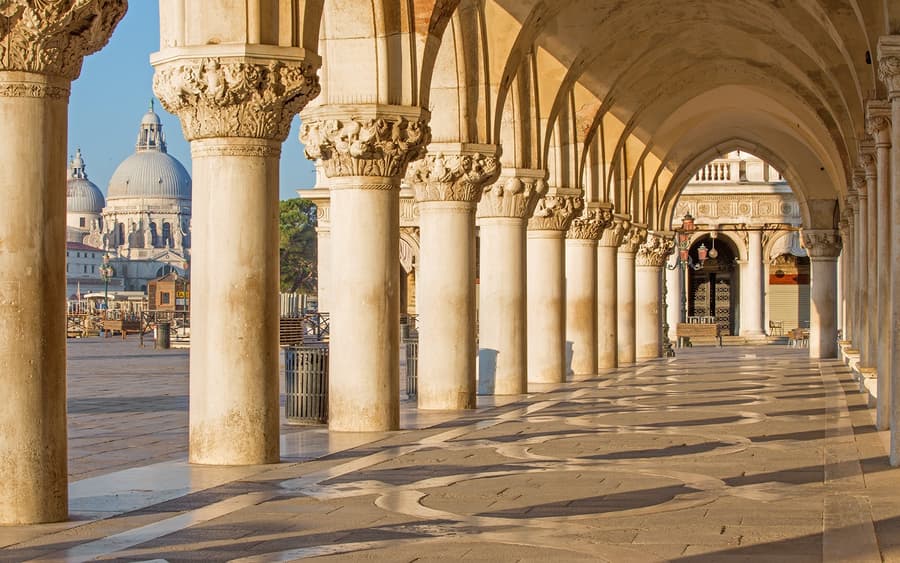
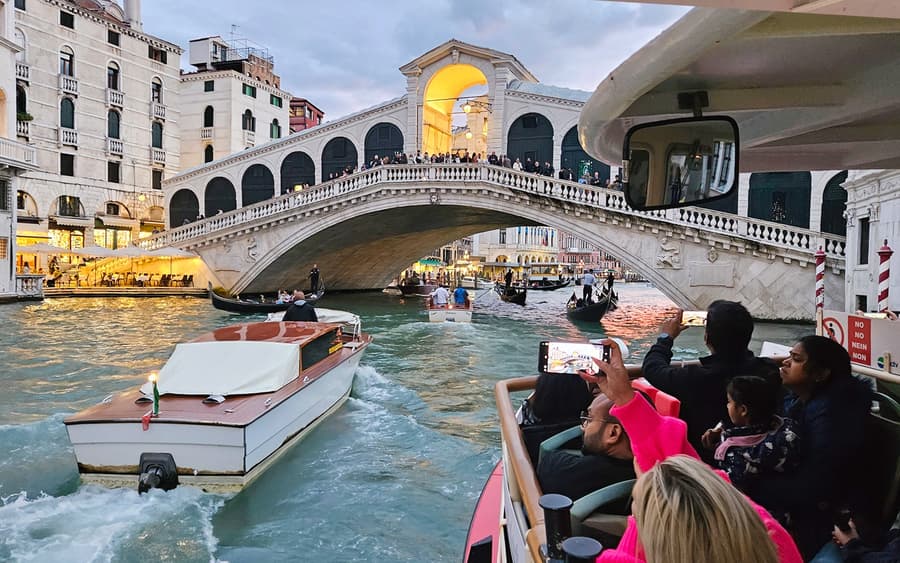
Venice blends timeless canals with Renaissance art and hidden courtyards. Glide under the Rialto Bridge, explore the majesty of Doge's Palace, and step inside St. Mark's Basilica, all while using this guide to discover Venice tickets, plan island tours, and navigate punches on the Venice Turbopass City Card.

From bustling St. Mark's Square to colorful Burano, you can use city passes, hop-on hop-off boats, and skip-the-line systems to explore artisan workshops, day trips, and neighborhoods across the lagoon with ease.

All Venice tickets


Venice quick facts: airports, train stations and maps

Plan your days with these essential travel details for Venice, Italy.

  • Region/Country: Veneto, Italy

  • Airports: Venice Marco Polo Airport (VCE)

  • Main stations/hubs: Venezia Santa Lucia (trains), Piazzale Roma (bus connections), Tronchetto (parking & ferry access)

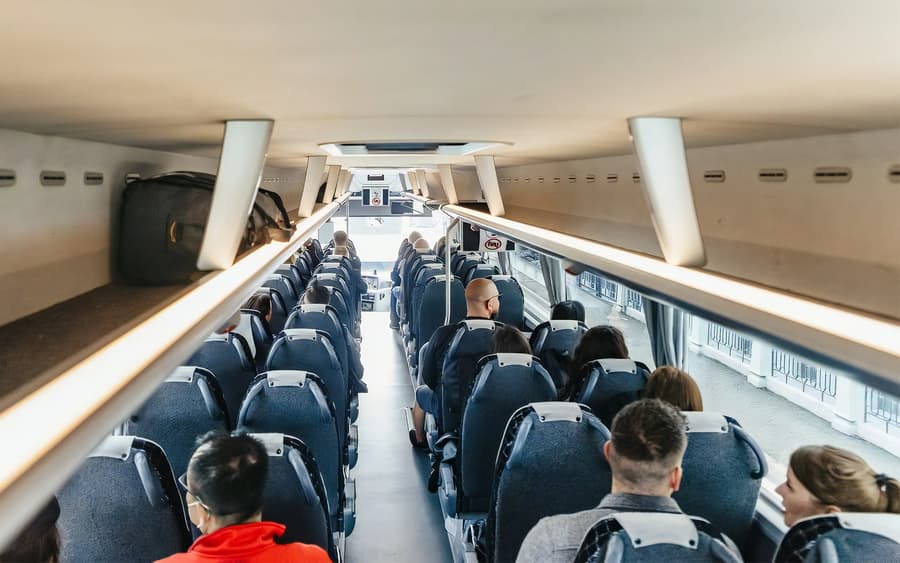
  • Public transport: ACTV vaporetto (waterbuses), Alilaguna airport boat, water taxis, traghetti gondola ferries

  • Paying fares: Venezia Unica card for boat/bus/ticketing; single, day, and multi-day passes available

  • Coordinates: 45.4408° N, 12.3155° E

  • Popular neighborhoods: San Marco (iconic sights), Cannaregio (local life), Dorsoduro (art & academia), Castello (gardens & churches), San Polo (markets), Santa Croce (transport hub), Giudecca (island views), Murano (glass artisans)

Latest update: ACTV vaporetto lines have added more frequent service for lines 1 and 2 during high season. Buy your Venezia Unica pass online to skip long queue times at main ticket booths.

Top things to do in Venice

Start with Venice's icons, then add a neighborhood walk or workshop for a local twist.

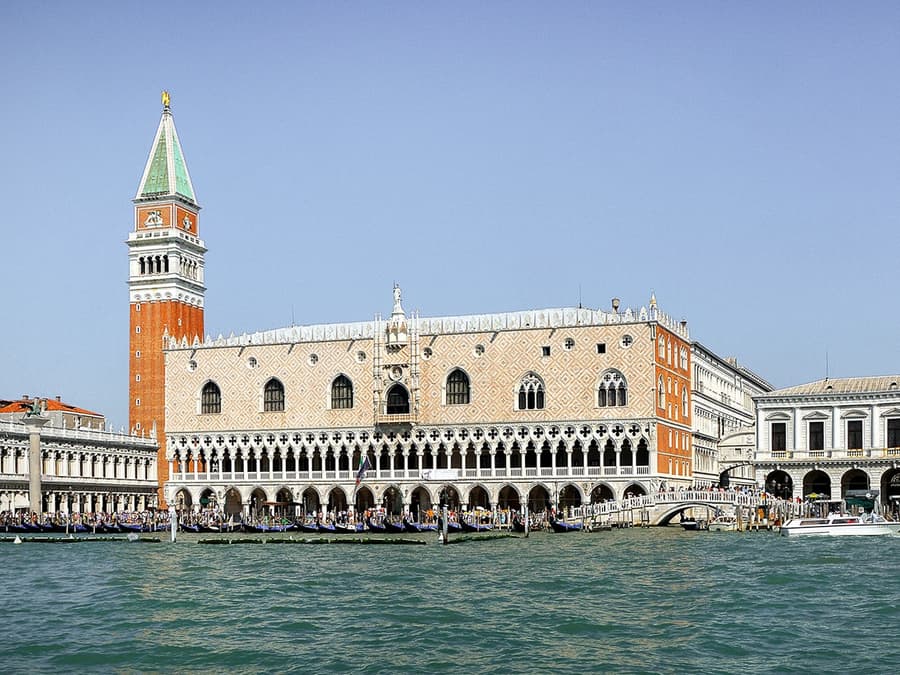
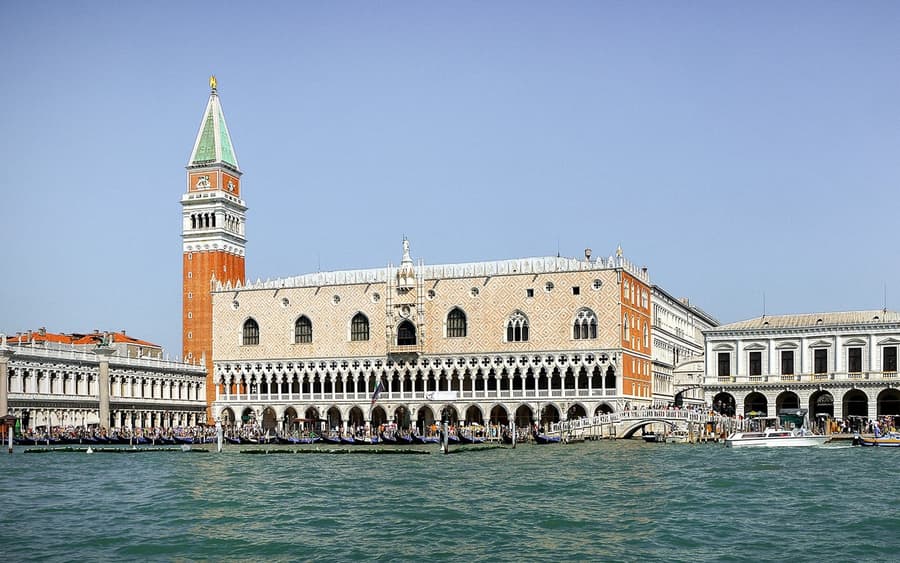
  • Doge's Palace tickets with skip-the-line entry for fast access to the Renaissance chambers and the Bridge of Sighs

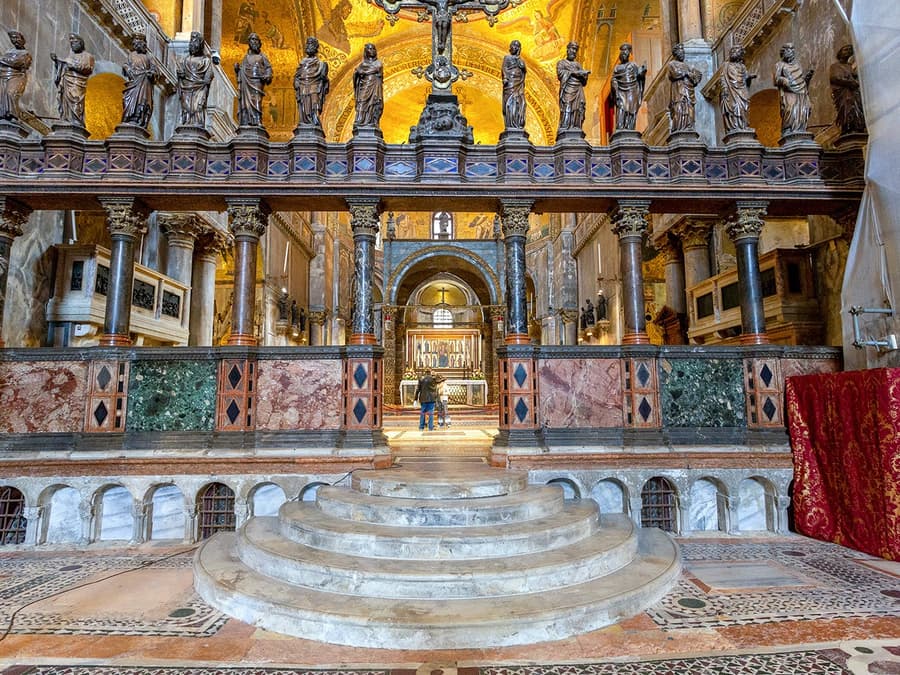
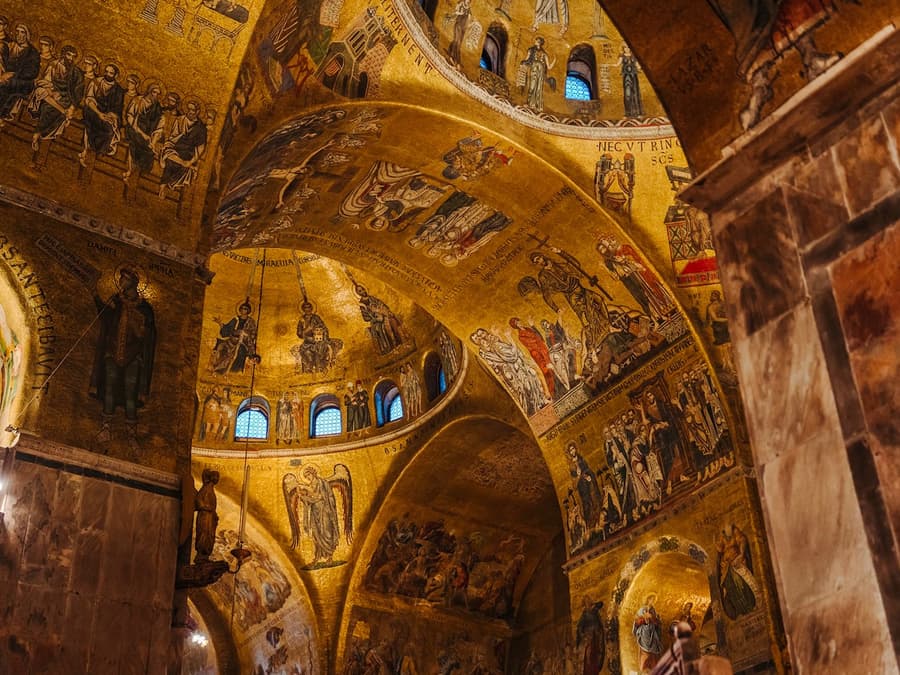
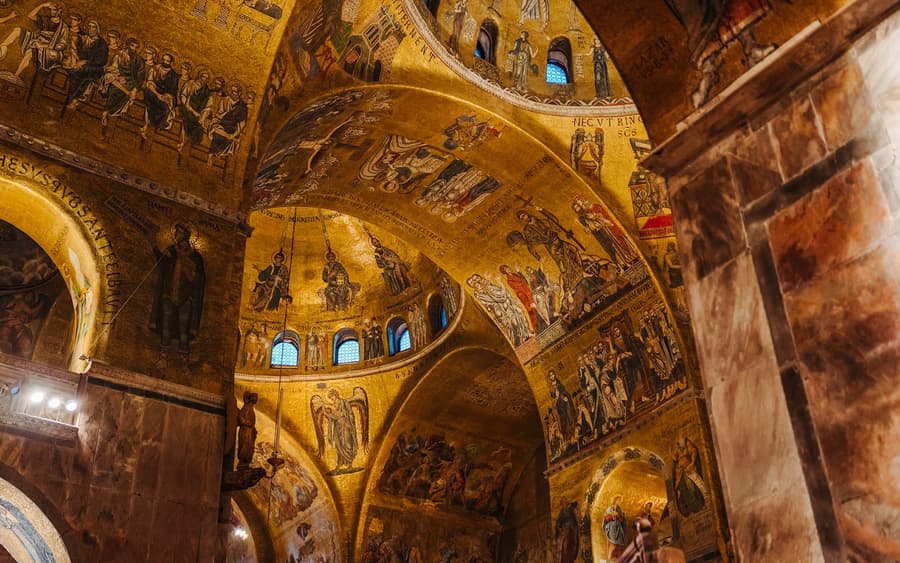
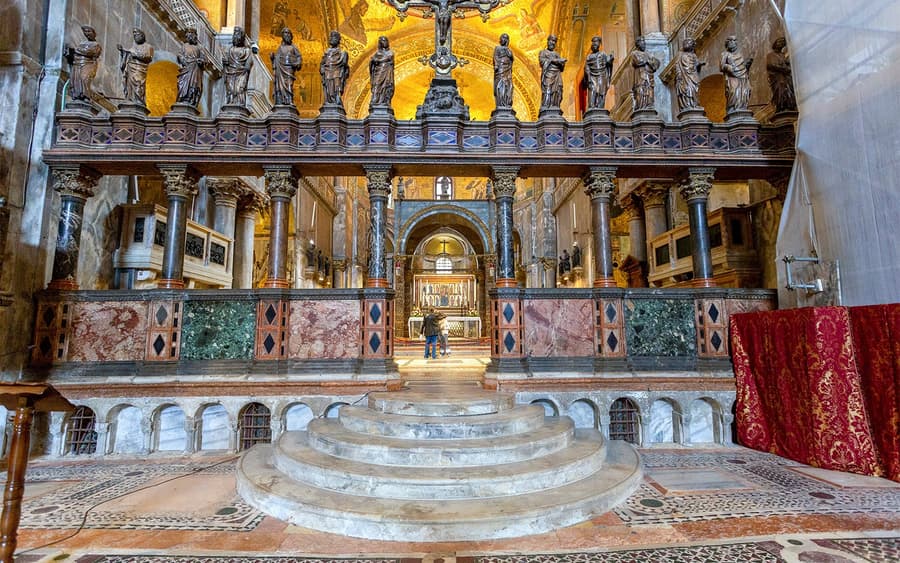
  • St. Mark's Basilica with optional night tours for an illuminated gold-mosaic experience

  • Museum Correr in St. Mark's Square for imperial history and grand salons

  • Scala Contarini del Bovolo's spiral staircase hidden off Campo Manin

  • La Fenice Theatre backstage tour, plus special access with the Venice Museums Pass

  • Rialto Bridge and the bustling Rialto Market for centuries-old trade

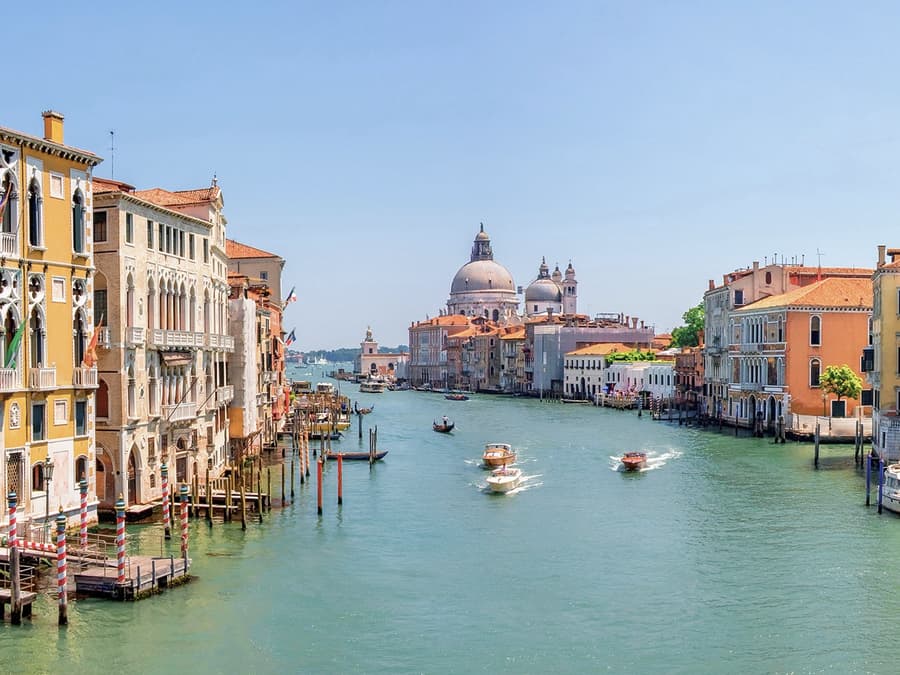
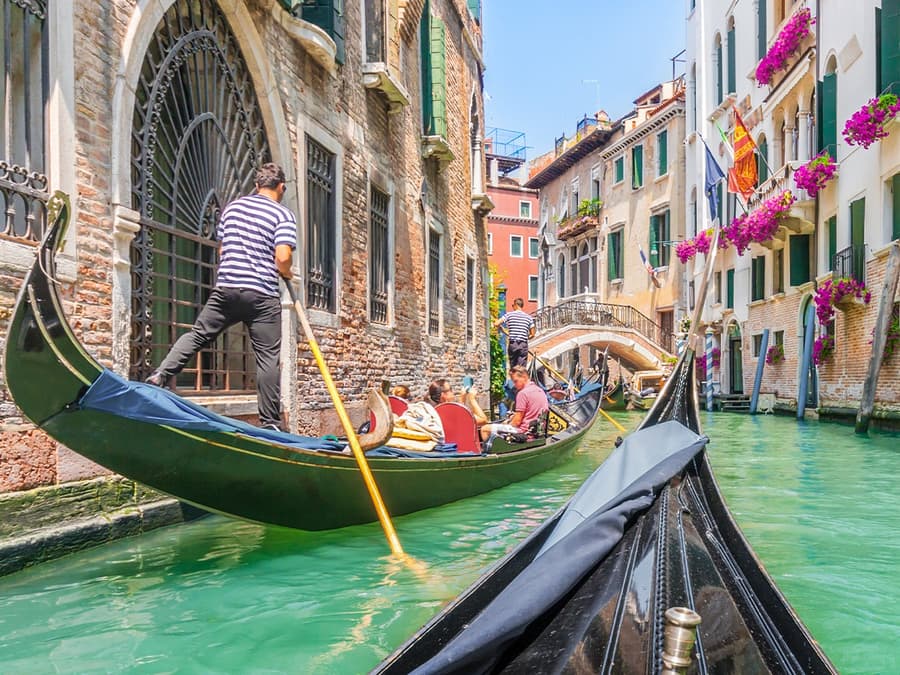
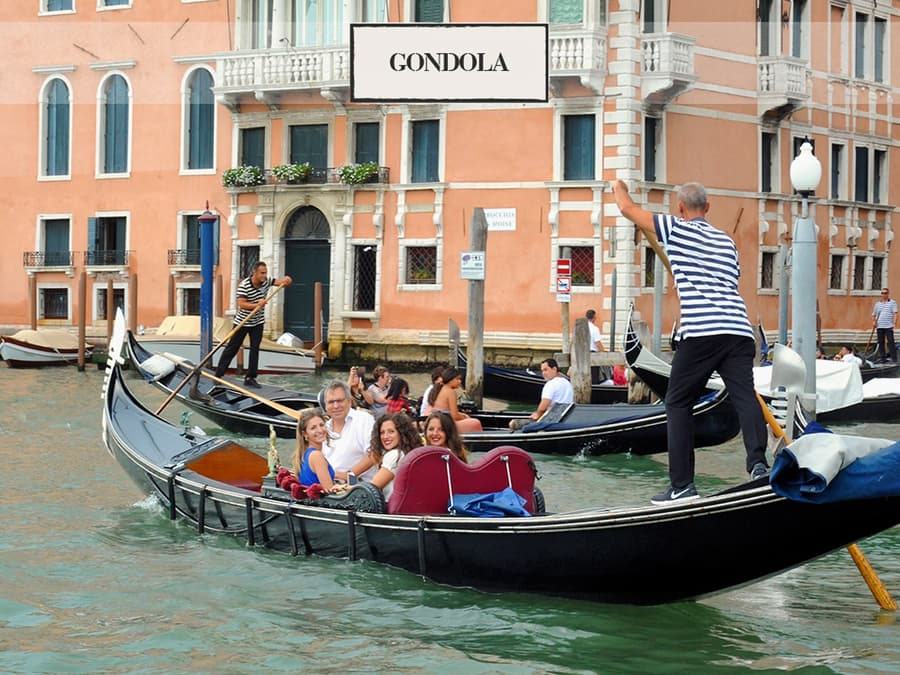
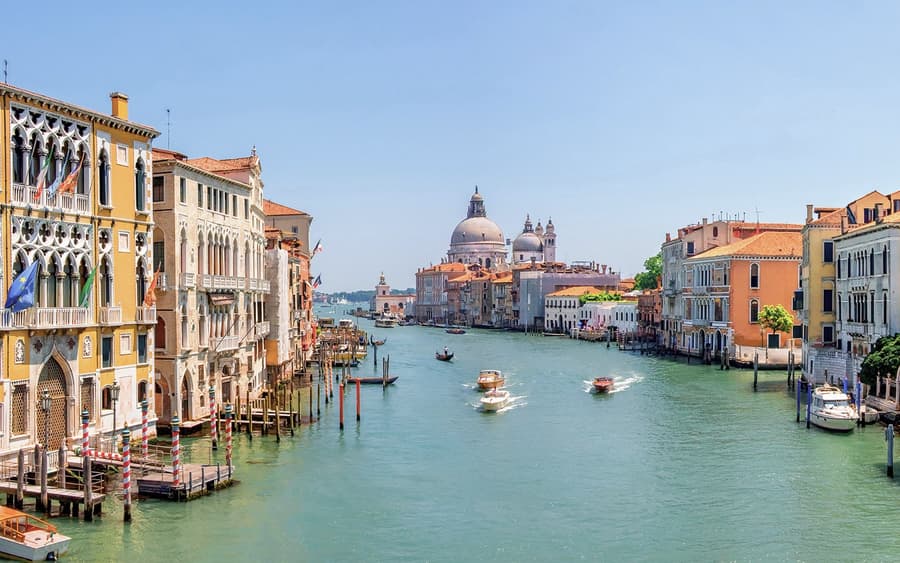
  • Gondola ride along the Grand Canal (combo ticket available with walking tour)

  • Murano Island glass-blowing demonstrations and Venetian artisan mask workshops (book via tickadoo)

  • Colorful photo stroll in Burano and heritage trails on Torcello

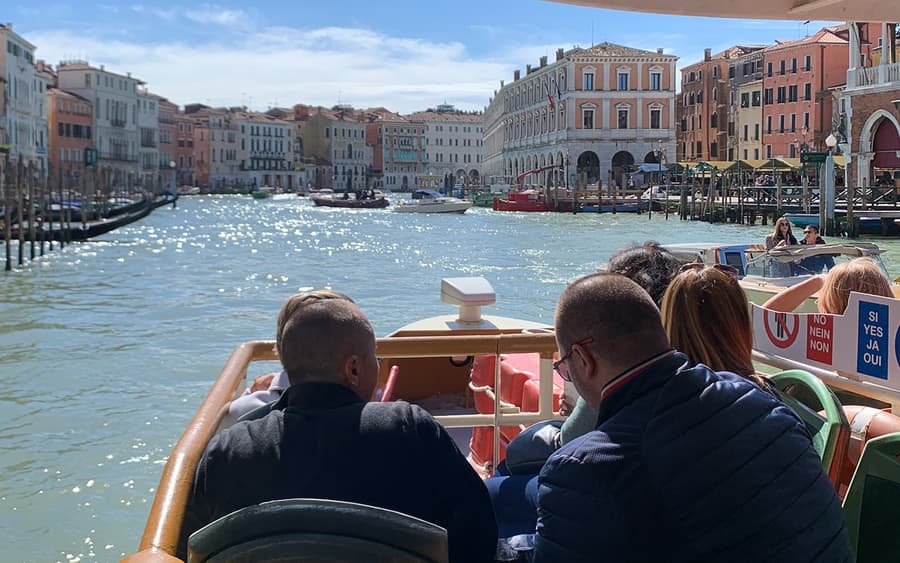
  • Venice Lagoon hop-on hop-off boat tour with audio guide covering Venice and Murano

  • Chocolate tastings in San Polo’s gourmet shops

  • Hidden gems tour: secret squares, Marco Polo’s House, and the quiet Fondamenta Nove

Tickets and passes in Venice

Book Venice attraction tickets and passes in advance to save time and money.

  • Venice Turbopass City Card: Digital pass covering 30+ attractions, museums, walking and boat tours, and more. Includes fast-track entry at major sights. Excellent for first-timers or culture fans.

  • Venice Museums Pass: Offers entry to Doge’s Palace, Museo Correr, La Fenice Theatre tour, three museums, three churches, and Querini Stampalia Foundation.

  • Venice Walking Tour & Gondola Ride Combo: See Venetian alleys and canals with one ticket—includes guided walk plus gondola experience.

  • Hop-On Hop-Off Boat Tour: Flexible sightseeing on Venice and Murano routes, with an audio guide included. Great for families or those who want to skip vaporetto crowds.

  • St. Mark's Basilica Night Tour & Doge's Palace Tickets: Access after-hours with fewer crowds, sometimes included in premium pass packages.

If you plan to visit two or more paid attractions in Venice within a couple of days, using a city pass or combo ticket often provides the best value and helps secure entry at busy times.

Getting around Venice by vaporetto, foot and ferry

Venice has no cars. The city’s ACTV vaporetto (waterbus) network, footpaths, and ferries connect major islands and neighborhoods efficiently.

  • ACTV Vaporetto lines: Main waterbus routes 1 (Grand Canal local) and 2 (Grand Canal express), 3 (Murano), 4.1/4.2 and 5.1/5.2 (circular lines), N (night service)

  • Fare payment: Venezia Unica card—buy and top up online or at ticket points, valid on vaporetti and city buses (Mestre, Lido)

  • Airport to city: Alilaguna Blue Line from Marco Polo Airport to Fondamenta Nove, San Marco, and Lido (45–75 minutes)

  • Tronchetto & Piazzale Roma: Car parking and bus/taxi connections; transfer from these points by vaporetto or people mover to canals

  • Walking: All central Venice neighborhoods are pedestrian, with sign-posted routes to St. Mark’s, Rialto, and Santa Lucia station; allow time for bridges and crowds

  • Giudecca and Lido: Reached by dedicated vaporetto routes; bring ACTV ticket or pass for quick boarding

  • Night travel: Line N operates after midnight; plan ahead as service is less frequent than daytime

Tip: Water taxis are faster but far more expensive than vaporetti. For savings, choose a flat-rate ACTV pass if you’re visiting several islands or sights in one day.

When is the best time to visit Venice?

Venice is captivating year-round, but spring (April to June) means mild weather and moderate crowds, with highs between 17-24°C. Autumn (September to October) offers crisp days and artistic festivals. Avoid July-August if you dislike heat (above 29°C) and major crowds. Winter is atmospheric with quiet canals and the famous Carnevale, but some sights may operate limited hours.

How many days do you need in Venice?

Two days in Venice lets you cover St. Mark’s Basilica, Doge’s Palace, the Rialto Bridge, and a gondola ride. With three or four days, add islands like Murano and Burano, Museum Correr, and neighborhood walks in Dorsoduro. A longer stay means more time for workshops and in-depth food or art tours.

Is the Venice Turbopass City Card worth it?

The Venice Turbopass City Card pays off if you plan to visit Doge’s Palace, St. Mark’s Basilica, museums, islands, and take a tour or two within 2-3 days. If you prefer lingering in neighborhoods and free sights, single attraction tickets and vaporetto passes may be better value.

What are the must-see attractions in Venice?

Doge’s Palace, St. Mark’s Basilica, Rialto Bridge, Museum Correr, and La Fenice Theatre top the list. Add Murano for glass-blowing, Burano for vivid houses, and a gondola ride for signature Venice views. Scala Contarini del Bovolo and artisan workshops offer unique, off-the-beaten-path experiences for return visitors.

Do I need to book Doge's Palace tickets in advance?

Advance booking for Doge’s Palace is highly recommended, especially in high season, as daily visitor slots sell out quickly. Booking ahead secures your preferred time and can help you skip long lines at the entrance. Combo tickets with St. Mark’s Basilica provide added flexibility.

How do I get from Venice Marco Polo Airport (VCE) to the historic center?

From VCE, the Alilaguna Blue Line boat connects the airport to Fondamenta Nove, San Marco, and Lido in 45-75 minutes. ACTV buses run to Piazzale Roma (25 minutes). Private water taxis are fastest but costly. Shuttle buses to Mestre offer a cheaper option if staying on the mainland.

Where should I stay in Venice?

San Marco is perfect for first-timers near major sites; Dorsoduro suits art lovers; Cannaregio is local and lively; Castello is quiet and near gardens; San Polo is best for markets. Giudecca and Murano offer tranquil, scenic stays away from the main crowds.

What is Venice known for?

Venice is world-famous for its network of romantic canals, centuries-old architecture, the masked Carnevale, and artisan crafts like Murano glass and traditional mask-making. The city’s unique location in the lagoon, historic landmarks, and vibrant art scene set it apart from any other European destination.


Venice quick facts: airports, train stations and maps

Plan your days with these essential travel details for Venice, Italy.

  • Region/Country: Veneto, Italy

  • Airports: Venice Marco Polo Airport (VCE)

  • Main stations/hubs: Venezia Santa Lucia (trains), Piazzale Roma (bus connections), Tronchetto (parking & ferry access)

  • Public transport: ACTV vaporetto (waterbuses), Alilaguna airport boat, water taxis, traghetti gondola ferries

  • Paying fares: Venezia Unica card for boat/bus/ticketing; single, day, and multi-day passes available

  • Coordinates: 45.4408° N, 12.3155° E

  • Popular neighborhoods: San Marco (iconic sights), Cannaregio (local life), Dorsoduro (art & academia), Castello (gardens & churches), San Polo (markets), Santa Croce (transport hub), Giudecca (island views), Murano (glass artisans)

Latest update: ACTV vaporetto lines have added more frequent service for lines 1 and 2 during high season. Buy your Venezia Unica pass online to skip long queue times at main ticket booths.

Top things to do in Venice

Start with Venice's icons, then add a neighborhood walk or workshop for a local twist.

  • Doge's Palace tickets with skip-the-line entry for fast access to the Renaissance chambers and the Bridge of Sighs

  • St. Mark's Basilica with optional night tours for an illuminated gold-mosaic experience

  • Museum Correr in St. Mark's Square for imperial history and grand salons

  • Scala Contarini del Bovolo's spiral staircase hidden off Campo Manin

  • La Fenice Theatre backstage tour, plus special access with the Venice Museums Pass

  • Rialto Bridge and the bustling Rialto Market for centuries-old trade

  • Gondola ride along the Grand Canal (combo ticket available with walking tour)

  • Murano Island glass-blowing demonstrations and Venetian artisan mask workshops (book via tickadoo)

  • Colorful photo stroll in Burano and heritage trails on Torcello

  • Venice Lagoon hop-on hop-off boat tour with audio guide covering Venice and Murano

  • Chocolate tastings in San Polo’s gourmet shops

  • Hidden gems tour: secret squares, Marco Polo’s House, and the quiet Fondamenta Nove

Tickets and passes in Venice

Book Venice attraction tickets and passes in advance to save time and money.

  • Venice Turbopass City Card: Digital pass covering 30+ attractions, museums, walking and boat tours, and more. Includes fast-track entry at major sights. Excellent for first-timers or culture fans.

  • Venice Museums Pass: Offers entry to Doge’s Palace, Museo Correr, La Fenice Theatre tour, three museums, three churches, and Querini Stampalia Foundation.

  • Venice Walking Tour & Gondola Ride Combo: See Venetian alleys and canals with one ticket—includes guided walk plus gondola experience.

  • Hop-On Hop-Off Boat Tour: Flexible sightseeing on Venice and Murano routes, with an audio guide included. Great for families or those who want to skip vaporetto crowds.

  • St. Mark's Basilica Night Tour & Doge's Palace Tickets: Access after-hours with fewer crowds, sometimes included in premium pass packages.

If you plan to visit two or more paid attractions in Venice within a couple of days, using a city pass or combo ticket often provides the best value and helps secure entry at busy times.

Getting around Venice by vaporetto, foot and ferry

Venice has no cars. The city’s ACTV vaporetto (waterbus) network, footpaths, and ferries connect major islands and neighborhoods efficiently.

  • ACTV Vaporetto lines: Main waterbus routes 1 (Grand Canal local) and 2 (Grand Canal express), 3 (Murano), 4.1/4.2 and 5.1/5.2 (circular lines), N (night service)

  • Fare payment: Venezia Unica card—buy and top up online or at ticket points, valid on vaporetti and city buses (Mestre, Lido)

  • Airport to city: Alilaguna Blue Line from Marco Polo Airport to Fondamenta Nove, San Marco, and Lido (45–75 minutes)

  • Tronchetto & Piazzale Roma: Car parking and bus/taxi connections; transfer from these points by vaporetto or people mover to canals

  • Walking: All central Venice neighborhoods are pedestrian, with sign-posted routes to St. Mark’s, Rialto, and Santa Lucia station; allow time for bridges and crowds

  • Giudecca and Lido: Reached by dedicated vaporetto routes; bring ACTV ticket or pass for quick boarding

  • Night travel: Line N operates after midnight; plan ahead as service is less frequent than daytime

Tip: Water taxis are faster but far more expensive than vaporetti. For savings, choose a flat-rate ACTV pass if you’re visiting several islands or sights in one day.

When is the best time to visit Venice?

Venice is captivating year-round, but spring (April to June) means mild weather and moderate crowds, with highs between 17-24°C. Autumn (September to October) offers crisp days and artistic festivals. Avoid July-August if you dislike heat (above 29°C) and major crowds. Winter is atmospheric with quiet canals and the famous Carnevale, but some sights may operate limited hours.

How many days do you need in Venice?

Two days in Venice lets you cover St. Mark’s Basilica, Doge’s Palace, the Rialto Bridge, and a gondola ride. With three or four days, add islands like Murano and Burano, Museum Correr, and neighborhood walks in Dorsoduro. A longer stay means more time for workshops and in-depth food or art tours.

Is the Venice Turbopass City Card worth it?

The Venice Turbopass City Card pays off if you plan to visit Doge’s Palace, St. Mark’s Basilica, museums, islands, and take a tour or two within 2-3 days. If you prefer lingering in neighborhoods and free sights, single attraction tickets and vaporetto passes may be better value.

What are the must-see attractions in Venice?

Doge’s Palace, St. Mark’s Basilica, Rialto Bridge, Museum Correr, and La Fenice Theatre top the list. Add Murano for glass-blowing, Burano for vivid houses, and a gondola ride for signature Venice views. Scala Contarini del Bovolo and artisan workshops offer unique, off-the-beaten-path experiences for return visitors.

Do I need to book Doge's Palace tickets in advance?

Advance booking for Doge’s Palace is highly recommended, especially in high season, as daily visitor slots sell out quickly. Booking ahead secures your preferred time and can help you skip long lines at the entrance. Combo tickets with St. Mark’s Basilica provide added flexibility.

How do I get from Venice Marco Polo Airport (VCE) to the historic center?

From VCE, the Alilaguna Blue Line boat connects the airport to Fondamenta Nove, San Marco, and Lido in 45-75 minutes. ACTV buses run to Piazzale Roma (25 minutes). Private water taxis are fastest but costly. Shuttle buses to Mestre offer a cheaper option if staying on the mainland.

Where should I stay in Venice?

San Marco is perfect for first-timers near major sites; Dorsoduro suits art lovers; Cannaregio is local and lively; Castello is quiet and near gardens; San Polo is best for markets. Giudecca and Murano offer tranquil, scenic stays away from the main crowds.

What is Venice known for?

Venice is world-famous for its network of romantic canals, centuries-old architecture, the masked Carnevale, and artisan crafts like Murano glass and traditional mask-making. The city’s unique location in the lagoon, historic landmarks, and vibrant art scene set it apart from any other European destination.


Venice quick facts: airports, train stations and maps

Plan your days with these essential travel details for Venice, Italy.

  • Region/Country: Veneto, Italy

  • Airports: Venice Marco Polo Airport (VCE)

  • Main stations/hubs: Venezia Santa Lucia (trains), Piazzale Roma (bus connections), Tronchetto (parking & ferry access)

  • Public transport: ACTV vaporetto (waterbuses), Alilaguna airport boat, water taxis, traghetti gondola ferries

  • Paying fares: Venezia Unica card for boat/bus/ticketing; single, day, and multi-day passes available

  • Coordinates: 45.4408° N, 12.3155° E

  • Popular neighborhoods: San Marco (iconic sights), Cannaregio (local life), Dorsoduro (art & academia), Castello (gardens & churches), San Polo (markets), Santa Croce (transport hub), Giudecca (island views), Murano (glass artisans)

Latest update: ACTV vaporetto lines have added more frequent service for lines 1 and 2 during high season. Buy your Venezia Unica pass online to skip long queue times at main ticket booths.

Top things to do in Venice

Start with Venice's icons, then add a neighborhood walk or workshop for a local twist.

  • Doge's Palace tickets with skip-the-line entry for fast access to the Renaissance chambers and the Bridge of Sighs

  • St. Mark's Basilica with optional night tours for an illuminated gold-mosaic experience

  • Museum Correr in St. Mark's Square for imperial history and grand salons

  • Scala Contarini del Bovolo's spiral staircase hidden off Campo Manin

  • La Fenice Theatre backstage tour, plus special access with the Venice Museums Pass

  • Rialto Bridge and the bustling Rialto Market for centuries-old trade

  • Gondola ride along the Grand Canal (combo ticket available with walking tour)

  • Murano Island glass-blowing demonstrations and Venetian artisan mask workshops (book via tickadoo)

  • Colorful photo stroll in Burano and heritage trails on Torcello

  • Venice Lagoon hop-on hop-off boat tour with audio guide covering Venice and Murano

  • Chocolate tastings in San Polo’s gourmet shops

  • Hidden gems tour: secret squares, Marco Polo’s House, and the quiet Fondamenta Nove

Tickets and passes in Venice

Book Venice attraction tickets and passes in advance to save time and money.

  • Venice Turbopass City Card: Digital pass covering 30+ attractions, museums, walking and boat tours, and more. Includes fast-track entry at major sights. Excellent for first-timers or culture fans.

  • Venice Museums Pass: Offers entry to Doge’s Palace, Museo Correr, La Fenice Theatre tour, three museums, three churches, and Querini Stampalia Foundation.

  • Venice Walking Tour & Gondola Ride Combo: See Venetian alleys and canals with one ticket—includes guided walk plus gondola experience.

  • Hop-On Hop-Off Boat Tour: Flexible sightseeing on Venice and Murano routes, with an audio guide included. Great for families or those who want to skip vaporetto crowds.

  • St. Mark's Basilica Night Tour & Doge's Palace Tickets: Access after-hours with fewer crowds, sometimes included in premium pass packages.

If you plan to visit two or more paid attractions in Venice within a couple of days, using a city pass or combo ticket often provides the best value and helps secure entry at busy times.

Getting around Venice by vaporetto, foot and ferry

Venice has no cars. The city’s ACTV vaporetto (waterbus) network, footpaths, and ferries connect major islands and neighborhoods efficiently.

  • ACTV Vaporetto lines: Main waterbus routes 1 (Grand Canal local) and 2 (Grand Canal express), 3 (Murano), 4.1/4.2 and 5.1/5.2 (circular lines), N (night service)

  • Fare payment: Venezia Unica card—buy and top up online or at ticket points, valid on vaporetti and city buses (Mestre, Lido)

  • Airport to city: Alilaguna Blue Line from Marco Polo Airport to Fondamenta Nove, San Marco, and Lido (45–75 minutes)

  • Tronchetto & Piazzale Roma: Car parking and bus/taxi connections; transfer from these points by vaporetto or people mover to canals

  • Walking: All central Venice neighborhoods are pedestrian, with sign-posted routes to St. Mark’s, Rialto, and Santa Lucia station; allow time for bridges and crowds

  • Giudecca and Lido: Reached by dedicated vaporetto routes; bring ACTV ticket or pass for quick boarding

  • Night travel: Line N operates after midnight; plan ahead as service is less frequent than daytime

Tip: Water taxis are faster but far more expensive than vaporetti. For savings, choose a flat-rate ACTV pass if you’re visiting several islands or sights in one day.

When is the best time to visit Venice?

Venice is captivating year-round, but spring (April to June) means mild weather and moderate crowds, with highs between 17-24°C. Autumn (September to October) offers crisp days and artistic festivals. Avoid July-August if you dislike heat (above 29°C) and major crowds. Winter is atmospheric with quiet canals and the famous Carnevale, but some sights may operate limited hours.

How many days do you need in Venice?

Two days in Venice lets you cover St. Mark’s Basilica, Doge’s Palace, the Rialto Bridge, and a gondola ride. With three or four days, add islands like Murano and Burano, Museum Correr, and neighborhood walks in Dorsoduro. A longer stay means more time for workshops and in-depth food or art tours.

Is the Venice Turbopass City Card worth it?

The Venice Turbopass City Card pays off if you plan to visit Doge’s Palace, St. Mark’s Basilica, museums, islands, and take a tour or two within 2-3 days. If you prefer lingering in neighborhoods and free sights, single attraction tickets and vaporetto passes may be better value.

What are the must-see attractions in Venice?

Doge’s Palace, St. Mark’s Basilica, Rialto Bridge, Museum Correr, and La Fenice Theatre top the list. Add Murano for glass-blowing, Burano for vivid houses, and a gondola ride for signature Venice views. Scala Contarini del Bovolo and artisan workshops offer unique, off-the-beaten-path experiences for return visitors.

Do I need to book Doge's Palace tickets in advance?

Advance booking for Doge’s Palace is highly recommended, especially in high season, as daily visitor slots sell out quickly. Booking ahead secures your preferred time and can help you skip long lines at the entrance. Combo tickets with St. Mark’s Basilica provide added flexibility.

How do I get from Venice Marco Polo Airport (VCE) to the historic center?

From VCE, the Alilaguna Blue Line boat connects the airport to Fondamenta Nove, San Marco, and Lido in 45-75 minutes. ACTV buses run to Piazzale Roma (25 minutes). Private water taxis are fastest but costly. Shuttle buses to Mestre offer a cheaper option if staying on the mainland.

Where should I stay in Venice?

San Marco is perfect for first-timers near major sites; Dorsoduro suits art lovers; Cannaregio is local and lively; Castello is quiet and near gardens; San Polo is best for markets. Giudecca and Murano offer tranquil, scenic stays away from the main crowds.

What is Venice known for?

Venice is world-famous for its network of romantic canals, centuries-old architecture, the masked Carnevale, and artisan crafts like Murano glass and traditional mask-making. The city’s unique location in the lagoon, historic landmarks, and vibrant art scene set it apart from any other European destination.


Venice quick facts: airports, train stations and maps

Plan your days with these essential travel details for Venice, Italy.

  • Region/Country: Veneto, Italy

  • Airports: Venice Marco Polo Airport (VCE)

  • Main stations/hubs: Venezia Santa Lucia (trains), Piazzale Roma (bus connections), Tronchetto (parking & ferry access)

  • Public transport: ACTV vaporetto (waterbuses), Alilaguna airport boat, water taxis, traghetti gondola ferries

  • Paying fares: Venezia Unica card for boat/bus/ticketing; single, day, and multi-day passes available

  • Coordinates: 45.4408° N, 12.3155° E

  • Popular neighborhoods: San Marco (iconic sights), Cannaregio (local life), Dorsoduro (art & academia), Castello (gardens & churches), San Polo (markets), Santa Croce (transport hub), Giudecca (island views), Murano (glass artisans)

Latest update: ACTV vaporetto lines have added more frequent service for lines 1 and 2 during high season. Buy your Venezia Unica pass online to skip long queue times at main ticket booths.

Top things to do in Venice

Start with Venice's icons, then add a neighborhood walk or workshop for a local twist.

  • Doge's Palace tickets with skip-the-line entry for fast access to the Renaissance chambers and the Bridge of Sighs

  • St. Mark's Basilica with optional night tours for an illuminated gold-mosaic experience

  • Museum Correr in St. Mark's Square for imperial history and grand salons

  • Scala Contarini del Bovolo's spiral staircase hidden off Campo Manin

  • La Fenice Theatre backstage tour, plus special access with the Venice Museums Pass

  • Rialto Bridge and the bustling Rialto Market for centuries-old trade

  • Gondola ride along the Grand Canal (combo ticket available with walking tour)

  • Murano Island glass-blowing demonstrations and Venetian artisan mask workshops (book via tickadoo)

  • Colorful photo stroll in Burano and heritage trails on Torcello

  • Venice Lagoon hop-on hop-off boat tour with audio guide covering Venice and Murano

  • Chocolate tastings in San Polo’s gourmet shops

  • Hidden gems tour: secret squares, Marco Polo’s House, and the quiet Fondamenta Nove

Tickets and passes in Venice

Book Venice attraction tickets and passes in advance to save time and money.

  • Venice Turbopass City Card: Digital pass covering 30+ attractions, museums, walking and boat tours, and more. Includes fast-track entry at major sights. Excellent for first-timers or culture fans.

  • Venice Museums Pass: Offers entry to Doge’s Palace, Museo Correr, La Fenice Theatre tour, three museums, three churches, and Querini Stampalia Foundation.

  • Venice Walking Tour & Gondola Ride Combo: See Venetian alleys and canals with one ticket—includes guided walk plus gondola experience.

  • Hop-On Hop-Off Boat Tour: Flexible sightseeing on Venice and Murano routes, with an audio guide included. Great for families or those who want to skip vaporetto crowds.

  • St. Mark's Basilica Night Tour & Doge's Palace Tickets: Access after-hours with fewer crowds, sometimes included in premium pass packages.

If you plan to visit two or more paid attractions in Venice within a couple of days, using a city pass or combo ticket often provides the best value and helps secure entry at busy times.

Getting around Venice by vaporetto, foot and ferry

Venice has no cars. The city’s ACTV vaporetto (waterbus) network, footpaths, and ferries connect major islands and neighborhoods efficiently.

  • ACTV Vaporetto lines: Main waterbus routes 1 (Grand Canal local) and 2 (Grand Canal express), 3 (Murano), 4.1/4.2 and 5.1/5.2 (circular lines), N (night service)

  • Fare payment: Venezia Unica card—buy and top up online or at ticket points, valid on vaporetti and city buses (Mestre, Lido)

  • Airport to city: Alilaguna Blue Line from Marco Polo Airport to Fondamenta Nove, San Marco, and Lido (45–75 minutes)

  • Tronchetto & Piazzale Roma: Car parking and bus/taxi connections; transfer from these points by vaporetto or people mover to canals

  • Walking: All central Venice neighborhoods are pedestrian, with sign-posted routes to St. Mark’s, Rialto, and Santa Lucia station; allow time for bridges and crowds

  • Giudecca and Lido: Reached by dedicated vaporetto routes; bring ACTV ticket or pass for quick boarding

  • Night travel: Line N operates after midnight; plan ahead as service is less frequent than daytime

Tip: Water taxis are faster but far more expensive than vaporetti. For savings, choose a flat-rate ACTV pass if you’re visiting several islands or sights in one day.

When is the best time to visit Venice?

Venice is captivating year-round, but spring (April to June) means mild weather and moderate crowds, with highs between 17-24°C. Autumn (September to October) offers crisp days and artistic festivals. Avoid July-August if you dislike heat (above 29°C) and major crowds. Winter is atmospheric with quiet canals and the famous Carnevale, but some sights may operate limited hours.

How many days do you need in Venice?

Two days in Venice lets you cover St. Mark’s Basilica, Doge’s Palace, the Rialto Bridge, and a gondola ride. With three or four days, add islands like Murano and Burano, Museum Correr, and neighborhood walks in Dorsoduro. A longer stay means more time for workshops and in-depth food or art tours.

Is the Venice Turbopass City Card worth it?

The Venice Turbopass City Card pays off if you plan to visit Doge’s Palace, St. Mark’s Basilica, museums, islands, and take a tour or two within 2-3 days. If you prefer lingering in neighborhoods and free sights, single attraction tickets and vaporetto passes may be better value.

What are the must-see attractions in Venice?

Doge’s Palace, St. Mark’s Basilica, Rialto Bridge, Museum Correr, and La Fenice Theatre top the list. Add Murano for glass-blowing, Burano for vivid houses, and a gondola ride for signature Venice views. Scala Contarini del Bovolo and artisan workshops offer unique, off-the-beaten-path experiences for return visitors.

Do I need to book Doge's Palace tickets in advance?

Advance booking for Doge’s Palace is highly recommended, especially in high season, as daily visitor slots sell out quickly. Booking ahead secures your preferred time and can help you skip long lines at the entrance. Combo tickets with St. Mark’s Basilica provide added flexibility.

How do I get from Venice Marco Polo Airport (VCE) to the historic center?

From VCE, the Alilaguna Blue Line boat connects the airport to Fondamenta Nove, San Marco, and Lido in 45-75 minutes. ACTV buses run to Piazzale Roma (25 minutes). Private water taxis are fastest but costly. Shuttle buses to Mestre offer a cheaper option if staying on the mainland.

Where should I stay in Venice?

San Marco is perfect for first-timers near major sites; Dorsoduro suits art lovers; Cannaregio is local and lively; Castello is quiet and near gardens; San Polo is best for markets. Giudecca and Murano offer tranquil, scenic stays away from the main crowds.

What is Venice known for?

Venice is world-famous for its network of romantic canals, centuries-old architecture, the masked Carnevale, and artisan crafts like Murano glass and traditional mask-making. The city’s unique location in the lagoon, historic landmarks, and vibrant art scene set it apart from any other European destination.