What's Trending in Cordoba

What's Trending in Cordoba

What's Trending in
Cordoba

Cordoba pairs its shimmering Mezquita-Catedral arches with quiet patios scented by orange blossoms and courtyard fountains. Use this Cordoba guide to compare mezquita catedral Cordoba tickets, plan a Medina Azahara guided tour, and choose the best Cordoba hop on hop off tickets for stress-free sightseeing.

From the Puente Romano and the Jewish Quarter to San Basilio patios and Palacio de Viana, you can bundle top attractions in Cordoba, pick the right Cordoba all-in-one pass, and schedule day and night experiences before you arrive.

All Cordoba tickets


Cordoba quick facts: airports, stations and maps

Plan your days with these essential details for Cordoba Spain. Knowing how you will arrive, which hubs you will use, and how the historic center is laid out makes it easier to book the best tickets for Cordoba and avoid wasted time.

  • State/Region/Country: Cordoba sits in inland Andalusia, in southern Spain, roughly midway between Seville and Granada.

  • Airports: Cordoba has no commercial airport. The closest major gateways are Malaga Airport AGP on the Costa del Sol and Seville Airport SVQ, with long haul options via Madrid Barajas MAD.

  • Main stations/hubs: The key arrival point is Cordoba railway station, served by RENFE AVE and media distancia trains, a short walk or taxi ride from the Mezquita-Catedral and the Jewish Quarter.

  • Public transport: Within the city the AUCORSA urban bus network covers most districts, including routes linking the station area with the historic center and modern neighborhoods.

  • Paying fares: Local buses typically use single tickets bought from the driver or rechargeable contactless cards sold at kiosks. There is no metro or tram, so most visitors combine walking, buses, and taxis.

  • Coordinates: Cordoba’s historic center lies around 37.884 latitude, -4.779 longitude on the Guadalquivir River.

  • Popular neighbourhoods: The Jewish Quarter around the Mezquita-Catedral, San Basilio with its patios, the area near Plaza del Potro, and the modern streets around Cordoba railway station.

  • Additional context: Cordoba is a compact, mostly flat city on the Guadalquivir plain, with hot summers, mild winters, and easy day trip connections to other Andalusian highlights.

Recent visitors will notice more pedestrianized streets around major sights like the Puente Romano and the Cathedral-Mosque. This makes walking between attractions calmer, but allow a little extra time if you rely on taxis or buses.

Top things to do in Cordoba

Start with Cordoba’s icons, then add patios, riverside walks, and a Medina Azahara guided tour or two to balance your days.

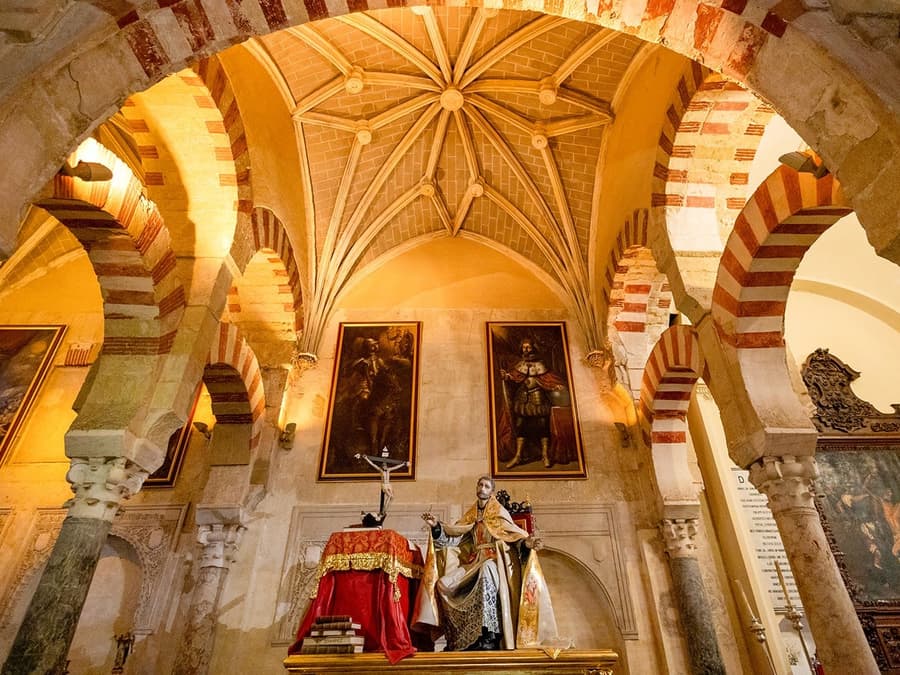
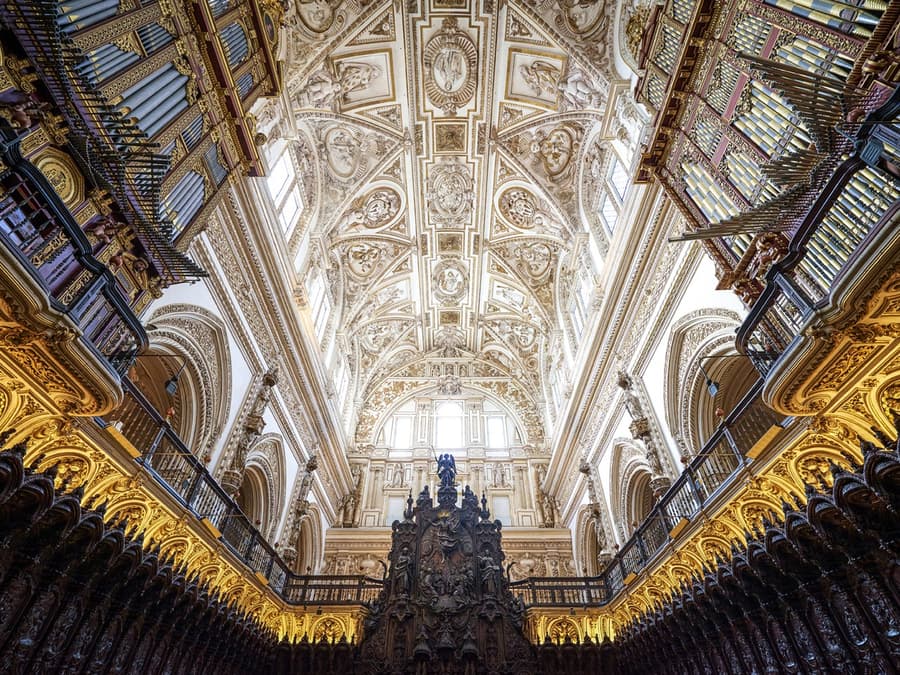
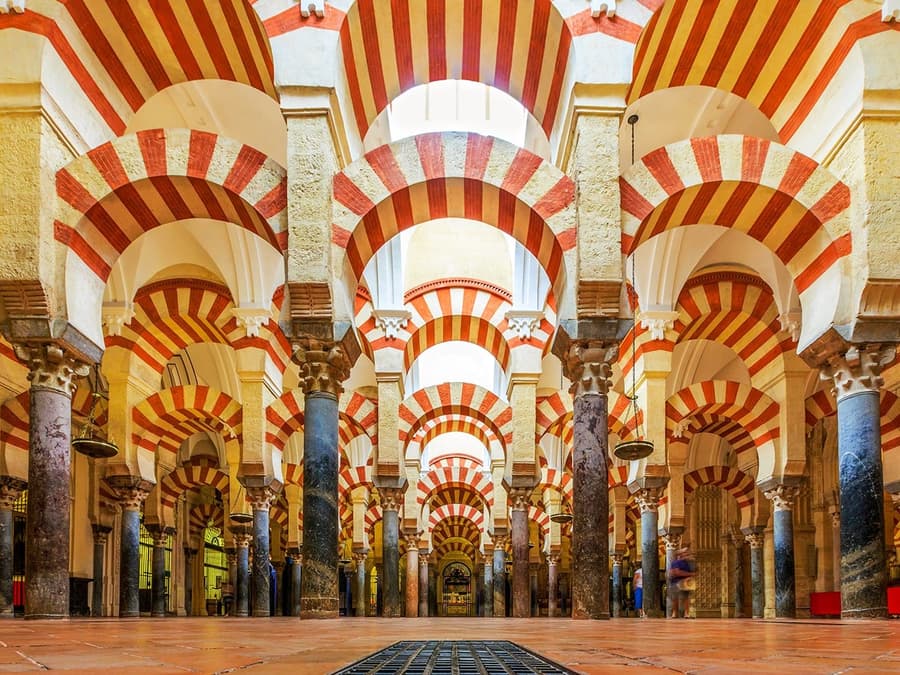
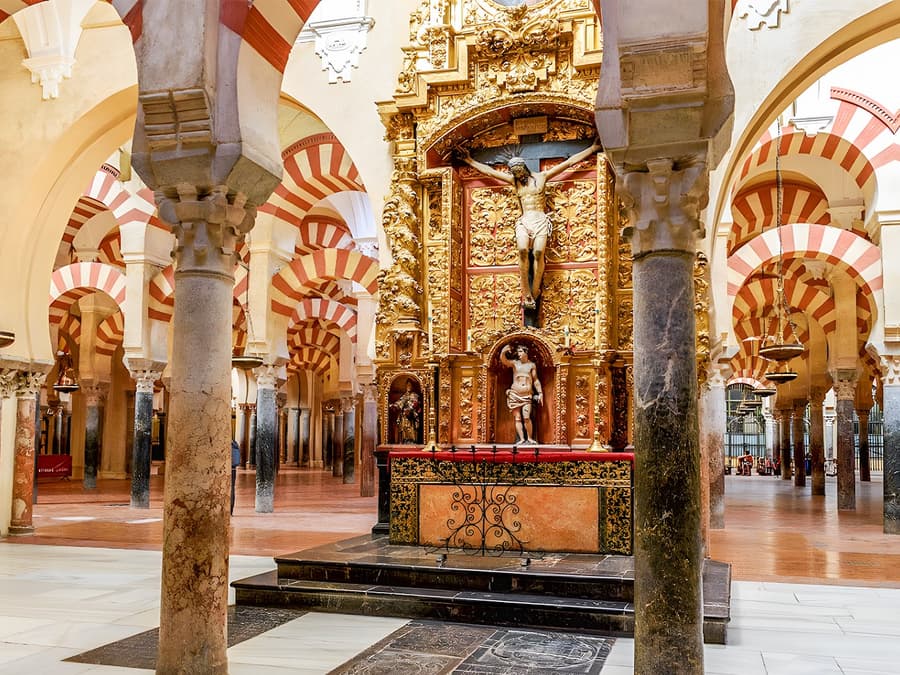
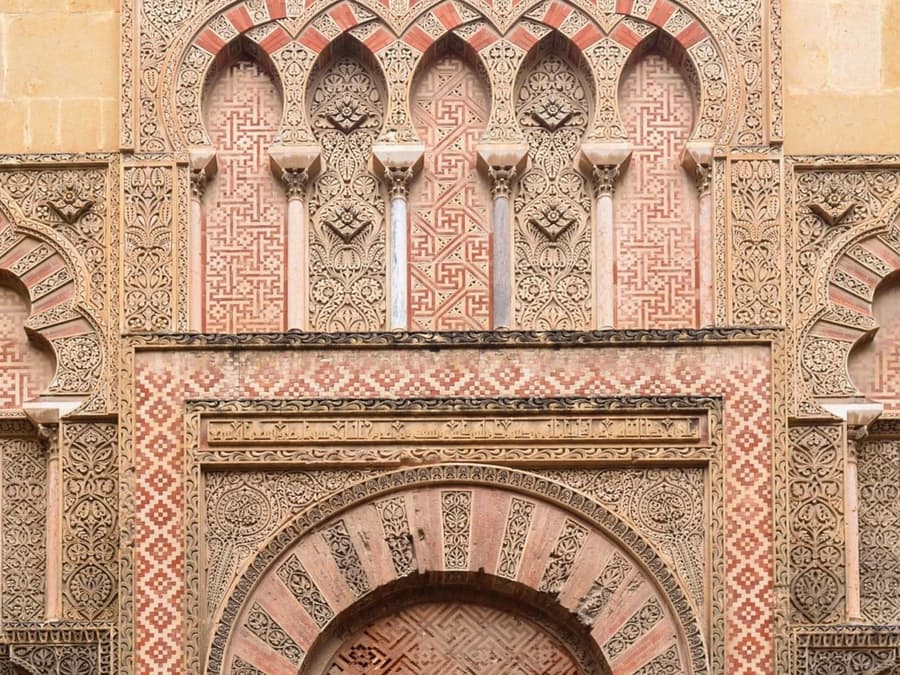
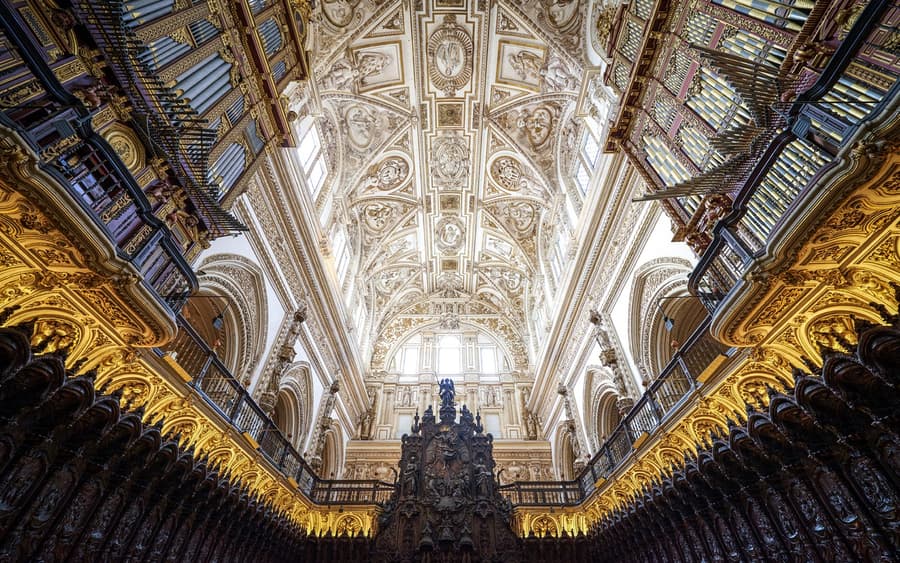
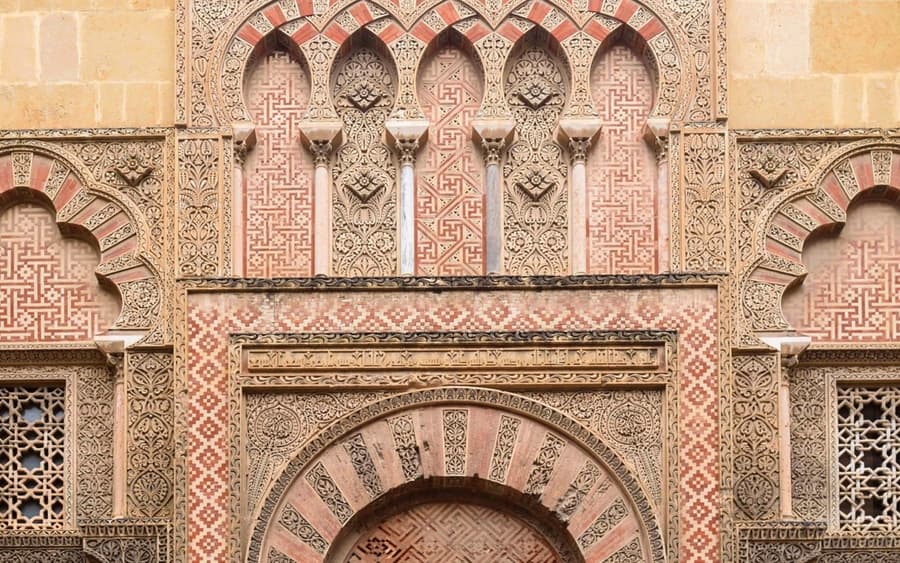
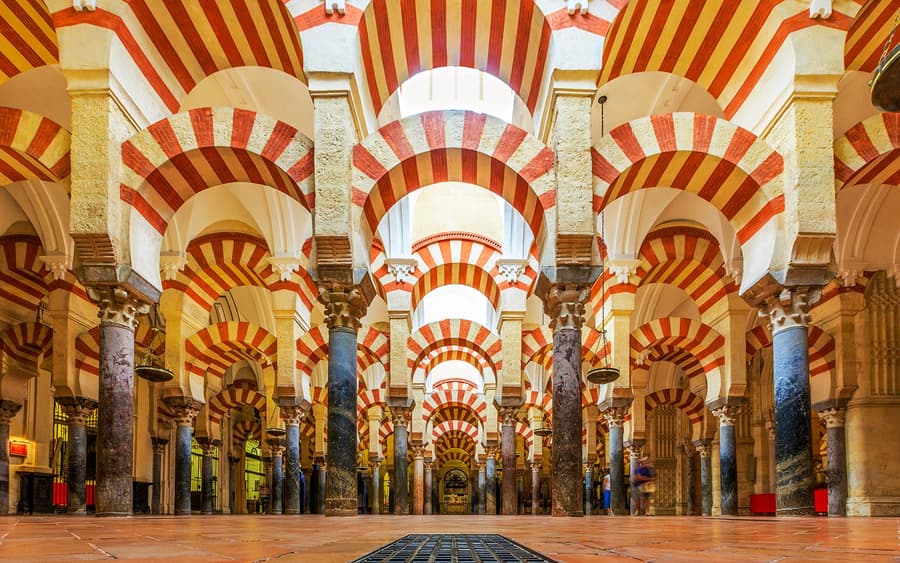
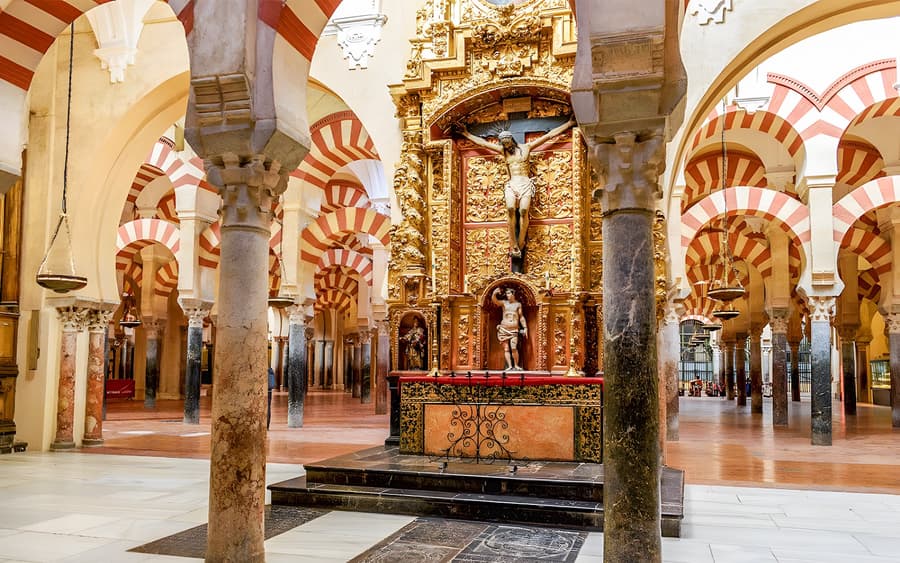
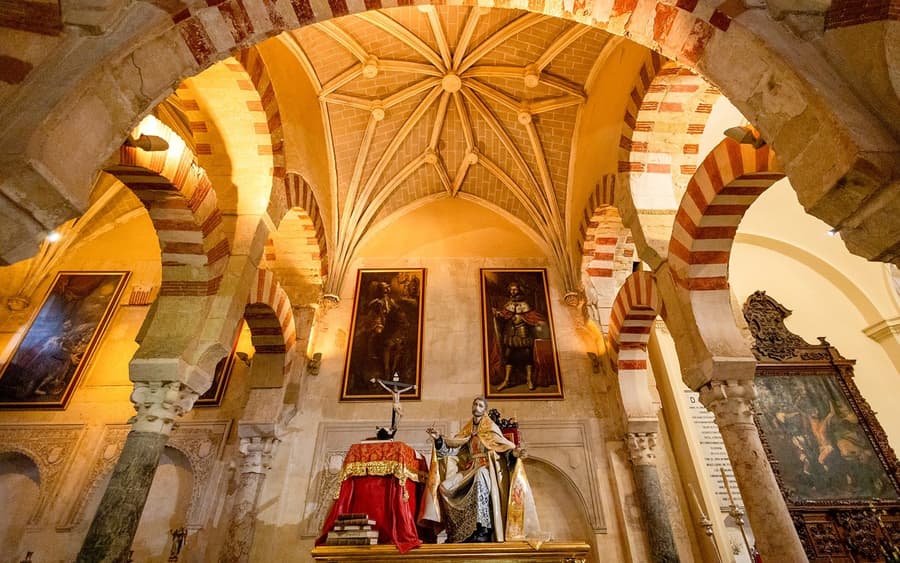
  • Explore the Mezquita-Catedral with skip-the-line Cordoba mosque tickets: Walk beneath its forest of arches, admire intricate mosaics, and pause in the Patio de los Naranjos, ideal with guided mezquita catedral Cordoba tickets.

  • Join a Cordoba cathedral mosque guided tour with the Jewish Quarter: Combine mosque history with narrow lanes, whitewashed houses, and small synagogues on a half or full day itinerary.

  • Stroll across the Puente Romano over the Guadalquivir River: Come at sunset for views of the illuminated Cathedral-Mosque and the old city walls.

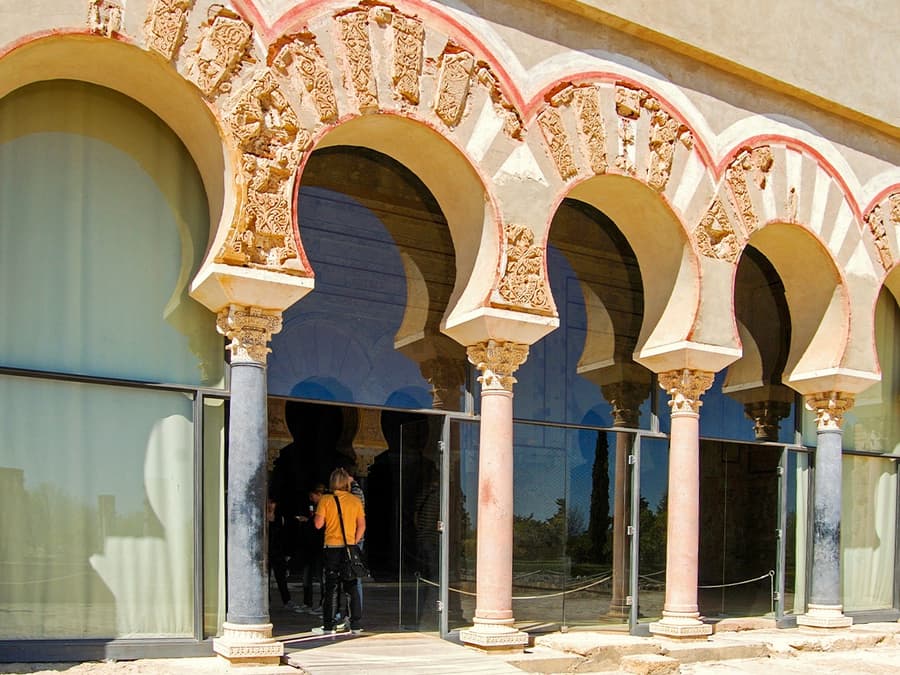
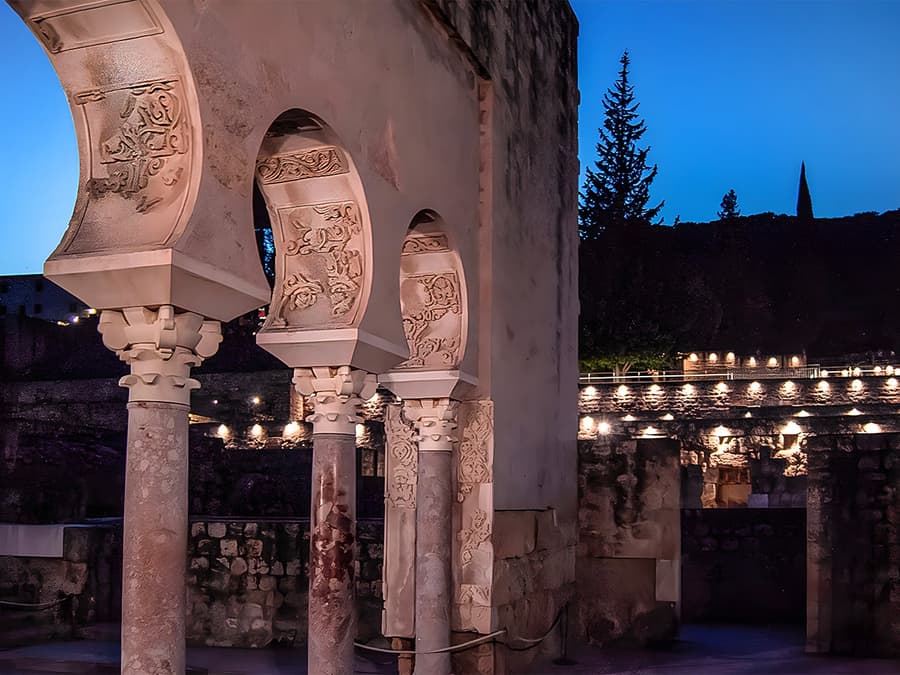
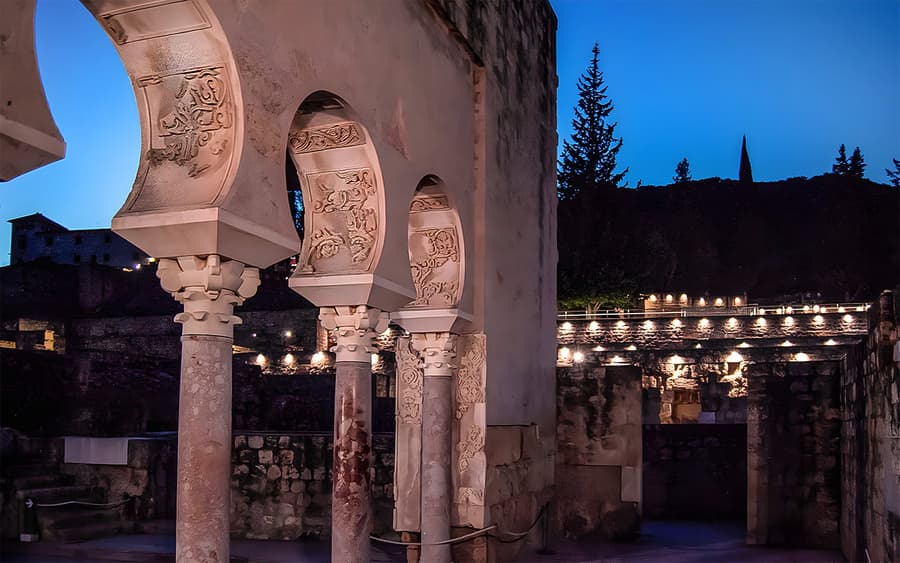
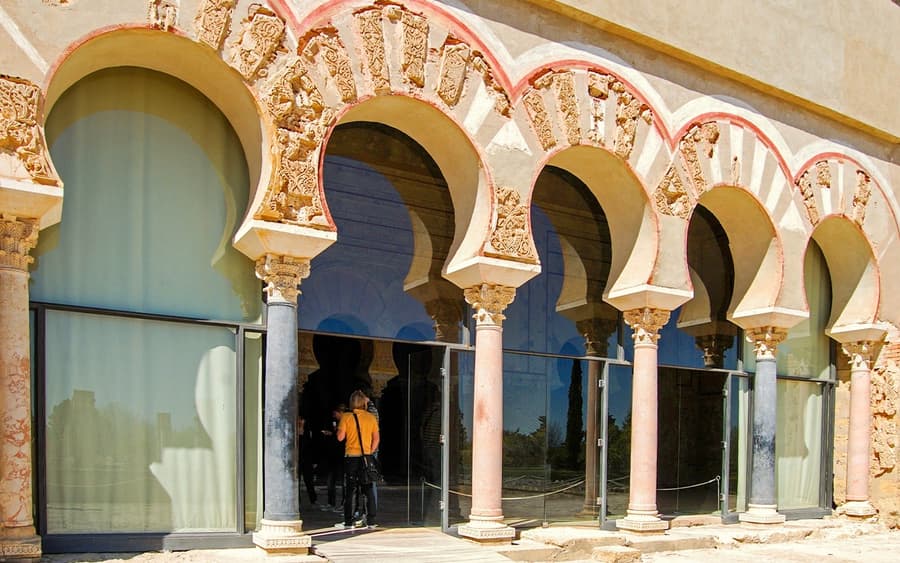
  • Discover Medina Azahara with skip-the-line Cordoba medina azahara tickets: Visit the House of Ya’far, Salon Rico, and Grand Portico on a Medina Azahara guided tour that brings this UNESCO-listed palace city to life.

  • Visit the Roman Temple and nearby squares: See the towering columns that recall Cordoba’s Roman past, then relax in local plazas surrounded by cafes.

  • Tour Palacio de Viana with timed Palacio de Viana tickets Cordoba: Wander through twelve different patios and lush courtyards that show how Cordoba masters garden design.

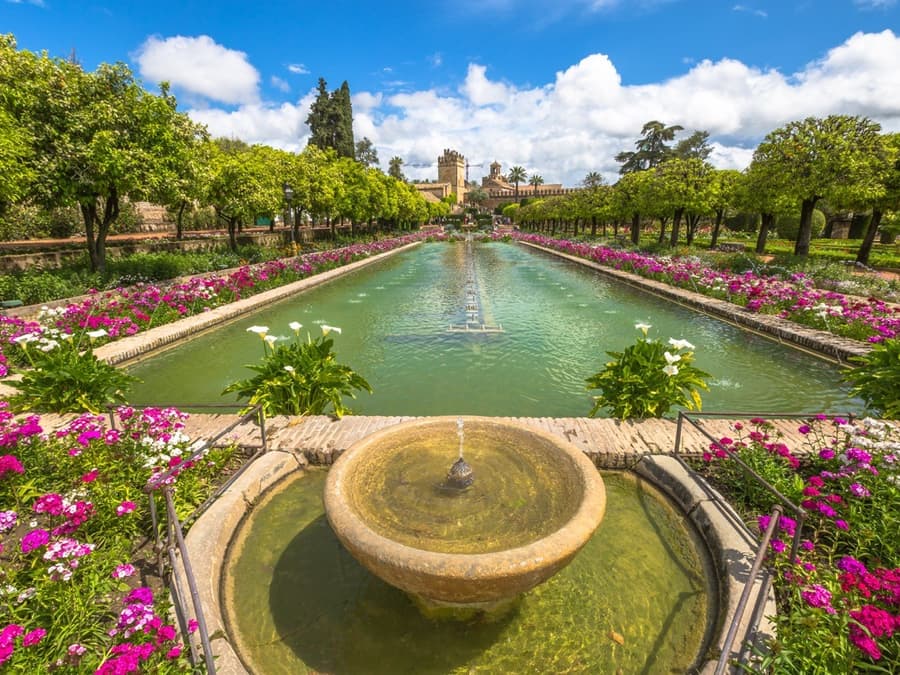
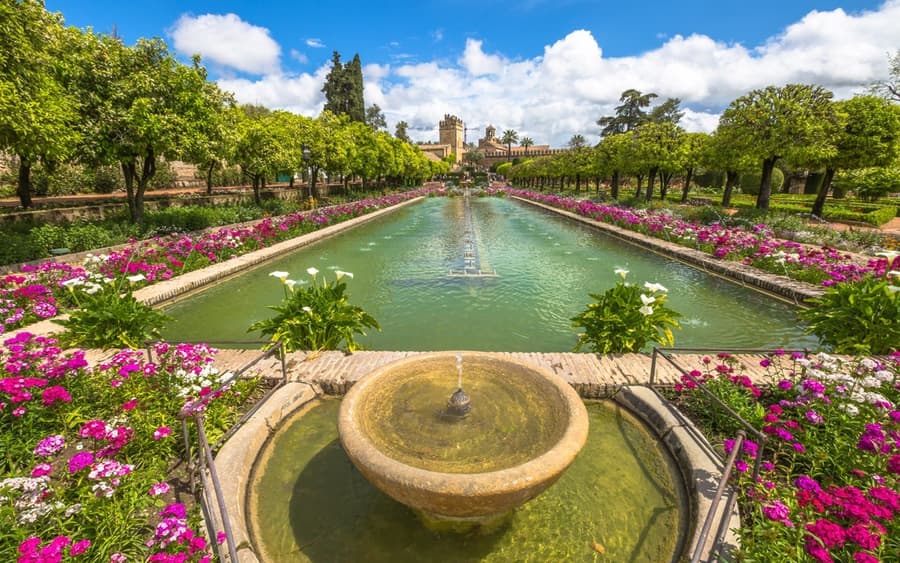
  • Enjoy a Cordoba patio tour in San Basilio: Explore flower-filled courtyards, tiled fountains, and intimate gardens that are among the most photogenic things to do in Cordoba.

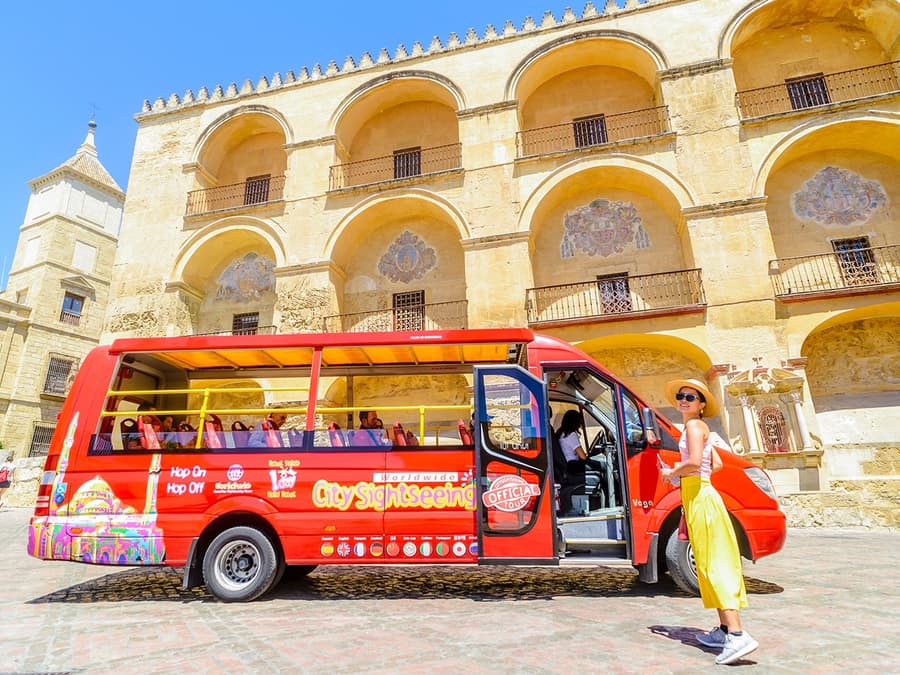
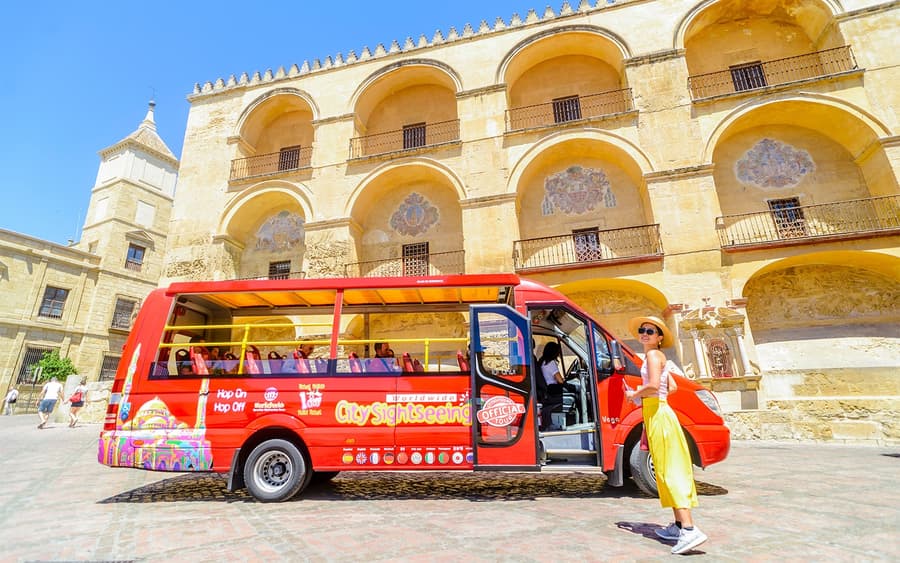
  • Use Cordoba hop on hop off tickets to link key sights: The city sightseeing bus connects the Mezquita-Catedral, Roman Temple, San Basilio patios, Palacio de Viana, and more with 24 or 48 hour passes.

  • Join a guided night walking tour: See Colt Square, the Bridge Gate, and the Puente Romano lit up, and experience quieter streets with a local guide.

  • Relax by the Guadalquivir River: Walk the riverside paths for different angles of Cordoba’s skyline and easy photo stops.

Tickets and city passes in Cordoba

Booking tickets in advance cuts queues, secures peak time slots, and helps you compare the best tickets for Cordoba against simple pay-as-you-go entry.

  • Skip-the-line Cordoba mosque tickets: Reserve mezquita catedral Cordoba tickets online to avoid long lines, especially in spring and autumn. Guided options often include the Patio de los Naranjos and nearby streets.

  • Medina Azahara guided tour tickets: Choose a Cordoba medina azahara skip the line option that includes return transport, entry, and a guide who explains the House of Ya’far and Salon Rico.

  • Cordoba hop on hop off bus pass: Pick 24 or 48 hour Cordoba city sightseeing bus tickets to cover spread-out sights like Palacio de Viana, San Basilio, and the Roman Temple efficiently.

  • Cordoba combo tickets: Look for bundles that pair Mosque-Cathedral entry with a guided night tour of Medina Azahara or with Jewish Quarter walks to save money and planning time.

  • Andalusia Attraction Pass: If you are visiting Seville and Granada as well as Cordoba, an Andalusia attraction pass Cordoba product can combine the Mosque-Cathedral, Alcazar of Seville, and Alhambra on one purchase.

If you plan several paid things to do in Cordoba in two or three days, such as the Cathedral-Mosque, Medina Azahara, and Palacio de Viana, a combo or regional pass often beats buying single tickets at each site.

Getting around Cordoba by bus and on foot

Cordoba is compact enough to cross on foot, while the AUCORSA bus network and the hop on hop off city sightseeing bus help you reach outlying attractions with minimal effort.

  • Walking between major sights: The distance from Cordoba railway station to the Mezquita-Catedral and Jewish Quarter is roughly 20 to 25 minutes on foot, mostly along flat streets.

  • AUCORSA city buses: Use AUCORSA lines that link the station district with the historic center and residential areas. Buy tickets from the driver or use a rechargeable local card for frequent trips.

  • Cordoba city sightseeing bus: Cordoba hop on hop off bus pass routes stop near key attractions such as the Mosque-Cathedral, Roman Temple, San Basilio patios, Palacio de Viana, and Puente Romano, making it easy to plan a loop.

  • Arriving by train: High speed AVE services and regional trains connect Cordoba with Madrid, Seville, and Malaga. From Cordoba railway station you can grab a short taxi ride into the Jewish Quarter or walk if luggage is light.

  • Taxis and rides: Official taxis are easy to find around Cordoba railway station and main squares, a practical option at night after guided tours.

  • Heat and timing: In summer plan longer walks and outdoor visits for early morning or evening, using buses or the hop on hop off service in the hottest hours.

  • Driving and parking: The historic center’s narrow streets and restrictions make parking tricky, so most visitors leave cars outside and explore Cordoba attractions on foot or by bus.

When is the best time to visit Cordoba?

The best time to visit Cordoba is spring and early autumn, roughly April to early June and late September to October, when days are warm but walkable and patios are in bloom. July and August can be extremely hot, so plan slower days. Winters are mild and quieter, ideal for Mosque-Cathedral visits and Medina Azahara tours without heavy crowds.

How many days do you need in Cordoba?

Allow at least two days in Cordoba. Day one can cover the Mezquita-Catedral, Jewish Quarter, Puente Romano, and a guided night walking tour. Day two fits a Medina Azahara guided tour and time for San Basilio patios or Palacio de Viana. With three or four days, add more squares, museums, and relaxed riverside walks along the Guadalquivir.

Is Cordoba expensive to visit?

Cordoba is usually gentler on the budget than Madrid or Barcelona, especially for food and local transport. Costs rise when you stack several paid attractions in one day. Using combo tickets, the Andalusia Attraction Pass, or a Cordoba all-in-one pass can cut costs if you plan Mosque-Cathedral, Medina Azahara, and Palacio de Viana visits in a short stay.

What are the must-see attractions in Cordoba?

Start with the Mezquita-Catedral and its Patio de los Naranjos, then cross the Puente Romano over the Guadalquivir for city views. Explore the Jewish Quarter’s narrow streets, visit San Basilio patios, and tour Palacio de Viana’s courtyards. Add Medina Azahara for a half day, plus Colt Square and the Roman Temple to complete the essential Cordoba checklist.

Do I need to book Cordoba Mosque-Cathedral tickets in advance?

Booking Cordoba mosque tickets in advance is strongly recommended, especially in spring, autumn, and holiday periods when queues form early. Skip-the-line mezquita catedral Cordoba tickets secure timed entry and guided tours in English or Spanish. If you arrive without a booking, aim for early morning tickets and expect more limited time slots later in the day.

How do I get from Malaga Airport AGP to Cordoba?

From Malaga Airport AGP, take the Cercanias train C1 to Malaga Maria Zambrano station, then connect to a RENFE AVE or media distancia train to Cordoba railway station, usually 1 to 1.5 hours. Buses also link Malaga bus station and Cordoba, taking longer but costing less. Pre-booked transfers or rental cars suit travelers continuing to other Andalusian cities.

Where should I stay in Cordoba?

Stay in the Jewish Quarter if you want to step out near the Mezquita-Catedral and Puente Romano. San Basilio suits travelers who love patios and quieter lanes. The area around Cordoba railway station offers modern hotels and easy train access. Near Plaza del Potro you get charming streets, colt sculpture views, and quick walks to riverside paths.

What is Cordoba known for?

Cordoba is known for the Mezquita-Catedral’s iconic arches, flower-filled patios in districts like San Basilio, and its blend of Roman, Islamic, Jewish, and Christian heritage. Visitors love walking the Puente Romano over the Guadalquivir, exploring the Jewish Quarter’s alleys, and taking Medina Azahara guided tour tickets to see the remains of a 10th century palatial city.


Cordoba quick facts: airports, stations and maps

Plan your days with these essential details for Cordoba Spain. Knowing how you will arrive, which hubs you will use, and how the historic center is laid out makes it easier to book the best tickets for Cordoba and avoid wasted time.

  • State/Region/Country: Cordoba sits in inland Andalusia, in southern Spain, roughly midway between Seville and Granada.

  • Airports: Cordoba has no commercial airport. The closest major gateways are Malaga Airport AGP on the Costa del Sol and Seville Airport SVQ, with long haul options via Madrid Barajas MAD.

  • Main stations/hubs: The key arrival point is Cordoba railway station, served by RENFE AVE and media distancia trains, a short walk or taxi ride from the Mezquita-Catedral and the Jewish Quarter.

  • Public transport: Within the city the AUCORSA urban bus network covers most districts, including routes linking the station area with the historic center and modern neighborhoods.

  • Paying fares: Local buses typically use single tickets bought from the driver or rechargeable contactless cards sold at kiosks. There is no metro or tram, so most visitors combine walking, buses, and taxis.

  • Coordinates: Cordoba’s historic center lies around 37.884 latitude, -4.779 longitude on the Guadalquivir River.

  • Popular neighbourhoods: The Jewish Quarter around the Mezquita-Catedral, San Basilio with its patios, the area near Plaza del Potro, and the modern streets around Cordoba railway station.

  • Additional context: Cordoba is a compact, mostly flat city on the Guadalquivir plain, with hot summers, mild winters, and easy day trip connections to other Andalusian highlights.

Recent visitors will notice more pedestrianized streets around major sights like the Puente Romano and the Cathedral-Mosque. This makes walking between attractions calmer, but allow a little extra time if you rely on taxis or buses.

Top things to do in Cordoba

Start with Cordoba’s icons, then add patios, riverside walks, and a Medina Azahara guided tour or two to balance your days.

  • Explore the Mezquita-Catedral with skip-the-line Cordoba mosque tickets: Walk beneath its forest of arches, admire intricate mosaics, and pause in the Patio de los Naranjos, ideal with guided mezquita catedral Cordoba tickets.

  • Join a Cordoba cathedral mosque guided tour with the Jewish Quarter: Combine mosque history with narrow lanes, whitewashed houses, and small synagogues on a half or full day itinerary.

  • Stroll across the Puente Romano over the Guadalquivir River: Come at sunset for views of the illuminated Cathedral-Mosque and the old city walls.

  • Discover Medina Azahara with skip-the-line Cordoba medina azahara tickets: Visit the House of Ya’far, Salon Rico, and Grand Portico on a Medina Azahara guided tour that brings this UNESCO-listed palace city to life.

  • Visit the Roman Temple and nearby squares: See the towering columns that recall Cordoba’s Roman past, then relax in local plazas surrounded by cafes.

  • Tour Palacio de Viana with timed Palacio de Viana tickets Cordoba: Wander through twelve different patios and lush courtyards that show how Cordoba masters garden design.

  • Enjoy a Cordoba patio tour in San Basilio: Explore flower-filled courtyards, tiled fountains, and intimate gardens that are among the most photogenic things to do in Cordoba.

  • Use Cordoba hop on hop off tickets to link key sights: The city sightseeing bus connects the Mezquita-Catedral, Roman Temple, San Basilio patios, Palacio de Viana, and more with 24 or 48 hour passes.

  • Join a guided night walking tour: See Colt Square, the Bridge Gate, and the Puente Romano lit up, and experience quieter streets with a local guide.

  • Relax by the Guadalquivir River: Walk the riverside paths for different angles of Cordoba’s skyline and easy photo stops.

Tickets and city passes in Cordoba

Booking tickets in advance cuts queues, secures peak time slots, and helps you compare the best tickets for Cordoba against simple pay-as-you-go entry.

  • Skip-the-line Cordoba mosque tickets: Reserve mezquita catedral Cordoba tickets online to avoid long lines, especially in spring and autumn. Guided options often include the Patio de los Naranjos and nearby streets.

  • Medina Azahara guided tour tickets: Choose a Cordoba medina azahara skip the line option that includes return transport, entry, and a guide who explains the House of Ya’far and Salon Rico.

  • Cordoba hop on hop off bus pass: Pick 24 or 48 hour Cordoba city sightseeing bus tickets to cover spread-out sights like Palacio de Viana, San Basilio, and the Roman Temple efficiently.

  • Cordoba combo tickets: Look for bundles that pair Mosque-Cathedral entry with a guided night tour of Medina Azahara or with Jewish Quarter walks to save money and planning time.

  • Andalusia Attraction Pass: If you are visiting Seville and Granada as well as Cordoba, an Andalusia attraction pass Cordoba product can combine the Mosque-Cathedral, Alcazar of Seville, and Alhambra on one purchase.

If you plan several paid things to do in Cordoba in two or three days, such as the Cathedral-Mosque, Medina Azahara, and Palacio de Viana, a combo or regional pass often beats buying single tickets at each site.

Getting around Cordoba by bus and on foot

Cordoba is compact enough to cross on foot, while the AUCORSA bus network and the hop on hop off city sightseeing bus help you reach outlying attractions with minimal effort.

  • Walking between major sights: The distance from Cordoba railway station to the Mezquita-Catedral and Jewish Quarter is roughly 20 to 25 minutes on foot, mostly along flat streets.

  • AUCORSA city buses: Use AUCORSA lines that link the station district with the historic center and residential areas. Buy tickets from the driver or use a rechargeable local card for frequent trips.

  • Cordoba city sightseeing bus: Cordoba hop on hop off bus pass routes stop near key attractions such as the Mosque-Cathedral, Roman Temple, San Basilio patios, Palacio de Viana, and Puente Romano, making it easy to plan a loop.

  • Arriving by train: High speed AVE services and regional trains connect Cordoba with Madrid, Seville, and Malaga. From Cordoba railway station you can grab a short taxi ride into the Jewish Quarter or walk if luggage is light.

  • Taxis and rides: Official taxis are easy to find around Cordoba railway station and main squares, a practical option at night after guided tours.

  • Heat and timing: In summer plan longer walks and outdoor visits for early morning or evening, using buses or the hop on hop off service in the hottest hours.

  • Driving and parking: The historic center’s narrow streets and restrictions make parking tricky, so most visitors leave cars outside and explore Cordoba attractions on foot or by bus.

When is the best time to visit Cordoba?

The best time to visit Cordoba is spring and early autumn, roughly April to early June and late September to October, when days are warm but walkable and patios are in bloom. July and August can be extremely hot, so plan slower days. Winters are mild and quieter, ideal for Mosque-Cathedral visits and Medina Azahara tours without heavy crowds.

How many days do you need in Cordoba?

Allow at least two days in Cordoba. Day one can cover the Mezquita-Catedral, Jewish Quarter, Puente Romano, and a guided night walking tour. Day two fits a Medina Azahara guided tour and time for San Basilio patios or Palacio de Viana. With three or four days, add more squares, museums, and relaxed riverside walks along the Guadalquivir.

Is Cordoba expensive to visit?

Cordoba is usually gentler on the budget than Madrid or Barcelona, especially for food and local transport. Costs rise when you stack several paid attractions in one day. Using combo tickets, the Andalusia Attraction Pass, or a Cordoba all-in-one pass can cut costs if you plan Mosque-Cathedral, Medina Azahara, and Palacio de Viana visits in a short stay.

What are the must-see attractions in Cordoba?

Start with the Mezquita-Catedral and its Patio de los Naranjos, then cross the Puente Romano over the Guadalquivir for city views. Explore the Jewish Quarter’s narrow streets, visit San Basilio patios, and tour Palacio de Viana’s courtyards. Add Medina Azahara for a half day, plus Colt Square and the Roman Temple to complete the essential Cordoba checklist.

Do I need to book Cordoba Mosque-Cathedral tickets in advance?

Booking Cordoba mosque tickets in advance is strongly recommended, especially in spring, autumn, and holiday periods when queues form early. Skip-the-line mezquita catedral Cordoba tickets secure timed entry and guided tours in English or Spanish. If you arrive without a booking, aim for early morning tickets and expect more limited time slots later in the day.

How do I get from Malaga Airport AGP to Cordoba?

From Malaga Airport AGP, take the Cercanias train C1 to Malaga Maria Zambrano station, then connect to a RENFE AVE or media distancia train to Cordoba railway station, usually 1 to 1.5 hours. Buses also link Malaga bus station and Cordoba, taking longer but costing less. Pre-booked transfers or rental cars suit travelers continuing to other Andalusian cities.

Where should I stay in Cordoba?

Stay in the Jewish Quarter if you want to step out near the Mezquita-Catedral and Puente Romano. San Basilio suits travelers who love patios and quieter lanes. The area around Cordoba railway station offers modern hotels and easy train access. Near Plaza del Potro you get charming streets, colt sculpture views, and quick walks to riverside paths.

What is Cordoba known for?

Cordoba is known for the Mezquita-Catedral’s iconic arches, flower-filled patios in districts like San Basilio, and its blend of Roman, Islamic, Jewish, and Christian heritage. Visitors love walking the Puente Romano over the Guadalquivir, exploring the Jewish Quarter’s alleys, and taking Medina Azahara guided tour tickets to see the remains of a 10th century palatial city.


Cordoba quick facts: airports, stations and maps

Plan your days with these essential details for Cordoba Spain. Knowing how you will arrive, which hubs you will use, and how the historic center is laid out makes it easier to book the best tickets for Cordoba and avoid wasted time.

  • State/Region/Country: Cordoba sits in inland Andalusia, in southern Spain, roughly midway between Seville and Granada.

  • Airports: Cordoba has no commercial airport. The closest major gateways are Malaga Airport AGP on the Costa del Sol and Seville Airport SVQ, with long haul options via Madrid Barajas MAD.

  • Main stations/hubs: The key arrival point is Cordoba railway station, served by RENFE AVE and media distancia trains, a short walk or taxi ride from the Mezquita-Catedral and the Jewish Quarter.

  • Public transport: Within the city the AUCORSA urban bus network covers most districts, including routes linking the station area with the historic center and modern neighborhoods.

  • Paying fares: Local buses typically use single tickets bought from the driver or rechargeable contactless cards sold at kiosks. There is no metro or tram, so most visitors combine walking, buses, and taxis.

  • Coordinates: Cordoba’s historic center lies around 37.884 latitude, -4.779 longitude on the Guadalquivir River.

  • Popular neighbourhoods: The Jewish Quarter around the Mezquita-Catedral, San Basilio with its patios, the area near Plaza del Potro, and the modern streets around Cordoba railway station.

  • Additional context: Cordoba is a compact, mostly flat city on the Guadalquivir plain, with hot summers, mild winters, and easy day trip connections to other Andalusian highlights.

Recent visitors will notice more pedestrianized streets around major sights like the Puente Romano and the Cathedral-Mosque. This makes walking between attractions calmer, but allow a little extra time if you rely on taxis or buses.

Top things to do in Cordoba

Start with Cordoba’s icons, then add patios, riverside walks, and a Medina Azahara guided tour or two to balance your days.

  • Explore the Mezquita-Catedral with skip-the-line Cordoba mosque tickets: Walk beneath its forest of arches, admire intricate mosaics, and pause in the Patio de los Naranjos, ideal with guided mezquita catedral Cordoba tickets.

  • Join a Cordoba cathedral mosque guided tour with the Jewish Quarter: Combine mosque history with narrow lanes, whitewashed houses, and small synagogues on a half or full day itinerary.

  • Stroll across the Puente Romano over the Guadalquivir River: Come at sunset for views of the illuminated Cathedral-Mosque and the old city walls.

  • Discover Medina Azahara with skip-the-line Cordoba medina azahara tickets: Visit the House of Ya’far, Salon Rico, and Grand Portico on a Medina Azahara guided tour that brings this UNESCO-listed palace city to life.

  • Visit the Roman Temple and nearby squares: See the towering columns that recall Cordoba’s Roman past, then relax in local plazas surrounded by cafes.

  • Tour Palacio de Viana with timed Palacio de Viana tickets Cordoba: Wander through twelve different patios and lush courtyards that show how Cordoba masters garden design.

  • Enjoy a Cordoba patio tour in San Basilio: Explore flower-filled courtyards, tiled fountains, and intimate gardens that are among the most photogenic things to do in Cordoba.

  • Use Cordoba hop on hop off tickets to link key sights: The city sightseeing bus connects the Mezquita-Catedral, Roman Temple, San Basilio patios, Palacio de Viana, and more with 24 or 48 hour passes.

  • Join a guided night walking tour: See Colt Square, the Bridge Gate, and the Puente Romano lit up, and experience quieter streets with a local guide.

  • Relax by the Guadalquivir River: Walk the riverside paths for different angles of Cordoba’s skyline and easy photo stops.

Tickets and city passes in Cordoba

Booking tickets in advance cuts queues, secures peak time slots, and helps you compare the best tickets for Cordoba against simple pay-as-you-go entry.

  • Skip-the-line Cordoba mosque tickets: Reserve mezquita catedral Cordoba tickets online to avoid long lines, especially in spring and autumn. Guided options often include the Patio de los Naranjos and nearby streets.

  • Medina Azahara guided tour tickets: Choose a Cordoba medina azahara skip the line option that includes return transport, entry, and a guide who explains the House of Ya’far and Salon Rico.

  • Cordoba hop on hop off bus pass: Pick 24 or 48 hour Cordoba city sightseeing bus tickets to cover spread-out sights like Palacio de Viana, San Basilio, and the Roman Temple efficiently.

  • Cordoba combo tickets: Look for bundles that pair Mosque-Cathedral entry with a guided night tour of Medina Azahara or with Jewish Quarter walks to save money and planning time.

  • Andalusia Attraction Pass: If you are visiting Seville and Granada as well as Cordoba, an Andalusia attraction pass Cordoba product can combine the Mosque-Cathedral, Alcazar of Seville, and Alhambra on one purchase.

If you plan several paid things to do in Cordoba in two or three days, such as the Cathedral-Mosque, Medina Azahara, and Palacio de Viana, a combo or regional pass often beats buying single tickets at each site.

Getting around Cordoba by bus and on foot

Cordoba is compact enough to cross on foot, while the AUCORSA bus network and the hop on hop off city sightseeing bus help you reach outlying attractions with minimal effort.

  • Walking between major sights: The distance from Cordoba railway station to the Mezquita-Catedral and Jewish Quarter is roughly 20 to 25 minutes on foot, mostly along flat streets.

  • AUCORSA city buses: Use AUCORSA lines that link the station district with the historic center and residential areas. Buy tickets from the driver or use a rechargeable local card for frequent trips.

  • Cordoba city sightseeing bus: Cordoba hop on hop off bus pass routes stop near key attractions such as the Mosque-Cathedral, Roman Temple, San Basilio patios, Palacio de Viana, and Puente Romano, making it easy to plan a loop.

  • Arriving by train: High speed AVE services and regional trains connect Cordoba with Madrid, Seville, and Malaga. From Cordoba railway station you can grab a short taxi ride into the Jewish Quarter or walk if luggage is light.

  • Taxis and rides: Official taxis are easy to find around Cordoba railway station and main squares, a practical option at night after guided tours.

  • Heat and timing: In summer plan longer walks and outdoor visits for early morning or evening, using buses or the hop on hop off service in the hottest hours.

  • Driving and parking: The historic center’s narrow streets and restrictions make parking tricky, so most visitors leave cars outside and explore Cordoba attractions on foot or by bus.

When is the best time to visit Cordoba?

The best time to visit Cordoba is spring and early autumn, roughly April to early June and late September to October, when days are warm but walkable and patios are in bloom. July and August can be extremely hot, so plan slower days. Winters are mild and quieter, ideal for Mosque-Cathedral visits and Medina Azahara tours without heavy crowds.

How many days do you need in Cordoba?

Allow at least two days in Cordoba. Day one can cover the Mezquita-Catedral, Jewish Quarter, Puente Romano, and a guided night walking tour. Day two fits a Medina Azahara guided tour and time for San Basilio patios or Palacio de Viana. With three or four days, add more squares, museums, and relaxed riverside walks along the Guadalquivir.

Is Cordoba expensive to visit?

Cordoba is usually gentler on the budget than Madrid or Barcelona, especially for food and local transport. Costs rise when you stack several paid attractions in one day. Using combo tickets, the Andalusia Attraction Pass, or a Cordoba all-in-one pass can cut costs if you plan Mosque-Cathedral, Medina Azahara, and Palacio de Viana visits in a short stay.

What are the must-see attractions in Cordoba?

Start with the Mezquita-Catedral and its Patio de los Naranjos, then cross the Puente Romano over the Guadalquivir for city views. Explore the Jewish Quarter’s narrow streets, visit San Basilio patios, and tour Palacio de Viana’s courtyards. Add Medina Azahara for a half day, plus Colt Square and the Roman Temple to complete the essential Cordoba checklist.

Do I need to book Cordoba Mosque-Cathedral tickets in advance?

Booking Cordoba mosque tickets in advance is strongly recommended, especially in spring, autumn, and holiday periods when queues form early. Skip-the-line mezquita catedral Cordoba tickets secure timed entry and guided tours in English or Spanish. If you arrive without a booking, aim for early morning tickets and expect more limited time slots later in the day.

How do I get from Malaga Airport AGP to Cordoba?

From Malaga Airport AGP, take the Cercanias train C1 to Malaga Maria Zambrano station, then connect to a RENFE AVE or media distancia train to Cordoba railway station, usually 1 to 1.5 hours. Buses also link Malaga bus station and Cordoba, taking longer but costing less. Pre-booked transfers or rental cars suit travelers continuing to other Andalusian cities.

Where should I stay in Cordoba?

Stay in the Jewish Quarter if you want to step out near the Mezquita-Catedral and Puente Romano. San Basilio suits travelers who love patios and quieter lanes. The area around Cordoba railway station offers modern hotels and easy train access. Near Plaza del Potro you get charming streets, colt sculpture views, and quick walks to riverside paths.

What is Cordoba known for?

Cordoba is known for the Mezquita-Catedral’s iconic arches, flower-filled patios in districts like San Basilio, and its blend of Roman, Islamic, Jewish, and Christian heritage. Visitors love walking the Puente Romano over the Guadalquivir, exploring the Jewish Quarter’s alleys, and taking Medina Azahara guided tour tickets to see the remains of a 10th century palatial city.


Cordoba quick facts: airports, stations and maps

Plan your days with these essential details for Cordoba Spain. Knowing how you will arrive, which hubs you will use, and how the historic center is laid out makes it easier to book the best tickets for Cordoba and avoid wasted time.

  • State/Region/Country: Cordoba sits in inland Andalusia, in southern Spain, roughly midway between Seville and Granada.

  • Airports: Cordoba has no commercial airport. The closest major gateways are Malaga Airport AGP on the Costa del Sol and Seville Airport SVQ, with long haul options via Madrid Barajas MAD.

  • Main stations/hubs: The key arrival point is Cordoba railway station, served by RENFE AVE and media distancia trains, a short walk or taxi ride from the Mezquita-Catedral and the Jewish Quarter.

  • Public transport: Within the city the AUCORSA urban bus network covers most districts, including routes linking the station area with the historic center and modern neighborhoods.

  • Paying fares: Local buses typically use single tickets bought from the driver or rechargeable contactless cards sold at kiosks. There is no metro or tram, so most visitors combine walking, buses, and taxis.

  • Coordinates: Cordoba’s historic center lies around 37.884 latitude, -4.779 longitude on the Guadalquivir River.

  • Popular neighbourhoods: The Jewish Quarter around the Mezquita-Catedral, San Basilio with its patios, the area near Plaza del Potro, and the modern streets around Cordoba railway station.

  • Additional context: Cordoba is a compact, mostly flat city on the Guadalquivir plain, with hot summers, mild winters, and easy day trip connections to other Andalusian highlights.

Recent visitors will notice more pedestrianized streets around major sights like the Puente Romano and the Cathedral-Mosque. This makes walking between attractions calmer, but allow a little extra time if you rely on taxis or buses.

Top things to do in Cordoba

Start with Cordoba’s icons, then add patios, riverside walks, and a Medina Azahara guided tour or two to balance your days.

  • Explore the Mezquita-Catedral with skip-the-line Cordoba mosque tickets: Walk beneath its forest of arches, admire intricate mosaics, and pause in the Patio de los Naranjos, ideal with guided mezquita catedral Cordoba tickets.

  • Join a Cordoba cathedral mosque guided tour with the Jewish Quarter: Combine mosque history with narrow lanes, whitewashed houses, and small synagogues on a half or full day itinerary.

  • Stroll across the Puente Romano over the Guadalquivir River: Come at sunset for views of the illuminated Cathedral-Mosque and the old city walls.

  • Discover Medina Azahara with skip-the-line Cordoba medina azahara tickets: Visit the House of Ya’far, Salon Rico, and Grand Portico on a Medina Azahara guided tour that brings this UNESCO-listed palace city to life.

  • Visit the Roman Temple and nearby squares: See the towering columns that recall Cordoba’s Roman past, then relax in local plazas surrounded by cafes.

  • Tour Palacio de Viana with timed Palacio de Viana tickets Cordoba: Wander through twelve different patios and lush courtyards that show how Cordoba masters garden design.

  • Enjoy a Cordoba patio tour in San Basilio: Explore flower-filled courtyards, tiled fountains, and intimate gardens that are among the most photogenic things to do in Cordoba.

  • Use Cordoba hop on hop off tickets to link key sights: The city sightseeing bus connects the Mezquita-Catedral, Roman Temple, San Basilio patios, Palacio de Viana, and more with 24 or 48 hour passes.

  • Join a guided night walking tour: See Colt Square, the Bridge Gate, and the Puente Romano lit up, and experience quieter streets with a local guide.

  • Relax by the Guadalquivir River: Walk the riverside paths for different angles of Cordoba’s skyline and easy photo stops.

Tickets and city passes in Cordoba

Booking tickets in advance cuts queues, secures peak time slots, and helps you compare the best tickets for Cordoba against simple pay-as-you-go entry.

  • Skip-the-line Cordoba mosque tickets: Reserve mezquita catedral Cordoba tickets online to avoid long lines, especially in spring and autumn. Guided options often include the Patio de los Naranjos and nearby streets.

  • Medina Azahara guided tour tickets: Choose a Cordoba medina azahara skip the line option that includes return transport, entry, and a guide who explains the House of Ya’far and Salon Rico.

  • Cordoba hop on hop off bus pass: Pick 24 or 48 hour Cordoba city sightseeing bus tickets to cover spread-out sights like Palacio de Viana, San Basilio, and the Roman Temple efficiently.

  • Cordoba combo tickets: Look for bundles that pair Mosque-Cathedral entry with a guided night tour of Medina Azahara or with Jewish Quarter walks to save money and planning time.

  • Andalusia Attraction Pass: If you are visiting Seville and Granada as well as Cordoba, an Andalusia attraction pass Cordoba product can combine the Mosque-Cathedral, Alcazar of Seville, and Alhambra on one purchase.

If you plan several paid things to do in Cordoba in two or three days, such as the Cathedral-Mosque, Medina Azahara, and Palacio de Viana, a combo or regional pass often beats buying single tickets at each site.

Getting around Cordoba by bus and on foot

Cordoba is compact enough to cross on foot, while the AUCORSA bus network and the hop on hop off city sightseeing bus help you reach outlying attractions with minimal effort.

  • Walking between major sights: The distance from Cordoba railway station to the Mezquita-Catedral and Jewish Quarter is roughly 20 to 25 minutes on foot, mostly along flat streets.

  • AUCORSA city buses: Use AUCORSA lines that link the station district with the historic center and residential areas. Buy tickets from the driver or use a rechargeable local card for frequent trips.

  • Cordoba city sightseeing bus: Cordoba hop on hop off bus pass routes stop near key attractions such as the Mosque-Cathedral, Roman Temple, San Basilio patios, Palacio de Viana, and Puente Romano, making it easy to plan a loop.

  • Arriving by train: High speed AVE services and regional trains connect Cordoba with Madrid, Seville, and Malaga. From Cordoba railway station you can grab a short taxi ride into the Jewish Quarter or walk if luggage is light.

  • Taxis and rides: Official taxis are easy to find around Cordoba railway station and main squares, a practical option at night after guided tours.

  • Heat and timing: In summer plan longer walks and outdoor visits for early morning or evening, using buses or the hop on hop off service in the hottest hours.

  • Driving and parking: The historic center’s narrow streets and restrictions make parking tricky, so most visitors leave cars outside and explore Cordoba attractions on foot or by bus.

When is the best time to visit Cordoba?

The best time to visit Cordoba is spring and early autumn, roughly April to early June and late September to October, when days are warm but walkable and patios are in bloom. July and August can be extremely hot, so plan slower days. Winters are mild and quieter, ideal for Mosque-Cathedral visits and Medina Azahara tours without heavy crowds.

How many days do you need in Cordoba?

Allow at least two days in Cordoba. Day one can cover the Mezquita-Catedral, Jewish Quarter, Puente Romano, and a guided night walking tour. Day two fits a Medina Azahara guided tour and time for San Basilio patios or Palacio de Viana. With three or four days, add more squares, museums, and relaxed riverside walks along the Guadalquivir.

Is Cordoba expensive to visit?

Cordoba is usually gentler on the budget than Madrid or Barcelona, especially for food and local transport. Costs rise when you stack several paid attractions in one day. Using combo tickets, the Andalusia Attraction Pass, or a Cordoba all-in-one pass can cut costs if you plan Mosque-Cathedral, Medina Azahara, and Palacio de Viana visits in a short stay.

What are the must-see attractions in Cordoba?

Start with the Mezquita-Catedral and its Patio de los Naranjos, then cross the Puente Romano over the Guadalquivir for city views. Explore the Jewish Quarter’s narrow streets, visit San Basilio patios, and tour Palacio de Viana’s courtyards. Add Medina Azahara for a half day, plus Colt Square and the Roman Temple to complete the essential Cordoba checklist.

Do I need to book Cordoba Mosque-Cathedral tickets in advance?

Booking Cordoba mosque tickets in advance is strongly recommended, especially in spring, autumn, and holiday periods when queues form early. Skip-the-line mezquita catedral Cordoba tickets secure timed entry and guided tours in English or Spanish. If you arrive without a booking, aim for early morning tickets and expect more limited time slots later in the day.

How do I get from Malaga Airport AGP to Cordoba?

From Malaga Airport AGP, take the Cercanias train C1 to Malaga Maria Zambrano station, then connect to a RENFE AVE or media distancia train to Cordoba railway station, usually 1 to 1.5 hours. Buses also link Malaga bus station and Cordoba, taking longer but costing less. Pre-booked transfers or rental cars suit travelers continuing to other Andalusian cities.

Where should I stay in Cordoba?

Stay in the Jewish Quarter if you want to step out near the Mezquita-Catedral and Puente Romano. San Basilio suits travelers who love patios and quieter lanes. The area around Cordoba railway station offers modern hotels and easy train access. Near Plaza del Potro you get charming streets, colt sculpture views, and quick walks to riverside paths.

What is Cordoba known for?

Cordoba is known for the Mezquita-Catedral’s iconic arches, flower-filled patios in districts like San Basilio, and its blend of Roman, Islamic, Jewish, and Christian heritage. Visitors love walking the Puente Romano over the Guadalquivir, exploring the Jewish Quarter’s alleys, and taking Medina Azahara guided tour tickets to see the remains of a 10th century palatial city.