在格但斯克的熱門趨勢
Gdansk 的熱話是
希爾德爾
在格但斯克的熱點
Gdansk pairs a thousand years of Hanseatic trading history with waterfront views and powerful WWII and Solidarity stories. Walk Long Market and Neptune Fountain, climb St. Mary’s Basilica, and sail past the Crane and WWII Museum while you sort Gdansk tickets and city tours in one place.
From Granary Island and Marina Gdańsk to the historic Shipyard, compare Gdansk tours, EcoCruise tickets, and walking routes, then match neighborhoods and experiences to your dates so you can explore with a clear plan.
所有格但斯克門票
載入更多活動
載入更多活動
Gdansk quick facts: airports, stations and maps
Plan your days with these essential details for Gdansk, Poland. This Baltic port city sits in the Pomeranian Voivodeship and forms the Tricity area together with Sopot and Gdynia.
State/Region/Country: Pomeranian Voivodeship, northern Poland, on the Baltic Sea coast.
Airports: Gdańsk Lech Wałęsa Airport (GDN) serves domestic and international flights for Gdansk and the wider Tricity.
Main stations/hubs: Gdańsk Główny (main railway hub), Gdańsk Wrzeszcz (regional and airport connections), Gdańsk Oliwa (for Oliwa Cathedral and Zoo Gdańsk Oliwa).
Public transport: SKM Tricity suburban trains between Gdansk, Sopot and Gdynia, PKM rail to GDN, plus ZTM Gdańsk tram and bus lines serving the city centre and suburbs.
Paying fares: Unified ZTM Gdańsk tickets on trams and buses, with time-based fares and daily caps on city tickets. SKM and PKM use separate rail tickets bought from machines or ticket offices.
Coordinates: Approximately 54.3520° N latitude, 18.6466° E longitude.
Popular neighbourhoods: Main Town around Long Market and St. Mary’s Basilica, Old Town near the Great Mill and Market Hall, Granary Island along the Motława, Oliwa for the cathedral and park, Shipyard area by the European Solidarity Centre.
Additional context: Gdansk fronts the Baltic Sea so you can pair Old Town sightseeing with harborside walks, riverside EcoCruise trips, and easy access to sandy beaches in the wider Tricity.
Recent visitors should note that Gdańsk Główny station and waterfront areas around the Imperial Shipyard are being steadily upgraded, so allow a little extra time for wayfinding and possible detours when navigating construction zones.
Top things to do in Gdansk
Start with the iconic waterfront and Old Town Gdansk attractions, then layer on museums, historic shipyard sites, and quieter neighbourhood walks for balance.
Climb St. Mary’s Basilica tower for sweeping views over Gdansk’s red roofs, then explore the interior of the world’s largest brick church.
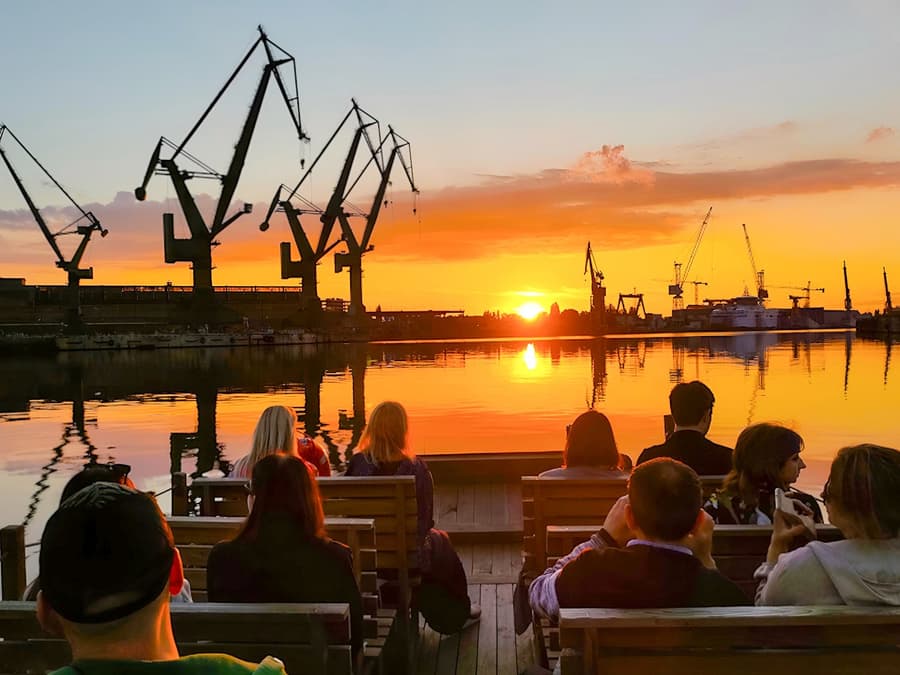
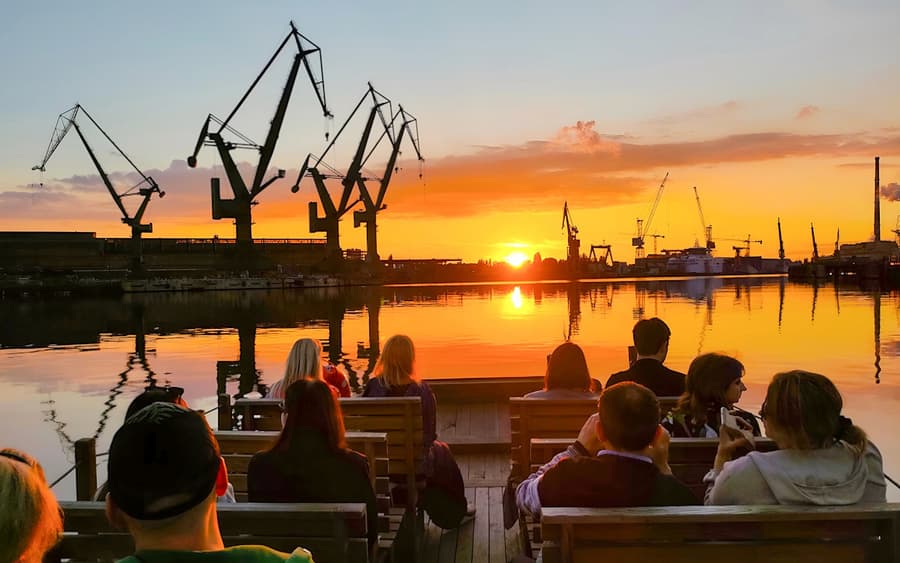
Book Gdansk EcoCruise tickets to glide past St. Mary’s Gate, the legendary red-brick Crane (Zuraw), Ship Sołdek and the WWII Museum in one scenic trip.
Walk Long Market (Długi Targ) to see the Neptune Fountain, Artus Court and the Gdansk Museum – Main Town Hall with its view tower.
Explore the WWII Museum to understand how the Second World War began near Gdansk and how it affected daily life in the city and beyond.
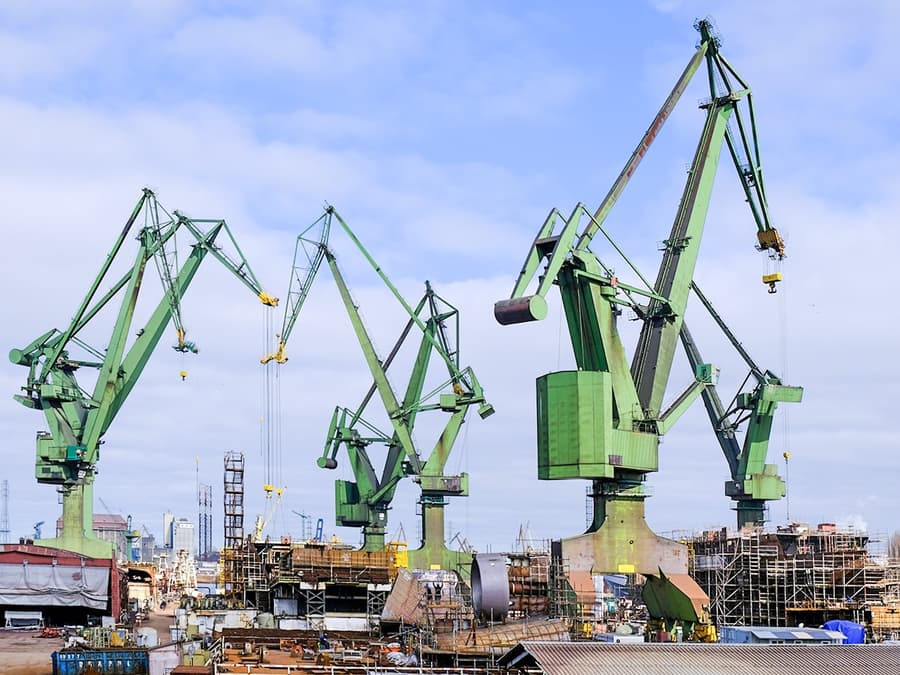
Visit the European Solidarity Centre at Gdansk Shipyard to learn about the Solidarność movement and see striking shipyard architecture.
Step inside the Amber Museum to see Baltic amber art, learn about Gdansk’s merchant past, and shop for local pieces.
Wander Granary Island and Marina Gdańsk, where historic granaries sit beside modern waterfront architecture and relaxed cafés.
Tour Oliwa Cathedral and Zoo Gdańsk Oliwa, pairing organ music and parkland with a family-friendly zoo visit in leafy Oliwa.
Ride the Amber Sky observation wheel at the waterfront for night-time views of the Crane, the Philharmonic and Granary Island.
Seek out churches and chapels including St. Nicolas Church, St. Bridget’s Church, St. Catherine’s Church, St. John’s Church and the Royal Chapel for quieter corners of Gdansk history.
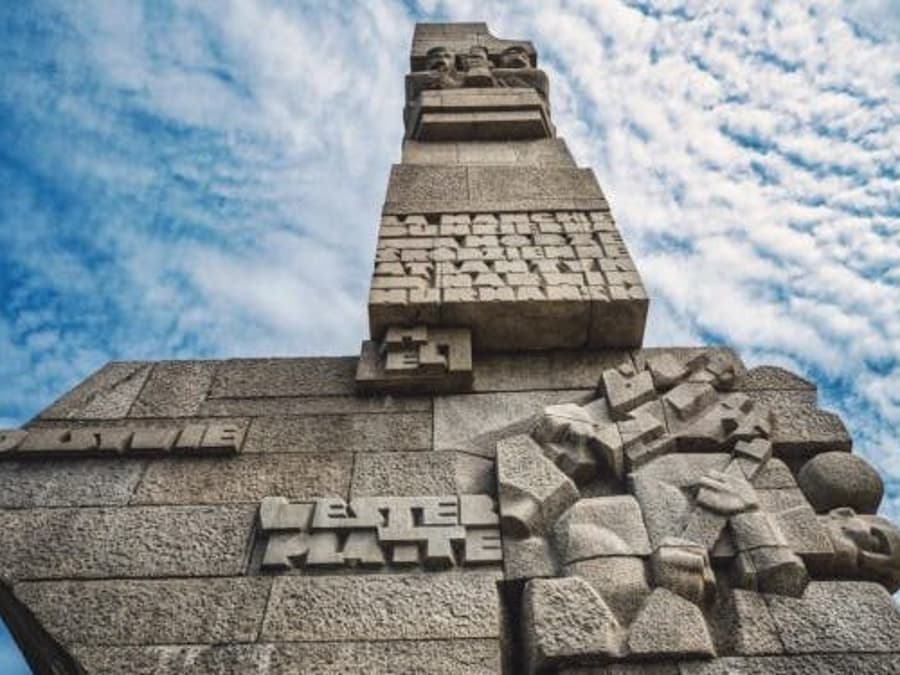
Visit Solidarity Square and the Post Office in the Free City to connect more deeply with the stories behind WWII and the resistance.
Browse the Great Mill and Market Hall for a taste of daily life, local products and traditional food stalls.
Tickets and passes in Gdansk
Sorting your Gdansk tickets in advance helps you secure tour slots, plan time around major attractions, and avoid queuing at busy museums.
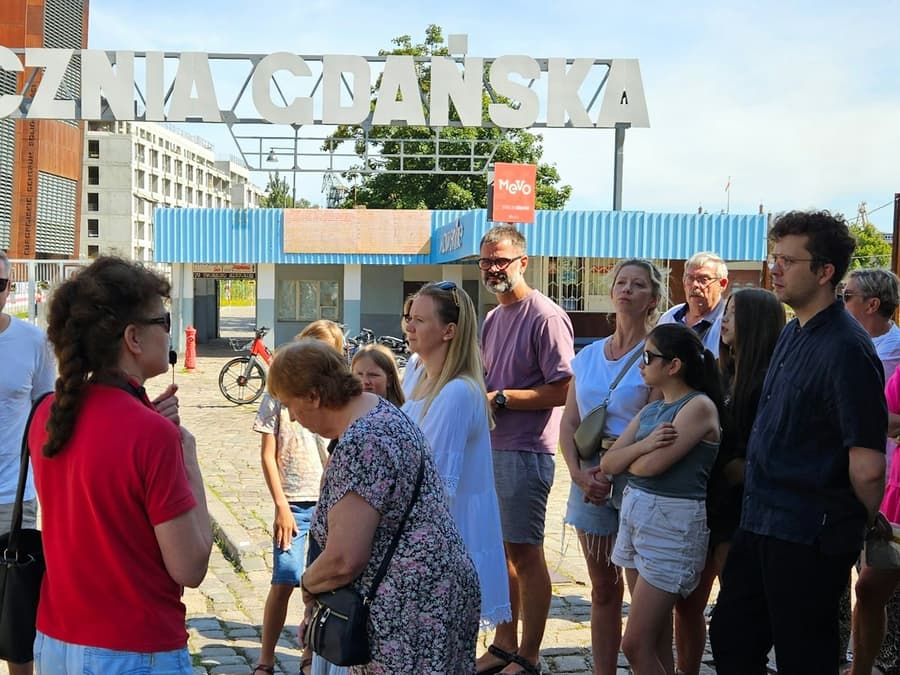
Guided Gdansk walking tours are the simplest way to bundle multiple Old Town highlights, often including Long Market, Neptune Fountain, St. Mary’s Basilica and the Crane on one ticket.
Gdansk EcoCruise tickets usually work with set departure times, so reserving a slot is useful in high season when the riverside fills up.
Themed Gdansk tours such as WWII or Solidarity walks provide structured entry to sites like the WWII Museum or European Solidarity Centre, often with pre-booked group tickets.
Individual museum tickets for the WWII Museum, European Solidarity Centre, Amber Museum or Museum of Gdansk can typically be booked online, which is handy for busy weekends and holidays.
No dedicated city pass is highlighted in the tickadoo information, so think in terms of combining a city walking tour, an EcoCruise and 1 or 2 museums instead of chasing a formal Gdansk attraction pass.
If you plan several paid Gdansk attractions over two or three days, combining a guided city tour with one or two big museums and an EcoCruise often gives better value than buying scattered last-minute tickets.
Getting around Gdansk by tram, train and boat
Gdansk is compact in the centre, and once you understand SKM trains, PKM links and ZTM Gdańsk trams, it becomes easy to move between districts and sights.
Use SKM suburban trains on lines between Gdańsk Główny, Gdańsk Stocznia, Gdańsk Oliwa, Sopot and Gdynia. These are ideal for day trips across the Tricity coast.
Ride ZTM Gdańsk trams to connect Main Town, Old Town and residential districts. Tram routes link Gdańsk Główny with areas near the European Solidarity Centre and beyond.
Link GDN airport by PKM rail from Gdańsk Port Lotniczy station to Gdańsk Wrzeszcz, where you can change to SKM or onward local services toward Gdańsk Główny.
Choose buses for neighbourhood access, especially to areas not on the tram network. ZTM buses complement trams and are useful for reaching outlying residential zones.
Use sightseeing cruises such as the EcoCruise to move along the Motława waterfront while also ticking off attractions like St. Mary’s Gate, the Crane and the Sołdek Museum from the water.
Walk within the centre as most key things to do in Gdansk, including Long Market, St. Mary’s Basilica and the Great Mill, sit within comfortable walking distance of each other.
Allow time for traffic if you rely on taxis or rideshares, particularly when crossing between the Shipyard, Oliwa and the airport during commuter peaks.
Once you have a rough map of SKM and tram routes in mind, you will find that many Gdansk tours and ticketed attractions cluster along just a few easily navigated corridors.
When is the best time to visit Gdansk?
The best time to visit Gdansk is late spring to early autumn. May and June bring mild weather, blooming parks and fewer crowds. July and August are warmest, with busy Long Market evenings and popular EcoCruise departures. September often has calmer weather and softer light over the Motława. Winter is colder and quieter but suits museum-focused trips to the WWII Museum and European Solidarity Centre.
How many days do you need in Gdansk?
With two days in Gdansk you can see Long Market, Neptune Fountain, St. Mary’s Basilica, the Crane, Granary Island and fit in either the WWII Museum or European Solidarity Centre. Three or four days let you add an EcoCruise, Amber Museum, Gdansk Shipyard walks and Oliwa Cathedral with Zoo Gdańsk Oliwa. Longer stays work well if you plan extra Tricity side trips.
Is Gdansk expensive to visit?
Gdansk is generally more affordable than many Western European port cities. Walking tours around Long Market, St. Mary’s Gate and Granary Island give strong value, and public transport between Gdańsk Główny, Oliwa and the Shipyard is reasonably priced. Costs rise if you book several guided tours plus multiple big-ticket museums in a short stay, so prioritise key Gdansk attractions and balance free sights with paid ones.
What are the must-see attractions in Gdansk?
Must-see Gdansk attractions start with St. Mary’s Basilica, Long Market, Neptune Fountain and the Crane on the Motława. Add the WWII Museum and European Solidarity Centre for powerful twentieth-century history. Do not miss Granary Island and Marina Gdańsk for waterfront views, the Amber Museum for Baltic amber heritage and the Gdansk Museum – Main Town Hall tower for a classic city panorama.
Do I need to book St. Mary’s Basilica Gdansk tickets in advance?
St. Mary’s Basilica is a major Gdansk landmark, and tower climbs in particular can be busy in summer. Advance tickets or guided Gdansk walking tours that include the basilica help you avoid waiting during peak hours. Outside weekends and holidays, same-day entry is usually possible, but plan ahead if you want a specific time for views over Long Market and the Crane.
How do I get from GDN to central Gdansk?
From Gdańsk Lech Wałęsa Airport (GDN) take PKM trains from Gdańsk Port Lotniczy station to Gdańsk Wrzeszcz, then connect by SKM or regional train to Gdańsk Główny. ZTM buses link the airport with several districts, including Wrzeszcz. Taxis and rideshares are convenient for late arrivals, taking around 20 to 30 minutes to the Main Town, depending on traffic around the Shipyard and Old Town.
Where should I stay in Gdansk?
Main Town around Long Market suits first-time visitors who want to walk to St. Mary’s Basilica, Neptune Fountain and the Crane. Old Town near the Great Mill and Market Hall suits food lovers. Granary Island offers stylish waterfront hotels by Amber Sky and the Philharmonic. Oliwa fits quieter stays near Oliwa Cathedral and Zoo Gdańsk Oliwa, with SKM access into Gdańsk Główny.
What is Gdansk known for?
Gdansk is known for its Hanseatic trading heritage, amber, and its pivotal role in twentieth-century history. The city was a key Baltic port, later witnessing the outbreak of WWII and the rise of the Solidarność movement at Gdansk Shipyard. Visitors connect with this story at the WWII Museum, European Solidarity Centre, Post Office in the Free City and Solidarity Square.
Gdansk quick facts: airports, stations and maps
Plan your days with these essential details for Gdansk, Poland. This Baltic port city sits in the Pomeranian Voivodeship and forms the Tricity area together with Sopot and Gdynia.
State/Region/Country: Pomeranian Voivodeship, northern Poland, on the Baltic Sea coast.
Airports: Gdańsk Lech Wałęsa Airport (GDN) serves domestic and international flights for Gdansk and the wider Tricity.
Main stations/hubs: Gdańsk Główny (main railway hub), Gdańsk Wrzeszcz (regional and airport connections), Gdańsk Oliwa (for Oliwa Cathedral and Zoo Gdańsk Oliwa).
Public transport: SKM Tricity suburban trains between Gdansk, Sopot and Gdynia, PKM rail to GDN, plus ZTM Gdańsk tram and bus lines serving the city centre and suburbs.
Paying fares: Unified ZTM Gdańsk tickets on trams and buses, with time-based fares and daily caps on city tickets. SKM and PKM use separate rail tickets bought from machines or ticket offices.
Coordinates: Approximately 54.3520° N latitude, 18.6466° E longitude.
Popular neighbourhoods: Main Town around Long Market and St. Mary’s Basilica, Old Town near the Great Mill and Market Hall, Granary Island along the Motława, Oliwa for the cathedral and park, Shipyard area by the European Solidarity Centre.
Additional context: Gdansk fronts the Baltic Sea so you can pair Old Town sightseeing with harborside walks, riverside EcoCruise trips, and easy access to sandy beaches in the wider Tricity.
Recent visitors should note that Gdańsk Główny station and waterfront areas around the Imperial Shipyard are being steadily upgraded, so allow a little extra time for wayfinding and possible detours when navigating construction zones.
Top things to do in Gdansk
Start with the iconic waterfront and Old Town Gdansk attractions, then layer on museums, historic shipyard sites, and quieter neighbourhood walks for balance.
Climb St. Mary’s Basilica tower for sweeping views over Gdansk’s red roofs, then explore the interior of the world’s largest brick church.
Book Gdansk EcoCruise tickets to glide past St. Mary’s Gate, the legendary red-brick Crane (Zuraw), Ship Sołdek and the WWII Museum in one scenic trip.
Walk Long Market (Długi Targ) to see the Neptune Fountain, Artus Court and the Gdansk Museum – Main Town Hall with its view tower.
Explore the WWII Museum to understand how the Second World War began near Gdansk and how it affected daily life in the city and beyond.
Visit the European Solidarity Centre at Gdansk Shipyard to learn about the Solidarność movement and see striking shipyard architecture.
Step inside the Amber Museum to see Baltic amber art, learn about Gdansk’s merchant past, and shop for local pieces.
Wander Granary Island and Marina Gdańsk, where historic granaries sit beside modern waterfront architecture and relaxed cafés.
Tour Oliwa Cathedral and Zoo Gdańsk Oliwa, pairing organ music and parkland with a family-friendly zoo visit in leafy Oliwa.
Ride the Amber Sky observation wheel at the waterfront for night-time views of the Crane, the Philharmonic and Granary Island.
Seek out churches and chapels including St. Nicolas Church, St. Bridget’s Church, St. Catherine’s Church, St. John’s Church and the Royal Chapel for quieter corners of Gdansk history.
Visit Solidarity Square and the Post Office in the Free City to connect more deeply with the stories behind WWII and the resistance.
Browse the Great Mill and Market Hall for a taste of daily life, local products and traditional food stalls.
Tickets and passes in Gdansk
Sorting your Gdansk tickets in advance helps you secure tour slots, plan time around major attractions, and avoid queuing at busy museums.
Guided Gdansk walking tours are the simplest way to bundle multiple Old Town highlights, often including Long Market, Neptune Fountain, St. Mary’s Basilica and the Crane on one ticket.
Gdansk EcoCruise tickets usually work with set departure times, so reserving a slot is useful in high season when the riverside fills up.
Themed Gdansk tours such as WWII or Solidarity walks provide structured entry to sites like the WWII Museum or European Solidarity Centre, often with pre-booked group tickets.
Individual museum tickets for the WWII Museum, European Solidarity Centre, Amber Museum or Museum of Gdansk can typically be booked online, which is handy for busy weekends and holidays.
No dedicated city pass is highlighted in the tickadoo information, so think in terms of combining a city walking tour, an EcoCruise and 1 or 2 museums instead of chasing a formal Gdansk attraction pass.
If you plan several paid Gdansk attractions over two or three days, combining a guided city tour with one or two big museums and an EcoCruise often gives better value than buying scattered last-minute tickets.
Getting around Gdansk by tram, train and boat
Gdansk is compact in the centre, and once you understand SKM trains, PKM links and ZTM Gdańsk trams, it becomes easy to move between districts and sights.
Use SKM suburban trains on lines between Gdańsk Główny, Gdańsk Stocznia, Gdańsk Oliwa, Sopot and Gdynia. These are ideal for day trips across the Tricity coast.
Ride ZTM Gdańsk trams to connect Main Town, Old Town and residential districts. Tram routes link Gdańsk Główny with areas near the European Solidarity Centre and beyond.
Link GDN airport by PKM rail from Gdańsk Port Lotniczy station to Gdańsk Wrzeszcz, where you can change to SKM or onward local services toward Gdańsk Główny.
Choose buses for neighbourhood access, especially to areas not on the tram network. ZTM buses complement trams and are useful for reaching outlying residential zones.
Use sightseeing cruises such as the EcoCruise to move along the Motława waterfront while also ticking off attractions like St. Mary’s Gate, the Crane and the Sołdek Museum from the water.
Walk within the centre as most key things to do in Gdansk, including Long Market, St. Mary’s Basilica and the Great Mill, sit within comfortable walking distance of each other.
Allow time for traffic if you rely on taxis or rideshares, particularly when crossing between the Shipyard, Oliwa and the airport during commuter peaks.
Once you have a rough map of SKM and tram routes in mind, you will find that many Gdansk tours and ticketed attractions cluster along just a few easily navigated corridors.
When is the best time to visit Gdansk?
The best time to visit Gdansk is late spring to early autumn. May and June bring mild weather, blooming parks and fewer crowds. July and August are warmest, with busy Long Market evenings and popular EcoCruise departures. September often has calmer weather and softer light over the Motława. Winter is colder and quieter but suits museum-focused trips to the WWII Museum and European Solidarity Centre.
How many days do you need in Gdansk?
With two days in Gdansk you can see Long Market, Neptune Fountain, St. Mary’s Basilica, the Crane, Granary Island and fit in either the WWII Museum or European Solidarity Centre. Three or four days let you add an EcoCruise, Amber Museum, Gdansk Shipyard walks and Oliwa Cathedral with Zoo Gdańsk Oliwa. Longer stays work well if you plan extra Tricity side trips.
Is Gdansk expensive to visit?
Gdansk is generally more affordable than many Western European port cities. Walking tours around Long Market, St. Mary’s Gate and Granary Island give strong value, and public transport between Gdańsk Główny, Oliwa and the Shipyard is reasonably priced. Costs rise if you book several guided tours plus multiple big-ticket museums in a short stay, so prioritise key Gdansk attractions and balance free sights with paid ones.
What are the must-see attractions in Gdansk?
Must-see Gdansk attractions start with St. Mary’s Basilica, Long Market, Neptune Fountain and the Crane on the Motława. Add the WWII Museum and European Solidarity Centre for powerful twentieth-century history. Do not miss Granary Island and Marina Gdańsk for waterfront views, the Amber Museum for Baltic amber heritage and the Gdansk Museum – Main Town Hall tower for a classic city panorama.
Do I need to book St. Mary’s Basilica Gdansk tickets in advance?
St. Mary’s Basilica is a major Gdansk landmark, and tower climbs in particular can be busy in summer. Advance tickets or guided Gdansk walking tours that include the basilica help you avoid waiting during peak hours. Outside weekends and holidays, same-day entry is usually possible, but plan ahead if you want a specific time for views over Long Market and the Crane.
How do I get from GDN to central Gdansk?
From Gdańsk Lech Wałęsa Airport (GDN) take PKM trains from Gdańsk Port Lotniczy station to Gdańsk Wrzeszcz, then connect by SKM or regional train to Gdańsk Główny. ZTM buses link the airport with several districts, including Wrzeszcz. Taxis and rideshares are convenient for late arrivals, taking around 20 to 30 minutes to the Main Town, depending on traffic around the Shipyard and Old Town.
Where should I stay in Gdansk?
Main Town around Long Market suits first-time visitors who want to walk to St. Mary’s Basilica, Neptune Fountain and the Crane. Old Town near the Great Mill and Market Hall suits food lovers. Granary Island offers stylish waterfront hotels by Amber Sky and the Philharmonic. Oliwa fits quieter stays near Oliwa Cathedral and Zoo Gdańsk Oliwa, with SKM access into Gdańsk Główny.
What is Gdansk known for?
Gdansk is known for its Hanseatic trading heritage, amber, and its pivotal role in twentieth-century history. The city was a key Baltic port, later witnessing the outbreak of WWII and the rise of the Solidarność movement at Gdansk Shipyard. Visitors connect with this story at the WWII Museum, European Solidarity Centre, Post Office in the Free City and Solidarity Square.
Gdansk quick facts: airports, stations and maps
Plan your days with these essential details for Gdansk, Poland. This Baltic port city sits in the Pomeranian Voivodeship and forms the Tricity area together with Sopot and Gdynia.
State/Region/Country: Pomeranian Voivodeship, northern Poland, on the Baltic Sea coast.
Airports: Gdańsk Lech Wałęsa Airport (GDN) serves domestic and international flights for Gdansk and the wider Tricity.
Main stations/hubs: Gdańsk Główny (main railway hub), Gdańsk Wrzeszcz (regional and airport connections), Gdańsk Oliwa (for Oliwa Cathedral and Zoo Gdańsk Oliwa).
Public transport: SKM Tricity suburban trains between Gdansk, Sopot and Gdynia, PKM rail to GDN, plus ZTM Gdańsk tram and bus lines serving the city centre and suburbs.
Paying fares: Unified ZTM Gdańsk tickets on trams and buses, with time-based fares and daily caps on city tickets. SKM and PKM use separate rail tickets bought from machines or ticket offices.
Coordinates: Approximately 54.3520° N latitude, 18.6466° E longitude.
Popular neighbourhoods: Main Town around Long Market and St. Mary’s Basilica, Old Town near the Great Mill and Market Hall, Granary Island along the Motława, Oliwa for the cathedral and park, Shipyard area by the European Solidarity Centre.
Additional context: Gdansk fronts the Baltic Sea so you can pair Old Town sightseeing with harborside walks, riverside EcoCruise trips, and easy access to sandy beaches in the wider Tricity.
Recent visitors should note that Gdańsk Główny station and waterfront areas around the Imperial Shipyard are being steadily upgraded, so allow a little extra time for wayfinding and possible detours when navigating construction zones.
Top things to do in Gdansk
Start with the iconic waterfront and Old Town Gdansk attractions, then layer on museums, historic shipyard sites, and quieter neighbourhood walks for balance.
Climb St. Mary’s Basilica tower for sweeping views over Gdansk’s red roofs, then explore the interior of the world’s largest brick church.
Book Gdansk EcoCruise tickets to glide past St. Mary’s Gate, the legendary red-brick Crane (Zuraw), Ship Sołdek and the WWII Museum in one scenic trip.
Walk Long Market (Długi Targ) to see the Neptune Fountain, Artus Court and the Gdansk Museum – Main Town Hall with its view tower.
Explore the WWII Museum to understand how the Second World War began near Gdansk and how it affected daily life in the city and beyond.
Visit the European Solidarity Centre at Gdansk Shipyard to learn about the Solidarność movement and see striking shipyard architecture.
Step inside the Amber Museum to see Baltic amber art, learn about Gdansk’s merchant past, and shop for local pieces.
Wander Granary Island and Marina Gdańsk, where historic granaries sit beside modern waterfront architecture and relaxed cafés.
Tour Oliwa Cathedral and Zoo Gdańsk Oliwa, pairing organ music and parkland with a family-friendly zoo visit in leafy Oliwa.
Ride the Amber Sky observation wheel at the waterfront for night-time views of the Crane, the Philharmonic and Granary Island.
Seek out churches and chapels including St. Nicolas Church, St. Bridget’s Church, St. Catherine’s Church, St. John’s Church and the Royal Chapel for quieter corners of Gdansk history.
Visit Solidarity Square and the Post Office in the Free City to connect more deeply with the stories behind WWII and the resistance.
Browse the Great Mill and Market Hall for a taste of daily life, local products and traditional food stalls.
Tickets and passes in Gdansk
Sorting your Gdansk tickets in advance helps you secure tour slots, plan time around major attractions, and avoid queuing at busy museums.
Guided Gdansk walking tours are the simplest way to bundle multiple Old Town highlights, often including Long Market, Neptune Fountain, St. Mary’s Basilica and the Crane on one ticket.
Gdansk EcoCruise tickets usually work with set departure times, so reserving a slot is useful in high season when the riverside fills up.
Themed Gdansk tours such as WWII or Solidarity walks provide structured entry to sites like the WWII Museum or European Solidarity Centre, often with pre-booked group tickets.
Individual museum tickets for the WWII Museum, European Solidarity Centre, Amber Museum or Museum of Gdansk can typically be booked online, which is handy for busy weekends and holidays.
No dedicated city pass is highlighted in the tickadoo information, so think in terms of combining a city walking tour, an EcoCruise and 1 or 2 museums instead of chasing a formal Gdansk attraction pass.
If you plan several paid Gdansk attractions over two or three days, combining a guided city tour with one or two big museums and an EcoCruise often gives better value than buying scattered last-minute tickets.
Getting around Gdansk by tram, train and boat
Gdansk is compact in the centre, and once you understand SKM trains, PKM links and ZTM Gdańsk trams, it becomes easy to move between districts and sights.
Use SKM suburban trains on lines between Gdańsk Główny, Gdańsk Stocznia, Gdańsk Oliwa, Sopot and Gdynia. These are ideal for day trips across the Tricity coast.
Ride ZTM Gdańsk trams to connect Main Town, Old Town and residential districts. Tram routes link Gdańsk Główny with areas near the European Solidarity Centre and beyond.
Link GDN airport by PKM rail from Gdańsk Port Lotniczy station to Gdańsk Wrzeszcz, where you can change to SKM or onward local services toward Gdańsk Główny.
Choose buses for neighbourhood access, especially to areas not on the tram network. ZTM buses complement trams and are useful for reaching outlying residential zones.
Use sightseeing cruises such as the EcoCruise to move along the Motława waterfront while also ticking off attractions like St. Mary’s Gate, the Crane and the Sołdek Museum from the water.
Walk within the centre as most key things to do in Gdansk, including Long Market, St. Mary’s Basilica and the Great Mill, sit within comfortable walking distance of each other.
Allow time for traffic if you rely on taxis or rideshares, particularly when crossing between the Shipyard, Oliwa and the airport during commuter peaks.
Once you have a rough map of SKM and tram routes in mind, you will find that many Gdansk tours and ticketed attractions cluster along just a few easily navigated corridors.
When is the best time to visit Gdansk?
The best time to visit Gdansk is late spring to early autumn. May and June bring mild weather, blooming parks and fewer crowds. July and August are warmest, with busy Long Market evenings and popular EcoCruise departures. September often has calmer weather and softer light over the Motława. Winter is colder and quieter but suits museum-focused trips to the WWII Museum and European Solidarity Centre.
How many days do you need in Gdansk?
With two days in Gdansk you can see Long Market, Neptune Fountain, St. Mary’s Basilica, the Crane, Granary Island and fit in either the WWII Museum or European Solidarity Centre. Three or four days let you add an EcoCruise, Amber Museum, Gdansk Shipyard walks and Oliwa Cathedral with Zoo Gdańsk Oliwa. Longer stays work well if you plan extra Tricity side trips.
Is Gdansk expensive to visit?
Gdansk is generally more affordable than many Western European port cities. Walking tours around Long Market, St. Mary’s Gate and Granary Island give strong value, and public transport between Gdańsk Główny, Oliwa and the Shipyard is reasonably priced. Costs rise if you book several guided tours plus multiple big-ticket museums in a short stay, so prioritise key Gdansk attractions and balance free sights with paid ones.
What are the must-see attractions in Gdansk?
Must-see Gdansk attractions start with St. Mary’s Basilica, Long Market, Neptune Fountain and the Crane on the Motława. Add the WWII Museum and European Solidarity Centre for powerful twentieth-century history. Do not miss Granary Island and Marina Gdańsk for waterfront views, the Amber Museum for Baltic amber heritage and the Gdansk Museum – Main Town Hall tower for a classic city panorama.
Do I need to book St. Mary’s Basilica Gdansk tickets in advance?
St. Mary’s Basilica is a major Gdansk landmark, and tower climbs in particular can be busy in summer. Advance tickets or guided Gdansk walking tours that include the basilica help you avoid waiting during peak hours. Outside weekends and holidays, same-day entry is usually possible, but plan ahead if you want a specific time for views over Long Market and the Crane.
How do I get from GDN to central Gdansk?
From Gdańsk Lech Wałęsa Airport (GDN) take PKM trains from Gdańsk Port Lotniczy station to Gdańsk Wrzeszcz, then connect by SKM or regional train to Gdańsk Główny. ZTM buses link the airport with several districts, including Wrzeszcz. Taxis and rideshares are convenient for late arrivals, taking around 20 to 30 minutes to the Main Town, depending on traffic around the Shipyard and Old Town.
Where should I stay in Gdansk?
Main Town around Long Market suits first-time visitors who want to walk to St. Mary’s Basilica, Neptune Fountain and the Crane. Old Town near the Great Mill and Market Hall suits food lovers. Granary Island offers stylish waterfront hotels by Amber Sky and the Philharmonic. Oliwa fits quieter stays near Oliwa Cathedral and Zoo Gdańsk Oliwa, with SKM access into Gdańsk Główny.
What is Gdansk known for?
Gdansk is known for its Hanseatic trading heritage, amber, and its pivotal role in twentieth-century history. The city was a key Baltic port, later witnessing the outbreak of WWII and the rise of the Solidarność movement at Gdansk Shipyard. Visitors connect with this story at the WWII Museum, European Solidarity Centre, Post Office in the Free City and Solidarity Square.
Gdansk quick facts: airports, stations and maps
Plan your days with these essential details for Gdansk, Poland. This Baltic port city sits in the Pomeranian Voivodeship and forms the Tricity area together with Sopot and Gdynia.
State/Region/Country: Pomeranian Voivodeship, northern Poland, on the Baltic Sea coast.
Airports: Gdańsk Lech Wałęsa Airport (GDN) serves domestic and international flights for Gdansk and the wider Tricity.
Main stations/hubs: Gdańsk Główny (main railway hub), Gdańsk Wrzeszcz (regional and airport connections), Gdańsk Oliwa (for Oliwa Cathedral and Zoo Gdańsk Oliwa).
Public transport: SKM Tricity suburban trains between Gdansk, Sopot and Gdynia, PKM rail to GDN, plus ZTM Gdańsk tram and bus lines serving the city centre and suburbs.
Paying fares: Unified ZTM Gdańsk tickets on trams and buses, with time-based fares and daily caps on city tickets. SKM and PKM use separate rail tickets bought from machines or ticket offices.
Coordinates: Approximately 54.3520° N latitude, 18.6466° E longitude.
Popular neighbourhoods: Main Town around Long Market and St. Mary’s Basilica, Old Town near the Great Mill and Market Hall, Granary Island along the Motława, Oliwa for the cathedral and park, Shipyard area by the European Solidarity Centre.
Additional context: Gdansk fronts the Baltic Sea so you can pair Old Town sightseeing with harborside walks, riverside EcoCruise trips, and easy access to sandy beaches in the wider Tricity.
Recent visitors should note that Gdańsk Główny station and waterfront areas around the Imperial Shipyard are being steadily upgraded, so allow a little extra time for wayfinding and possible detours when navigating construction zones.
Top things to do in Gdansk
Start with the iconic waterfront and Old Town Gdansk attractions, then layer on museums, historic shipyard sites, and quieter neighbourhood walks for balance.
Climb St. Mary’s Basilica tower for sweeping views over Gdansk’s red roofs, then explore the interior of the world’s largest brick church.
Book Gdansk EcoCruise tickets to glide past St. Mary’s Gate, the legendary red-brick Crane (Zuraw), Ship Sołdek and the WWII Museum in one scenic trip.
Walk Long Market (Długi Targ) to see the Neptune Fountain, Artus Court and the Gdansk Museum – Main Town Hall with its view tower.
Explore the WWII Museum to understand how the Second World War began near Gdansk and how it affected daily life in the city and beyond.
Visit the European Solidarity Centre at Gdansk Shipyard to learn about the Solidarność movement and see striking shipyard architecture.
Step inside the Amber Museum to see Baltic amber art, learn about Gdansk’s merchant past, and shop for local pieces.
Wander Granary Island and Marina Gdańsk, where historic granaries sit beside modern waterfront architecture and relaxed cafés.
Tour Oliwa Cathedral and Zoo Gdańsk Oliwa, pairing organ music and parkland with a family-friendly zoo visit in leafy Oliwa.
Ride the Amber Sky observation wheel at the waterfront for night-time views of the Crane, the Philharmonic and Granary Island.
Seek out churches and chapels including St. Nicolas Church, St. Bridget’s Church, St. Catherine’s Church, St. John’s Church and the Royal Chapel for quieter corners of Gdansk history.
Visit Solidarity Square and the Post Office in the Free City to connect more deeply with the stories behind WWII and the resistance.
Browse the Great Mill and Market Hall for a taste of daily life, local products and traditional food stalls.
Tickets and passes in Gdansk
Sorting your Gdansk tickets in advance helps you secure tour slots, plan time around major attractions, and avoid queuing at busy museums.
Guided Gdansk walking tours are the simplest way to bundle multiple Old Town highlights, often including Long Market, Neptune Fountain, St. Mary’s Basilica and the Crane on one ticket.
Gdansk EcoCruise tickets usually work with set departure times, so reserving a slot is useful in high season when the riverside fills up.
Themed Gdansk tours such as WWII or Solidarity walks provide structured entry to sites like the WWII Museum or European Solidarity Centre, often with pre-booked group tickets.
Individual museum tickets for the WWII Museum, European Solidarity Centre, Amber Museum or Museum of Gdansk can typically be booked online, which is handy for busy weekends and holidays.
No dedicated city pass is highlighted in the tickadoo information, so think in terms of combining a city walking tour, an EcoCruise and 1 or 2 museums instead of chasing a formal Gdansk attraction pass.
If you plan several paid Gdansk attractions over two or three days, combining a guided city tour with one or two big museums and an EcoCruise often gives better value than buying scattered last-minute tickets.
Getting around Gdansk by tram, train and boat
Gdansk is compact in the centre, and once you understand SKM trains, PKM links and ZTM Gdańsk trams, it becomes easy to move between districts and sights.
Use SKM suburban trains on lines between Gdańsk Główny, Gdańsk Stocznia, Gdańsk Oliwa, Sopot and Gdynia. These are ideal for day trips across the Tricity coast.
Ride ZTM Gdańsk trams to connect Main Town, Old Town and residential districts. Tram routes link Gdańsk Główny with areas near the European Solidarity Centre and beyond.
Link GDN airport by PKM rail from Gdańsk Port Lotniczy station to Gdańsk Wrzeszcz, where you can change to SKM or onward local services toward Gdańsk Główny.
Choose buses for neighbourhood access, especially to areas not on the tram network. ZTM buses complement trams and are useful for reaching outlying residential zones.
Use sightseeing cruises such as the EcoCruise to move along the Motława waterfront while also ticking off attractions like St. Mary’s Gate, the Crane and the Sołdek Museum from the water.
Walk within the centre as most key things to do in Gdansk, including Long Market, St. Mary’s Basilica and the Great Mill, sit within comfortable walking distance of each other.
Allow time for traffic if you rely on taxis or rideshares, particularly when crossing between the Shipyard, Oliwa and the airport during commuter peaks.
Once you have a rough map of SKM and tram routes in mind, you will find that many Gdansk tours and ticketed attractions cluster along just a few easily navigated corridors.
When is the best time to visit Gdansk?
The best time to visit Gdansk is late spring to early autumn. May and June bring mild weather, blooming parks and fewer crowds. July and August are warmest, with busy Long Market evenings and popular EcoCruise departures. September often has calmer weather and softer light over the Motława. Winter is colder and quieter but suits museum-focused trips to the WWII Museum and European Solidarity Centre.
How many days do you need in Gdansk?
With two days in Gdansk you can see Long Market, Neptune Fountain, St. Mary’s Basilica, the Crane, Granary Island and fit in either the WWII Museum or European Solidarity Centre. Three or four days let you add an EcoCruise, Amber Museum, Gdansk Shipyard walks and Oliwa Cathedral with Zoo Gdańsk Oliwa. Longer stays work well if you plan extra Tricity side trips.
Is Gdansk expensive to visit?
Gdansk is generally more affordable than many Western European port cities. Walking tours around Long Market, St. Mary’s Gate and Granary Island give strong value, and public transport between Gdańsk Główny, Oliwa and the Shipyard is reasonably priced. Costs rise if you book several guided tours plus multiple big-ticket museums in a short stay, so prioritise key Gdansk attractions and balance free sights with paid ones.
What are the must-see attractions in Gdansk?
Must-see Gdansk attractions start with St. Mary’s Basilica, Long Market, Neptune Fountain and the Crane on the Motława. Add the WWII Museum and European Solidarity Centre for powerful twentieth-century history. Do not miss Granary Island and Marina Gdańsk for waterfront views, the Amber Museum for Baltic amber heritage and the Gdansk Museum – Main Town Hall tower for a classic city panorama.
Do I need to book St. Mary’s Basilica Gdansk tickets in advance?
St. Mary’s Basilica is a major Gdansk landmark, and tower climbs in particular can be busy in summer. Advance tickets or guided Gdansk walking tours that include the basilica help you avoid waiting during peak hours. Outside weekends and holidays, same-day entry is usually possible, but plan ahead if you want a specific time for views over Long Market and the Crane.
How do I get from GDN to central Gdansk?
From Gdańsk Lech Wałęsa Airport (GDN) take PKM trains from Gdańsk Port Lotniczy station to Gdańsk Wrzeszcz, then connect by SKM or regional train to Gdańsk Główny. ZTM buses link the airport with several districts, including Wrzeszcz. Taxis and rideshares are convenient for late arrivals, taking around 20 to 30 minutes to the Main Town, depending on traffic around the Shipyard and Old Town.
Where should I stay in Gdansk?
Main Town around Long Market suits first-time visitors who want to walk to St. Mary’s Basilica, Neptune Fountain and the Crane. Old Town near the Great Mill and Market Hall suits food lovers. Granary Island offers stylish waterfront hotels by Amber Sky and the Philharmonic. Oliwa fits quieter stays near Oliwa Cathedral and Zoo Gdańsk Oliwa, with SKM access into Gdańsk Główny.
What is Gdansk known for?
Gdansk is known for its Hanseatic trading heritage, amber, and its pivotal role in twentieth-century history. The city was a key Baltic port, later witnessing the outbreak of WWII and the rise of the Solidarność movement at Gdansk Shipyard. Visitors connect with this story at the WWII Museum, European Solidarity Centre, Post Office in the Free City and Solidarity Square.