What's Trending in Split?

Split blends Roman imperial history with relaxed Adriatic living. From Diocletian’s Palace and the Golden Gate to the café buzz of the Riva Promenade, this Split guide helps you find key sights, book Game of Thrones tours and plan island hopping with timed tickets.

From the palace cellars to Bacvice Beach you can match guided walks, coastal cruises and stadium visits, then layer in ferries and airport transfers to map day trips across Dalmatia and beyond as you plan your Split stay.

All Split tickets


Split quick facts: airports, stations and maps

Split sits on Croatia’s central Dalmatian coast, where Roman ruins meet Adriatic beaches and island routes. Before you dive into Diocletian’s Palace courtyards or the Riva Promenade, it helps to understand how Split connects by air, rail, road and sea.

  • State/Region/Country: City of Split, Split Dalmatia County, Dalmatia region, Croatia.

  • Airports: Split Airport SPU, located at Kaštela between Split and Trogir, handling most visitors to the central Adriatic.

  • Main stations/hubs: Split train station by the waterfront, Split ferry port for island and coastal sailings, and the main intercity bus terminal beside the port.

  • Public transport: Local buses run by Promet Split link suburbs, the ferry port, Poljud Stadium and SPU airport, with numbered routes covering the wider urban area.

  • Paying fares: Buy single bus tickets from the driver or kiosks, with cheaper prices from kiosks. There is no unified contactless card system, so keep kuna equivalent in local currency or a card handy.

  • Coordinates: Approximate city center coordinates are 43.5086° N latitude and 16.4390° E longitude.

  • Popular neighbourhoods: Diocletian’s Palace old town, Varoš on the hillside below Marjan, Bacvice near the beach, Meje around Marjan Park, and Poljud around the stadium.

  • Additional context: Split spreads around a natural harbor with city beaches like Bacvice and sports venues such as Poljud Stadium, and serves as a major departure point for nearby islands.

Local tip: in summer, allow extra time between the ferry port and bus or train station, as cruise and island crowds can slow movement around Split’s waterfront hub.

Top things to do in Split

Use Split’s compact center to mix big historical sights with waterfront walks, island time and a few themed experiences for balance.

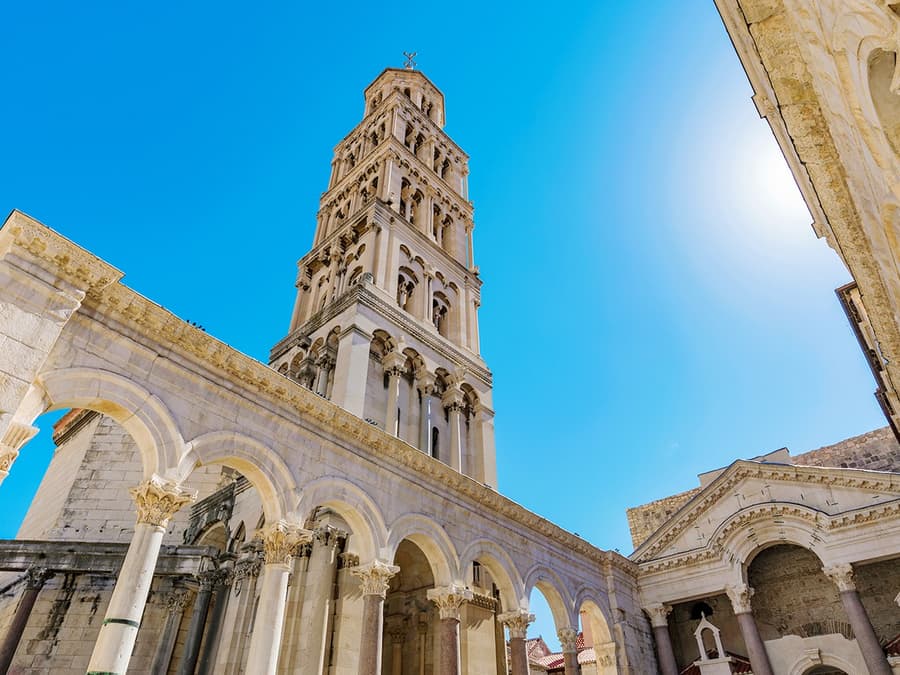
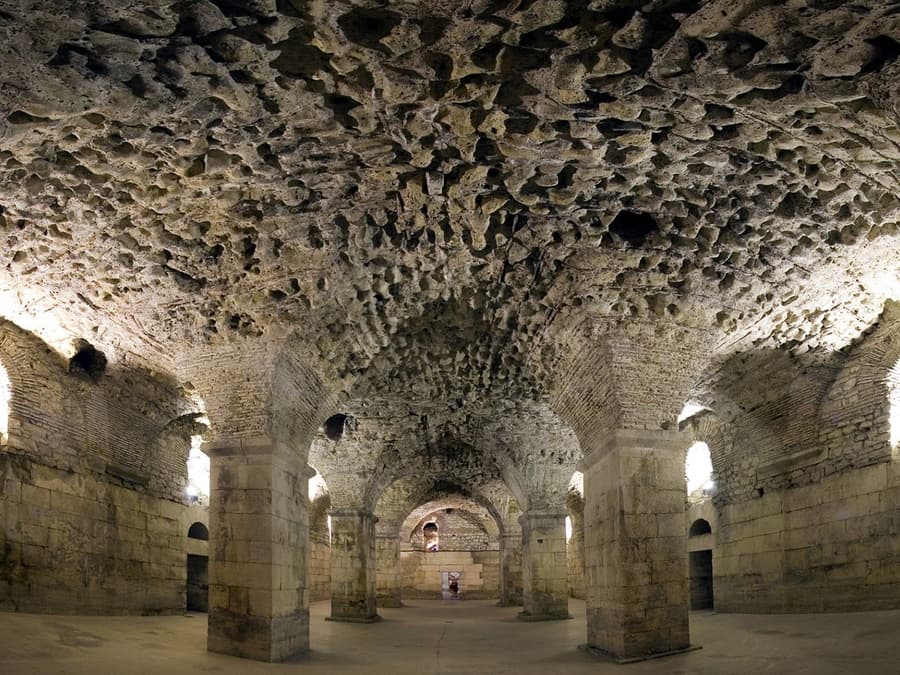
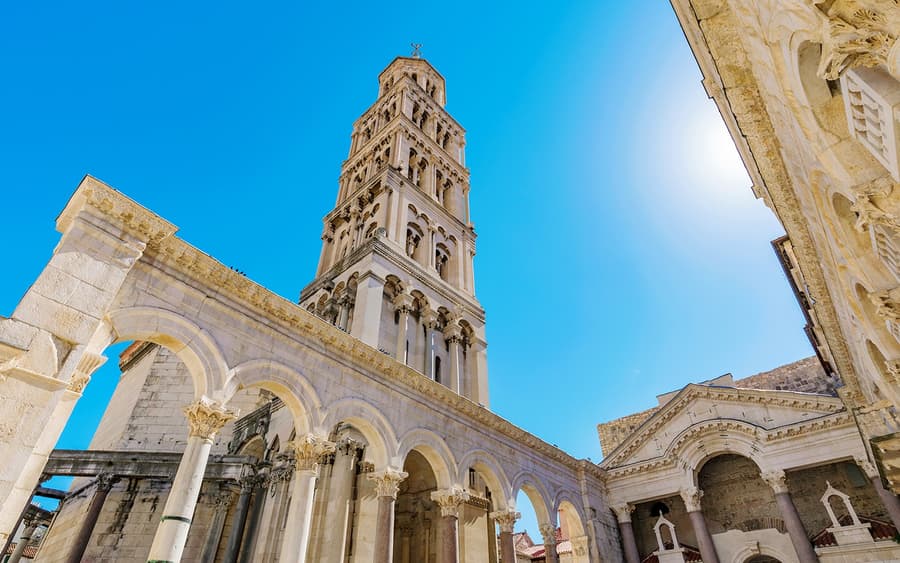
  • Walk Diocletian’s Palace, exploring the Peristyle, Diocletian’s cellars and the narrow alleys that now hold cafes, boutiques and Roman stonework.

  • Join a Game of Thrones walking tour that traces filming spots inside Split, including Papalićeva Street, and nearby fortress locations used for Meereen.

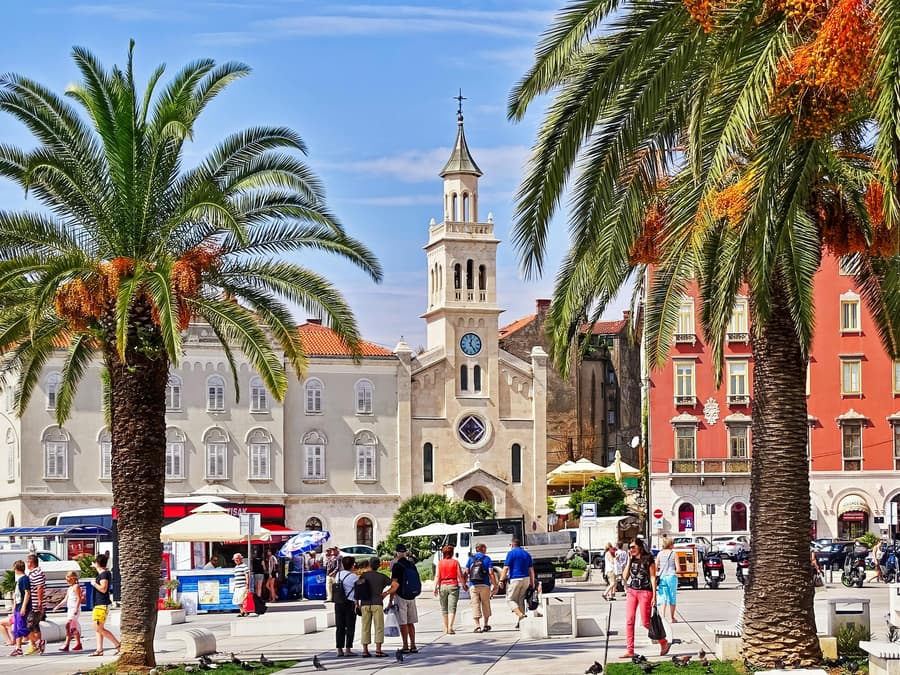
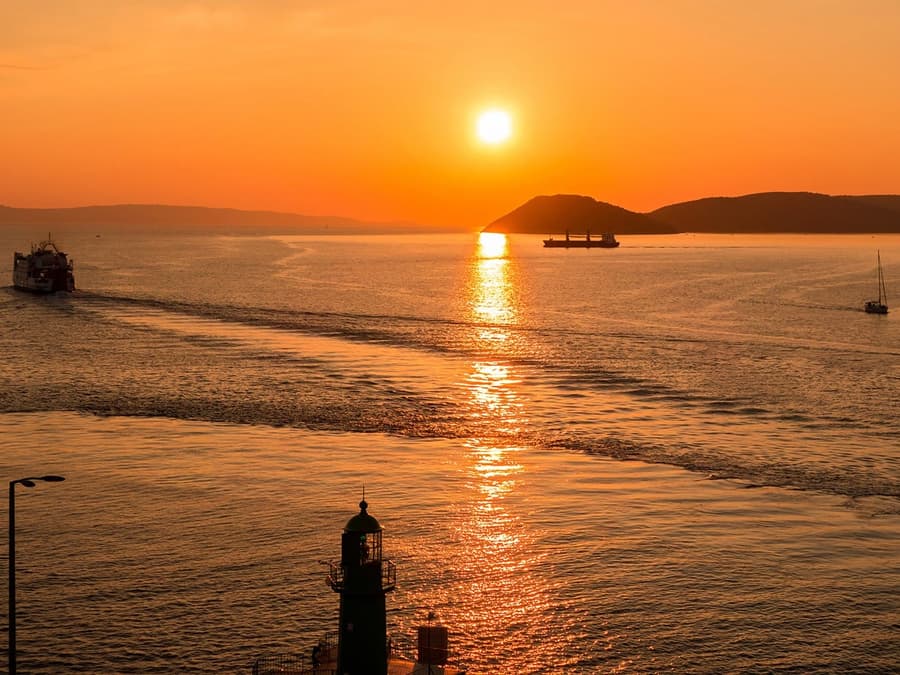
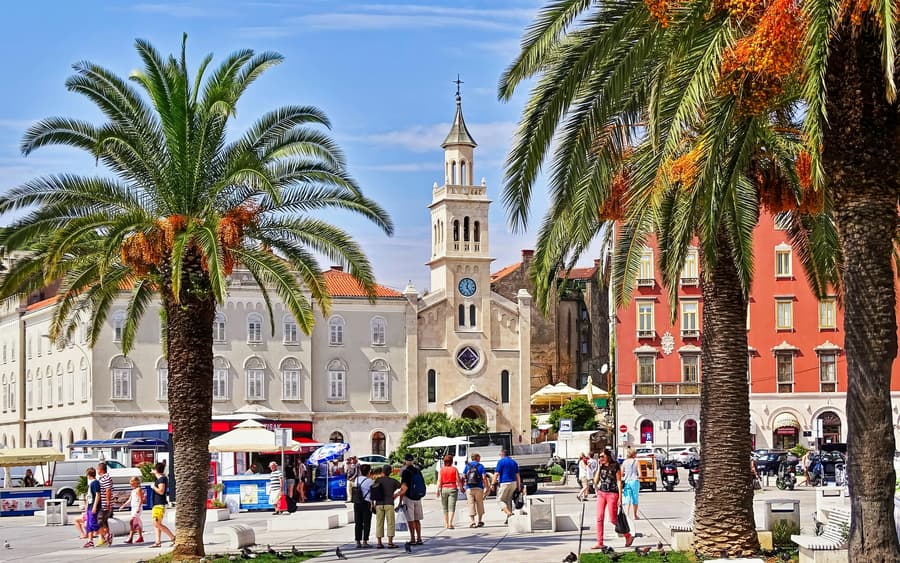
  • Stroll the Riva Promenade at sunset, watching ferries depart while you sip coffee or an aperitif in the city’s liveliest open air living room.

  • Swim and people watch at Bacvice Beach, a sandy city favorite known for picigin, a local ball game played in the shallows.

  • Climb or drive into Marjan hill’s park paths for pine scented walking trails, viewpoints over Split’s harbor and a quieter break from the old town.

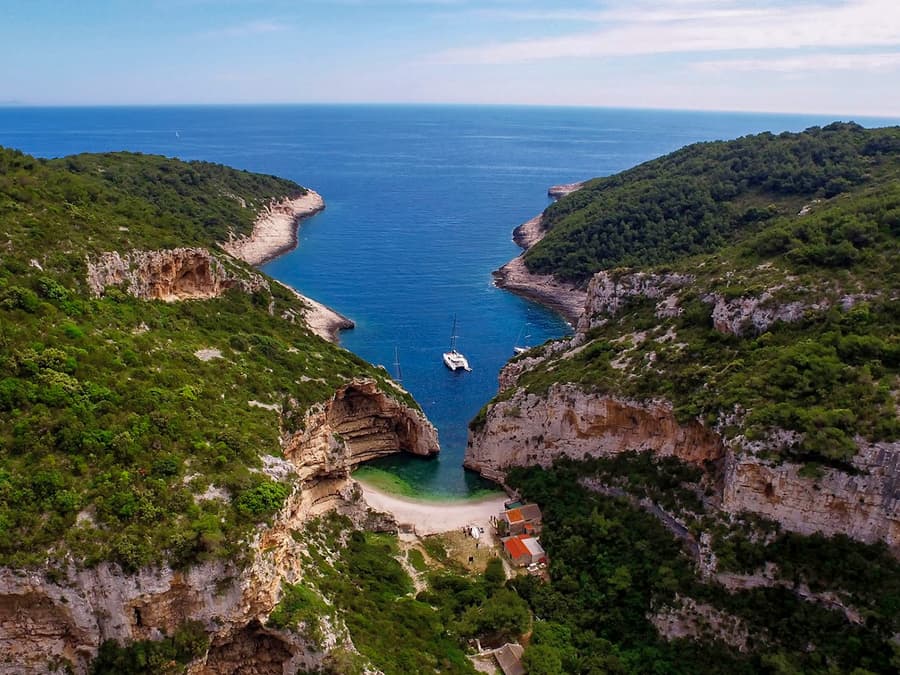
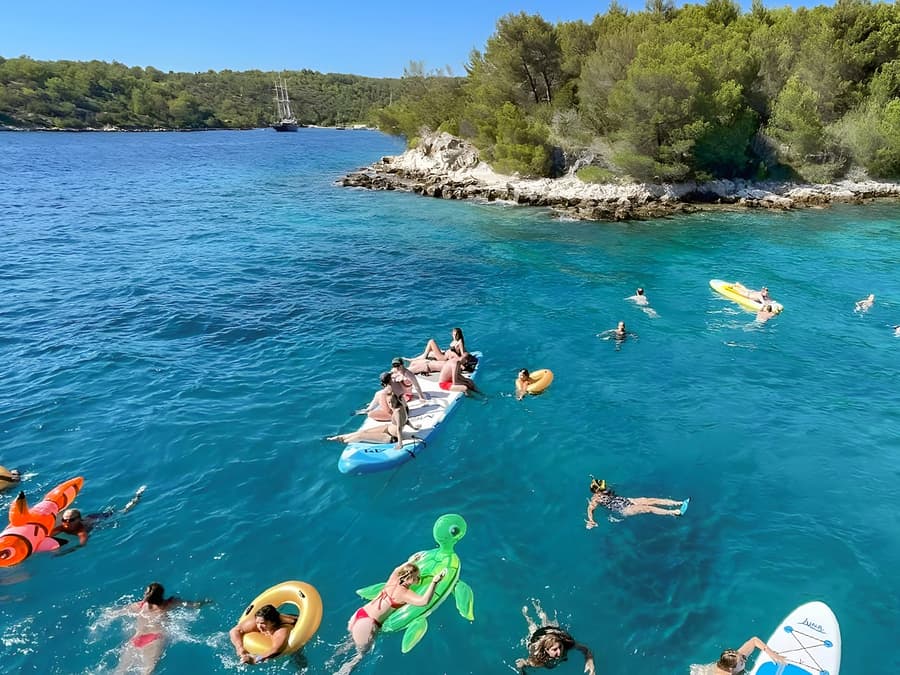
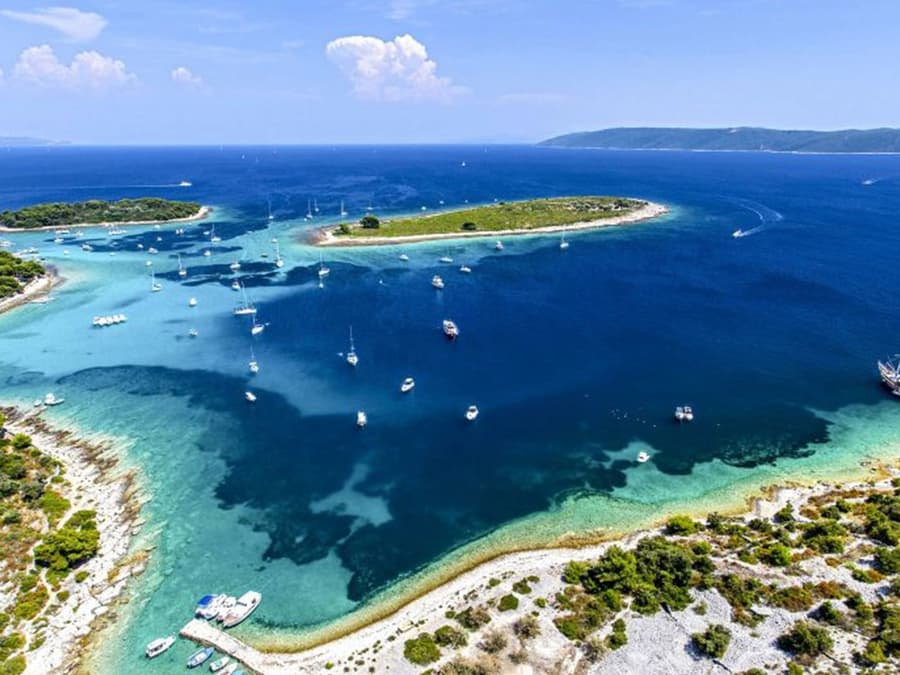
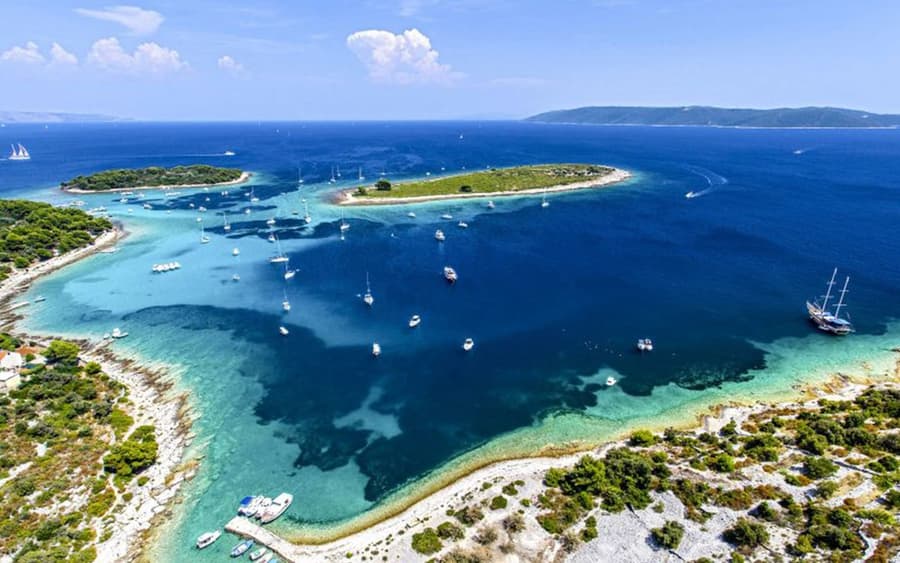
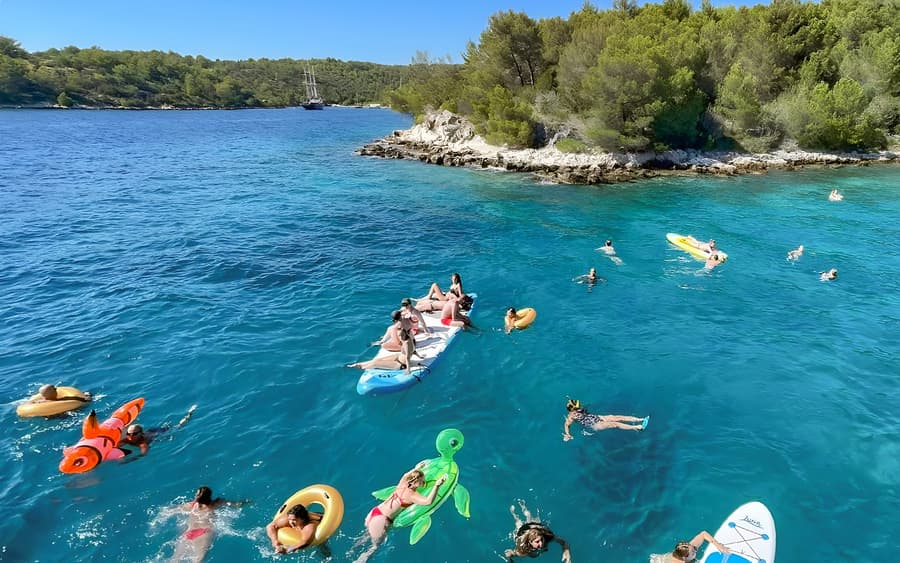
  • Take a boat trip for island hopping, combining nearby spots like Brač and Hvar with hidden coves and snorkeling stops on the Adriatic.

  • Visit Poljud Stadium, home of HNK Hajduk Split, either for a match or a stadium tour that highlights local football culture and architecture.

  • Explore the narrow streets around Varoš and Meje to find small konobas, local wine bars and authentic everyday Split life away from the main routes.

  • Join a panoramic bus tour to see Split’s coastline, beaches and sports venues without navigating local buses on your first day.

  • Browse local markets and bakeries before heading back through the Golden Gate and into Diocletian’s Palace for an atmospheric evening.

Tickets and city passes in Split

Booking key Split attractions and boat trips in advance helps you avoid queues, secure morning slots and manage your budget during busy months.

  • Look for combined tickets that include Diocletian’s Palace cellars with a guided old town tour, especially useful if you want context on Split’s Roman layers.

  • Game of Thrones tours of Split often bundle multiple filming locations inside the palace and nearby fortresses, so check itineraries and language options before booking.

  • Island hopping excursions from Split, including visits to nearby islands and lagoon style stops, usually require timed reservations, particularly from June to September.

  • Panoramic bus tickets around Split typically allow hop on hop off flexibility along coastal and city routes, which is useful if you are short on time.

  • For Poljud Stadium, match tickets and guided tours may not always be available on the day, so monitor schedules and purchase early for major fixtures.

If you plan several paid activities in a short Split stay, such as a palace tour, a themed Game of Thrones experience and a full day island trip, pre booked combo tickets can save money and help you structure each day efficiently.

Getting around Split by bus, ferry and on foot

Split’s historic core is best explored on foot, while Promet Split buses, taxis and ferries connect the airport, suburbs, beaches and nearby islands efficiently.

  • Use Promet Split bus lines from the city center and ferry port to reach suburbs, Poljud Stadium and Split Airport SPU, noting that routes and frequency increase in summer.

  • From Split Airport SPU, airport buses and regular regional services link to the main bus terminal by the ferry port, a journey of around 30 to 40 minutes depending on traffic.

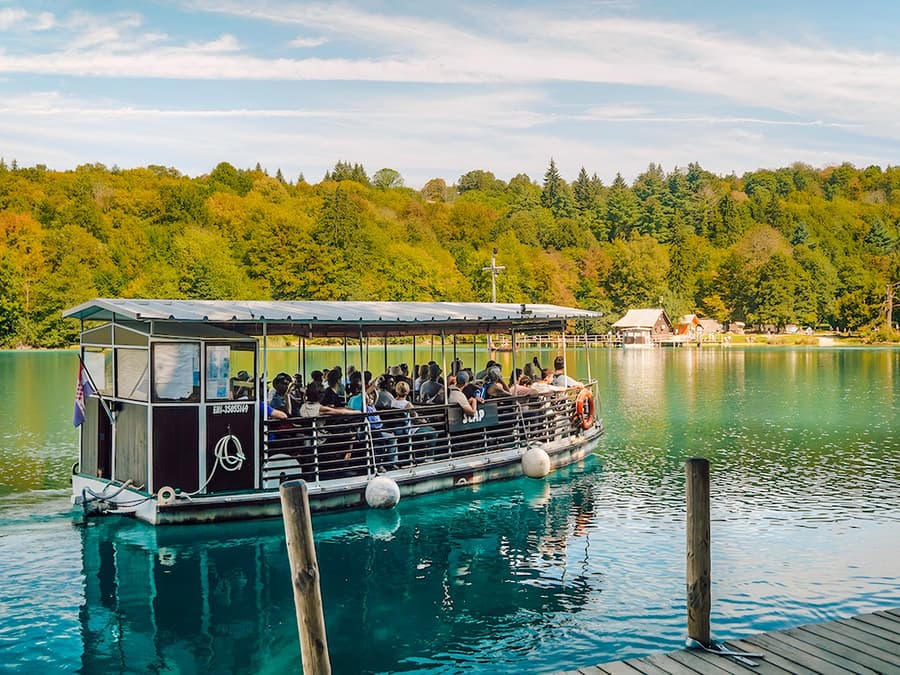
  • Ferries and catamarans from Split ferry port connect you to islands such as Brač and Hvar, making day trips straightforward once you match departure times to your itinerary.

  • Walking is the easiest way to experience Diocletian’s Palace, the Riva Promenade and Bacvice Beach, although old stone streets can be slippery when wet.

  • Taxis and licensed rideshares are useful late at night or when returning from beaches and Marjan viewpoints, especially if local buses run less frequently.

  • Traffic on roads around the port and old town can be heavy in peak season, so avoid tight connections between ferries, buses and tours whenever possible.

  • Parking near the palace and Riva is limited and often paid, so staying central or using buses is usually simpler than hiring a car just for Split.

For smoother days in Split, keep ferry and bus timetables saved offline, since mobile data can be patchy around older stone alleys and busy port corners.

When is the best time to visit Split?

The best time to visit Split is late May to June and September, when temperatures sit around 20 to 27°C and the sea is warm enough to swim without peak season crowds. July and August are hot, often above 30°C, and very busy. Winter is quieter, with cooler weather, some rain and fewer island ferries but a more local feel around Diocletian’s Palace and the Riva.

How many days do you need in Split?

With two days in Split you can explore Diocletian’s Palace, the Riva Promenade, Bacvice Beach and a Game of Thrones walking tour. A third day lets you hike or bike around Marjan and visit Poljud Stadium. With four or five days, add a full day island hopping boat trip from Split ferry port to Brač or Hvar for a classic Adriatic experience.

Is Split expensive to visit?

Split is generally cheaper than many Western European coastal cities, especially outside July and August. Accommodation and island hopping tours rise sharply in peak season, while local bakeries, markets and bus travel remain good value. Staying a short walk from Diocletian’s Palace reduces transport costs. Booking Game of Thrones tours and boat trips online early often secures better prices and time slots.

What are the must-see attractions in Split?

Must see attractions in Split start with Diocletian’s Palace, including the Peristyle and Diocletian’s cellars, and the Golden Gate entrance. Add a stroll along the Riva Promenade, a swim at Bacvice Beach and a walk or ride up Marjan hill for views. Football fans should not miss Poljud Stadium, while TV lovers will enjoy tracing Game of Thrones locations on Papalićeva Street and nearby fortresses.

Do I need to book Diocletian’s Palace and tour tickets in advance in Split?

Entry into the streets of Diocletian’s Palace is free, but guided tours, Diocletian’s cellars tickets and Game of Thrones themed walks from Split often sell out in high season. From June to September, book at least a few days ahead for popular morning or late afternoon slots. Shoulder season still benefits from advance booking if you want a specific language or smaller group size.

How do I get from Split Airport SPU to central Split?

From Split Airport SPU, the dedicated airport bus runs directly to the main bus terminal beside Split ferry port in about 30 to 40 minutes, usually the best value option. Regional buses also serve the route with more stops. Taxis and rideshares cost more but save time if you have heavy luggage or arrive late. Prebooked transfers work well for groups heading straight to hotels near Diocletian’s Palace.

Where should I stay in Split?

Stay inside or just outside Diocletian’s Palace if you want historic atmosphere and easy access to tours and the Riva Promenade. Varoš suits travelers who like hillside lanes and local bars. Bacvice is ideal for beach lovers and families. Meje works for quieter stays near Marjan. Around Poljud Stadium you will find a more residential feel and easier parking.

What is Split known for?

Split is known for Diocletian’s Palace, one of the world’s best preserved Roman imperial residences, now woven into the living old town. The city stands out for Game of Thrones filming locations, the lively Riva Promenade, city beaches like Bacvice and strong football culture around Poljud Stadium. It is also a major jumping off point for island hopping to Brač, Hvar and other Dalmatian islands.


Split quick facts: airports, stations and maps

Split sits on Croatia’s central Dalmatian coast, where Roman ruins meet Adriatic beaches and island routes. Before you dive into Diocletian’s Palace courtyards or the Riva Promenade, it helps to understand how Split connects by air, rail, road and sea.

  • State/Region/Country: City of Split, Split Dalmatia County, Dalmatia region, Croatia.

  • Airports: Split Airport SPU, located at Kaštela between Split and Trogir, handling most visitors to the central Adriatic.

  • Main stations/hubs: Split train station by the waterfront, Split ferry port for island and coastal sailings, and the main intercity bus terminal beside the port.

  • Public transport: Local buses run by Promet Split link suburbs, the ferry port, Poljud Stadium and SPU airport, with numbered routes covering the wider urban area.

  • Paying fares: Buy single bus tickets from the driver or kiosks, with cheaper prices from kiosks. There is no unified contactless card system, so keep kuna equivalent in local currency or a card handy.

  • Coordinates: Approximate city center coordinates are 43.5086° N latitude and 16.4390° E longitude.

  • Popular neighbourhoods: Diocletian’s Palace old town, Varoš on the hillside below Marjan, Bacvice near the beach, Meje around Marjan Park, and Poljud around the stadium.

  • Additional context: Split spreads around a natural harbor with city beaches like Bacvice and sports venues such as Poljud Stadium, and serves as a major departure point for nearby islands.

Local tip: in summer, allow extra time between the ferry port and bus or train station, as cruise and island crowds can slow movement around Split’s waterfront hub.

Top things to do in Split

Use Split’s compact center to mix big historical sights with waterfront walks, island time and a few themed experiences for balance.

  • Walk Diocletian’s Palace, exploring the Peristyle, Diocletian’s cellars and the narrow alleys that now hold cafes, boutiques and Roman stonework.

  • Join a Game of Thrones walking tour that traces filming spots inside Split, including Papalićeva Street, and nearby fortress locations used for Meereen.

  • Stroll the Riva Promenade at sunset, watching ferries depart while you sip coffee or an aperitif in the city’s liveliest open air living room.

  • Swim and people watch at Bacvice Beach, a sandy city favorite known for picigin, a local ball game played in the shallows.

  • Climb or drive into Marjan hill’s park paths for pine scented walking trails, viewpoints over Split’s harbor and a quieter break from the old town.

  • Take a boat trip for island hopping, combining nearby spots like Brač and Hvar with hidden coves and snorkeling stops on the Adriatic.

  • Visit Poljud Stadium, home of HNK Hajduk Split, either for a match or a stadium tour that highlights local football culture and architecture.

  • Explore the narrow streets around Varoš and Meje to find small konobas, local wine bars and authentic everyday Split life away from the main routes.

  • Join a panoramic bus tour to see Split’s coastline, beaches and sports venues without navigating local buses on your first day.

  • Browse local markets and bakeries before heading back through the Golden Gate and into Diocletian’s Palace for an atmospheric evening.

Tickets and city passes in Split

Booking key Split attractions and boat trips in advance helps you avoid queues, secure morning slots and manage your budget during busy months.

  • Look for combined tickets that include Diocletian’s Palace cellars with a guided old town tour, especially useful if you want context on Split’s Roman layers.

  • Game of Thrones tours of Split often bundle multiple filming locations inside the palace and nearby fortresses, so check itineraries and language options before booking.

  • Island hopping excursions from Split, including visits to nearby islands and lagoon style stops, usually require timed reservations, particularly from June to September.

  • Panoramic bus tickets around Split typically allow hop on hop off flexibility along coastal and city routes, which is useful if you are short on time.

  • For Poljud Stadium, match tickets and guided tours may not always be available on the day, so monitor schedules and purchase early for major fixtures.

If you plan several paid activities in a short Split stay, such as a palace tour, a themed Game of Thrones experience and a full day island trip, pre booked combo tickets can save money and help you structure each day efficiently.

Getting around Split by bus, ferry and on foot

Split’s historic core is best explored on foot, while Promet Split buses, taxis and ferries connect the airport, suburbs, beaches and nearby islands efficiently.

  • Use Promet Split bus lines from the city center and ferry port to reach suburbs, Poljud Stadium and Split Airport SPU, noting that routes and frequency increase in summer.

  • From Split Airport SPU, airport buses and regular regional services link to the main bus terminal by the ferry port, a journey of around 30 to 40 minutes depending on traffic.

  • Ferries and catamarans from Split ferry port connect you to islands such as Brač and Hvar, making day trips straightforward once you match departure times to your itinerary.

  • Walking is the easiest way to experience Diocletian’s Palace, the Riva Promenade and Bacvice Beach, although old stone streets can be slippery when wet.

  • Taxis and licensed rideshares are useful late at night or when returning from beaches and Marjan viewpoints, especially if local buses run less frequently.

  • Traffic on roads around the port and old town can be heavy in peak season, so avoid tight connections between ferries, buses and tours whenever possible.

  • Parking near the palace and Riva is limited and often paid, so staying central or using buses is usually simpler than hiring a car just for Split.

For smoother days in Split, keep ferry and bus timetables saved offline, since mobile data can be patchy around older stone alleys and busy port corners.

When is the best time to visit Split?

The best time to visit Split is late May to June and September, when temperatures sit around 20 to 27°C and the sea is warm enough to swim without peak season crowds. July and August are hot, often above 30°C, and very busy. Winter is quieter, with cooler weather, some rain and fewer island ferries but a more local feel around Diocletian’s Palace and the Riva.

How many days do you need in Split?

With two days in Split you can explore Diocletian’s Palace, the Riva Promenade, Bacvice Beach and a Game of Thrones walking tour. A third day lets you hike or bike around Marjan and visit Poljud Stadium. With four or five days, add a full day island hopping boat trip from Split ferry port to Brač or Hvar for a classic Adriatic experience.

Is Split expensive to visit?

Split is generally cheaper than many Western European coastal cities, especially outside July and August. Accommodation and island hopping tours rise sharply in peak season, while local bakeries, markets and bus travel remain good value. Staying a short walk from Diocletian’s Palace reduces transport costs. Booking Game of Thrones tours and boat trips online early often secures better prices and time slots.

What are the must-see attractions in Split?

Must see attractions in Split start with Diocletian’s Palace, including the Peristyle and Diocletian’s cellars, and the Golden Gate entrance. Add a stroll along the Riva Promenade, a swim at Bacvice Beach and a walk or ride up Marjan hill for views. Football fans should not miss Poljud Stadium, while TV lovers will enjoy tracing Game of Thrones locations on Papalićeva Street and nearby fortresses.

Do I need to book Diocletian’s Palace and tour tickets in advance in Split?

Entry into the streets of Diocletian’s Palace is free, but guided tours, Diocletian’s cellars tickets and Game of Thrones themed walks from Split often sell out in high season. From June to September, book at least a few days ahead for popular morning or late afternoon slots. Shoulder season still benefits from advance booking if you want a specific language or smaller group size.

How do I get from Split Airport SPU to central Split?

From Split Airport SPU, the dedicated airport bus runs directly to the main bus terminal beside Split ferry port in about 30 to 40 minutes, usually the best value option. Regional buses also serve the route with more stops. Taxis and rideshares cost more but save time if you have heavy luggage or arrive late. Prebooked transfers work well for groups heading straight to hotels near Diocletian’s Palace.

Where should I stay in Split?

Stay inside or just outside Diocletian’s Palace if you want historic atmosphere and easy access to tours and the Riva Promenade. Varoš suits travelers who like hillside lanes and local bars. Bacvice is ideal for beach lovers and families. Meje works for quieter stays near Marjan. Around Poljud Stadium you will find a more residential feel and easier parking.

What is Split known for?

Split is known for Diocletian’s Palace, one of the world’s best preserved Roman imperial residences, now woven into the living old town. The city stands out for Game of Thrones filming locations, the lively Riva Promenade, city beaches like Bacvice and strong football culture around Poljud Stadium. It is also a major jumping off point for island hopping to Brač, Hvar and other Dalmatian islands.


Split quick facts: airports, stations and maps

Split sits on Croatia’s central Dalmatian coast, where Roman ruins meet Adriatic beaches and island routes. Before you dive into Diocletian’s Palace courtyards or the Riva Promenade, it helps to understand how Split connects by air, rail, road and sea.

  • State/Region/Country: City of Split, Split Dalmatia County, Dalmatia region, Croatia.

  • Airports: Split Airport SPU, located at Kaštela between Split and Trogir, handling most visitors to the central Adriatic.

  • Main stations/hubs: Split train station by the waterfront, Split ferry port for island and coastal sailings, and the main intercity bus terminal beside the port.

  • Public transport: Local buses run by Promet Split link suburbs, the ferry port, Poljud Stadium and SPU airport, with numbered routes covering the wider urban area.

  • Paying fares: Buy single bus tickets from the driver or kiosks, with cheaper prices from kiosks. There is no unified contactless card system, so keep kuna equivalent in local currency or a card handy.

  • Coordinates: Approximate city center coordinates are 43.5086° N latitude and 16.4390° E longitude.

  • Popular neighbourhoods: Diocletian’s Palace old town, Varoš on the hillside below Marjan, Bacvice near the beach, Meje around Marjan Park, and Poljud around the stadium.

  • Additional context: Split spreads around a natural harbor with city beaches like Bacvice and sports venues such as Poljud Stadium, and serves as a major departure point for nearby islands.

Local tip: in summer, allow extra time between the ferry port and bus or train station, as cruise and island crowds can slow movement around Split’s waterfront hub.

Top things to do in Split

Use Split’s compact center to mix big historical sights with waterfront walks, island time and a few themed experiences for balance.

  • Walk Diocletian’s Palace, exploring the Peristyle, Diocletian’s cellars and the narrow alleys that now hold cafes, boutiques and Roman stonework.

  • Join a Game of Thrones walking tour that traces filming spots inside Split, including Papalićeva Street, and nearby fortress locations used for Meereen.

  • Stroll the Riva Promenade at sunset, watching ferries depart while you sip coffee or an aperitif in the city’s liveliest open air living room.

  • Swim and people watch at Bacvice Beach, a sandy city favorite known for picigin, a local ball game played in the shallows.

  • Climb or drive into Marjan hill’s park paths for pine scented walking trails, viewpoints over Split’s harbor and a quieter break from the old town.

  • Take a boat trip for island hopping, combining nearby spots like Brač and Hvar with hidden coves and snorkeling stops on the Adriatic.

  • Visit Poljud Stadium, home of HNK Hajduk Split, either for a match or a stadium tour that highlights local football culture and architecture.

  • Explore the narrow streets around Varoš and Meje to find small konobas, local wine bars and authentic everyday Split life away from the main routes.

  • Join a panoramic bus tour to see Split’s coastline, beaches and sports venues without navigating local buses on your first day.

  • Browse local markets and bakeries before heading back through the Golden Gate and into Diocletian’s Palace for an atmospheric evening.

Tickets and city passes in Split

Booking key Split attractions and boat trips in advance helps you avoid queues, secure morning slots and manage your budget during busy months.

  • Look for combined tickets that include Diocletian’s Palace cellars with a guided old town tour, especially useful if you want context on Split’s Roman layers.

  • Game of Thrones tours of Split often bundle multiple filming locations inside the palace and nearby fortresses, so check itineraries and language options before booking.

  • Island hopping excursions from Split, including visits to nearby islands and lagoon style stops, usually require timed reservations, particularly from June to September.

  • Panoramic bus tickets around Split typically allow hop on hop off flexibility along coastal and city routes, which is useful if you are short on time.

  • For Poljud Stadium, match tickets and guided tours may not always be available on the day, so monitor schedules and purchase early for major fixtures.

If you plan several paid activities in a short Split stay, such as a palace tour, a themed Game of Thrones experience and a full day island trip, pre booked combo tickets can save money and help you structure each day efficiently.

Getting around Split by bus, ferry and on foot

Split’s historic core is best explored on foot, while Promet Split buses, taxis and ferries connect the airport, suburbs, beaches and nearby islands efficiently.

  • Use Promet Split bus lines from the city center and ferry port to reach suburbs, Poljud Stadium and Split Airport SPU, noting that routes and frequency increase in summer.

  • From Split Airport SPU, airport buses and regular regional services link to the main bus terminal by the ferry port, a journey of around 30 to 40 minutes depending on traffic.

  • Ferries and catamarans from Split ferry port connect you to islands such as Brač and Hvar, making day trips straightforward once you match departure times to your itinerary.

  • Walking is the easiest way to experience Diocletian’s Palace, the Riva Promenade and Bacvice Beach, although old stone streets can be slippery when wet.

  • Taxis and licensed rideshares are useful late at night or when returning from beaches and Marjan viewpoints, especially if local buses run less frequently.

  • Traffic on roads around the port and old town can be heavy in peak season, so avoid tight connections between ferries, buses and tours whenever possible.

  • Parking near the palace and Riva is limited and often paid, so staying central or using buses is usually simpler than hiring a car just for Split.

For smoother days in Split, keep ferry and bus timetables saved offline, since mobile data can be patchy around older stone alleys and busy port corners.

When is the best time to visit Split?

The best time to visit Split is late May to June and September, when temperatures sit around 20 to 27°C and the sea is warm enough to swim without peak season crowds. July and August are hot, often above 30°C, and very busy. Winter is quieter, with cooler weather, some rain and fewer island ferries but a more local feel around Diocletian’s Palace and the Riva.

How many days do you need in Split?

With two days in Split you can explore Diocletian’s Palace, the Riva Promenade, Bacvice Beach and a Game of Thrones walking tour. A third day lets you hike or bike around Marjan and visit Poljud Stadium. With four or five days, add a full day island hopping boat trip from Split ferry port to Brač or Hvar for a classic Adriatic experience.

Is Split expensive to visit?

Split is generally cheaper than many Western European coastal cities, especially outside July and August. Accommodation and island hopping tours rise sharply in peak season, while local bakeries, markets and bus travel remain good value. Staying a short walk from Diocletian’s Palace reduces transport costs. Booking Game of Thrones tours and boat trips online early often secures better prices and time slots.

What are the must-see attractions in Split?

Must see attractions in Split start with Diocletian’s Palace, including the Peristyle and Diocletian’s cellars, and the Golden Gate entrance. Add a stroll along the Riva Promenade, a swim at Bacvice Beach and a walk or ride up Marjan hill for views. Football fans should not miss Poljud Stadium, while TV lovers will enjoy tracing Game of Thrones locations on Papalićeva Street and nearby fortresses.

Do I need to book Diocletian’s Palace and tour tickets in advance in Split?

Entry into the streets of Diocletian’s Palace is free, but guided tours, Diocletian’s cellars tickets and Game of Thrones themed walks from Split often sell out in high season. From June to September, book at least a few days ahead for popular morning or late afternoon slots. Shoulder season still benefits from advance booking if you want a specific language or smaller group size.

How do I get from Split Airport SPU to central Split?

From Split Airport SPU, the dedicated airport bus runs directly to the main bus terminal beside Split ferry port in about 30 to 40 minutes, usually the best value option. Regional buses also serve the route with more stops. Taxis and rideshares cost more but save time if you have heavy luggage or arrive late. Prebooked transfers work well for groups heading straight to hotels near Diocletian’s Palace.

Where should I stay in Split?

Stay inside or just outside Diocletian’s Palace if you want historic atmosphere and easy access to tours and the Riva Promenade. Varoš suits travelers who like hillside lanes and local bars. Bacvice is ideal for beach lovers and families. Meje works for quieter stays near Marjan. Around Poljud Stadium you will find a more residential feel and easier parking.

What is Split known for?

Split is known for Diocletian’s Palace, one of the world’s best preserved Roman imperial residences, now woven into the living old town. The city stands out for Game of Thrones filming locations, the lively Riva Promenade, city beaches like Bacvice and strong football culture around Poljud Stadium. It is also a major jumping off point for island hopping to Brač, Hvar and other Dalmatian islands.


Split quick facts: airports, stations and maps

Split sits on Croatia’s central Dalmatian coast, where Roman ruins meet Adriatic beaches and island routes. Before you dive into Diocletian’s Palace courtyards or the Riva Promenade, it helps to understand how Split connects by air, rail, road and sea.

  • State/Region/Country: City of Split, Split Dalmatia County, Dalmatia region, Croatia.

  • Airports: Split Airport SPU, located at Kaštela between Split and Trogir, handling most visitors to the central Adriatic.

  • Main stations/hubs: Split train station by the waterfront, Split ferry port for island and coastal sailings, and the main intercity bus terminal beside the port.

  • Public transport: Local buses run by Promet Split link suburbs, the ferry port, Poljud Stadium and SPU airport, with numbered routes covering the wider urban area.

  • Paying fares: Buy single bus tickets from the driver or kiosks, with cheaper prices from kiosks. There is no unified contactless card system, so keep kuna equivalent in local currency or a card handy.

  • Coordinates: Approximate city center coordinates are 43.5086° N latitude and 16.4390° E longitude.

  • Popular neighbourhoods: Diocletian’s Palace old town, Varoš on the hillside below Marjan, Bacvice near the beach, Meje around Marjan Park, and Poljud around the stadium.

  • Additional context: Split spreads around a natural harbor with city beaches like Bacvice and sports venues such as Poljud Stadium, and serves as a major departure point for nearby islands.

Local tip: in summer, allow extra time between the ferry port and bus or train station, as cruise and island crowds can slow movement around Split’s waterfront hub.

Top things to do in Split

Use Split’s compact center to mix big historical sights with waterfront walks, island time and a few themed experiences for balance.

  • Walk Diocletian’s Palace, exploring the Peristyle, Diocletian’s cellars and the narrow alleys that now hold cafes, boutiques and Roman stonework.

  • Join a Game of Thrones walking tour that traces filming spots inside Split, including Papalićeva Street, and nearby fortress locations used for Meereen.

  • Stroll the Riva Promenade at sunset, watching ferries depart while you sip coffee or an aperitif in the city’s liveliest open air living room.

  • Swim and people watch at Bacvice Beach, a sandy city favorite known for picigin, a local ball game played in the shallows.

  • Climb or drive into Marjan hill’s park paths for pine scented walking trails, viewpoints over Split’s harbor and a quieter break from the old town.

  • Take a boat trip for island hopping, combining nearby spots like Brač and Hvar with hidden coves and snorkeling stops on the Adriatic.

  • Visit Poljud Stadium, home of HNK Hajduk Split, either for a match or a stadium tour that highlights local football culture and architecture.

  • Explore the narrow streets around Varoš and Meje to find small konobas, local wine bars and authentic everyday Split life away from the main routes.

  • Join a panoramic bus tour to see Split’s coastline, beaches and sports venues without navigating local buses on your first day.

  • Browse local markets and bakeries before heading back through the Golden Gate and into Diocletian’s Palace for an atmospheric evening.

Tickets and city passes in Split

Booking key Split attractions and boat trips in advance helps you avoid queues, secure morning slots and manage your budget during busy months.

  • Look for combined tickets that include Diocletian’s Palace cellars with a guided old town tour, especially useful if you want context on Split’s Roman layers.

  • Game of Thrones tours of Split often bundle multiple filming locations inside the palace and nearby fortresses, so check itineraries and language options before booking.

  • Island hopping excursions from Split, including visits to nearby islands and lagoon style stops, usually require timed reservations, particularly from June to September.

  • Panoramic bus tickets around Split typically allow hop on hop off flexibility along coastal and city routes, which is useful if you are short on time.

  • For Poljud Stadium, match tickets and guided tours may not always be available on the day, so monitor schedules and purchase early for major fixtures.

If you plan several paid activities in a short Split stay, such as a palace tour, a themed Game of Thrones experience and a full day island trip, pre booked combo tickets can save money and help you structure each day efficiently.

Getting around Split by bus, ferry and on foot

Split’s historic core is best explored on foot, while Promet Split buses, taxis and ferries connect the airport, suburbs, beaches and nearby islands efficiently.

  • Use Promet Split bus lines from the city center and ferry port to reach suburbs, Poljud Stadium and Split Airport SPU, noting that routes and frequency increase in summer.

  • From Split Airport SPU, airport buses and regular regional services link to the main bus terminal by the ferry port, a journey of around 30 to 40 minutes depending on traffic.

  • Ferries and catamarans from Split ferry port connect you to islands such as Brač and Hvar, making day trips straightforward once you match departure times to your itinerary.

  • Walking is the easiest way to experience Diocletian’s Palace, the Riva Promenade and Bacvice Beach, although old stone streets can be slippery when wet.

  • Taxis and licensed rideshares are useful late at night or when returning from beaches and Marjan viewpoints, especially if local buses run less frequently.

  • Traffic on roads around the port and old town can be heavy in peak season, so avoid tight connections between ferries, buses and tours whenever possible.

  • Parking near the palace and Riva is limited and often paid, so staying central or using buses is usually simpler than hiring a car just for Split.

For smoother days in Split, keep ferry and bus timetables saved offline, since mobile data can be patchy around older stone alleys and busy port corners.

When is the best time to visit Split?

The best time to visit Split is late May to June and September, when temperatures sit around 20 to 27°C and the sea is warm enough to swim without peak season crowds. July and August are hot, often above 30°C, and very busy. Winter is quieter, with cooler weather, some rain and fewer island ferries but a more local feel around Diocletian’s Palace and the Riva.

How many days do you need in Split?

With two days in Split you can explore Diocletian’s Palace, the Riva Promenade, Bacvice Beach and a Game of Thrones walking tour. A third day lets you hike or bike around Marjan and visit Poljud Stadium. With four or five days, add a full day island hopping boat trip from Split ferry port to Brač or Hvar for a classic Adriatic experience.

Is Split expensive to visit?

Split is generally cheaper than many Western European coastal cities, especially outside July and August. Accommodation and island hopping tours rise sharply in peak season, while local bakeries, markets and bus travel remain good value. Staying a short walk from Diocletian’s Palace reduces transport costs. Booking Game of Thrones tours and boat trips online early often secures better prices and time slots.

What are the must-see attractions in Split?

Must see attractions in Split start with Diocletian’s Palace, including the Peristyle and Diocletian’s cellars, and the Golden Gate entrance. Add a stroll along the Riva Promenade, a swim at Bacvice Beach and a walk or ride up Marjan hill for views. Football fans should not miss Poljud Stadium, while TV lovers will enjoy tracing Game of Thrones locations on Papalićeva Street and nearby fortresses.

Do I need to book Diocletian’s Palace and tour tickets in advance in Split?

Entry into the streets of Diocletian’s Palace is free, but guided tours, Diocletian’s cellars tickets and Game of Thrones themed walks from Split often sell out in high season. From June to September, book at least a few days ahead for popular morning or late afternoon slots. Shoulder season still benefits from advance booking if you want a specific language or smaller group size.

How do I get from Split Airport SPU to central Split?

From Split Airport SPU, the dedicated airport bus runs directly to the main bus terminal beside Split ferry port in about 30 to 40 minutes, usually the best value option. Regional buses also serve the route with more stops. Taxis and rideshares cost more but save time if you have heavy luggage or arrive late. Prebooked transfers work well for groups heading straight to hotels near Diocletian’s Palace.

Where should I stay in Split?

Stay inside or just outside Diocletian’s Palace if you want historic atmosphere and easy access to tours and the Riva Promenade. Varoš suits travelers who like hillside lanes and local bars. Bacvice is ideal for beach lovers and families. Meje works for quieter stays near Marjan. Around Poljud Stadium you will find a more residential feel and easier parking.

What is Split known for?

Split is known for Diocletian’s Palace, one of the world’s best preserved Roman imperial residences, now woven into the living old town. The city stands out for Game of Thrones filming locations, the lively Riva Promenade, city beaches like Bacvice and strong football culture around Poljud Stadium. It is also a major jumping off point for island hopping to Brač, Hvar and other Dalmatian islands.