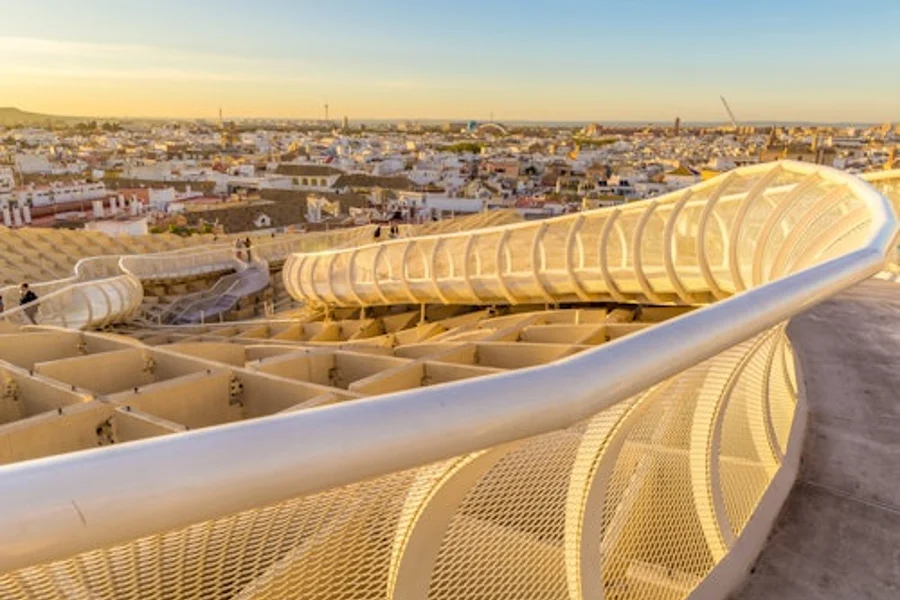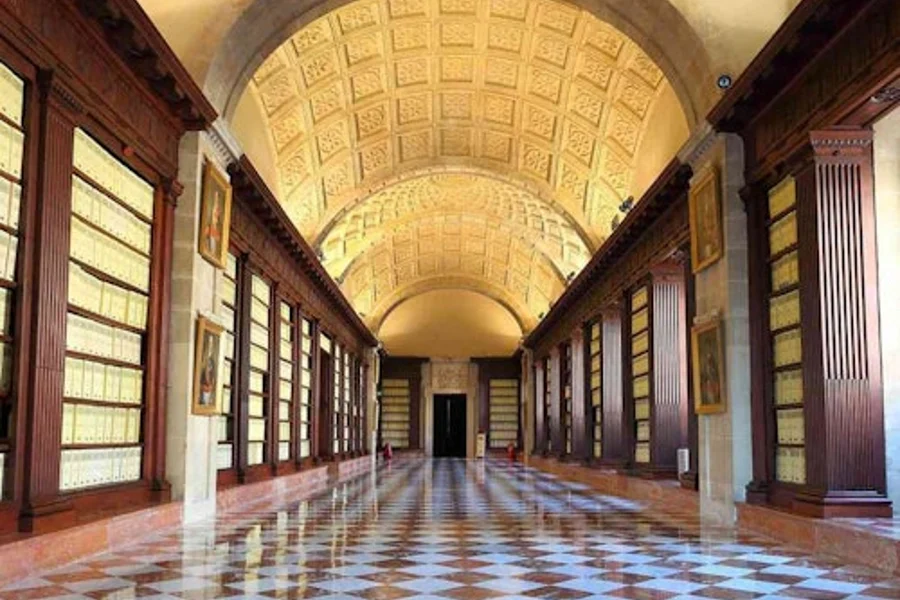
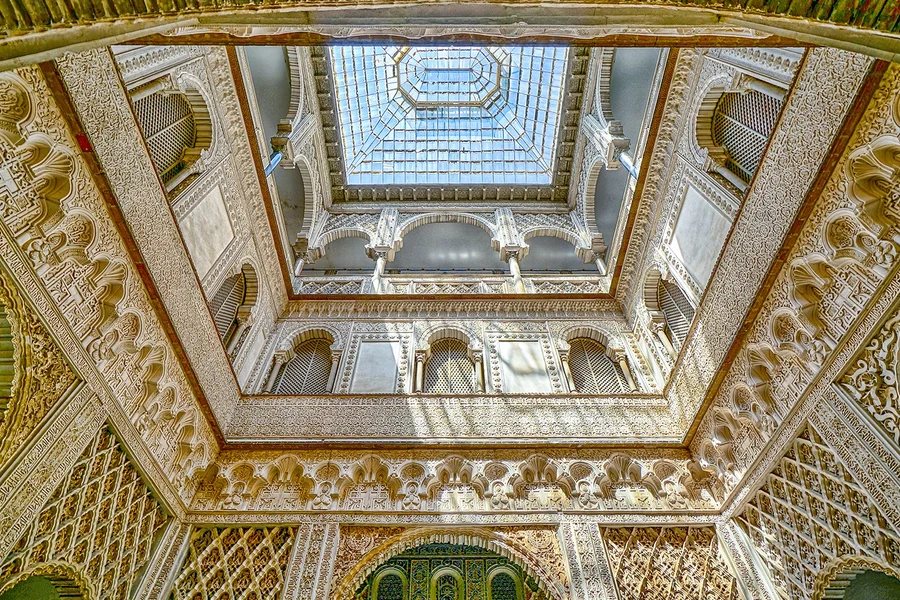
What's Trending in Seville?

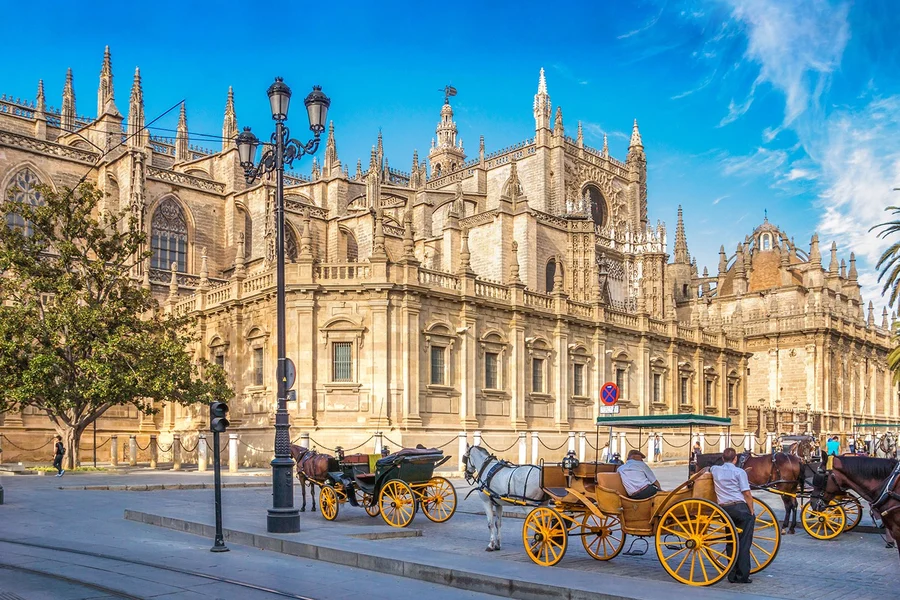
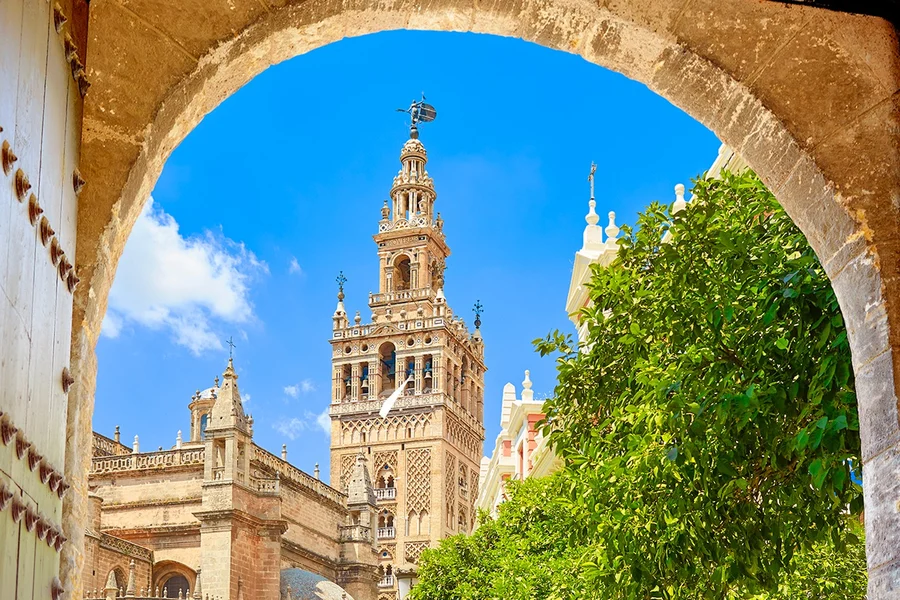
Seville blends Moorish palaces with soaring Gothic stone and streets that hum with flamenco rhythm. Feel the scale of Seville Cathedral, climb the Giralda Tower, and glide past queues with smart Seville tickets that fold in audio guides and priority entry.

From the royal halls of the Alcázar to the patios of Palacio de las Dueñas, you can pair hop-on hop-off buses, attraction combos, and night tours, then layer in flamenco and tapas experiences as you plan your Seville days and evenings.

All Seville tickets


Seville quick facts: airports, stations and maps

Plan your days with these essential details for Seville Spain. Knowing how the city is laid out, where you arrive, and how you move between the cathedral area, Triana, and the palaces saves time and helps you choose the best Seville tickets and tours.

  • State/Region/Country: Capital of Andalusia in southern Spain, on the Guadalquivir River, a historic crossroads of Christian and Moorish culture.

  • Airports: Seville Airport SVQ, sometimes called Aeropuerto de Sevilla, with frequent flights to Madrid, Barcelona, and European hubs.

  • Main stations/hubs: Sevilla-Santa Justa for high speed AVE trains, Sevilla-San Bernardo for regional rail and Metro de Sevilla, Prado de San Sebastián and Plaza de Armas as key bus terminals.

  • Public transport: Metro de Sevilla line 1, TUSSAM urban buses, including circular routes, plus trams linking San Bernardo with Plaza Nueva.

  • Paying fares: Standard single tickets from drivers or machines, with reloadable transport cards and contactless payments on many TUSSAM routes.

  • Coordinates: Around 37.389° N latitude and 5.984° W longitude in western Andalusia.

  • Popular neighbourhoods: Santa Cruz around Seville Cathedral, El Arenal near the river, Triana across the Puente de Triana, Alameda de Hércules for nightlife, Macarena for local life, and the historic center around Plaza Nueva.

  • Additional context: Compact, flat city that favors walking, cycling, and rooftop views from the Giralda Tower instead of mountain or beach escapes.

Recent visitors notice that Seville’s historic center is largely pedestrian, which is great for strolling between the Alcázar, Seville Cathedral, and tapas bars, but it also means taxis and buses stop at the edges, so allow a few extra minutes on foot.

Top things to do in Seville

Start with the iconic monuments in central Seville, then add a neighborhood wander, a flamenco evening, and a tapas tour for balance.

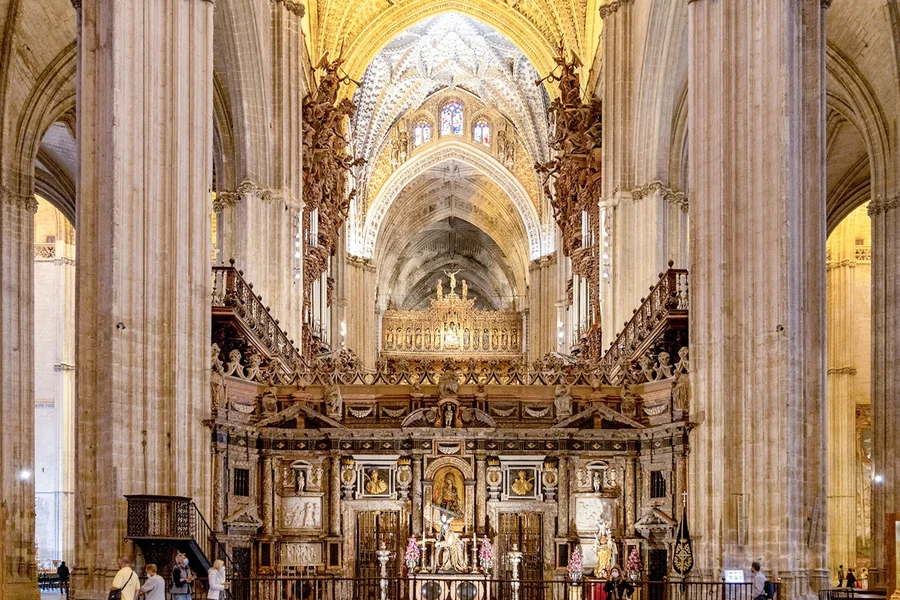
  • Seville Cathedral tickets with Giralda Tower access: Explore the vast Gothic interior, admire the Retablo Mayor and the tomb of Christopher Columbus, then climb the Giralda’s ramps for sweeping city views.

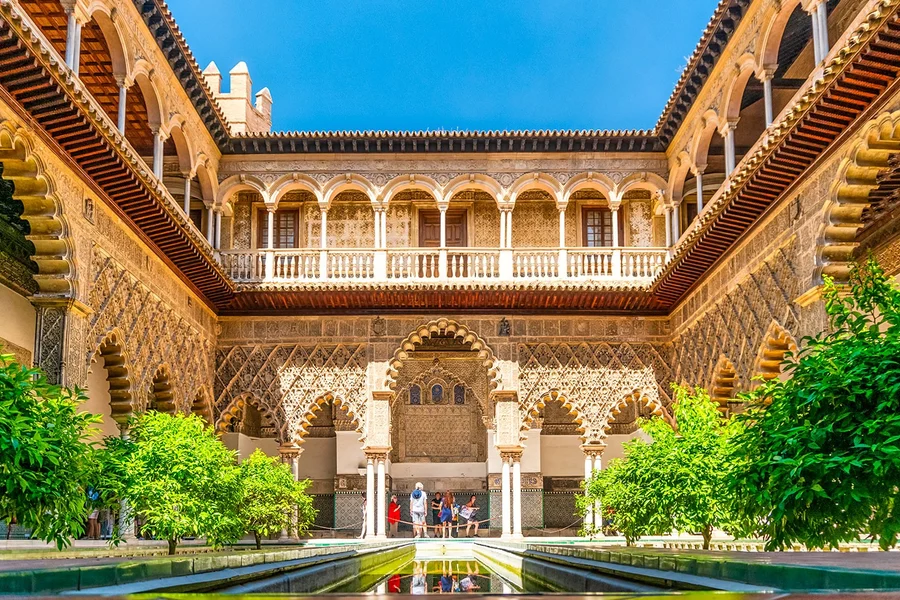
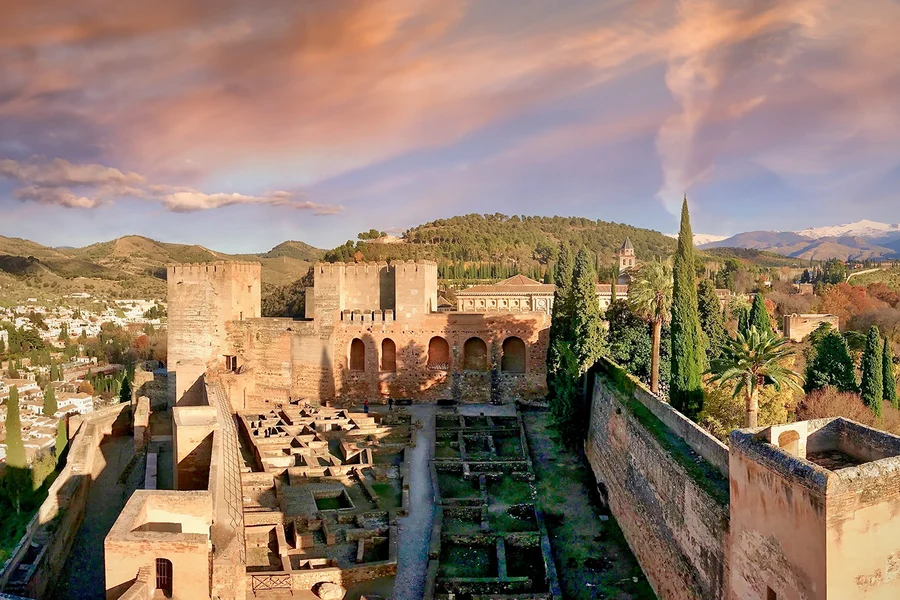
  • Real Alcázar skip-the-line tickets: Walk through Moorish courtyards, intricate tilework, and lush gardens in one of Europe’s most atmospheric royal palaces, often included in Seville combo tickets.

  • Guided Seville highlights tour: Join a small-group Seville guided tour that links the Alcázar, Seville Cathedral, and the Giralda in one streamlined visit with expert commentary.

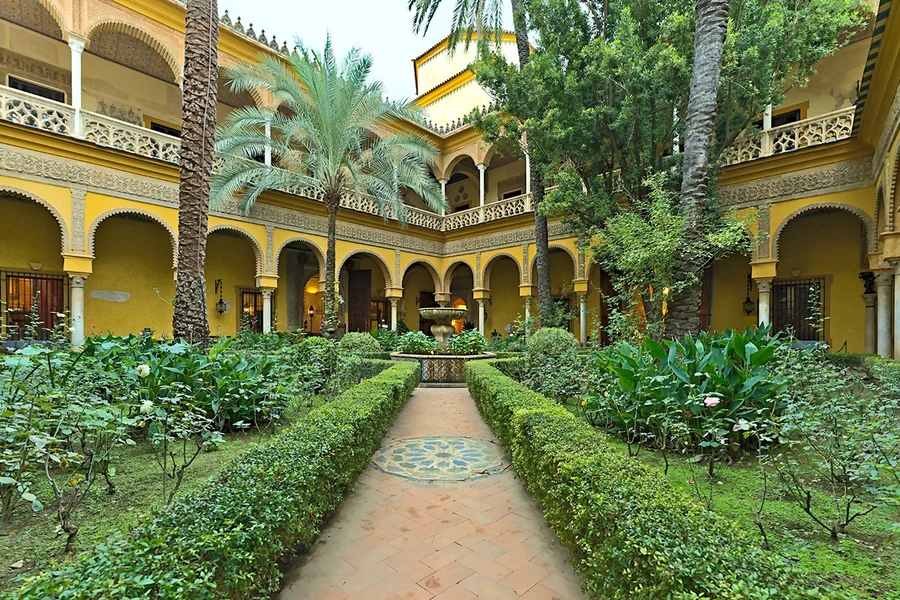
  • Palacio de las Dueñas tickets with audio guide: Discover a noble residence filled with art, patios, and gardens, using the audio guide to understand its role in Seville’s aristocratic history.

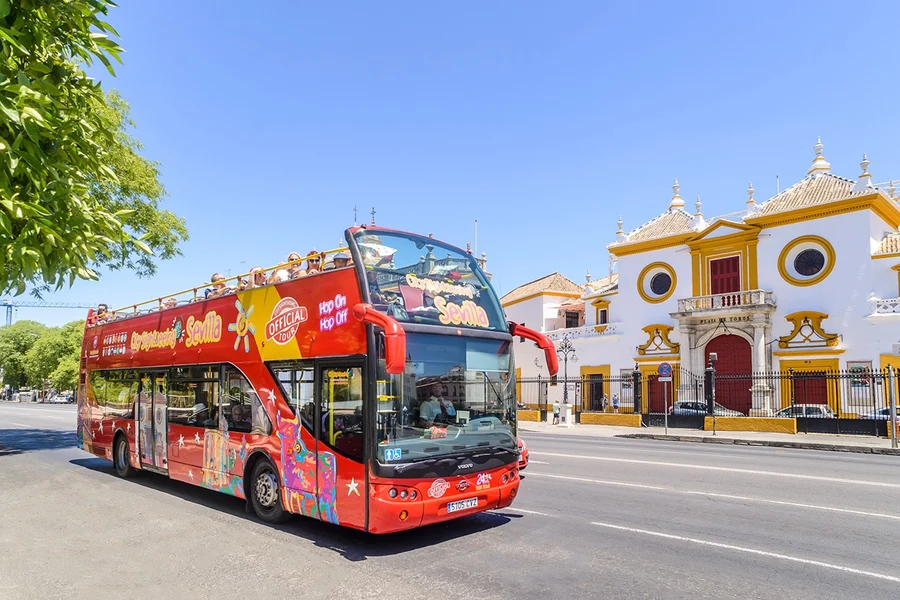
  • Seville hop-on hop-off bus: Use flexible bus routes to reach the Seville Aquarium, Flamenco Dance Museum, Macarena Museum, and riverfront viewpoints at your own pace.

  • Evening Seville night tours: Join a night walking tour through the historic center when City Hall, the cathedral facades, and the Giralda are beautifully illuminated.

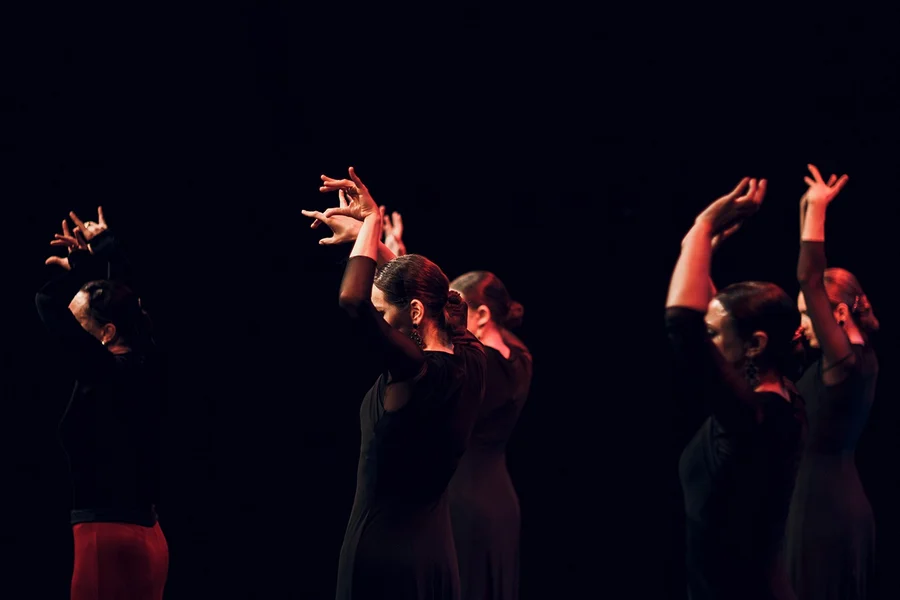
  • Flamenco shows with official Seville flamenco tickets: Experience live cante, guitar, and dance in intimate venues, then debrief over late night tapas.

  • Seville tapas tours: Follow a local through Santa Cruz or Triana bars to sample tortilla, jamón ibérico, and regional wines while hearing stories of the old city.

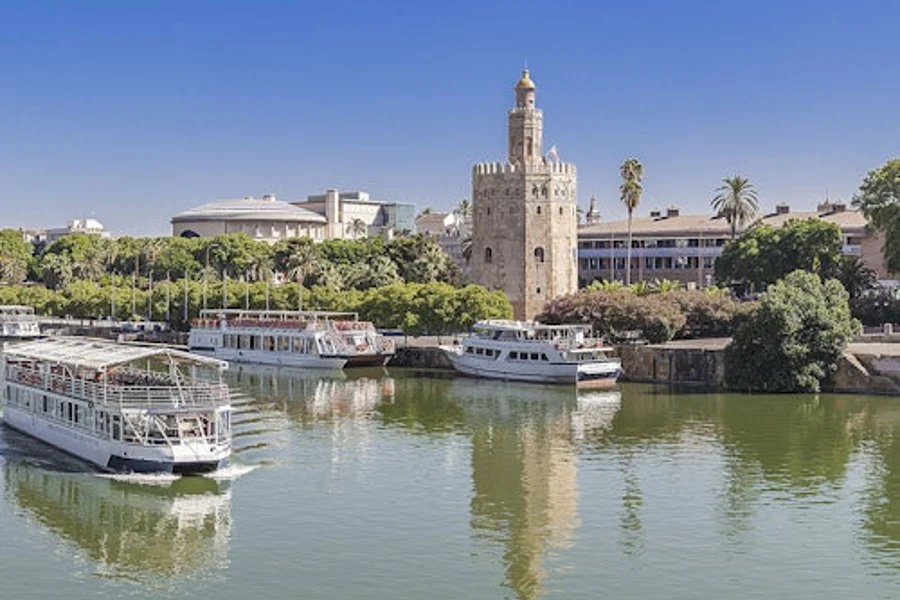
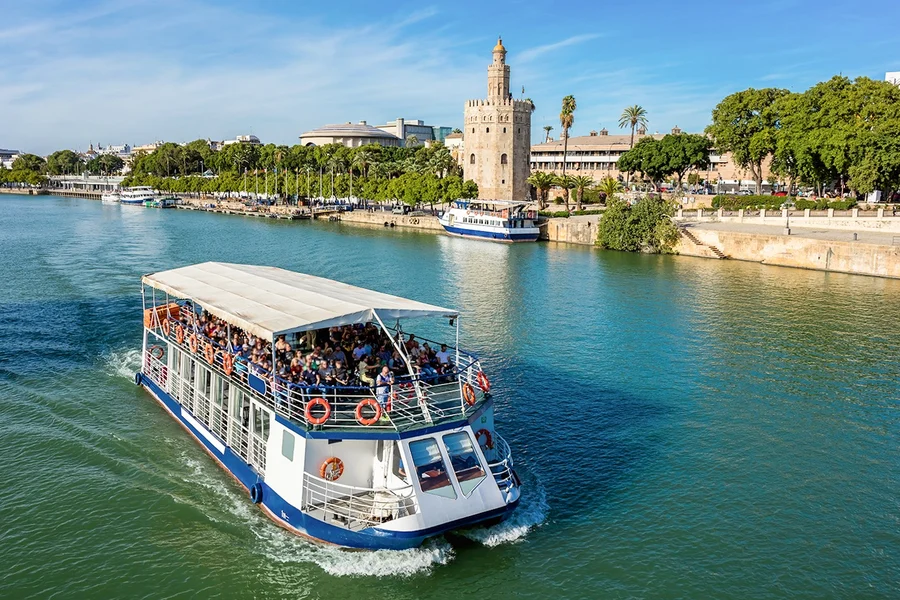
  • Riverside walk in Triana: Stroll the Calle Betis waterfront, look back toward Seville’s historic skyline, and explore ceramic shops and lively tapas spots.

  • Museums with Seville museum tickets: Combine the Flamenco Dance Museum with the Seville Aquarium or Macarena Museum as part of a hop-on hop-off attractions pack.

Tickets and passes in Seville

Booking Seville attraction tickets in advance cuts queues, secures timed entry, and helps you link major monuments into one efficient route.

  • Seville Cathedral and Giralda fast track tickets: Reserve priority entry with a multilingual audio guide or a guided tour that highlights the Retablo Mayor, side chapels, and the Giralda Tower ascent.

  • Real Alcázar skip-the-line tickets: Timed entry slots reduce waiting, especially in high season, and are often combined with Seville Cathedral tickets for better value.

  • Seville combo tickets: Look for Alcázar plus Seville Cathedral plus Giralda packages or Palacio de las Dueñas plus Real Alcázar bundles that include audio guides.

  • Seville hop-on hop-off bus and attractions pack: A flexible option if you plan to visit the Seville Aquarium, Flamenco Dance Museum, and Macarena Museum along with panoramic city touring.

  • Flamenco and tapas experiences: Pre-book Seville flamenco tickets and tapas tours to lock in showtimes, especially on weekends and during local festivals.

If you plan to visit at least two major paid sights in a couple of days, such as Seville Cathedral with the Giralda and the Alcázar, then add a palace or museum, Seville combo tickets usually offer better value than buying separate admissions.

Getting around Seville by foot, bus and metro

Seville is a walkable city, with most headline attractions clustered around the historic center, supported by TUSSAM buses, trams, and a simple single-line metro.

  • Airport to city: From Seville Airport SVQ, take the EA airport bus toward Plaza de Armas for stops near Santa Justa, San Bernardo, and central hotels, or use licensed taxis for door-to-door service.

  • Metro de Sevilla line 1: This single metro line connects Ciudad Expo with Olivar de Quintos, passing key interchanges at Sevilla-San Bernardo and Prado de San Sebastián for easy access to the historic center.

  • TUSSAM buses and tram: Use numbered TUSSAM buses to reach Triana, Macarena, and the riverfront, and the surface tram between San Bernardo and Plaza Nueva for a simple link into central Seville.

  • Tickets and cards: Buy single bus and tram tickets from drivers or machines, or load multi-trip cards for better value if you expect several rides per day.

  • Walking the historic center: Streets around Seville Cathedral, the Alcázar, and Santa Cruz are pedestrian friendly, so expect to walk short distances from your nearest bus or tram stop.

  • Bikes and alternative transport: Flat terrain makes cycling popular, and rideshare or taxis help late at night, after flamenco shows or tapas tours in Triana and Alameda.

  • Timing tips: In the hottest months, plan Seville Cathedral, Giralda, and Alcázar visits early in the morning, then use shaded streets, buses, or your hotel for a midday break.

When is the best time to visit Seville?

The best times to visit Seville are spring and autumn. March to May brings orange blossoms, comfortable 18 to 26°C days, and festivals like Semana Santa and Feria de Abril, with higher prices and crowds. October and November are milder with fewer visitors. July and August can exceed 38°C, so plan early cathedral and Alcázar visits and long siestas.

How many days do you need in Seville?

With two days in Seville you can tour Seville Cathedral, climb the Giralda, visit the Alcázar, and wander Santa Cruz and Triana. A third day lets you add Palacio de las Dueñas, a Seville hop-on hop-off circuit, or museum visits. With four or five days, include flamenco shows, tapas tours, and slower walks along the Guadalquivir River.

Is Seville expensive to visit?

Seville is generally more affordable than Madrid or Barcelona, especially for food and local transport. Accommodation and Seville Cathedral tickets rise at Easter and during Feria de Abril, so book early. Combo tickets for the Alcázar, cathedral, and Giralda, plus Palacio de las Dueñas, can reduce costs if you plan multiple paid attractions in a short stay.

What are the must-see attractions in Seville?

Must-see attractions in Seville include Seville Cathedral with the Giralda Tower and the golden Retablo Mayor, plus the Real Alcázar with its Moorish patios and gardens. Add Palacio de las Dueñas for aristocratic history, Triana’s riverfront for views back to the city, and an evening flamenco show, ideally paired with a tapas tour in Santa Cruz or El Arenal.

Do I need to book Seville Cathedral and Giralda tickets in advance?

Booking Seville Cathedral and Giralda Tower tickets in advance is strongly recommended, especially in spring and early summer. Timed entry and skip-the-line options often sell out for peak hours. If online slots are gone, look for guided Seville highlights tours or combo tickets that include cathedral access, or choose earlier morning windows when crowds are thinner.

How do I get from SVQ to central Seville?

From Seville Airport SVQ, the EA airport bus runs every 20 to 30 minutes to Plaza de Armas, stopping at Sevilla-Santa Justa and near San Bernardo, which suits most central hotels. The ride takes around 35 minutes and is the cheapest option. Taxis and rideshare provide faster, door-to-door service, useful with luggage or late night flights.

Where should I stay in Seville?

For first-time visitors, Santa Cruz puts you close to Seville Cathedral and the Alcázar in atmospheric narrow streets. El Arenal suits river walks and bullring views. Triana offers local life, ceramics, and tapas along Calle Betis. Alameda de Hércules is lively and bohemian at night, while the area around Plaza Nueva balances central location and quieter accommodation.

What is Seville known for?

Seville is known for its monumental Seville Cathedral and the Giralda Tower, the intricate Real Alcázar, and the passion of flamenco. The city’s whitewashed Santa Cruz lanes, Triana’s ceramic heritage, and festivals like Semana Santa and Feria de Abril shape local life. Visitors also associate Seville with tapas culture, orange trees, and long golden evenings by the Guadalquivir River.


Seville quick facts: airports, stations and maps

Plan your days with these essential details for Seville Spain. Knowing how the city is laid out, where you arrive, and how you move between the cathedral area, Triana, and the palaces saves time and helps you choose the best Seville tickets and tours.

  • State/Region/Country: Capital of Andalusia in southern Spain, on the Guadalquivir River, a historic crossroads of Christian and Moorish culture.

  • Airports: Seville Airport SVQ, sometimes called Aeropuerto de Sevilla, with frequent flights to Madrid, Barcelona, and European hubs.

  • Main stations/hubs: Sevilla-Santa Justa for high speed AVE trains, Sevilla-San Bernardo for regional rail and Metro de Sevilla, Prado de San Sebastián and Plaza de Armas as key bus terminals.

  • Public transport: Metro de Sevilla line 1, TUSSAM urban buses, including circular routes, plus trams linking San Bernardo with Plaza Nueva.

  • Paying fares: Standard single tickets from drivers or machines, with reloadable transport cards and contactless payments on many TUSSAM routes.

  • Coordinates: Around 37.389° N latitude and 5.984° W longitude in western Andalusia.

  • Popular neighbourhoods: Santa Cruz around Seville Cathedral, El Arenal near the river, Triana across the Puente de Triana, Alameda de Hércules for nightlife, Macarena for local life, and the historic center around Plaza Nueva.

  • Additional context: Compact, flat city that favors walking, cycling, and rooftop views from the Giralda Tower instead of mountain or beach escapes.

Recent visitors notice that Seville’s historic center is largely pedestrian, which is great for strolling between the Alcázar, Seville Cathedral, and tapas bars, but it also means taxis and buses stop at the edges, so allow a few extra minutes on foot.

Top things to do in Seville

Start with the iconic monuments in central Seville, then add a neighborhood wander, a flamenco evening, and a tapas tour for balance.

  • Seville Cathedral tickets with Giralda Tower access: Explore the vast Gothic interior, admire the Retablo Mayor and the tomb of Christopher Columbus, then climb the Giralda’s ramps for sweeping city views.

  • Real Alcázar skip-the-line tickets: Walk through Moorish courtyards, intricate tilework, and lush gardens in one of Europe’s most atmospheric royal palaces, often included in Seville combo tickets.

  • Guided Seville highlights tour: Join a small-group Seville guided tour that links the Alcázar, Seville Cathedral, and the Giralda in one streamlined visit with expert commentary.

  • Palacio de las Dueñas tickets with audio guide: Discover a noble residence filled with art, patios, and gardens, using the audio guide to understand its role in Seville’s aristocratic history.

  • Seville hop-on hop-off bus: Use flexible bus routes to reach the Seville Aquarium, Flamenco Dance Museum, Macarena Museum, and riverfront viewpoints at your own pace.

  • Evening Seville night tours: Join a night walking tour through the historic center when City Hall, the cathedral facades, and the Giralda are beautifully illuminated.

  • Flamenco shows with official Seville flamenco tickets: Experience live cante, guitar, and dance in intimate venues, then debrief over late night tapas.

  • Seville tapas tours: Follow a local through Santa Cruz or Triana bars to sample tortilla, jamón ibérico, and regional wines while hearing stories of the old city.

  • Riverside walk in Triana: Stroll the Calle Betis waterfront, look back toward Seville’s historic skyline, and explore ceramic shops and lively tapas spots.

  • Museums with Seville museum tickets: Combine the Flamenco Dance Museum with the Seville Aquarium or Macarena Museum as part of a hop-on hop-off attractions pack.

Tickets and passes in Seville

Booking Seville attraction tickets in advance cuts queues, secures timed entry, and helps you link major monuments into one efficient route.

  • Seville Cathedral and Giralda fast track tickets: Reserve priority entry with a multilingual audio guide or a guided tour that highlights the Retablo Mayor, side chapels, and the Giralda Tower ascent.

  • Real Alcázar skip-the-line tickets: Timed entry slots reduce waiting, especially in high season, and are often combined with Seville Cathedral tickets for better value.

  • Seville combo tickets: Look for Alcázar plus Seville Cathedral plus Giralda packages or Palacio de las Dueñas plus Real Alcázar bundles that include audio guides.

  • Seville hop-on hop-off bus and attractions pack: A flexible option if you plan to visit the Seville Aquarium, Flamenco Dance Museum, and Macarena Museum along with panoramic city touring.

  • Flamenco and tapas experiences: Pre-book Seville flamenco tickets and tapas tours to lock in showtimes, especially on weekends and during local festivals.

If you plan to visit at least two major paid sights in a couple of days, such as Seville Cathedral with the Giralda and the Alcázar, then add a palace or museum, Seville combo tickets usually offer better value than buying separate admissions.

Getting around Seville by foot, bus and metro

Seville is a walkable city, with most headline attractions clustered around the historic center, supported by TUSSAM buses, trams, and a simple single-line metro.

  • Airport to city: From Seville Airport SVQ, take the EA airport bus toward Plaza de Armas for stops near Santa Justa, San Bernardo, and central hotels, or use licensed taxis for door-to-door service.

  • Metro de Sevilla line 1: This single metro line connects Ciudad Expo with Olivar de Quintos, passing key interchanges at Sevilla-San Bernardo and Prado de San Sebastián for easy access to the historic center.

  • TUSSAM buses and tram: Use numbered TUSSAM buses to reach Triana, Macarena, and the riverfront, and the surface tram between San Bernardo and Plaza Nueva for a simple link into central Seville.

  • Tickets and cards: Buy single bus and tram tickets from drivers or machines, or load multi-trip cards for better value if you expect several rides per day.

  • Walking the historic center: Streets around Seville Cathedral, the Alcázar, and Santa Cruz are pedestrian friendly, so expect to walk short distances from your nearest bus or tram stop.

  • Bikes and alternative transport: Flat terrain makes cycling popular, and rideshare or taxis help late at night, after flamenco shows or tapas tours in Triana and Alameda.

  • Timing tips: In the hottest months, plan Seville Cathedral, Giralda, and Alcázar visits early in the morning, then use shaded streets, buses, or your hotel for a midday break.

When is the best time to visit Seville?

The best times to visit Seville are spring and autumn. March to May brings orange blossoms, comfortable 18 to 26°C days, and festivals like Semana Santa and Feria de Abril, with higher prices and crowds. October and November are milder with fewer visitors. July and August can exceed 38°C, so plan early cathedral and Alcázar visits and long siestas.

How many days do you need in Seville?

With two days in Seville you can tour Seville Cathedral, climb the Giralda, visit the Alcázar, and wander Santa Cruz and Triana. A third day lets you add Palacio de las Dueñas, a Seville hop-on hop-off circuit, or museum visits. With four or five days, include flamenco shows, tapas tours, and slower walks along the Guadalquivir River.

Is Seville expensive to visit?

Seville is generally more affordable than Madrid or Barcelona, especially for food and local transport. Accommodation and Seville Cathedral tickets rise at Easter and during Feria de Abril, so book early. Combo tickets for the Alcázar, cathedral, and Giralda, plus Palacio de las Dueñas, can reduce costs if you plan multiple paid attractions in a short stay.

What are the must-see attractions in Seville?

Must-see attractions in Seville include Seville Cathedral with the Giralda Tower and the golden Retablo Mayor, plus the Real Alcázar with its Moorish patios and gardens. Add Palacio de las Dueñas for aristocratic history, Triana’s riverfront for views back to the city, and an evening flamenco show, ideally paired with a tapas tour in Santa Cruz or El Arenal.

Do I need to book Seville Cathedral and Giralda tickets in advance?

Booking Seville Cathedral and Giralda Tower tickets in advance is strongly recommended, especially in spring and early summer. Timed entry and skip-the-line options often sell out for peak hours. If online slots are gone, look for guided Seville highlights tours or combo tickets that include cathedral access, or choose earlier morning windows when crowds are thinner.

How do I get from SVQ to central Seville?

From Seville Airport SVQ, the EA airport bus runs every 20 to 30 minutes to Plaza de Armas, stopping at Sevilla-Santa Justa and near San Bernardo, which suits most central hotels. The ride takes around 35 minutes and is the cheapest option. Taxis and rideshare provide faster, door-to-door service, useful with luggage or late night flights.

Where should I stay in Seville?

For first-time visitors, Santa Cruz puts you close to Seville Cathedral and the Alcázar in atmospheric narrow streets. El Arenal suits river walks and bullring views. Triana offers local life, ceramics, and tapas along Calle Betis. Alameda de Hércules is lively and bohemian at night, while the area around Plaza Nueva balances central location and quieter accommodation.

What is Seville known for?

Seville is known for its monumental Seville Cathedral and the Giralda Tower, the intricate Real Alcázar, and the passion of flamenco. The city’s whitewashed Santa Cruz lanes, Triana’s ceramic heritage, and festivals like Semana Santa and Feria de Abril shape local life. Visitors also associate Seville with tapas culture, orange trees, and long golden evenings by the Guadalquivir River.


Seville quick facts: airports, stations and maps

Plan your days with these essential details for Seville Spain. Knowing how the city is laid out, where you arrive, and how you move between the cathedral area, Triana, and the palaces saves time and helps you choose the best Seville tickets and tours.

  • State/Region/Country: Capital of Andalusia in southern Spain, on the Guadalquivir River, a historic crossroads of Christian and Moorish culture.

  • Airports: Seville Airport SVQ, sometimes called Aeropuerto de Sevilla, with frequent flights to Madrid, Barcelona, and European hubs.

  • Main stations/hubs: Sevilla-Santa Justa for high speed AVE trains, Sevilla-San Bernardo for regional rail and Metro de Sevilla, Prado de San Sebastián and Plaza de Armas as key bus terminals.

  • Public transport: Metro de Sevilla line 1, TUSSAM urban buses, including circular routes, plus trams linking San Bernardo with Plaza Nueva.

  • Paying fares: Standard single tickets from drivers or machines, with reloadable transport cards and contactless payments on many TUSSAM routes.

  • Coordinates: Around 37.389° N latitude and 5.984° W longitude in western Andalusia.

  • Popular neighbourhoods: Santa Cruz around Seville Cathedral, El Arenal near the river, Triana across the Puente de Triana, Alameda de Hércules for nightlife, Macarena for local life, and the historic center around Plaza Nueva.

  • Additional context: Compact, flat city that favors walking, cycling, and rooftop views from the Giralda Tower instead of mountain or beach escapes.

Recent visitors notice that Seville’s historic center is largely pedestrian, which is great for strolling between the Alcázar, Seville Cathedral, and tapas bars, but it also means taxis and buses stop at the edges, so allow a few extra minutes on foot.

Top things to do in Seville

Start with the iconic monuments in central Seville, then add a neighborhood wander, a flamenco evening, and a tapas tour for balance.

  • Seville Cathedral tickets with Giralda Tower access: Explore the vast Gothic interior, admire the Retablo Mayor and the tomb of Christopher Columbus, then climb the Giralda’s ramps for sweeping city views.

  • Real Alcázar skip-the-line tickets: Walk through Moorish courtyards, intricate tilework, and lush gardens in one of Europe’s most atmospheric royal palaces, often included in Seville combo tickets.

  • Guided Seville highlights tour: Join a small-group Seville guided tour that links the Alcázar, Seville Cathedral, and the Giralda in one streamlined visit with expert commentary.

  • Palacio de las Dueñas tickets with audio guide: Discover a noble residence filled with art, patios, and gardens, using the audio guide to understand its role in Seville’s aristocratic history.

  • Seville hop-on hop-off bus: Use flexible bus routes to reach the Seville Aquarium, Flamenco Dance Museum, Macarena Museum, and riverfront viewpoints at your own pace.

  • Evening Seville night tours: Join a night walking tour through the historic center when City Hall, the cathedral facades, and the Giralda are beautifully illuminated.

  • Flamenco shows with official Seville flamenco tickets: Experience live cante, guitar, and dance in intimate venues, then debrief over late night tapas.

  • Seville tapas tours: Follow a local through Santa Cruz or Triana bars to sample tortilla, jamón ibérico, and regional wines while hearing stories of the old city.

  • Riverside walk in Triana: Stroll the Calle Betis waterfront, look back toward Seville’s historic skyline, and explore ceramic shops and lively tapas spots.

  • Museums with Seville museum tickets: Combine the Flamenco Dance Museum with the Seville Aquarium or Macarena Museum as part of a hop-on hop-off attractions pack.

Tickets and passes in Seville

Booking Seville attraction tickets in advance cuts queues, secures timed entry, and helps you link major monuments into one efficient route.

  • Seville Cathedral and Giralda fast track tickets: Reserve priority entry with a multilingual audio guide or a guided tour that highlights the Retablo Mayor, side chapels, and the Giralda Tower ascent.

  • Real Alcázar skip-the-line tickets: Timed entry slots reduce waiting, especially in high season, and are often combined with Seville Cathedral tickets for better value.

  • Seville combo tickets: Look for Alcázar plus Seville Cathedral plus Giralda packages or Palacio de las Dueñas plus Real Alcázar bundles that include audio guides.

  • Seville hop-on hop-off bus and attractions pack: A flexible option if you plan to visit the Seville Aquarium, Flamenco Dance Museum, and Macarena Museum along with panoramic city touring.

  • Flamenco and tapas experiences: Pre-book Seville flamenco tickets and tapas tours to lock in showtimes, especially on weekends and during local festivals.

If you plan to visit at least two major paid sights in a couple of days, such as Seville Cathedral with the Giralda and the Alcázar, then add a palace or museum, Seville combo tickets usually offer better value than buying separate admissions.

Getting around Seville by foot, bus and metro

Seville is a walkable city, with most headline attractions clustered around the historic center, supported by TUSSAM buses, trams, and a simple single-line metro.

  • Airport to city: From Seville Airport SVQ, take the EA airport bus toward Plaza de Armas for stops near Santa Justa, San Bernardo, and central hotels, or use licensed taxis for door-to-door service.

  • Metro de Sevilla line 1: This single metro line connects Ciudad Expo with Olivar de Quintos, passing key interchanges at Sevilla-San Bernardo and Prado de San Sebastián for easy access to the historic center.

  • TUSSAM buses and tram: Use numbered TUSSAM buses to reach Triana, Macarena, and the riverfront, and the surface tram between San Bernardo and Plaza Nueva for a simple link into central Seville.

  • Tickets and cards: Buy single bus and tram tickets from drivers or machines, or load multi-trip cards for better value if you expect several rides per day.

  • Walking the historic center: Streets around Seville Cathedral, the Alcázar, and Santa Cruz are pedestrian friendly, so expect to walk short distances from your nearest bus or tram stop.

  • Bikes and alternative transport: Flat terrain makes cycling popular, and rideshare or taxis help late at night, after flamenco shows or tapas tours in Triana and Alameda.

  • Timing tips: In the hottest months, plan Seville Cathedral, Giralda, and Alcázar visits early in the morning, then use shaded streets, buses, or your hotel for a midday break.

When is the best time to visit Seville?

The best times to visit Seville are spring and autumn. March to May brings orange blossoms, comfortable 18 to 26°C days, and festivals like Semana Santa and Feria de Abril, with higher prices and crowds. October and November are milder with fewer visitors. July and August can exceed 38°C, so plan early cathedral and Alcázar visits and long siestas.

How many days do you need in Seville?

With two days in Seville you can tour Seville Cathedral, climb the Giralda, visit the Alcázar, and wander Santa Cruz and Triana. A third day lets you add Palacio de las Dueñas, a Seville hop-on hop-off circuit, or museum visits. With four or five days, include flamenco shows, tapas tours, and slower walks along the Guadalquivir River.

Is Seville expensive to visit?

Seville is generally more affordable than Madrid or Barcelona, especially for food and local transport. Accommodation and Seville Cathedral tickets rise at Easter and during Feria de Abril, so book early. Combo tickets for the Alcázar, cathedral, and Giralda, plus Palacio de las Dueñas, can reduce costs if you plan multiple paid attractions in a short stay.

What are the must-see attractions in Seville?

Must-see attractions in Seville include Seville Cathedral with the Giralda Tower and the golden Retablo Mayor, plus the Real Alcázar with its Moorish patios and gardens. Add Palacio de las Dueñas for aristocratic history, Triana’s riverfront for views back to the city, and an evening flamenco show, ideally paired with a tapas tour in Santa Cruz or El Arenal.

Do I need to book Seville Cathedral and Giralda tickets in advance?

Booking Seville Cathedral and Giralda Tower tickets in advance is strongly recommended, especially in spring and early summer. Timed entry and skip-the-line options often sell out for peak hours. If online slots are gone, look for guided Seville highlights tours or combo tickets that include cathedral access, or choose earlier morning windows when crowds are thinner.

How do I get from SVQ to central Seville?

From Seville Airport SVQ, the EA airport bus runs every 20 to 30 minutes to Plaza de Armas, stopping at Sevilla-Santa Justa and near San Bernardo, which suits most central hotels. The ride takes around 35 minutes and is the cheapest option. Taxis and rideshare provide faster, door-to-door service, useful with luggage or late night flights.

Where should I stay in Seville?

For first-time visitors, Santa Cruz puts you close to Seville Cathedral and the Alcázar in atmospheric narrow streets. El Arenal suits river walks and bullring views. Triana offers local life, ceramics, and tapas along Calle Betis. Alameda de Hércules is lively and bohemian at night, while the area around Plaza Nueva balances central location and quieter accommodation.

What is Seville known for?

Seville is known for its monumental Seville Cathedral and the Giralda Tower, the intricate Real Alcázar, and the passion of flamenco. The city’s whitewashed Santa Cruz lanes, Triana’s ceramic heritage, and festivals like Semana Santa and Feria de Abril shape local life. Visitors also associate Seville with tapas culture, orange trees, and long golden evenings by the Guadalquivir River.


Seville quick facts: airports, stations and maps

Plan your days with these essential details for Seville Spain. Knowing how the city is laid out, where you arrive, and how you move between the cathedral area, Triana, and the palaces saves time and helps you choose the best Seville tickets and tours.

  • State/Region/Country: Capital of Andalusia in southern Spain, on the Guadalquivir River, a historic crossroads of Christian and Moorish culture.

  • Airports: Seville Airport SVQ, sometimes called Aeropuerto de Sevilla, with frequent flights to Madrid, Barcelona, and European hubs.

  • Main stations/hubs: Sevilla-Santa Justa for high speed AVE trains, Sevilla-San Bernardo for regional rail and Metro de Sevilla, Prado de San Sebastián and Plaza de Armas as key bus terminals.

  • Public transport: Metro de Sevilla line 1, TUSSAM urban buses, including circular routes, plus trams linking San Bernardo with Plaza Nueva.

  • Paying fares: Standard single tickets from drivers or machines, with reloadable transport cards and contactless payments on many TUSSAM routes.

  • Coordinates: Around 37.389° N latitude and 5.984° W longitude in western Andalusia.

  • Popular neighbourhoods: Santa Cruz around Seville Cathedral, El Arenal near the river, Triana across the Puente de Triana, Alameda de Hércules for nightlife, Macarena for local life, and the historic center around Plaza Nueva.

  • Additional context: Compact, flat city that favors walking, cycling, and rooftop views from the Giralda Tower instead of mountain or beach escapes.

Recent visitors notice that Seville’s historic center is largely pedestrian, which is great for strolling between the Alcázar, Seville Cathedral, and tapas bars, but it also means taxis and buses stop at the edges, so allow a few extra minutes on foot.

Top things to do in Seville

Start with the iconic monuments in central Seville, then add a neighborhood wander, a flamenco evening, and a tapas tour for balance.

  • Seville Cathedral tickets with Giralda Tower access: Explore the vast Gothic interior, admire the Retablo Mayor and the tomb of Christopher Columbus, then climb the Giralda’s ramps for sweeping city views.

  • Real Alcázar skip-the-line tickets: Walk through Moorish courtyards, intricate tilework, and lush gardens in one of Europe’s most atmospheric royal palaces, often included in Seville combo tickets.

  • Guided Seville highlights tour: Join a small-group Seville guided tour that links the Alcázar, Seville Cathedral, and the Giralda in one streamlined visit with expert commentary.

  • Palacio de las Dueñas tickets with audio guide: Discover a noble residence filled with art, patios, and gardens, using the audio guide to understand its role in Seville’s aristocratic history.

  • Seville hop-on hop-off bus: Use flexible bus routes to reach the Seville Aquarium, Flamenco Dance Museum, Macarena Museum, and riverfront viewpoints at your own pace.

  • Evening Seville night tours: Join a night walking tour through the historic center when City Hall, the cathedral facades, and the Giralda are beautifully illuminated.

  • Flamenco shows with official Seville flamenco tickets: Experience live cante, guitar, and dance in intimate venues, then debrief over late night tapas.

  • Seville tapas tours: Follow a local through Santa Cruz or Triana bars to sample tortilla, jamón ibérico, and regional wines while hearing stories of the old city.

  • Riverside walk in Triana: Stroll the Calle Betis waterfront, look back toward Seville’s historic skyline, and explore ceramic shops and lively tapas spots.

  • Museums with Seville museum tickets: Combine the Flamenco Dance Museum with the Seville Aquarium or Macarena Museum as part of a hop-on hop-off attractions pack.

Tickets and passes in Seville

Booking Seville attraction tickets in advance cuts queues, secures timed entry, and helps you link major monuments into one efficient route.

  • Seville Cathedral and Giralda fast track tickets: Reserve priority entry with a multilingual audio guide or a guided tour that highlights the Retablo Mayor, side chapels, and the Giralda Tower ascent.

  • Real Alcázar skip-the-line tickets: Timed entry slots reduce waiting, especially in high season, and are often combined with Seville Cathedral tickets for better value.

  • Seville combo tickets: Look for Alcázar plus Seville Cathedral plus Giralda packages or Palacio de las Dueñas plus Real Alcázar bundles that include audio guides.

  • Seville hop-on hop-off bus and attractions pack: A flexible option if you plan to visit the Seville Aquarium, Flamenco Dance Museum, and Macarena Museum along with panoramic city touring.

  • Flamenco and tapas experiences: Pre-book Seville flamenco tickets and tapas tours to lock in showtimes, especially on weekends and during local festivals.

If you plan to visit at least two major paid sights in a couple of days, such as Seville Cathedral with the Giralda and the Alcázar, then add a palace or museum, Seville combo tickets usually offer better value than buying separate admissions.

Getting around Seville by foot, bus and metro

Seville is a walkable city, with most headline attractions clustered around the historic center, supported by TUSSAM buses, trams, and a simple single-line metro.

  • Airport to city: From Seville Airport SVQ, take the EA airport bus toward Plaza de Armas for stops near Santa Justa, San Bernardo, and central hotels, or use licensed taxis for door-to-door service.

  • Metro de Sevilla line 1: This single metro line connects Ciudad Expo with Olivar de Quintos, passing key interchanges at Sevilla-San Bernardo and Prado de San Sebastián for easy access to the historic center.

  • TUSSAM buses and tram: Use numbered TUSSAM buses to reach Triana, Macarena, and the riverfront, and the surface tram between San Bernardo and Plaza Nueva for a simple link into central Seville.

  • Tickets and cards: Buy single bus and tram tickets from drivers or machines, or load multi-trip cards for better value if you expect several rides per day.

  • Walking the historic center: Streets around Seville Cathedral, the Alcázar, and Santa Cruz are pedestrian friendly, so expect to walk short distances from your nearest bus or tram stop.

  • Bikes and alternative transport: Flat terrain makes cycling popular, and rideshare or taxis help late at night, after flamenco shows or tapas tours in Triana and Alameda.

  • Timing tips: In the hottest months, plan Seville Cathedral, Giralda, and Alcázar visits early in the morning, then use shaded streets, buses, or your hotel for a midday break.

When is the best time to visit Seville?

The best times to visit Seville are spring and autumn. March to May brings orange blossoms, comfortable 18 to 26°C days, and festivals like Semana Santa and Feria de Abril, with higher prices and crowds. October and November are milder with fewer visitors. July and August can exceed 38°C, so plan early cathedral and Alcázar visits and long siestas.

How many days do you need in Seville?

With two days in Seville you can tour Seville Cathedral, climb the Giralda, visit the Alcázar, and wander Santa Cruz and Triana. A third day lets you add Palacio de las Dueñas, a Seville hop-on hop-off circuit, or museum visits. With four or five days, include flamenco shows, tapas tours, and slower walks along the Guadalquivir River.

Is Seville expensive to visit?

Seville is generally more affordable than Madrid or Barcelona, especially for food and local transport. Accommodation and Seville Cathedral tickets rise at Easter and during Feria de Abril, so book early. Combo tickets for the Alcázar, cathedral, and Giralda, plus Palacio de las Dueñas, can reduce costs if you plan multiple paid attractions in a short stay.

What are the must-see attractions in Seville?

Must-see attractions in Seville include Seville Cathedral with the Giralda Tower and the golden Retablo Mayor, plus the Real Alcázar with its Moorish patios and gardens. Add Palacio de las Dueñas for aristocratic history, Triana’s riverfront for views back to the city, and an evening flamenco show, ideally paired with a tapas tour in Santa Cruz or El Arenal.

Do I need to book Seville Cathedral and Giralda tickets in advance?

Booking Seville Cathedral and Giralda Tower tickets in advance is strongly recommended, especially in spring and early summer. Timed entry and skip-the-line options often sell out for peak hours. If online slots are gone, look for guided Seville highlights tours or combo tickets that include cathedral access, or choose earlier morning windows when crowds are thinner.

How do I get from SVQ to central Seville?

From Seville Airport SVQ, the EA airport bus runs every 20 to 30 minutes to Plaza de Armas, stopping at Sevilla-Santa Justa and near San Bernardo, which suits most central hotels. The ride takes around 35 minutes and is the cheapest option. Taxis and rideshare provide faster, door-to-door service, useful with luggage or late night flights.

Where should I stay in Seville?

For first-time visitors, Santa Cruz puts you close to Seville Cathedral and the Alcázar in atmospheric narrow streets. El Arenal suits river walks and bullring views. Triana offers local life, ceramics, and tapas along Calle Betis. Alameda de Hércules is lively and bohemian at night, while the area around Plaza Nueva balances central location and quieter accommodation.

What is Seville known for?

Seville is known for its monumental Seville Cathedral and the Giralda Tower, the intricate Real Alcázar, and the passion of flamenco. The city’s whitewashed Santa Cruz lanes, Triana’s ceramic heritage, and festivals like Semana Santa and Feria de Abril shape local life. Visitors also associate Seville with tapas culture, orange trees, and long golden evenings by the Guadalquivir River.