What's Trending in Porto?
Porto pairs azulejo-covered hillsides with Douro River bridges and timeless port wine lodges. Glide under Dom Luís I on a six bridges Douro River cruise, climb Torre dos Clérigos, visit São Bento Station, and prebook Porto hop-on hop-off bus tickets or Clérigos Tower tickets with tickadoo to keep your plans smooth.
From Ribeira to Foz and Vila Nova de Gaia, you can bundle a Douro River cruise Porto experience with a Porto.CARD city pass, choose electric tuk-tuk or Segway tours, and line up Gaia wine cellars and museums as you start planning your Porto days.
All Porto tickets
Load more events
Load more events
Load more events
Porto quick facts: airports, stations and maps
Plan your days with these essential details for Porto Portugal. This compact Atlantic city stretches along the Douro River, with steep streets, historic viewpoints, and easy access to nearby beaches and wine cellars across the river in Vila Nova de Gaia.
State/Region/Country: Porto sits in the Norte Region of Portugal, in the northwestern part of the country along the Atlantic coast.
Airports: Francisco Sá Carneiro Airport OPO serves Porto with European and some intercontinental flights.
Main stations/hubs: São Bento Station handles many regional trains in a tiled historic hall, while Campanhã is the main long distance rail hub connecting to Lisbon and Braga.
Public transport: Metro do Porto operates light metro lines A, B, C, D, E and F, complemented by STCP buses and CP Urbanos suburban trains along the Douro and Minho corridors.
Paying fares: The Andante card covers metro, many buses and some trains, with zoned pricing. You top it up at machines in stations, which keeps local journeys simple and predictable.
Coordinates: Porto’s historic center sits around 41.1496° N latitude and 8.6109° W longitude.
Popular neighbourhoods: Ribeira by the riverfront, Baixa around Avenida dos Aliados, Cedofeita for creative shops, Foz by the Atlantic, and Vila Nova de Gaia for port wine cellars.
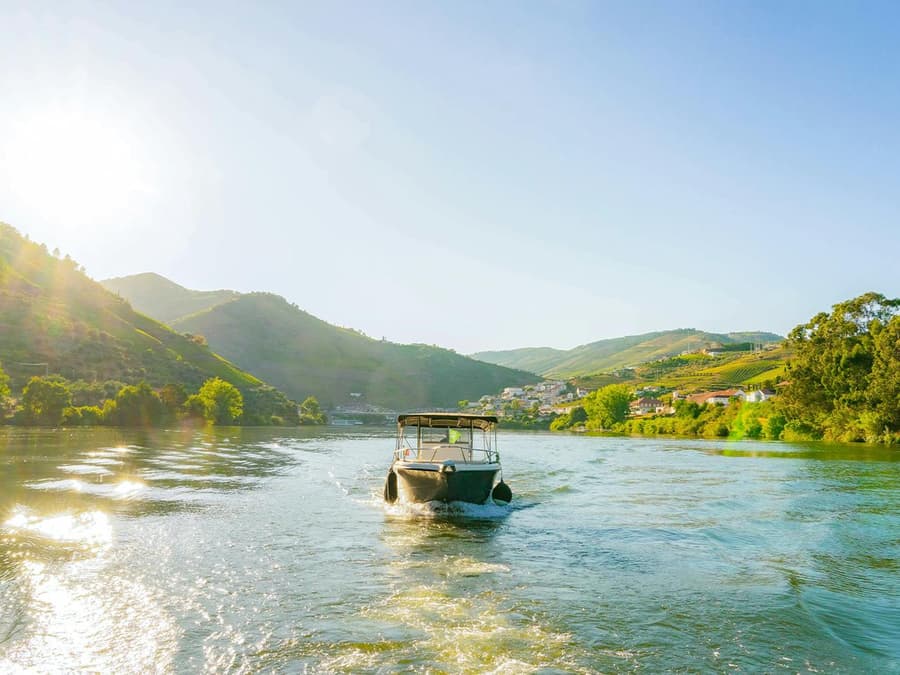
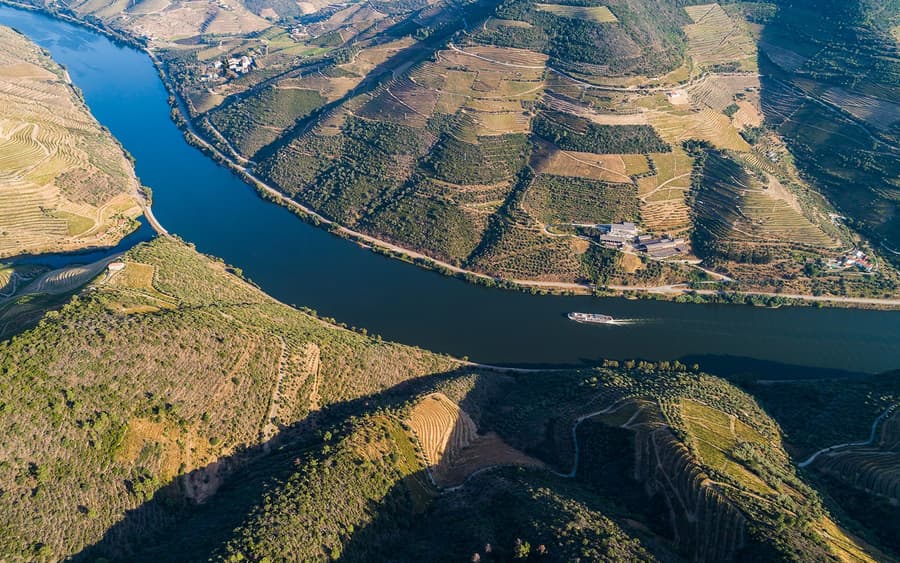
Additional context: The Atlantic shoreline near Foz and Castelo do Queijo offers promenades and beaches, while the Douro Valley vineyards sit upstream and are reachable on cruises and rail trips.
Recent visitors benefit from frequent Metro do Porto services between OPO Airport and the city center, which make arriving without a car much easier than in many similarly sized European cities.
Top things to do in Porto
Start with the river and hilltop icons, then add hidden museums, neighbourhood walks, and a Gaia wine experience for a balanced list of things to do in Porto.
48-hour hop-on hop-off bus and river cruise combo: Use tickadoo to secure Porto hop-on hop-off bus tickets that include a Douro River six bridges cruise and audio guide across two routes.
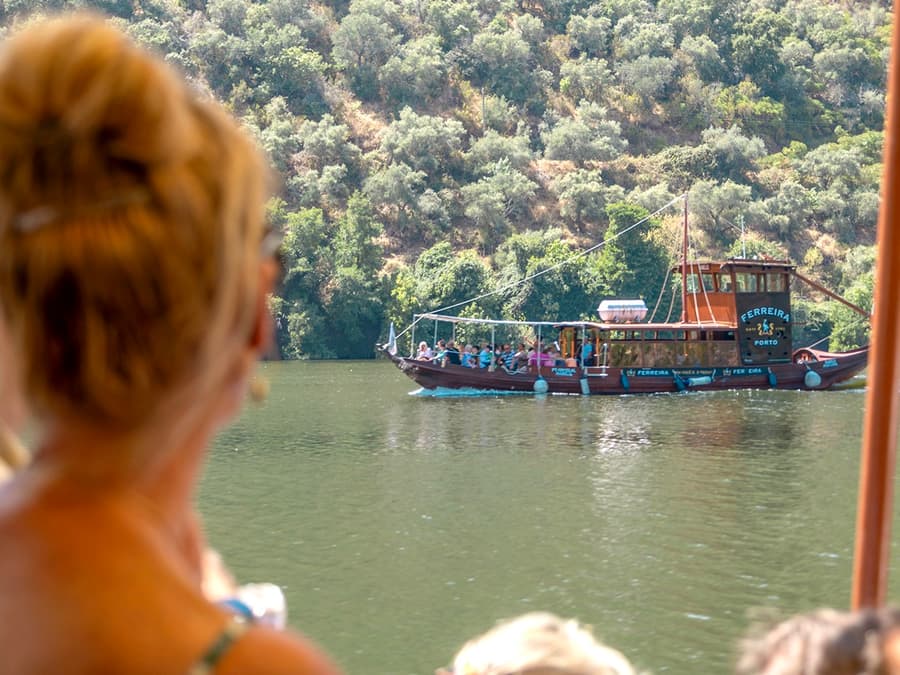
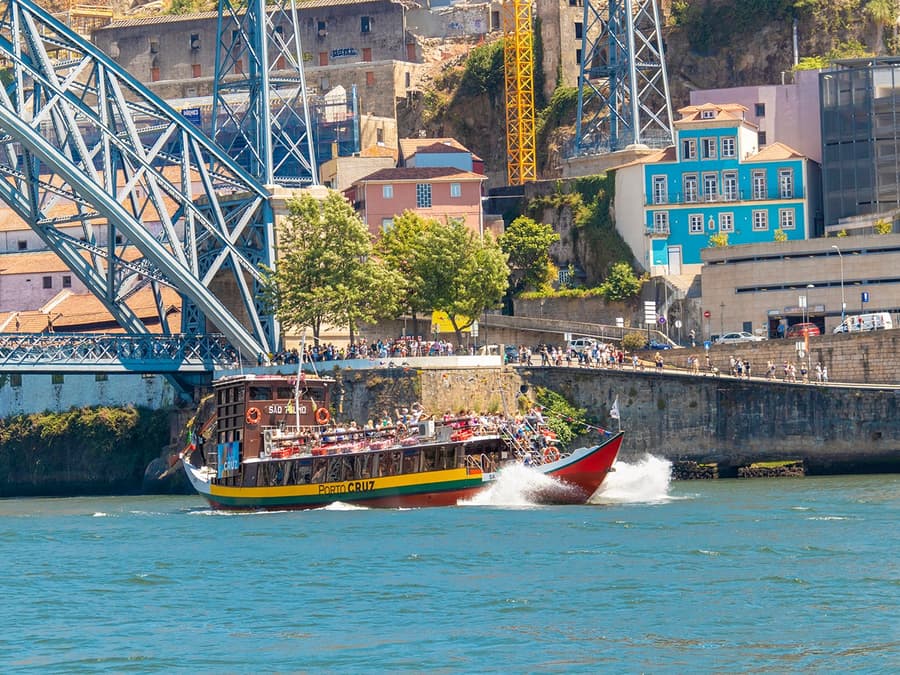
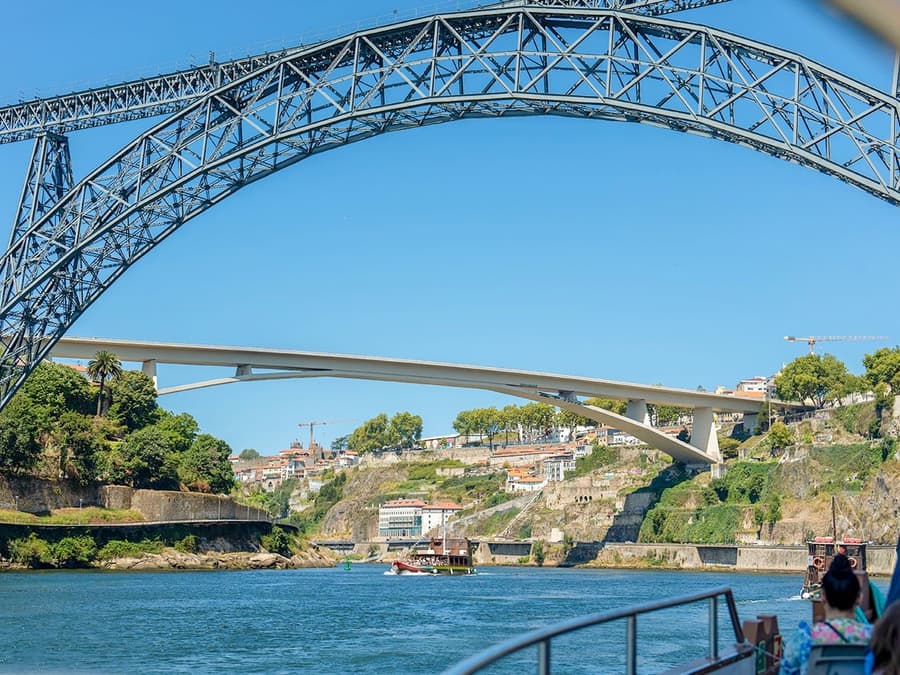
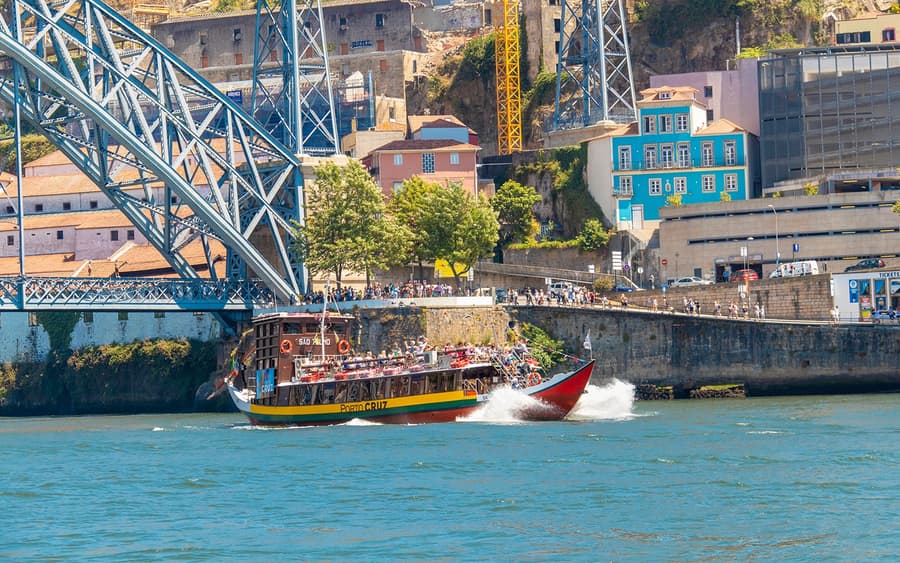
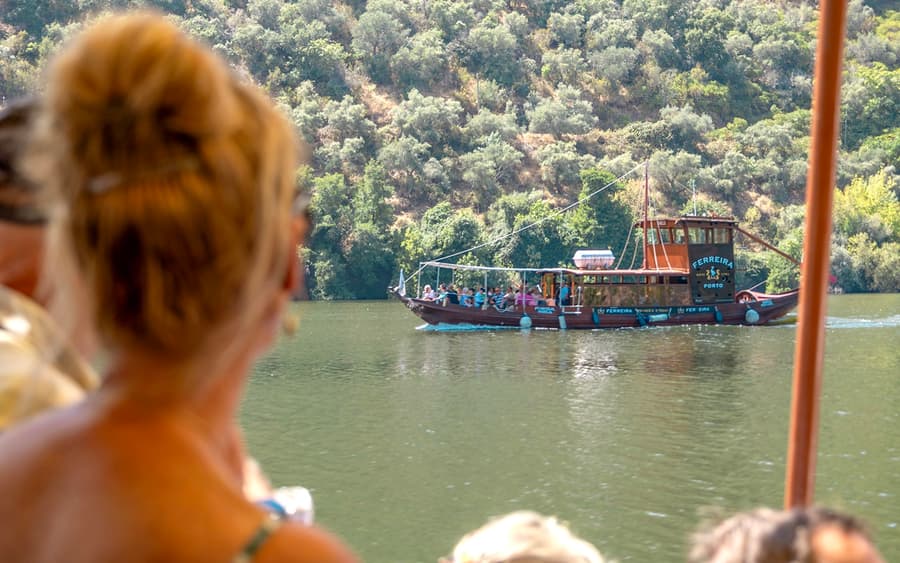
Douro River six bridges cruise: Board at Praça Ribeira, then pass under Dom Luís I and Maria Pia while gazing at Gaia wine lodges and Porto’s tiled facades.
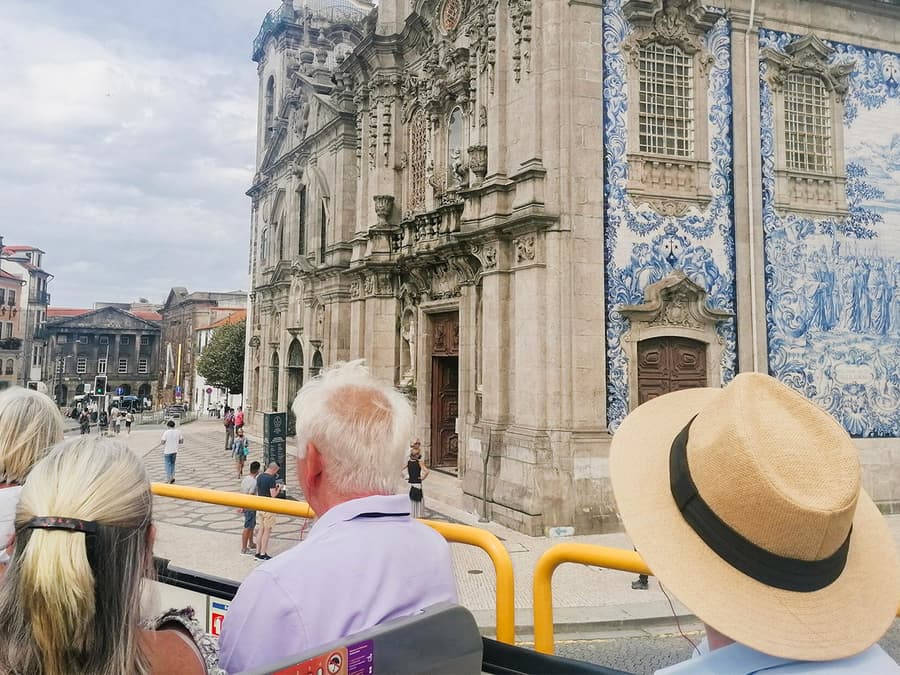
Torre dos Clérigos and Clérigos Museum: Climb the Baroque tower for panoramic city views and combine with museum access using online Clérigos Tower tickets Porto.
Palácio da Bolsa: Explore the Stock Exchange Palace with its lavish interiors by booking Palácio da Bolsa Porto tickets, often paired with other Old Town sights.
São Bento Station and Porto Cathedral: Admire azulejo panels at São Bento, then walk uphill to the cathedral’s terrace for Douro River views.
Lello Bookshop: Visit this ornate bookshop near Clérigos Tower, ideally early morning or with timed entry, and combine it with an electric tuk-tuk tour.
Misericórdia Museum and Church: Discover a quieter baroque interior and local history, a rewarding alternative to busier churches in Porto’s center.
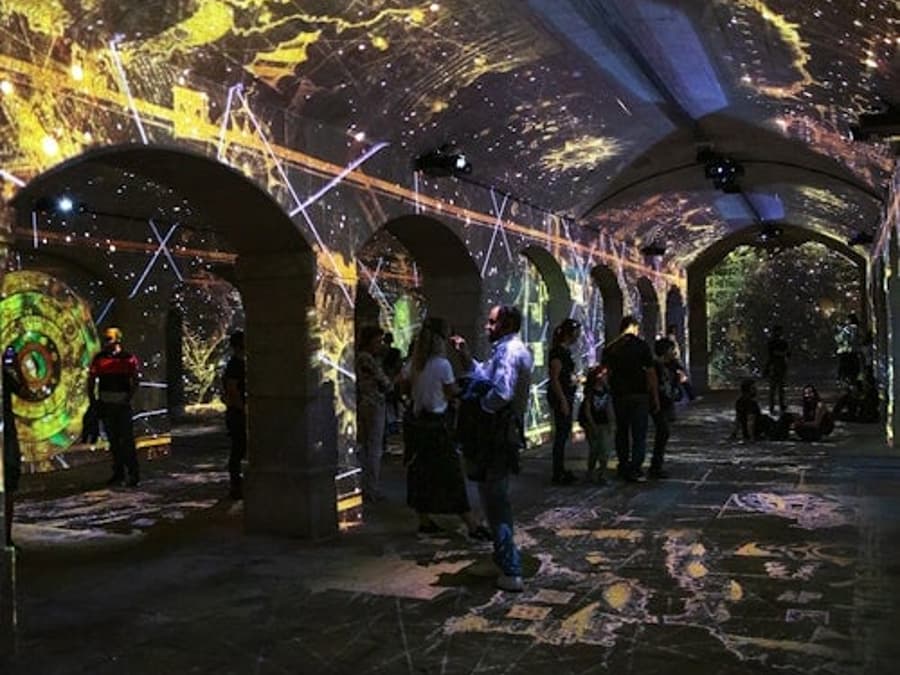
Planet Cork and Museu do Vitral: Learn about Portugal’s cork heritage at Planet Cork, then explore stained glass art at Museu do Vitral, sometimes with wine tastings.
Foz and Castelo do Queijo: Ride the hop-on hop-off red line out to the Atlantic, where sea views and the fortress at Castelo do Queijo meet coastal cafés.
Gaia wine cellars and Real Companhia Velha: Cross the Dom Luís I Bridge to Vila Nova de Gaia to tour Real Companhia Velha and other port lodges.
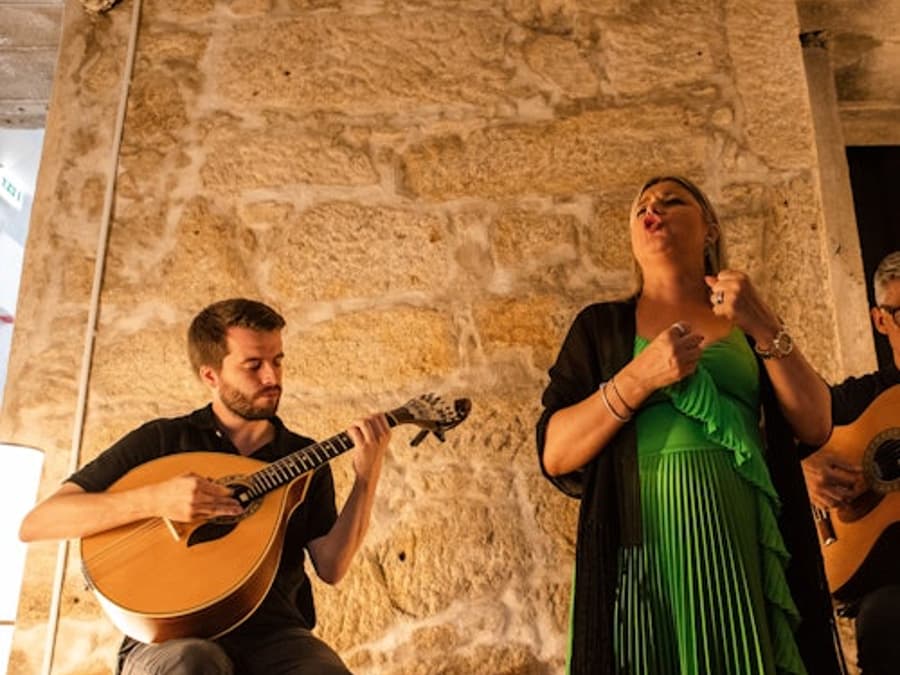
Nighttime party cruise: Choose a 2-hour Douro River party cruise with local music and sunset views for a festive finish to your Porto stay.
Tickets and city passes in Porto
Booking tickets in advance helps you avoid queues, secure cruise departures, and lock in savings on Porto’s busiest attractions.
Porto.CARD city pass: This pass offers free entry to five museums, discounts up to 50 percent at over 130 attractions, and reductions for Clérigos Tower, Palácio da Bolsa, and Port Wine attractions, making it ideal for culture-heavy itineraries.
48-hour hop-on hop-off and river cruise packages: tickadoo’s flagship combo bundles two bus routes with a Douro River six bridges cruise, nighttime panoramic tour options, and discount vouchers for restaurants and Gaia port lodges.
Individual attraction tickets: Reserve Clérigos Tower & Museum tickets and Museu do Vitral tickets ahead, especially in high season, to secure preferred times and avoid day-of disappointment.
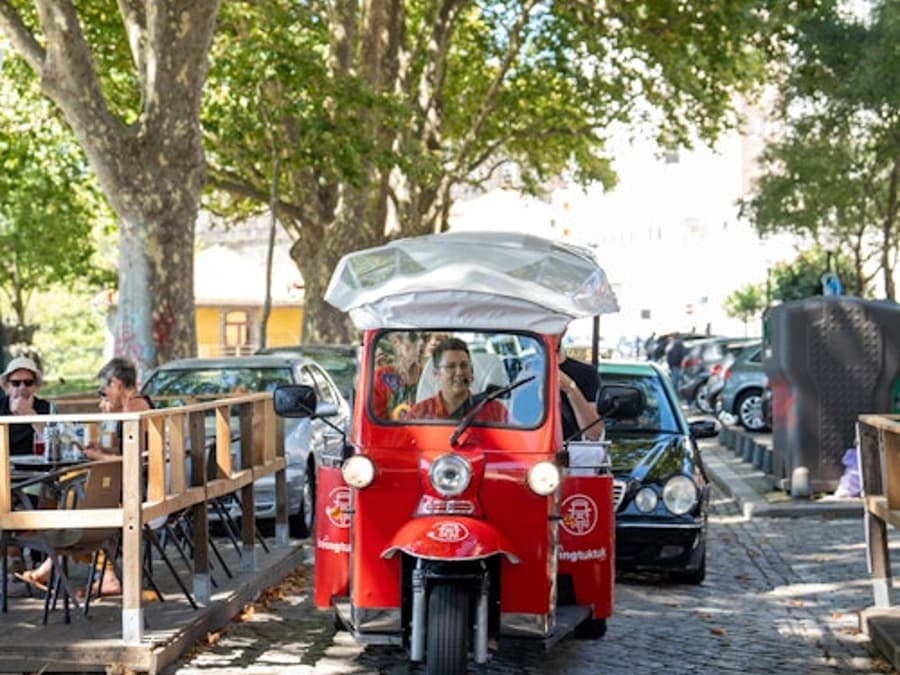
Electric tuk-tuk, bike and Segway tours: Book electric tuk-tuk tour Porto options and Segway tour Porto highlights early for prime time slots, especially weekends, and look for combined deals that include river cruises.
Douro party and sunset cruises: Evening sailings are popular. Buying Porto river cruise tickets ahead gives you the best choice of departure time and boat style.
If you plan several paid sights, such as Clérigos Tower, Palácio da Bolsa, Museu do Vitral and a port wine tour, plus transit, the Porto.CARD city pass or a hop-on hop-off combo booked with tickadoo usually delivers good value.
Getting around Porto by metro, bus and river
Porto’s compact center works well on foot, while Metro do Porto, buses, and river services help you reach beaches, Gaia wine cellars, and outlying viewpoints efficiently.
Metro do Porto lines: Line D links Vila Nova de Gaia and Trindade, while lines A, B, C and F fan out toward the suburbs and coast. Line E connects the airport to Trindade and Estádio do Dragão.
Andante fare card: Buy and load an Andante card at metro machines. Choose zones based on your usual journeys and always validate before boarding for smooth inspections.
Airport to city links: From OPO, take Metro line E to Trindade for Baixa and São Bento, or continue for Campanhã rail services. Taxis and rideshares suit late arrivals or heavy luggage.
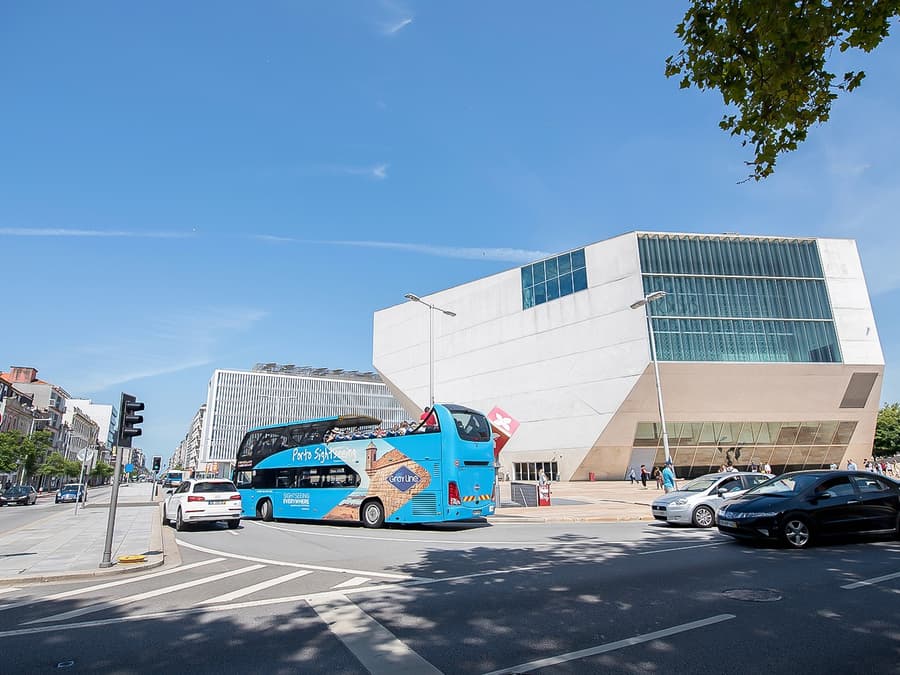
Hop-on hop-off buses: The red and blue lines used in tickadoo packages provide practical loops that link Palácio da Justiça, Palácio de Cristal, Foz, Castelo do Queijo, Gaia cellars, Jardim do Morro and Ribeira.
Electric bikes and tuk-tuks: For steep hills and narrow alleys, electric bike tour Porto options and electric tuk-tuk city tours combine local guides with minimal effort and access to viewpoints off standard bus routes.
Walking and bridge crossings: Walking across Dom Luís I Bridge between Ribeira and Vila Nova de Gaia is both transport and sightseeing. Allow extra time for photos and crowds at sunset.
Traffic and timing: Central streets are busy and parking scarce, so avoid driving in historic areas. Use metro or hop-on hop-off buses to reach Foz and then stroll the Atlantic promenade.
When is the best time to visit Porto?
Porto works year round, but late April to June and September offer mild temperatures around 18 to 24°C, lighter crowds, and plenty of Douro River cruise options. July and August are warmer, busy around Ribeira and Gaia. Winter is cooler and wetter, yet ideal for cozy port wine cellars and quieter visits to Clérigos Tower and Palácio da Bolsa.
How many days do you need in Porto?
Allow at least two full days in Porto. Day one can cover Ribeira, a Douro River six bridges cruise, Dom Luís I Bridge, Vila Nova de Gaia wine cellars, and São Bento Station. Day two fits Torre dos Clérigos, Lello Bookshop, Palácio da Bolsa, and Palácio de Cristal. With three to four days, add Misericórdia Museum, Planet Cork, Foz, and a party cruise.
Is the Porto.CARD city pass worth it for Porto?
The Porto.CARD city pass is worthwhile if you plan several museums plus big sights like Clérigos Tower and Palácio da Bolsa, and use public transport. Discounts at Port Wine attractions and over 130 venues add up quickly over three days. If you mainly wander Ribeira, take one Douro cruise and skip museums, single attraction tickets may cost less.
What are the must-see attractions in Porto?
Focus on the Douro waterfront at Ribeira, a Porto six bridges cruise, and crossing Dom Luís I Bridge to Vila Nova de Gaia for port wine lodges like Real Companhia Velha. In the upper town, climb Torre dos Clérigos, tour Palácio da Bolsa, admire azulejos at São Bento Station, and visit Porto Cathedral. Add Lello Bookshop and Palácio de Cristal gardens for classic views.
Do I need to book Porto river cruise and Clérigos Tower tickets in advance?
For popular times from spring through autumn, booking Porto river cruise tickets and Clérigos Tower tickets in advance is wise. Six bridges cruises from Praça Ribeira run frequently, yet midday and sunset slots fill up. Clérigos Tower has limited capacity, so reserving ahead via tickadoo secures your climb. Off season, same day tickets are usually easier.
How do I get from OPO Airport to central Porto?
From Francisco Sá Carneiro Airport OPO, the most convenient option is Metro do Porto Line E, which runs directly to Trindade in about 30 minutes, connecting with lines D and others for Baixa and Vila Nova de Gaia. STCP buses serve various districts but take longer. Taxis and rideshares cost more, yet suit late flights or travelers heading straight to Foz or outlying hotels.
Where should I stay in Porto?
Choose Ribeira if you want river views and easy access to Douro cruises from Praça Ribeira. Baixa around Avenida dos Aliados suits first timers near São Bento Station. Cedofeita offers a creative, local feel with cafés and galleries. Foz works for sea air and Atlantic walks. Vila Nova de Gaia is perfect if port wine lodges and Dom Luís I Bridge sunsets are priorities.
What is Porto known for?
Porto is known for its namesake port wine aged in Vila Nova de Gaia, its six bridges over the Douro River, and a steep historic center filled with azulejo-covered buildings. Visitors come for Douro River cruises, Clérigos Tower, Lello Bookshop, Palácio da Bolsa, and São Bento Station. Increasingly, immersive museums like Planet Cork and Museu do Vitral showcase contemporary creativity too.
Porto quick facts: airports, stations and maps
Plan your days with these essential details for Porto Portugal. This compact Atlantic city stretches along the Douro River, with steep streets, historic viewpoints, and easy access to nearby beaches and wine cellars across the river in Vila Nova de Gaia.
State/Region/Country: Porto sits in the Norte Region of Portugal, in the northwestern part of the country along the Atlantic coast.
Airports: Francisco Sá Carneiro Airport OPO serves Porto with European and some intercontinental flights.
Main stations/hubs: São Bento Station handles many regional trains in a tiled historic hall, while Campanhã is the main long distance rail hub connecting to Lisbon and Braga.
Public transport: Metro do Porto operates light metro lines A, B, C, D, E and F, complemented by STCP buses and CP Urbanos suburban trains along the Douro and Minho corridors.
Paying fares: The Andante card covers metro, many buses and some trains, with zoned pricing. You top it up at machines in stations, which keeps local journeys simple and predictable.
Coordinates: Porto’s historic center sits around 41.1496° N latitude and 8.6109° W longitude.
Popular neighbourhoods: Ribeira by the riverfront, Baixa around Avenida dos Aliados, Cedofeita for creative shops, Foz by the Atlantic, and Vila Nova de Gaia for port wine cellars.
Additional context: The Atlantic shoreline near Foz and Castelo do Queijo offers promenades and beaches, while the Douro Valley vineyards sit upstream and are reachable on cruises and rail trips.
Recent visitors benefit from frequent Metro do Porto services between OPO Airport and the city center, which make arriving without a car much easier than in many similarly sized European cities.
Top things to do in Porto
Start with the river and hilltop icons, then add hidden museums, neighbourhood walks, and a Gaia wine experience for a balanced list of things to do in Porto.
48-hour hop-on hop-off bus and river cruise combo: Use tickadoo to secure Porto hop-on hop-off bus tickets that include a Douro River six bridges cruise and audio guide across two routes.
Douro River six bridges cruise: Board at Praça Ribeira, then pass under Dom Luís I and Maria Pia while gazing at Gaia wine lodges and Porto’s tiled facades.
Torre dos Clérigos and Clérigos Museum: Climb the Baroque tower for panoramic city views and combine with museum access using online Clérigos Tower tickets Porto.
Palácio da Bolsa: Explore the Stock Exchange Palace with its lavish interiors by booking Palácio da Bolsa Porto tickets, often paired with other Old Town sights.
São Bento Station and Porto Cathedral: Admire azulejo panels at São Bento, then walk uphill to the cathedral’s terrace for Douro River views.
Lello Bookshop: Visit this ornate bookshop near Clérigos Tower, ideally early morning or with timed entry, and combine it with an electric tuk-tuk tour.
Misericórdia Museum and Church: Discover a quieter baroque interior and local history, a rewarding alternative to busier churches in Porto’s center.
Planet Cork and Museu do Vitral: Learn about Portugal’s cork heritage at Planet Cork, then explore stained glass art at Museu do Vitral, sometimes with wine tastings.
Foz and Castelo do Queijo: Ride the hop-on hop-off red line out to the Atlantic, where sea views and the fortress at Castelo do Queijo meet coastal cafés.
Gaia wine cellars and Real Companhia Velha: Cross the Dom Luís I Bridge to Vila Nova de Gaia to tour Real Companhia Velha and other port lodges.
Nighttime party cruise: Choose a 2-hour Douro River party cruise with local music and sunset views for a festive finish to your Porto stay.
Tickets and city passes in Porto
Booking tickets in advance helps you avoid queues, secure cruise departures, and lock in savings on Porto’s busiest attractions.
Porto.CARD city pass: This pass offers free entry to five museums, discounts up to 50 percent at over 130 attractions, and reductions for Clérigos Tower, Palácio da Bolsa, and Port Wine attractions, making it ideal for culture-heavy itineraries.
48-hour hop-on hop-off and river cruise packages: tickadoo’s flagship combo bundles two bus routes with a Douro River six bridges cruise, nighttime panoramic tour options, and discount vouchers for restaurants and Gaia port lodges.
Individual attraction tickets: Reserve Clérigos Tower & Museum tickets and Museu do Vitral tickets ahead, especially in high season, to secure preferred times and avoid day-of disappointment.
Electric tuk-tuk, bike and Segway tours: Book electric tuk-tuk tour Porto options and Segway tour Porto highlights early for prime time slots, especially weekends, and look for combined deals that include river cruises.
Douro party and sunset cruises: Evening sailings are popular. Buying Porto river cruise tickets ahead gives you the best choice of departure time and boat style.
If you plan several paid sights, such as Clérigos Tower, Palácio da Bolsa, Museu do Vitral and a port wine tour, plus transit, the Porto.CARD city pass or a hop-on hop-off combo booked with tickadoo usually delivers good value.
Getting around Porto by metro, bus and river
Porto’s compact center works well on foot, while Metro do Porto, buses, and river services help you reach beaches, Gaia wine cellars, and outlying viewpoints efficiently.
Metro do Porto lines: Line D links Vila Nova de Gaia and Trindade, while lines A, B, C and F fan out toward the suburbs and coast. Line E connects the airport to Trindade and Estádio do Dragão.
Andante fare card: Buy and load an Andante card at metro machines. Choose zones based on your usual journeys and always validate before boarding for smooth inspections.
Airport to city links: From OPO, take Metro line E to Trindade for Baixa and São Bento, or continue for Campanhã rail services. Taxis and rideshares suit late arrivals or heavy luggage.
Hop-on hop-off buses: The red and blue lines used in tickadoo packages provide practical loops that link Palácio da Justiça, Palácio de Cristal, Foz, Castelo do Queijo, Gaia cellars, Jardim do Morro and Ribeira.
Electric bikes and tuk-tuks: For steep hills and narrow alleys, electric bike tour Porto options and electric tuk-tuk city tours combine local guides with minimal effort and access to viewpoints off standard bus routes.
Walking and bridge crossings: Walking across Dom Luís I Bridge between Ribeira and Vila Nova de Gaia is both transport and sightseeing. Allow extra time for photos and crowds at sunset.
Traffic and timing: Central streets are busy and parking scarce, so avoid driving in historic areas. Use metro or hop-on hop-off buses to reach Foz and then stroll the Atlantic promenade.
When is the best time to visit Porto?
Porto works year round, but late April to June and September offer mild temperatures around 18 to 24°C, lighter crowds, and plenty of Douro River cruise options. July and August are warmer, busy around Ribeira and Gaia. Winter is cooler and wetter, yet ideal for cozy port wine cellars and quieter visits to Clérigos Tower and Palácio da Bolsa.
How many days do you need in Porto?
Allow at least two full days in Porto. Day one can cover Ribeira, a Douro River six bridges cruise, Dom Luís I Bridge, Vila Nova de Gaia wine cellars, and São Bento Station. Day two fits Torre dos Clérigos, Lello Bookshop, Palácio da Bolsa, and Palácio de Cristal. With three to four days, add Misericórdia Museum, Planet Cork, Foz, and a party cruise.
Is the Porto.CARD city pass worth it for Porto?
The Porto.CARD city pass is worthwhile if you plan several museums plus big sights like Clérigos Tower and Palácio da Bolsa, and use public transport. Discounts at Port Wine attractions and over 130 venues add up quickly over three days. If you mainly wander Ribeira, take one Douro cruise and skip museums, single attraction tickets may cost less.
What are the must-see attractions in Porto?
Focus on the Douro waterfront at Ribeira, a Porto six bridges cruise, and crossing Dom Luís I Bridge to Vila Nova de Gaia for port wine lodges like Real Companhia Velha. In the upper town, climb Torre dos Clérigos, tour Palácio da Bolsa, admire azulejos at São Bento Station, and visit Porto Cathedral. Add Lello Bookshop and Palácio de Cristal gardens for classic views.
Do I need to book Porto river cruise and Clérigos Tower tickets in advance?
For popular times from spring through autumn, booking Porto river cruise tickets and Clérigos Tower tickets in advance is wise. Six bridges cruises from Praça Ribeira run frequently, yet midday and sunset slots fill up. Clérigos Tower has limited capacity, so reserving ahead via tickadoo secures your climb. Off season, same day tickets are usually easier.
How do I get from OPO Airport to central Porto?
From Francisco Sá Carneiro Airport OPO, the most convenient option is Metro do Porto Line E, which runs directly to Trindade in about 30 minutes, connecting with lines D and others for Baixa and Vila Nova de Gaia. STCP buses serve various districts but take longer. Taxis and rideshares cost more, yet suit late flights or travelers heading straight to Foz or outlying hotels.
Where should I stay in Porto?
Choose Ribeira if you want river views and easy access to Douro cruises from Praça Ribeira. Baixa around Avenida dos Aliados suits first timers near São Bento Station. Cedofeita offers a creative, local feel with cafés and galleries. Foz works for sea air and Atlantic walks. Vila Nova de Gaia is perfect if port wine lodges and Dom Luís I Bridge sunsets are priorities.
What is Porto known for?
Porto is known for its namesake port wine aged in Vila Nova de Gaia, its six bridges over the Douro River, and a steep historic center filled with azulejo-covered buildings. Visitors come for Douro River cruises, Clérigos Tower, Lello Bookshop, Palácio da Bolsa, and São Bento Station. Increasingly, immersive museums like Planet Cork and Museu do Vitral showcase contemporary creativity too.
Porto quick facts: airports, stations and maps
Plan your days with these essential details for Porto Portugal. This compact Atlantic city stretches along the Douro River, with steep streets, historic viewpoints, and easy access to nearby beaches and wine cellars across the river in Vila Nova de Gaia.
State/Region/Country: Porto sits in the Norte Region of Portugal, in the northwestern part of the country along the Atlantic coast.
Airports: Francisco Sá Carneiro Airport OPO serves Porto with European and some intercontinental flights.
Main stations/hubs: São Bento Station handles many regional trains in a tiled historic hall, while Campanhã is the main long distance rail hub connecting to Lisbon and Braga.
Public transport: Metro do Porto operates light metro lines A, B, C, D, E and F, complemented by STCP buses and CP Urbanos suburban trains along the Douro and Minho corridors.
Paying fares: The Andante card covers metro, many buses and some trains, with zoned pricing. You top it up at machines in stations, which keeps local journeys simple and predictable.
Coordinates: Porto’s historic center sits around 41.1496° N latitude and 8.6109° W longitude.
Popular neighbourhoods: Ribeira by the riverfront, Baixa around Avenida dos Aliados, Cedofeita for creative shops, Foz by the Atlantic, and Vila Nova de Gaia for port wine cellars.
Additional context: The Atlantic shoreline near Foz and Castelo do Queijo offers promenades and beaches, while the Douro Valley vineyards sit upstream and are reachable on cruises and rail trips.
Recent visitors benefit from frequent Metro do Porto services between OPO Airport and the city center, which make arriving without a car much easier than in many similarly sized European cities.
Top things to do in Porto
Start with the river and hilltop icons, then add hidden museums, neighbourhood walks, and a Gaia wine experience for a balanced list of things to do in Porto.
48-hour hop-on hop-off bus and river cruise combo: Use tickadoo to secure Porto hop-on hop-off bus tickets that include a Douro River six bridges cruise and audio guide across two routes.
Douro River six bridges cruise: Board at Praça Ribeira, then pass under Dom Luís I and Maria Pia while gazing at Gaia wine lodges and Porto’s tiled facades.
Torre dos Clérigos and Clérigos Museum: Climb the Baroque tower for panoramic city views and combine with museum access using online Clérigos Tower tickets Porto.
Palácio da Bolsa: Explore the Stock Exchange Palace with its lavish interiors by booking Palácio da Bolsa Porto tickets, often paired with other Old Town sights.
São Bento Station and Porto Cathedral: Admire azulejo panels at São Bento, then walk uphill to the cathedral’s terrace for Douro River views.
Lello Bookshop: Visit this ornate bookshop near Clérigos Tower, ideally early morning or with timed entry, and combine it with an electric tuk-tuk tour.
Misericórdia Museum and Church: Discover a quieter baroque interior and local history, a rewarding alternative to busier churches in Porto’s center.
Planet Cork and Museu do Vitral: Learn about Portugal’s cork heritage at Planet Cork, then explore stained glass art at Museu do Vitral, sometimes with wine tastings.
Foz and Castelo do Queijo: Ride the hop-on hop-off red line out to the Atlantic, where sea views and the fortress at Castelo do Queijo meet coastal cafés.
Gaia wine cellars and Real Companhia Velha: Cross the Dom Luís I Bridge to Vila Nova de Gaia to tour Real Companhia Velha and other port lodges.
Nighttime party cruise: Choose a 2-hour Douro River party cruise with local music and sunset views for a festive finish to your Porto stay.
Tickets and city passes in Porto
Booking tickets in advance helps you avoid queues, secure cruise departures, and lock in savings on Porto’s busiest attractions.
Porto.CARD city pass: This pass offers free entry to five museums, discounts up to 50 percent at over 130 attractions, and reductions for Clérigos Tower, Palácio da Bolsa, and Port Wine attractions, making it ideal for culture-heavy itineraries.
48-hour hop-on hop-off and river cruise packages: tickadoo’s flagship combo bundles two bus routes with a Douro River six bridges cruise, nighttime panoramic tour options, and discount vouchers for restaurants and Gaia port lodges.
Individual attraction tickets: Reserve Clérigos Tower & Museum tickets and Museu do Vitral tickets ahead, especially in high season, to secure preferred times and avoid day-of disappointment.
Electric tuk-tuk, bike and Segway tours: Book electric tuk-tuk tour Porto options and Segway tour Porto highlights early for prime time slots, especially weekends, and look for combined deals that include river cruises.
Douro party and sunset cruises: Evening sailings are popular. Buying Porto river cruise tickets ahead gives you the best choice of departure time and boat style.
If you plan several paid sights, such as Clérigos Tower, Palácio da Bolsa, Museu do Vitral and a port wine tour, plus transit, the Porto.CARD city pass or a hop-on hop-off combo booked with tickadoo usually delivers good value.
Getting around Porto by metro, bus and river
Porto’s compact center works well on foot, while Metro do Porto, buses, and river services help you reach beaches, Gaia wine cellars, and outlying viewpoints efficiently.
Metro do Porto lines: Line D links Vila Nova de Gaia and Trindade, while lines A, B, C and F fan out toward the suburbs and coast. Line E connects the airport to Trindade and Estádio do Dragão.
Andante fare card: Buy and load an Andante card at metro machines. Choose zones based on your usual journeys and always validate before boarding for smooth inspections.
Airport to city links: From OPO, take Metro line E to Trindade for Baixa and São Bento, or continue for Campanhã rail services. Taxis and rideshares suit late arrivals or heavy luggage.
Hop-on hop-off buses: The red and blue lines used in tickadoo packages provide practical loops that link Palácio da Justiça, Palácio de Cristal, Foz, Castelo do Queijo, Gaia cellars, Jardim do Morro and Ribeira.
Electric bikes and tuk-tuks: For steep hills and narrow alleys, electric bike tour Porto options and electric tuk-tuk city tours combine local guides with minimal effort and access to viewpoints off standard bus routes.
Walking and bridge crossings: Walking across Dom Luís I Bridge between Ribeira and Vila Nova de Gaia is both transport and sightseeing. Allow extra time for photos and crowds at sunset.
Traffic and timing: Central streets are busy and parking scarce, so avoid driving in historic areas. Use metro or hop-on hop-off buses to reach Foz and then stroll the Atlantic promenade.
When is the best time to visit Porto?
Porto works year round, but late April to June and September offer mild temperatures around 18 to 24°C, lighter crowds, and plenty of Douro River cruise options. July and August are warmer, busy around Ribeira and Gaia. Winter is cooler and wetter, yet ideal for cozy port wine cellars and quieter visits to Clérigos Tower and Palácio da Bolsa.
How many days do you need in Porto?
Allow at least two full days in Porto. Day one can cover Ribeira, a Douro River six bridges cruise, Dom Luís I Bridge, Vila Nova de Gaia wine cellars, and São Bento Station. Day two fits Torre dos Clérigos, Lello Bookshop, Palácio da Bolsa, and Palácio de Cristal. With three to four days, add Misericórdia Museum, Planet Cork, Foz, and a party cruise.
Is the Porto.CARD city pass worth it for Porto?
The Porto.CARD city pass is worthwhile if you plan several museums plus big sights like Clérigos Tower and Palácio da Bolsa, and use public transport. Discounts at Port Wine attractions and over 130 venues add up quickly over three days. If you mainly wander Ribeira, take one Douro cruise and skip museums, single attraction tickets may cost less.
What are the must-see attractions in Porto?
Focus on the Douro waterfront at Ribeira, a Porto six bridges cruise, and crossing Dom Luís I Bridge to Vila Nova de Gaia for port wine lodges like Real Companhia Velha. In the upper town, climb Torre dos Clérigos, tour Palácio da Bolsa, admire azulejos at São Bento Station, and visit Porto Cathedral. Add Lello Bookshop and Palácio de Cristal gardens for classic views.
Do I need to book Porto river cruise and Clérigos Tower tickets in advance?
For popular times from spring through autumn, booking Porto river cruise tickets and Clérigos Tower tickets in advance is wise. Six bridges cruises from Praça Ribeira run frequently, yet midday and sunset slots fill up. Clérigos Tower has limited capacity, so reserving ahead via tickadoo secures your climb. Off season, same day tickets are usually easier.
How do I get from OPO Airport to central Porto?
From Francisco Sá Carneiro Airport OPO, the most convenient option is Metro do Porto Line E, which runs directly to Trindade in about 30 minutes, connecting with lines D and others for Baixa and Vila Nova de Gaia. STCP buses serve various districts but take longer. Taxis and rideshares cost more, yet suit late flights or travelers heading straight to Foz or outlying hotels.
Where should I stay in Porto?
Choose Ribeira if you want river views and easy access to Douro cruises from Praça Ribeira. Baixa around Avenida dos Aliados suits first timers near São Bento Station. Cedofeita offers a creative, local feel with cafés and galleries. Foz works for sea air and Atlantic walks. Vila Nova de Gaia is perfect if port wine lodges and Dom Luís I Bridge sunsets are priorities.
What is Porto known for?
Porto is known for its namesake port wine aged in Vila Nova de Gaia, its six bridges over the Douro River, and a steep historic center filled with azulejo-covered buildings. Visitors come for Douro River cruises, Clérigos Tower, Lello Bookshop, Palácio da Bolsa, and São Bento Station. Increasingly, immersive museums like Planet Cork and Museu do Vitral showcase contemporary creativity too.
Porto quick facts: airports, stations and maps
Plan your days with these essential details for Porto Portugal. This compact Atlantic city stretches along the Douro River, with steep streets, historic viewpoints, and easy access to nearby beaches and wine cellars across the river in Vila Nova de Gaia.
State/Region/Country: Porto sits in the Norte Region of Portugal, in the northwestern part of the country along the Atlantic coast.
Airports: Francisco Sá Carneiro Airport OPO serves Porto with European and some intercontinental flights.
Main stations/hubs: São Bento Station handles many regional trains in a tiled historic hall, while Campanhã is the main long distance rail hub connecting to Lisbon and Braga.
Public transport: Metro do Porto operates light metro lines A, B, C, D, E and F, complemented by STCP buses and CP Urbanos suburban trains along the Douro and Minho corridors.
Paying fares: The Andante card covers metro, many buses and some trains, with zoned pricing. You top it up at machines in stations, which keeps local journeys simple and predictable.
Coordinates: Porto’s historic center sits around 41.1496° N latitude and 8.6109° W longitude.
Popular neighbourhoods: Ribeira by the riverfront, Baixa around Avenida dos Aliados, Cedofeita for creative shops, Foz by the Atlantic, and Vila Nova de Gaia for port wine cellars.
Additional context: The Atlantic shoreline near Foz and Castelo do Queijo offers promenades and beaches, while the Douro Valley vineyards sit upstream and are reachable on cruises and rail trips.
Recent visitors benefit from frequent Metro do Porto services between OPO Airport and the city center, which make arriving without a car much easier than in many similarly sized European cities.
Top things to do in Porto
Start with the river and hilltop icons, then add hidden museums, neighbourhood walks, and a Gaia wine experience for a balanced list of things to do in Porto.
48-hour hop-on hop-off bus and river cruise combo: Use tickadoo to secure Porto hop-on hop-off bus tickets that include a Douro River six bridges cruise and audio guide across two routes.
Douro River six bridges cruise: Board at Praça Ribeira, then pass under Dom Luís I and Maria Pia while gazing at Gaia wine lodges and Porto’s tiled facades.
Torre dos Clérigos and Clérigos Museum: Climb the Baroque tower for panoramic city views and combine with museum access using online Clérigos Tower tickets Porto.
Palácio da Bolsa: Explore the Stock Exchange Palace with its lavish interiors by booking Palácio da Bolsa Porto tickets, often paired with other Old Town sights.
São Bento Station and Porto Cathedral: Admire azulejo panels at São Bento, then walk uphill to the cathedral’s terrace for Douro River views.
Lello Bookshop: Visit this ornate bookshop near Clérigos Tower, ideally early morning or with timed entry, and combine it with an electric tuk-tuk tour.
Misericórdia Museum and Church: Discover a quieter baroque interior and local history, a rewarding alternative to busier churches in Porto’s center.
Planet Cork and Museu do Vitral: Learn about Portugal’s cork heritage at Planet Cork, then explore stained glass art at Museu do Vitral, sometimes with wine tastings.
Foz and Castelo do Queijo: Ride the hop-on hop-off red line out to the Atlantic, where sea views and the fortress at Castelo do Queijo meet coastal cafés.
Gaia wine cellars and Real Companhia Velha: Cross the Dom Luís I Bridge to Vila Nova de Gaia to tour Real Companhia Velha and other port lodges.
Nighttime party cruise: Choose a 2-hour Douro River party cruise with local music and sunset views for a festive finish to your Porto stay.
Tickets and city passes in Porto
Booking tickets in advance helps you avoid queues, secure cruise departures, and lock in savings on Porto’s busiest attractions.
Porto.CARD city pass: This pass offers free entry to five museums, discounts up to 50 percent at over 130 attractions, and reductions for Clérigos Tower, Palácio da Bolsa, and Port Wine attractions, making it ideal for culture-heavy itineraries.
48-hour hop-on hop-off and river cruise packages: tickadoo’s flagship combo bundles two bus routes with a Douro River six bridges cruise, nighttime panoramic tour options, and discount vouchers for restaurants and Gaia port lodges.
Individual attraction tickets: Reserve Clérigos Tower & Museum tickets and Museu do Vitral tickets ahead, especially in high season, to secure preferred times and avoid day-of disappointment.
Electric tuk-tuk, bike and Segway tours: Book electric tuk-tuk tour Porto options and Segway tour Porto highlights early for prime time slots, especially weekends, and look for combined deals that include river cruises.
Douro party and sunset cruises: Evening sailings are popular. Buying Porto river cruise tickets ahead gives you the best choice of departure time and boat style.
If you plan several paid sights, such as Clérigos Tower, Palácio da Bolsa, Museu do Vitral and a port wine tour, plus transit, the Porto.CARD city pass or a hop-on hop-off combo booked with tickadoo usually delivers good value.
Getting around Porto by metro, bus and river
Porto’s compact center works well on foot, while Metro do Porto, buses, and river services help you reach beaches, Gaia wine cellars, and outlying viewpoints efficiently.
Metro do Porto lines: Line D links Vila Nova de Gaia and Trindade, while lines A, B, C and F fan out toward the suburbs and coast. Line E connects the airport to Trindade and Estádio do Dragão.
Andante fare card: Buy and load an Andante card at metro machines. Choose zones based on your usual journeys and always validate before boarding for smooth inspections.
Airport to city links: From OPO, take Metro line E to Trindade for Baixa and São Bento, or continue for Campanhã rail services. Taxis and rideshares suit late arrivals or heavy luggage.
Hop-on hop-off buses: The red and blue lines used in tickadoo packages provide practical loops that link Palácio da Justiça, Palácio de Cristal, Foz, Castelo do Queijo, Gaia cellars, Jardim do Morro and Ribeira.
Electric bikes and tuk-tuks: For steep hills and narrow alleys, electric bike tour Porto options and electric tuk-tuk city tours combine local guides with minimal effort and access to viewpoints off standard bus routes.
Walking and bridge crossings: Walking across Dom Luís I Bridge between Ribeira and Vila Nova de Gaia is both transport and sightseeing. Allow extra time for photos and crowds at sunset.
Traffic and timing: Central streets are busy and parking scarce, so avoid driving in historic areas. Use metro or hop-on hop-off buses to reach Foz and then stroll the Atlantic promenade.
When is the best time to visit Porto?
Porto works year round, but late April to June and September offer mild temperatures around 18 to 24°C, lighter crowds, and plenty of Douro River cruise options. July and August are warmer, busy around Ribeira and Gaia. Winter is cooler and wetter, yet ideal for cozy port wine cellars and quieter visits to Clérigos Tower and Palácio da Bolsa.
How many days do you need in Porto?
Allow at least two full days in Porto. Day one can cover Ribeira, a Douro River six bridges cruise, Dom Luís I Bridge, Vila Nova de Gaia wine cellars, and São Bento Station. Day two fits Torre dos Clérigos, Lello Bookshop, Palácio da Bolsa, and Palácio de Cristal. With three to four days, add Misericórdia Museum, Planet Cork, Foz, and a party cruise.
Is the Porto.CARD city pass worth it for Porto?
The Porto.CARD city pass is worthwhile if you plan several museums plus big sights like Clérigos Tower and Palácio da Bolsa, and use public transport. Discounts at Port Wine attractions and over 130 venues add up quickly over three days. If you mainly wander Ribeira, take one Douro cruise and skip museums, single attraction tickets may cost less.
What are the must-see attractions in Porto?
Focus on the Douro waterfront at Ribeira, a Porto six bridges cruise, and crossing Dom Luís I Bridge to Vila Nova de Gaia for port wine lodges like Real Companhia Velha. In the upper town, climb Torre dos Clérigos, tour Palácio da Bolsa, admire azulejos at São Bento Station, and visit Porto Cathedral. Add Lello Bookshop and Palácio de Cristal gardens for classic views.
Do I need to book Porto river cruise and Clérigos Tower tickets in advance?
For popular times from spring through autumn, booking Porto river cruise tickets and Clérigos Tower tickets in advance is wise. Six bridges cruises from Praça Ribeira run frequently, yet midday and sunset slots fill up. Clérigos Tower has limited capacity, so reserving ahead via tickadoo secures your climb. Off season, same day tickets are usually easier.
How do I get from OPO Airport to central Porto?
From Francisco Sá Carneiro Airport OPO, the most convenient option is Metro do Porto Line E, which runs directly to Trindade in about 30 minutes, connecting with lines D and others for Baixa and Vila Nova de Gaia. STCP buses serve various districts but take longer. Taxis and rideshares cost more, yet suit late flights or travelers heading straight to Foz or outlying hotels.
Where should I stay in Porto?
Choose Ribeira if you want river views and easy access to Douro cruises from Praça Ribeira. Baixa around Avenida dos Aliados suits first timers near São Bento Station. Cedofeita offers a creative, local feel with cafés and galleries. Foz works for sea air and Atlantic walks. Vila Nova de Gaia is perfect if port wine lodges and Dom Luís I Bridge sunsets are priorities.
What is Porto known for?
Porto is known for its namesake port wine aged in Vila Nova de Gaia, its six bridges over the Douro River, and a steep historic center filled with azulejo-covered buildings. Visitors come for Douro River cruises, Clérigos Tower, Lello Bookshop, Palácio da Bolsa, and São Bento Station. Increasingly, immersive museums like Planet Cork and Museu do Vitral showcase contemporary creativity too.