Što je popularno u
Villandryju

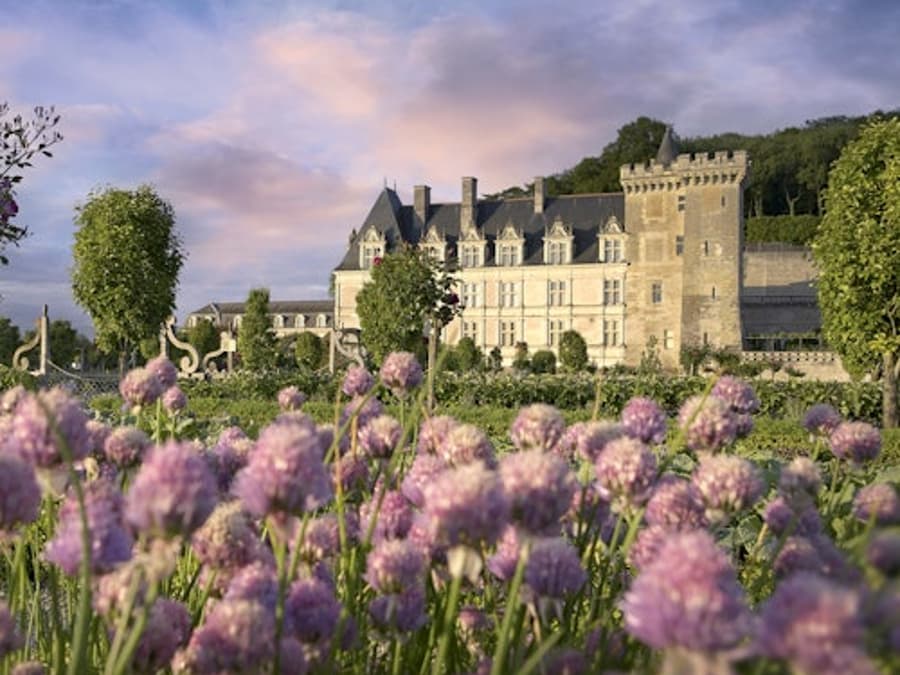
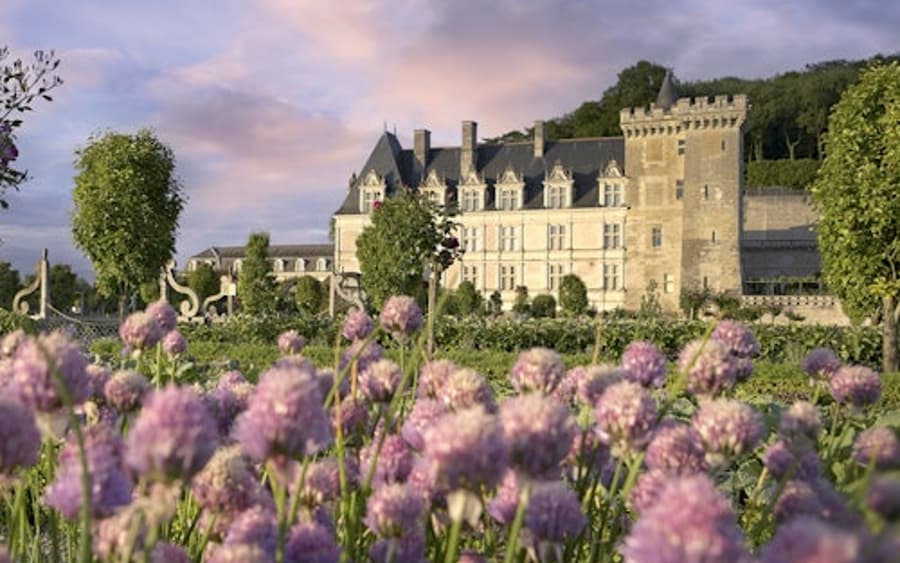
Villandry pairs grand Renaissance architecture with some of France’s most intricate formal gardens. Walk the Château de Villandry, climb the medieval tower for sweeping views, and trace every hedge and alley with practical information on Villandry tickets, timed entry, and the smartest Villandry castle tours.

From the geometric Kitchen Garden to the tranquil Water Garden, you can choose Villandry gardens tickets, regional passes like the Touraine Châteaux Pass, and plan easy Loire Valley day trips while you fine tune your Villandry itinerary.

Sve ulaznice za Villandry


Villandry quick facts: airports, stations and maps

Plan your days with these essential details for Villandry France. Even though visitors come mainly for the château and gardens, it helps to know how Villandry fits into the wider Loire Valley and nearby hubs like Tours.

  • State/Region/Country: Villandry is a village in the Indre-et-Loire department, in the Centre-Val de Loire region of France, west of Tours in the Loire Valley.

  • Airports: The nearest airport is Tours Val de Loire Airport (TUF). Larger international gateways include Paris Orly (ORY) and Paris Charles de Gaulle (CDG) for most long-haul arrivals.

  • Main stations/hubs: The closest major rail hub is Gare de Tours and nearby Gare de Saint-Pierre-des-Corps, both on mainline SNCF and TER Centre-Val de Loire routes linking Paris and the Loire Valley.

  • Public transport: Regional TER Centre-Val de Loire trains connect Paris to Tours, then local buses such as Fil Bleu services or regional coaches run toward Loire villages near Villandry. Taxis and rideshares fill the last stretch.

  • Paying fares: On SNCF and TER routes you buy point-to-point tickets, often with advance discounts. In Tours, Fil Bleu buses use rechargeable cards and paper tickets bought from kiosks or onboard machines.

  • Coordinates: Villandry lies at roughly 47.3400° N latitude and 0.5160° E longitude, close to the River Cher and a short drive from the Loire.

  • Popular neighbourhoods: Focus your stay around Villandry itself, nearby Savonnières on the Cher, central Tours for more hotels and dining, plus Azay-le-Rideau for another château village atmosphere.

  • Additional context: The area is gently rolling countryside dotted with vineyards, riverbanks, and historic estates rather than big-city districts, ideal for slow travel and garden-focused trips.

Recent visitors find that pairing Villandry with Tours as a base gives the best mix of transport links, dining, and easy access to multiple Loire châteaux on short day trips.

Top things to do in Villandry France

Start with the iconic château and gardens, then add viewpoints, family friendly spaces, and nearby Loire castles for a full list of things to do in Villandry.

  • Explore Château de Villandry with full-access tickets. Step through beautifully furnished Renaissance rooms, watch the introductory historical video, and climb the medieval tower to understand how the estate evolved and to frame your visit.

  • Use Villandry gardens tickets to roam the Ornamental Gardens. From above they form rich geometric patterns, themed by color and symbolism, so allow time to appreciate them from the belvédères and terraces.

  • Stroll the Kitchen Garden (Potager). Over 30 varieties of vegetables are grown in precise Renaissance patterns, so food lovers and photographers should linger here for close-up detail and symmetry.

  • Seek calm in the Water Garden. Pools, avenues, and fountains create a tranquil corner of Villandry, perfect for a slower circuit after the more intense ornamental parterres.

  • Let children loose in the Labyrinth and Romantic Gardens. The hornbeam maze, Sun Room, Cloud Room, and dedicated children’s area make Villandry one of the most family friendly Loire castles.

  • Walk to panoramic belvédères and terraces. These elevated points are essential for those famous Villandry panoramic views across the parterres, the Kitchen Garden, and the Loire countryside.

  • Pause for refreshments on-site. The café and shaded rest areas help break up a long wander, ideal in summer when you will appreciate a cool drink or ice cream between garden sections.

  • Combine Villandry with Azay-le-Rideau on a regional château day. With a Touraine Châteaux Pass you can pair Villandry’s gardens with the moated Château d’Azay-le-Rideau and the Royal Fortress of Chinon.

  • Time a sunset or late afternoon visit. In the longer days from late spring to early autumn the light over the geometric parterres and Water Garden can be particularly beautiful.

  • Use educational signage for a self-guided tour. Clear panels in English explain the symbolism, planting schemes, and history across Villandry, so you can treat the visit as a self-guided garden and history tour.

Tickets and passes in Villandry

Smart use of Villandry tickets and regional passes keeps costs predictable while maximizing time in the château and gardens.

  • Villandry Castle & Gardens Entry Tickets. These core Villandry entry tickets include the château interior, all themed gardens, the maze, and viewpoints. Timed or priority entry options reduce queuing on busy days, especially in high season.

  • Villandry gardens tickets for repeat garden lovers. If you focus more on horticulture than interiors, dedicated garden access options let you spend longer outside exploring the Ornamental Gardens, Kitchen Garden, Water Garden, and Romantic Gardens.

  • Touraine Châteaux Pass. This regional pass combines Château de Villandry with Château d’Azay-le-Rideau and the Royal Fortress of Chinon. It suits visitors planning a broader Loire itinerary, often at a lower combined price than three separate tickets.

  • Family pricing and child policy. Children under 8 enter for free, making Villandry one of the more affordable Loire Valley château visits for families compared with buying multiple individual child tickets elsewhere.

  • Flexible self-guided tours. All standard Villandry castle tickets support self-guided exploration, helped by multilingual signage, so you can move at your own pace instead of joining a fixed-schedule guided tour.

If you aim to visit Villandry plus at least two other major Loire castles in a short trip, a Villandry attraction pass such as the Touraine Châteaux Pass usually delivers better value and simpler planning.

Getting around Villandry by train, bus and car

Villandry sits a short distance from Tours so most visitors combine regional trains, local buses, or car rental to reach the château and surrounding Loire Valley villages.

  • Train to Tours on mainline routes. From Paris, SNCF and TER Centre-Val de Loire services link Gare d’Austerlitz or Montparnasse with Gare de Tours and Saint-Pierre-des-Corps, which act as gateways for Villandry.

  • Local buses toward Villandry. From Tours, Fil Bleu and regional coach services run toward Loire villages. Check current lines that stop closest to Villandry, then walk or use a short taxi ride to the château entrance.

  • Driving the Loire Valley. Many visitors rent a car in Tours or at TGV stations such as Saint-Pierre-des-Corps. Signed local roads lead directly to Villandry, and on-site parking makes combined château days straightforward.

  • Organized day tours from Tours. If you prefer not to drive, small-group minivan tours and private drivers from Tours often include Villandry, Azay-le-Rideau, and Chinon in one itinerary, saving you timetable planning.

  • Cycling options along the Loire. Confident cyclists sometimes include Villandry on itineraries along the Loire à Vélo cycle route, using quiet local roads between river sections and château stops.

  • Timing your journey. Allow around 30 minutes by car from central Tours to Villandry. If you rely on buses, build in extra time for less frequent departures, especially outside summer.

  • Using taxis and rideshare. For flexible returns after evening garden strolls, prebook a taxi from Villandry back to Tours, since spontaneous rideshare availability can be limited in a small village.

Check your return options before lingering for late light over the Villandry gardens, particularly if you came by bus or bike and need to connect back to an evening train from Tours.

When is the best time to visit Villandry?

The best time to visit Villandry is from April to October, when the gardens are in full bloom and bedding schemes are at their most colorful. Spring brings fresh greens and tulips, summer offers long evenings and lush growth, and early autumn adds warm tones. Winter is quieter, with the château open seasonally and the gardens more architectural than floral.

How many days do you need in Villandry?

You can see the main Villandry attractions in half a day, but a full day works better. Spend two to three hours between the Château de Villandry interiors, medieval tower, and introductory video, then another hour or more in the Ornamental Gardens, Kitchen Garden, and Water Garden. With two days based in Tours, add Azay-le-Rideau and Chinon using the Touraine Châteaux Pass.

Is Villandry expensive to visit?

Villandry itself offers good value compared with some larger Loire castles, especially since children under 8 enter free. Standard Villandry castle tickets include both the château and all gardens, so you get several hours of activities in one price. Costs increase if you add taxis from Tours, but using regional trains and combining sites with the Touraine Châteaux Pass keeps budgets under control.

What are the must-see attractions in Villandry?

The must-see attractions in Villandry start with the Château de Villandry interiors and the introductory video that sets the historical scene. Outside, prioritize the Ornamental Gardens seen from the medieval tower and belvédère terraces, the Kitchen Garden with its patterned vegetables, the calm Water Garden, the Labyrinth, and the Romantic Gardens with their Sun Room and Cloud Room themes. Families should not miss the children’s area and shaded rest spots.

Do I need to book Château de Villandry tickets in advance?

Booking Villandry tickets in advance is strongly recommended from April to October and during French school holidays. Timed or priority entry helps you avoid queues at busy times and secures access that fits your schedule. Same-day tickets are usually available on quieter days, but advance booking is wise if you are relying on regional trains or a tight Loire Valley itinerary.

How do I get from Paris CDG to Villandry?

From Paris Charles de Gaulle Airport (CDG), take an SNCF or RER train into central Paris, then continue by TGV or TER from stations like Gare Montparnasse or Gare d’Austerlitz to Tours or Saint-Pierre-des-Corps. From Tours, use regional buses, taxis, or a rental car to reach Villandry in around 30 minutes. Prebook onward connections in peak months.

Where should I stay in Villandry?

For a garden-focused escape, choose a guesthouse in Villandry village so you can walk to the château early or late in the day. If you want more restaurants and transport, base yourself in central Tours near Gare de Tours. Azay-le-Rideau suits travelers keen on another château village atmosphere, while Savonnières offers a riverside feel along the Cher.

What is Villandry known for?

Villandry is best known for the Château de Villandry and its spectacular Renaissance-inspired gardens, regarded as some of the finest in France. Visitors come for the meticulously patterned Ornamental Gardens, the productive yet decorative Kitchen Garden, tranquil Water Garden, Romantic Gardens, and panoramic terraces. Educational signage, a family friendly maze, and a medieval tower with sweeping views make Villandry a highlight of the Loire Valley château trail.


Villandry quick facts: airports, stations and maps

Plan your days with these essential details for Villandry France. Even though visitors come mainly for the château and gardens, it helps to know how Villandry fits into the wider Loire Valley and nearby hubs like Tours.

  • State/Region/Country: Villandry is a village in the Indre-et-Loire department, in the Centre-Val de Loire region of France, west of Tours in the Loire Valley.

  • Airports: The nearest airport is Tours Val de Loire Airport (TUF). Larger international gateways include Paris Orly (ORY) and Paris Charles de Gaulle (CDG) for most long-haul arrivals.

  • Main stations/hubs: The closest major rail hub is Gare de Tours and nearby Gare de Saint-Pierre-des-Corps, both on mainline SNCF and TER Centre-Val de Loire routes linking Paris and the Loire Valley.

  • Public transport: Regional TER Centre-Val de Loire trains connect Paris to Tours, then local buses such as Fil Bleu services or regional coaches run toward Loire villages near Villandry. Taxis and rideshares fill the last stretch.

  • Paying fares: On SNCF and TER routes you buy point-to-point tickets, often with advance discounts. In Tours, Fil Bleu buses use rechargeable cards and paper tickets bought from kiosks or onboard machines.

  • Coordinates: Villandry lies at roughly 47.3400° N latitude and 0.5160° E longitude, close to the River Cher and a short drive from the Loire.

  • Popular neighbourhoods: Focus your stay around Villandry itself, nearby Savonnières on the Cher, central Tours for more hotels and dining, plus Azay-le-Rideau for another château village atmosphere.

  • Additional context: The area is gently rolling countryside dotted with vineyards, riverbanks, and historic estates rather than big-city districts, ideal for slow travel and garden-focused trips.

Recent visitors find that pairing Villandry with Tours as a base gives the best mix of transport links, dining, and easy access to multiple Loire châteaux on short day trips.

Top things to do in Villandry France

Start with the iconic château and gardens, then add viewpoints, family friendly spaces, and nearby Loire castles for a full list of things to do in Villandry.

  • Explore Château de Villandry with full-access tickets. Step through beautifully furnished Renaissance rooms, watch the introductory historical video, and climb the medieval tower to understand how the estate evolved and to frame your visit.

  • Use Villandry gardens tickets to roam the Ornamental Gardens. From above they form rich geometric patterns, themed by color and symbolism, so allow time to appreciate them from the belvédères and terraces.

  • Stroll the Kitchen Garden (Potager). Over 30 varieties of vegetables are grown in precise Renaissance patterns, so food lovers and photographers should linger here for close-up detail and symmetry.

  • Seek calm in the Water Garden. Pools, avenues, and fountains create a tranquil corner of Villandry, perfect for a slower circuit after the more intense ornamental parterres.

  • Let children loose in the Labyrinth and Romantic Gardens. The hornbeam maze, Sun Room, Cloud Room, and dedicated children’s area make Villandry one of the most family friendly Loire castles.

  • Walk to panoramic belvédères and terraces. These elevated points are essential for those famous Villandry panoramic views across the parterres, the Kitchen Garden, and the Loire countryside.

  • Pause for refreshments on-site. The café and shaded rest areas help break up a long wander, ideal in summer when you will appreciate a cool drink or ice cream between garden sections.

  • Combine Villandry with Azay-le-Rideau on a regional château day. With a Touraine Châteaux Pass you can pair Villandry’s gardens with the moated Château d’Azay-le-Rideau and the Royal Fortress of Chinon.

  • Time a sunset or late afternoon visit. In the longer days from late spring to early autumn the light over the geometric parterres and Water Garden can be particularly beautiful.

  • Use educational signage for a self-guided tour. Clear panels in English explain the symbolism, planting schemes, and history across Villandry, so you can treat the visit as a self-guided garden and history tour.

Tickets and passes in Villandry

Smart use of Villandry tickets and regional passes keeps costs predictable while maximizing time in the château and gardens.

  • Villandry Castle & Gardens Entry Tickets. These core Villandry entry tickets include the château interior, all themed gardens, the maze, and viewpoints. Timed or priority entry options reduce queuing on busy days, especially in high season.

  • Villandry gardens tickets for repeat garden lovers. If you focus more on horticulture than interiors, dedicated garden access options let you spend longer outside exploring the Ornamental Gardens, Kitchen Garden, Water Garden, and Romantic Gardens.

  • Touraine Châteaux Pass. This regional pass combines Château de Villandry with Château d’Azay-le-Rideau and the Royal Fortress of Chinon. It suits visitors planning a broader Loire itinerary, often at a lower combined price than three separate tickets.

  • Family pricing and child policy. Children under 8 enter for free, making Villandry one of the more affordable Loire Valley château visits for families compared with buying multiple individual child tickets elsewhere.

  • Flexible self-guided tours. All standard Villandry castle tickets support self-guided exploration, helped by multilingual signage, so you can move at your own pace instead of joining a fixed-schedule guided tour.

If you aim to visit Villandry plus at least two other major Loire castles in a short trip, a Villandry attraction pass such as the Touraine Châteaux Pass usually delivers better value and simpler planning.

Getting around Villandry by train, bus and car

Villandry sits a short distance from Tours so most visitors combine regional trains, local buses, or car rental to reach the château and surrounding Loire Valley villages.

  • Train to Tours on mainline routes. From Paris, SNCF and TER Centre-Val de Loire services link Gare d’Austerlitz or Montparnasse with Gare de Tours and Saint-Pierre-des-Corps, which act as gateways for Villandry.

  • Local buses toward Villandry. From Tours, Fil Bleu and regional coach services run toward Loire villages. Check current lines that stop closest to Villandry, then walk or use a short taxi ride to the château entrance.

  • Driving the Loire Valley. Many visitors rent a car in Tours or at TGV stations such as Saint-Pierre-des-Corps. Signed local roads lead directly to Villandry, and on-site parking makes combined château days straightforward.

  • Organized day tours from Tours. If you prefer not to drive, small-group minivan tours and private drivers from Tours often include Villandry, Azay-le-Rideau, and Chinon in one itinerary, saving you timetable planning.

  • Cycling options along the Loire. Confident cyclists sometimes include Villandry on itineraries along the Loire à Vélo cycle route, using quiet local roads between river sections and château stops.

  • Timing your journey. Allow around 30 minutes by car from central Tours to Villandry. If you rely on buses, build in extra time for less frequent departures, especially outside summer.

  • Using taxis and rideshare. For flexible returns after evening garden strolls, prebook a taxi from Villandry back to Tours, since spontaneous rideshare availability can be limited in a small village.

Check your return options before lingering for late light over the Villandry gardens, particularly if you came by bus or bike and need to connect back to an evening train from Tours.

When is the best time to visit Villandry?

The best time to visit Villandry is from April to October, when the gardens are in full bloom and bedding schemes are at their most colorful. Spring brings fresh greens and tulips, summer offers long evenings and lush growth, and early autumn adds warm tones. Winter is quieter, with the château open seasonally and the gardens more architectural than floral.

How many days do you need in Villandry?

You can see the main Villandry attractions in half a day, but a full day works better. Spend two to three hours between the Château de Villandry interiors, medieval tower, and introductory video, then another hour or more in the Ornamental Gardens, Kitchen Garden, and Water Garden. With two days based in Tours, add Azay-le-Rideau and Chinon using the Touraine Châteaux Pass.

Is Villandry expensive to visit?

Villandry itself offers good value compared with some larger Loire castles, especially since children under 8 enter free. Standard Villandry castle tickets include both the château and all gardens, so you get several hours of activities in one price. Costs increase if you add taxis from Tours, but using regional trains and combining sites with the Touraine Châteaux Pass keeps budgets under control.

What are the must-see attractions in Villandry?

The must-see attractions in Villandry start with the Château de Villandry interiors and the introductory video that sets the historical scene. Outside, prioritize the Ornamental Gardens seen from the medieval tower and belvédère terraces, the Kitchen Garden with its patterned vegetables, the calm Water Garden, the Labyrinth, and the Romantic Gardens with their Sun Room and Cloud Room themes. Families should not miss the children’s area and shaded rest spots.

Do I need to book Château de Villandry tickets in advance?

Booking Villandry tickets in advance is strongly recommended from April to October and during French school holidays. Timed or priority entry helps you avoid queues at busy times and secures access that fits your schedule. Same-day tickets are usually available on quieter days, but advance booking is wise if you are relying on regional trains or a tight Loire Valley itinerary.

How do I get from Paris CDG to Villandry?

From Paris Charles de Gaulle Airport (CDG), take an SNCF or RER train into central Paris, then continue by TGV or TER from stations like Gare Montparnasse or Gare d’Austerlitz to Tours or Saint-Pierre-des-Corps. From Tours, use regional buses, taxis, or a rental car to reach Villandry in around 30 minutes. Prebook onward connections in peak months.

Where should I stay in Villandry?

For a garden-focused escape, choose a guesthouse in Villandry village so you can walk to the château early or late in the day. If you want more restaurants and transport, base yourself in central Tours near Gare de Tours. Azay-le-Rideau suits travelers keen on another château village atmosphere, while Savonnières offers a riverside feel along the Cher.

What is Villandry known for?

Villandry is best known for the Château de Villandry and its spectacular Renaissance-inspired gardens, regarded as some of the finest in France. Visitors come for the meticulously patterned Ornamental Gardens, the productive yet decorative Kitchen Garden, tranquil Water Garden, Romantic Gardens, and panoramic terraces. Educational signage, a family friendly maze, and a medieval tower with sweeping views make Villandry a highlight of the Loire Valley château trail.


Villandry quick facts: airports, stations and maps

Plan your days with these essential details for Villandry France. Even though visitors come mainly for the château and gardens, it helps to know how Villandry fits into the wider Loire Valley and nearby hubs like Tours.

  • State/Region/Country: Villandry is a village in the Indre-et-Loire department, in the Centre-Val de Loire region of France, west of Tours in the Loire Valley.

  • Airports: The nearest airport is Tours Val de Loire Airport (TUF). Larger international gateways include Paris Orly (ORY) and Paris Charles de Gaulle (CDG) for most long-haul arrivals.

  • Main stations/hubs: The closest major rail hub is Gare de Tours and nearby Gare de Saint-Pierre-des-Corps, both on mainline SNCF and TER Centre-Val de Loire routes linking Paris and the Loire Valley.

  • Public transport: Regional TER Centre-Val de Loire trains connect Paris to Tours, then local buses such as Fil Bleu services or regional coaches run toward Loire villages near Villandry. Taxis and rideshares fill the last stretch.

  • Paying fares: On SNCF and TER routes you buy point-to-point tickets, often with advance discounts. In Tours, Fil Bleu buses use rechargeable cards and paper tickets bought from kiosks or onboard machines.

  • Coordinates: Villandry lies at roughly 47.3400° N latitude and 0.5160° E longitude, close to the River Cher and a short drive from the Loire.

  • Popular neighbourhoods: Focus your stay around Villandry itself, nearby Savonnières on the Cher, central Tours for more hotels and dining, plus Azay-le-Rideau for another château village atmosphere.

  • Additional context: The area is gently rolling countryside dotted with vineyards, riverbanks, and historic estates rather than big-city districts, ideal for slow travel and garden-focused trips.

Recent visitors find that pairing Villandry with Tours as a base gives the best mix of transport links, dining, and easy access to multiple Loire châteaux on short day trips.

Top things to do in Villandry France

Start with the iconic château and gardens, then add viewpoints, family friendly spaces, and nearby Loire castles for a full list of things to do in Villandry.

  • Explore Château de Villandry with full-access tickets. Step through beautifully furnished Renaissance rooms, watch the introductory historical video, and climb the medieval tower to understand how the estate evolved and to frame your visit.

  • Use Villandry gardens tickets to roam the Ornamental Gardens. From above they form rich geometric patterns, themed by color and symbolism, so allow time to appreciate them from the belvédères and terraces.

  • Stroll the Kitchen Garden (Potager). Over 30 varieties of vegetables are grown in precise Renaissance patterns, so food lovers and photographers should linger here for close-up detail and symmetry.

  • Seek calm in the Water Garden. Pools, avenues, and fountains create a tranquil corner of Villandry, perfect for a slower circuit after the more intense ornamental parterres.

  • Let children loose in the Labyrinth and Romantic Gardens. The hornbeam maze, Sun Room, Cloud Room, and dedicated children’s area make Villandry one of the most family friendly Loire castles.

  • Walk to panoramic belvédères and terraces. These elevated points are essential for those famous Villandry panoramic views across the parterres, the Kitchen Garden, and the Loire countryside.

  • Pause for refreshments on-site. The café and shaded rest areas help break up a long wander, ideal in summer when you will appreciate a cool drink or ice cream between garden sections.

  • Combine Villandry with Azay-le-Rideau on a regional château day. With a Touraine Châteaux Pass you can pair Villandry’s gardens with the moated Château d’Azay-le-Rideau and the Royal Fortress of Chinon.

  • Time a sunset or late afternoon visit. In the longer days from late spring to early autumn the light over the geometric parterres and Water Garden can be particularly beautiful.

  • Use educational signage for a self-guided tour. Clear panels in English explain the symbolism, planting schemes, and history across Villandry, so you can treat the visit as a self-guided garden and history tour.

Tickets and passes in Villandry

Smart use of Villandry tickets and regional passes keeps costs predictable while maximizing time in the château and gardens.

  • Villandry Castle & Gardens Entry Tickets. These core Villandry entry tickets include the château interior, all themed gardens, the maze, and viewpoints. Timed or priority entry options reduce queuing on busy days, especially in high season.

  • Villandry gardens tickets for repeat garden lovers. If you focus more on horticulture than interiors, dedicated garden access options let you spend longer outside exploring the Ornamental Gardens, Kitchen Garden, Water Garden, and Romantic Gardens.

  • Touraine Châteaux Pass. This regional pass combines Château de Villandry with Château d’Azay-le-Rideau and the Royal Fortress of Chinon. It suits visitors planning a broader Loire itinerary, often at a lower combined price than three separate tickets.

  • Family pricing and child policy. Children under 8 enter for free, making Villandry one of the more affordable Loire Valley château visits for families compared with buying multiple individual child tickets elsewhere.

  • Flexible self-guided tours. All standard Villandry castle tickets support self-guided exploration, helped by multilingual signage, so you can move at your own pace instead of joining a fixed-schedule guided tour.

If you aim to visit Villandry plus at least two other major Loire castles in a short trip, a Villandry attraction pass such as the Touraine Châteaux Pass usually delivers better value and simpler planning.

Getting around Villandry by train, bus and car

Villandry sits a short distance from Tours so most visitors combine regional trains, local buses, or car rental to reach the château and surrounding Loire Valley villages.

  • Train to Tours on mainline routes. From Paris, SNCF and TER Centre-Val de Loire services link Gare d’Austerlitz or Montparnasse with Gare de Tours and Saint-Pierre-des-Corps, which act as gateways for Villandry.

  • Local buses toward Villandry. From Tours, Fil Bleu and regional coach services run toward Loire villages. Check current lines that stop closest to Villandry, then walk or use a short taxi ride to the château entrance.

  • Driving the Loire Valley. Many visitors rent a car in Tours or at TGV stations such as Saint-Pierre-des-Corps. Signed local roads lead directly to Villandry, and on-site parking makes combined château days straightforward.

  • Organized day tours from Tours. If you prefer not to drive, small-group minivan tours and private drivers from Tours often include Villandry, Azay-le-Rideau, and Chinon in one itinerary, saving you timetable planning.

  • Cycling options along the Loire. Confident cyclists sometimes include Villandry on itineraries along the Loire à Vélo cycle route, using quiet local roads between river sections and château stops.

  • Timing your journey. Allow around 30 minutes by car from central Tours to Villandry. If you rely on buses, build in extra time for less frequent departures, especially outside summer.

  • Using taxis and rideshare. For flexible returns after evening garden strolls, prebook a taxi from Villandry back to Tours, since spontaneous rideshare availability can be limited in a small village.

Check your return options before lingering for late light over the Villandry gardens, particularly if you came by bus or bike and need to connect back to an evening train from Tours.

When is the best time to visit Villandry?

The best time to visit Villandry is from April to October, when the gardens are in full bloom and bedding schemes are at their most colorful. Spring brings fresh greens and tulips, summer offers long evenings and lush growth, and early autumn adds warm tones. Winter is quieter, with the château open seasonally and the gardens more architectural than floral.

How many days do you need in Villandry?

You can see the main Villandry attractions in half a day, but a full day works better. Spend two to three hours between the Château de Villandry interiors, medieval tower, and introductory video, then another hour or more in the Ornamental Gardens, Kitchen Garden, and Water Garden. With two days based in Tours, add Azay-le-Rideau and Chinon using the Touraine Châteaux Pass.

Is Villandry expensive to visit?

Villandry itself offers good value compared with some larger Loire castles, especially since children under 8 enter free. Standard Villandry castle tickets include both the château and all gardens, so you get several hours of activities in one price. Costs increase if you add taxis from Tours, but using regional trains and combining sites with the Touraine Châteaux Pass keeps budgets under control.

What are the must-see attractions in Villandry?

The must-see attractions in Villandry start with the Château de Villandry interiors and the introductory video that sets the historical scene. Outside, prioritize the Ornamental Gardens seen from the medieval tower and belvédère terraces, the Kitchen Garden with its patterned vegetables, the calm Water Garden, the Labyrinth, and the Romantic Gardens with their Sun Room and Cloud Room themes. Families should not miss the children’s area and shaded rest spots.

Do I need to book Château de Villandry tickets in advance?

Booking Villandry tickets in advance is strongly recommended from April to October and during French school holidays. Timed or priority entry helps you avoid queues at busy times and secures access that fits your schedule. Same-day tickets are usually available on quieter days, but advance booking is wise if you are relying on regional trains or a tight Loire Valley itinerary.

How do I get from Paris CDG to Villandry?

From Paris Charles de Gaulle Airport (CDG), take an SNCF or RER train into central Paris, then continue by TGV or TER from stations like Gare Montparnasse or Gare d’Austerlitz to Tours or Saint-Pierre-des-Corps. From Tours, use regional buses, taxis, or a rental car to reach Villandry in around 30 minutes. Prebook onward connections in peak months.

Where should I stay in Villandry?

For a garden-focused escape, choose a guesthouse in Villandry village so you can walk to the château early or late in the day. If you want more restaurants and transport, base yourself in central Tours near Gare de Tours. Azay-le-Rideau suits travelers keen on another château village atmosphere, while Savonnières offers a riverside feel along the Cher.

What is Villandry known for?

Villandry is best known for the Château de Villandry and its spectacular Renaissance-inspired gardens, regarded as some of the finest in France. Visitors come for the meticulously patterned Ornamental Gardens, the productive yet decorative Kitchen Garden, tranquil Water Garden, Romantic Gardens, and panoramic terraces. Educational signage, a family friendly maze, and a medieval tower with sweeping views make Villandry a highlight of the Loire Valley château trail.


Villandry quick facts: airports, stations and maps

Plan your days with these essential details for Villandry France. Even though visitors come mainly for the château and gardens, it helps to know how Villandry fits into the wider Loire Valley and nearby hubs like Tours.

  • State/Region/Country: Villandry is a village in the Indre-et-Loire department, in the Centre-Val de Loire region of France, west of Tours in the Loire Valley.

  • Airports: The nearest airport is Tours Val de Loire Airport (TUF). Larger international gateways include Paris Orly (ORY) and Paris Charles de Gaulle (CDG) for most long-haul arrivals.

  • Main stations/hubs: The closest major rail hub is Gare de Tours and nearby Gare de Saint-Pierre-des-Corps, both on mainline SNCF and TER Centre-Val de Loire routes linking Paris and the Loire Valley.

  • Public transport: Regional TER Centre-Val de Loire trains connect Paris to Tours, then local buses such as Fil Bleu services or regional coaches run toward Loire villages near Villandry. Taxis and rideshares fill the last stretch.

  • Paying fares: On SNCF and TER routes you buy point-to-point tickets, often with advance discounts. In Tours, Fil Bleu buses use rechargeable cards and paper tickets bought from kiosks or onboard machines.

  • Coordinates: Villandry lies at roughly 47.3400° N latitude and 0.5160° E longitude, close to the River Cher and a short drive from the Loire.

  • Popular neighbourhoods: Focus your stay around Villandry itself, nearby Savonnières on the Cher, central Tours for more hotels and dining, plus Azay-le-Rideau for another château village atmosphere.

  • Additional context: The area is gently rolling countryside dotted with vineyards, riverbanks, and historic estates rather than big-city districts, ideal for slow travel and garden-focused trips.

Recent visitors find that pairing Villandry with Tours as a base gives the best mix of transport links, dining, and easy access to multiple Loire châteaux on short day trips.

Top things to do in Villandry France

Start with the iconic château and gardens, then add viewpoints, family friendly spaces, and nearby Loire castles for a full list of things to do in Villandry.

  • Explore Château de Villandry with full-access tickets. Step through beautifully furnished Renaissance rooms, watch the introductory historical video, and climb the medieval tower to understand how the estate evolved and to frame your visit.

  • Use Villandry gardens tickets to roam the Ornamental Gardens. From above they form rich geometric patterns, themed by color and symbolism, so allow time to appreciate them from the belvédères and terraces.

  • Stroll the Kitchen Garden (Potager). Over 30 varieties of vegetables are grown in precise Renaissance patterns, so food lovers and photographers should linger here for close-up detail and symmetry.

  • Seek calm in the Water Garden. Pools, avenues, and fountains create a tranquil corner of Villandry, perfect for a slower circuit after the more intense ornamental parterres.

  • Let children loose in the Labyrinth and Romantic Gardens. The hornbeam maze, Sun Room, Cloud Room, and dedicated children’s area make Villandry one of the most family friendly Loire castles.

  • Walk to panoramic belvédères and terraces. These elevated points are essential for those famous Villandry panoramic views across the parterres, the Kitchen Garden, and the Loire countryside.

  • Pause for refreshments on-site. The café and shaded rest areas help break up a long wander, ideal in summer when you will appreciate a cool drink or ice cream between garden sections.

  • Combine Villandry with Azay-le-Rideau on a regional château day. With a Touraine Châteaux Pass you can pair Villandry’s gardens with the moated Château d’Azay-le-Rideau and the Royal Fortress of Chinon.

  • Time a sunset or late afternoon visit. In the longer days from late spring to early autumn the light over the geometric parterres and Water Garden can be particularly beautiful.

  • Use educational signage for a self-guided tour. Clear panels in English explain the symbolism, planting schemes, and history across Villandry, so you can treat the visit as a self-guided garden and history tour.

Tickets and passes in Villandry

Smart use of Villandry tickets and regional passes keeps costs predictable while maximizing time in the château and gardens.

  • Villandry Castle & Gardens Entry Tickets. These core Villandry entry tickets include the château interior, all themed gardens, the maze, and viewpoints. Timed or priority entry options reduce queuing on busy days, especially in high season.

  • Villandry gardens tickets for repeat garden lovers. If you focus more on horticulture than interiors, dedicated garden access options let you spend longer outside exploring the Ornamental Gardens, Kitchen Garden, Water Garden, and Romantic Gardens.

  • Touraine Châteaux Pass. This regional pass combines Château de Villandry with Château d’Azay-le-Rideau and the Royal Fortress of Chinon. It suits visitors planning a broader Loire itinerary, often at a lower combined price than three separate tickets.

  • Family pricing and child policy. Children under 8 enter for free, making Villandry one of the more affordable Loire Valley château visits for families compared with buying multiple individual child tickets elsewhere.

  • Flexible self-guided tours. All standard Villandry castle tickets support self-guided exploration, helped by multilingual signage, so you can move at your own pace instead of joining a fixed-schedule guided tour.

If you aim to visit Villandry plus at least two other major Loire castles in a short trip, a Villandry attraction pass such as the Touraine Châteaux Pass usually delivers better value and simpler planning.

Getting around Villandry by train, bus and car

Villandry sits a short distance from Tours so most visitors combine regional trains, local buses, or car rental to reach the château and surrounding Loire Valley villages.

  • Train to Tours on mainline routes. From Paris, SNCF and TER Centre-Val de Loire services link Gare d’Austerlitz or Montparnasse with Gare de Tours and Saint-Pierre-des-Corps, which act as gateways for Villandry.

  • Local buses toward Villandry. From Tours, Fil Bleu and regional coach services run toward Loire villages. Check current lines that stop closest to Villandry, then walk or use a short taxi ride to the château entrance.

  • Driving the Loire Valley. Many visitors rent a car in Tours or at TGV stations such as Saint-Pierre-des-Corps. Signed local roads lead directly to Villandry, and on-site parking makes combined château days straightforward.

  • Organized day tours from Tours. If you prefer not to drive, small-group minivan tours and private drivers from Tours often include Villandry, Azay-le-Rideau, and Chinon in one itinerary, saving you timetable planning.

  • Cycling options along the Loire. Confident cyclists sometimes include Villandry on itineraries along the Loire à Vélo cycle route, using quiet local roads between river sections and château stops.

  • Timing your journey. Allow around 30 minutes by car from central Tours to Villandry. If you rely on buses, build in extra time for less frequent departures, especially outside summer.

  • Using taxis and rideshare. For flexible returns after evening garden strolls, prebook a taxi from Villandry back to Tours, since spontaneous rideshare availability can be limited in a small village.

Check your return options before lingering for late light over the Villandry gardens, particularly if you came by bus or bike and need to connect back to an evening train from Tours.

When is the best time to visit Villandry?

The best time to visit Villandry is from April to October, when the gardens are in full bloom and bedding schemes are at their most colorful. Spring brings fresh greens and tulips, summer offers long evenings and lush growth, and early autumn adds warm tones. Winter is quieter, with the château open seasonally and the gardens more architectural than floral.

How many days do you need in Villandry?

You can see the main Villandry attractions in half a day, but a full day works better. Spend two to three hours between the Château de Villandry interiors, medieval tower, and introductory video, then another hour or more in the Ornamental Gardens, Kitchen Garden, and Water Garden. With two days based in Tours, add Azay-le-Rideau and Chinon using the Touraine Châteaux Pass.

Is Villandry expensive to visit?

Villandry itself offers good value compared with some larger Loire castles, especially since children under 8 enter free. Standard Villandry castle tickets include both the château and all gardens, so you get several hours of activities in one price. Costs increase if you add taxis from Tours, but using regional trains and combining sites with the Touraine Châteaux Pass keeps budgets under control.

What are the must-see attractions in Villandry?

The must-see attractions in Villandry start with the Château de Villandry interiors and the introductory video that sets the historical scene. Outside, prioritize the Ornamental Gardens seen from the medieval tower and belvédère terraces, the Kitchen Garden with its patterned vegetables, the calm Water Garden, the Labyrinth, and the Romantic Gardens with their Sun Room and Cloud Room themes. Families should not miss the children’s area and shaded rest spots.

Do I need to book Château de Villandry tickets in advance?

Booking Villandry tickets in advance is strongly recommended from April to October and during French school holidays. Timed or priority entry helps you avoid queues at busy times and secures access that fits your schedule. Same-day tickets are usually available on quieter days, but advance booking is wise if you are relying on regional trains or a tight Loire Valley itinerary.

How do I get from Paris CDG to Villandry?

From Paris Charles de Gaulle Airport (CDG), take an SNCF or RER train into central Paris, then continue by TGV or TER from stations like Gare Montparnasse or Gare d’Austerlitz to Tours or Saint-Pierre-des-Corps. From Tours, use regional buses, taxis, or a rental car to reach Villandry in around 30 minutes. Prebook onward connections in peak months.

Where should I stay in Villandry?

For a garden-focused escape, choose a guesthouse in Villandry village so you can walk to the château early or late in the day. If you want more restaurants and transport, base yourself in central Tours near Gare de Tours. Azay-le-Rideau suits travelers keen on another château village atmosphere, while Savonnières offers a riverside feel along the Cher.

What is Villandry known for?

Villandry is best known for the Château de Villandry and its spectacular Renaissance-inspired gardens, regarded as some of the finest in France. Visitors come for the meticulously patterned Ornamental Gardens, the productive yet decorative Kitchen Garden, tranquil Water Garden, Romantic Gardens, and panoramic terraces. Educational signage, a family friendly maze, and a medieval tower with sweeping views make Villandry a highlight of the Loire Valley château trail.