Što je u trendu u
Cuscu
Što je u trendu u
Cuscu
Što je u trendu u
Cuscu
Cusco pairs Inca foundations with Spanish plazas and high Andean scenery. Explore Cusco Cathedral, the Museum of Religious Art and Iglesia de la Compañía de Jesús while easily securing official attraction tickets, guided tours and Machu Picchu entry in one place.
From the cobbled streets around Plaza de Armas to day trips into the Sacred Valley, you can compare cusco attraction tickets, bundle Machu Picchu train tours and lock in sacred valley trek cusco experiences before you go.
Sve ulaznice za Cusco
Load more events
Cusco quick facts: airports, stations and maps
Plan your days with these essential details for Cusco Peru. Sitting high in the Peruvian Andes, Cusco is the traditional gateway city for Machu Picchu and the Sacred Valley, with a compact historic center that is easy to explore on foot.
State/Region/Country: Cusco Region, southern highlands of Peru, South America.
Airports: Alejandro Velasco Astete International Airport CUZ, located in the southeast of the city.
Main stations/hubs: Estación Wanchaq for regional rail and tourist services, Estación San Pedro beside the central market for local connections.
Public transport: Local buses and colectivos on main avenues such as Avenida de la Cultura and Avenida El Sol, plus frequent taxis for short hops around central Cusco.
Paying fares: Most local buses accept cash paid to the onboard collector, taxis are paid in cash after agreeing the price before departure.
Coordinates: Approximately 13.52° S latitude, 71.97° W longitude in the Andes.
Popular neighbourhoods: Historic center around Plaza de Armas, San Blas hillside arts district, San Pedro market area, residential Santiago district.
Additional context: Surrounded by dramatic mountains and Inca archaeological sites, Cusco is the starting point for treks and rail journeys into the Sacred Valley and Machu Picchu.
Altitude in Cusco is over 3,300 meters, so plan gentle walking and light sightseeing on arrival day before more active tours or a sacred valley trek cusco adventure.
Top things to do in Cusco
Start with the big historic sights, then add a Machu Picchu adventure, a Sacred Valley day trek and time for plazas, markets and local food.
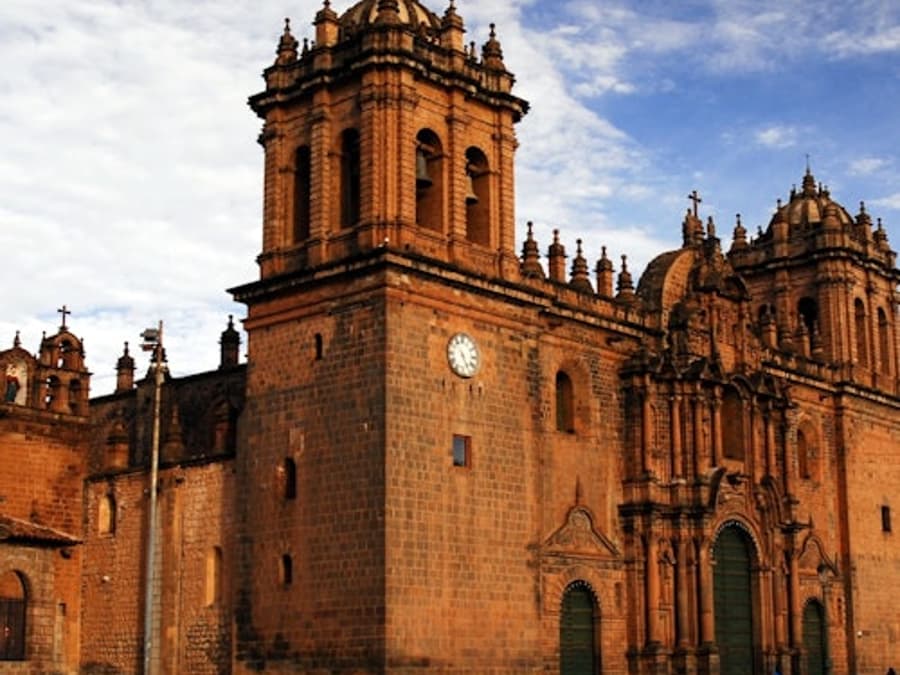
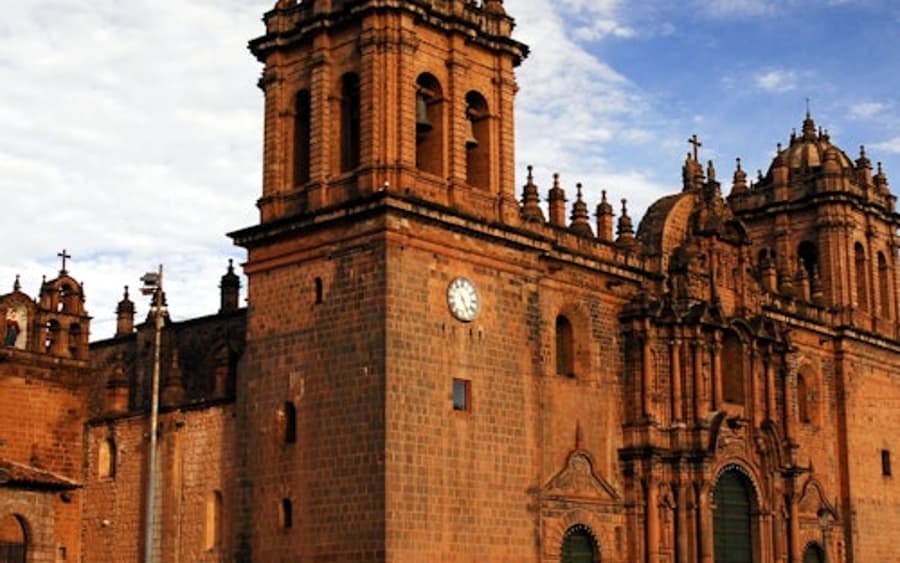
Cusco Cathedral tickets on Plaza de Armas: Reserve fast access to the cathedral, the Church of Triumph and Templo de la Sagrada Familia to admire colonial art and intricate altarpieces without long lines.
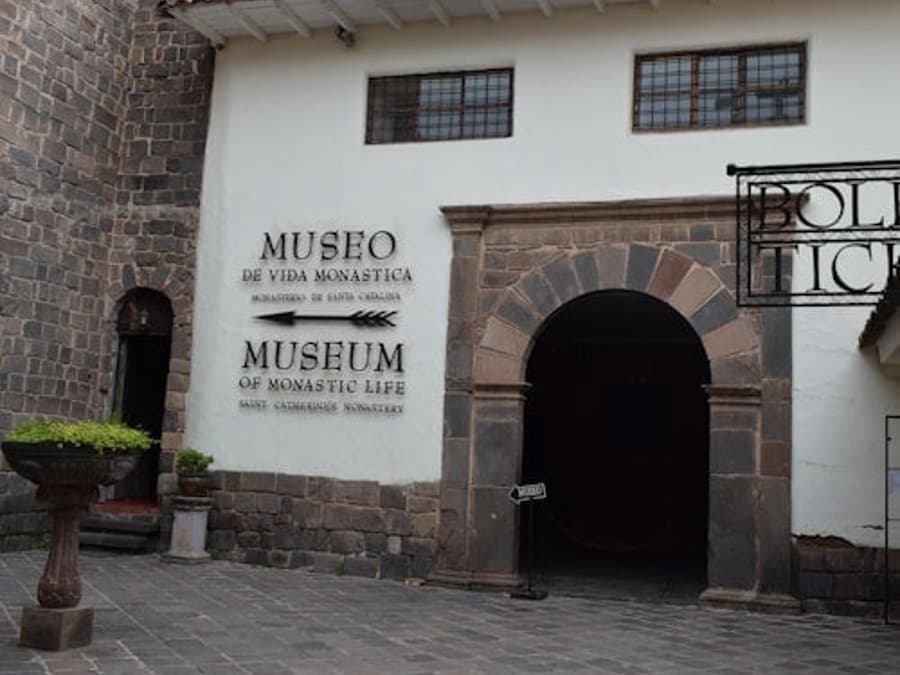
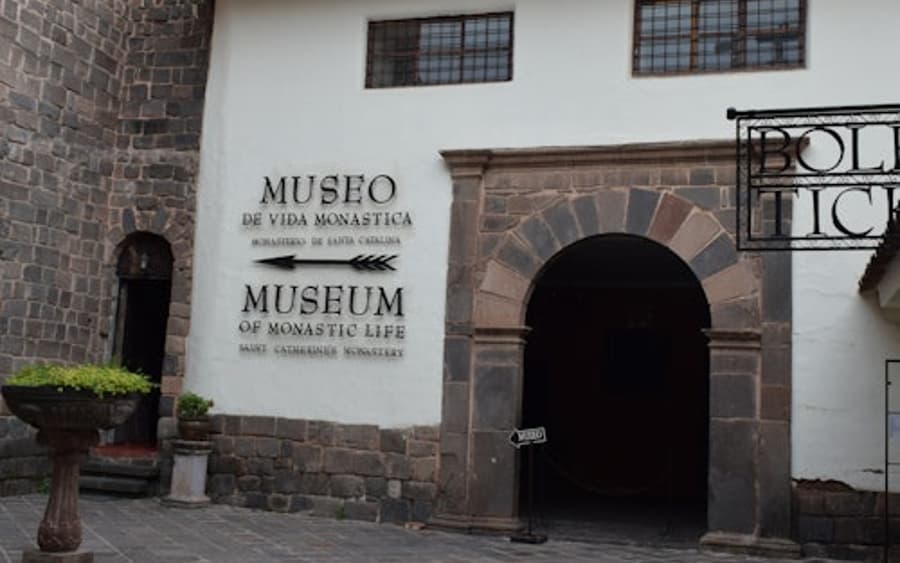
Museum of Religious Art entry pass: Explore Cusco’s spiritual heritage inside the former archbishop’s palace, with richly decorated rooms that showcase colonial painting and sculpture.
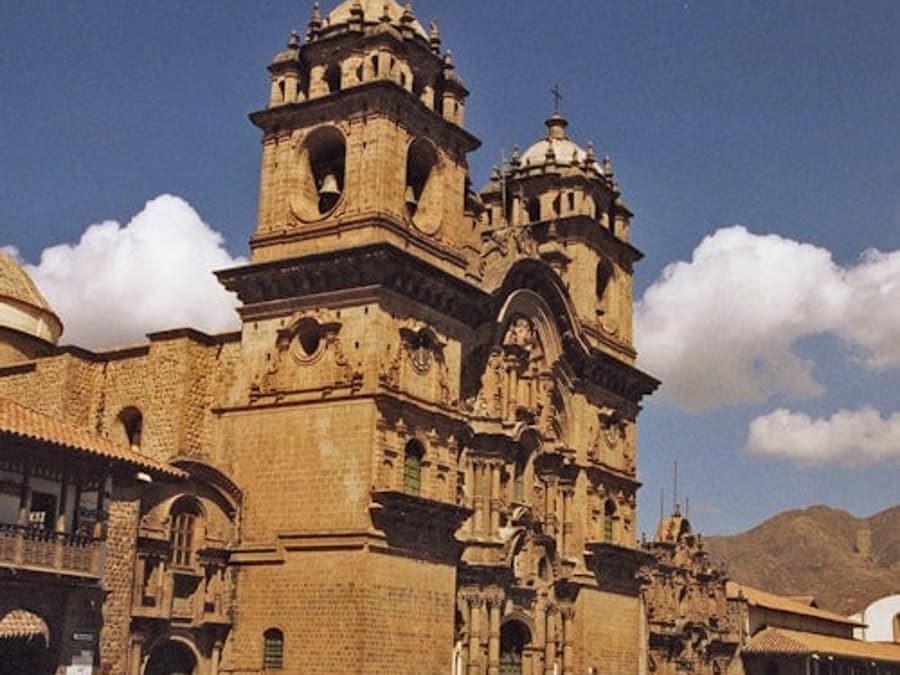
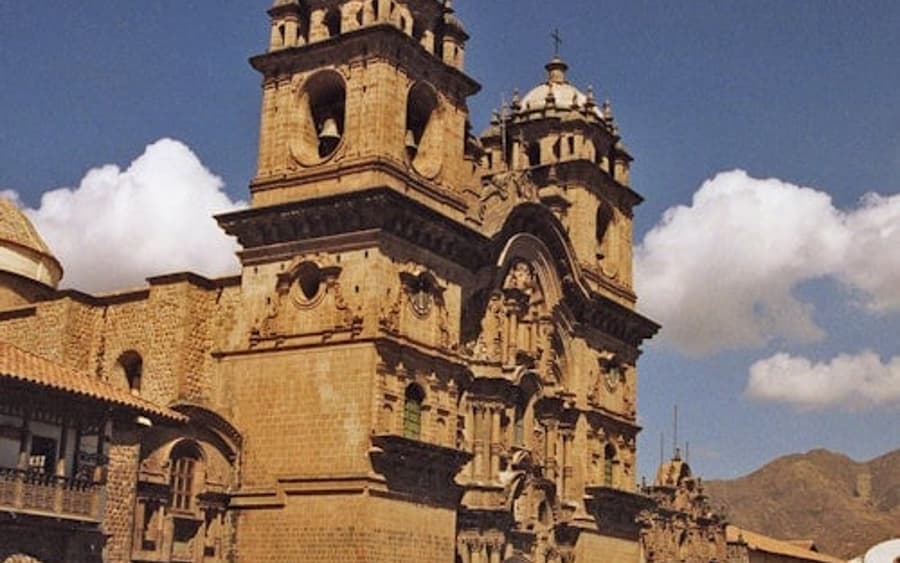
Society of Jesus Church tickets: Visit Iglesia de la Compañía de Jesús for golden baroque interiors and climb to the bell tower for sweeping views across central Cusco and the surrounding hillsides.
Machu Picchu entry tickets with guided tour: Secure official timed entry plus a two hour guided visit in English or Spanish, then enjoy free time among terraces and temples.
Machu Picchu Entrance and Tour Plus Train: Use Cusco as your base for a one day rail journey, combining train travel, guided tour and official machu picchu entry tickets in a single booking.
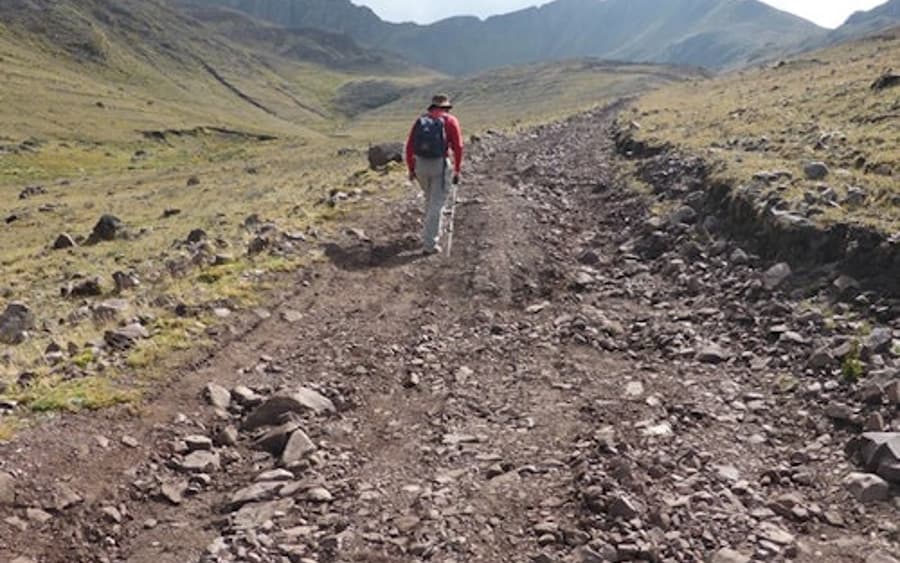
Sacred Valley trek cusco day adventure: Join a full day trek that includes hotel pick up, transport and guidance through Andean landscapes and traditional villages.
Stroll historic Cusco streets: Wander from Plaza de Armas to San Blas along narrow lanes that blend Inca stonework with colonial balconies and small workshops.
San Pedro Market visit: Browse colorful produce stalls, sample local snacks and pick up simple picnic supplies between tours.
Evening views over the city: Head to San Blas viewpoints or church bell towers such as the Society of Jesus Church to watch lights come on across the valley.
Day trips to nearby sites: Use organized tours to combine Cusco’s city sights with surrounding Inca ruins and valley viewpoints in one itinerary.
Tickets and passes in Cusco
Booking official cusco attraction tickets in advance helps you lock in timed entry for Machu Picchu and avoid queues at the most popular churches.
Cusco Cathedral fast access ticket: Skip the main ticket line on Plaza de Armas and go straight into the cathedral complex, including the Church of Triumph and Templo de la Sagrada Familia.
Museum of Religious Art entry: Buy digital cusco museum of religious art tickets so you can walk in and focus on the artwork rather than logistics.
Society of Jesus Church entry pass: Prebook cusco society of jesus church tickets to secure access to the ornate interior and bell tower viewpoints.
Machu Picchu guided tour tickets: Choose official machu picchu entry tickets that bundle a two hour guided visit in English or Spanish, plus clear instructions on the time slot you must use.
Machu Picchu Entrance & Tour Plus Train: Combine machu picchu tour from cusco with rail travel in one package so you do not have to coordinate separate train and site tickets.
Sacred Valley day tour tickets: Book sacred valley day tour tickets that include hotel pick up and all transfers, which simplifies planning between scattered valley towns.
If you plan several paid churches plus a Machu Picchu experience in a short stay, bundling cusco attraction tickets with train and tour options can offer better value and a smoother schedule than buying on separate days.
Getting around Cusco by air, road and tour transport
Cusco is walkable in the center, while airport transfers, day tours and treks rely on organized transport, local buses and plentiful taxis.
Airport to city: Alejandro Velasco Astete International Airport CUZ sits close to town, so most visitors use licensed taxis or prebooked transfers to reach hotels around Plaza de Armas in around 20 to 30 minutes depending on traffic.
Walking the historic center: Many top things to do in Cusco, including Cusco Cathedral and Iglesia de la Compañía de Jesús, are clustered around Plaza de Armas and nearby streets that are best explored on foot.
Local buses and colectivos: Shared vehicles on routes like Avenida de la Cultura link outlying districts with central Cusco, useful if you stay beyond the historic center and want a budget option.
Taxis and rides: Street taxis are common, with fares agreed before travel, while prebooked cars through hotels or agencies can be handy for early Machu Picchu train departures.
Tour shuttles for major sights: Many cusco tours, including sacred valley trek cusco outings and Machu Picchu train packages, include hotel pick up and return so you do not need to arrange separate transfers.
Altitude and timing: Steep streets and thin air slow walking speeds, so allow extra time between churches, museums and markets, especially on your first full day in Cusco.
Future rail connections: Cusco is a regional rail hub for scenic tourist routes and, if offered in future, services such as an Arequipa to Cusco train that would link the southern Andes more directly for travelers.
Whenever you book cusco tours that start early in the morning, confirm your exact pick up point and time the day before to avoid confusion on narrow, busy streets.
When is the best time to visit Cusco?
The best time to visit Cusco is generally the dry season from May to September, when skies are clearer and days are sunny but cool. June and July bring big crowds around Inti Raymi and school holidays. October and November are shoulder months with fewer visitors and some showers, while January to March is wetter, with greener valleys but more rain on mountain routes.
How many days do you need in Cusco?
Plan at least two full days in Cusco itself. One day covers Plaza de Armas, Cusco Cathedral, the Museum of Religious Art and Iglesia de la Compañía de Jesús. A second day lets you adjust to altitude and explore San Blas and San Pedro Market. With three to four days you can add a Sacred Valley trek or a Machu Picchu tour from Cusco.
Is Cusco expensive to visit?
Cusco can be very good value day to day, with affordable markets and local eateries, but key sights such as Machu Picchu, cathedral complexes and guided sacred valley trek cusco packages raise overall costs. You save by booking official tickets and bundled tours in advance, sharing transport, and mixing paid attractions with free plazas and viewpoints around the historic center.
What are the must-see attractions in Cusco?
Top attractions in Cusco cluster around Plaza de Armas. Do not miss Cusco Cathedral with its art filled chapels, the neighboring Church of Triumph and Templo de la Sagrada Familia, plus the Museum of Religious Art in the former archbishop’s palace. Iglesia de la Compañía de Jesús offers golden baroque interiors and a bell tower viewpoint. Many travelers then add a Sacred Valley day trek or Machu Picchu tour.
Do I need to book Machu Picchu tickets in advance from Cusco?
Yes, you should always book Machu Picchu entry tickets in advance from Cusco. Daily visitor numbers are controlled, and popular time slots and circuits sell out quickly, especially in dry season and holiday periods. Official machu picchu guided tour tickets and train packages are clearly dated and timed, so secure them before locking in flights or hotels to avoid disappointment.
How do I get from CUZ Airport to central Cusco?
From Alejandro Velasco Astete International Airport CUZ, most visitors take licensed taxis directly to hotels around Plaza de Armas or San Blas in 20 to 30 minutes. Some accommodations arrange private shuttles, especially for early Machu Picchu departures. Budget travelers often share taxis with other passengers. Because distances are short and there is no rail link, taxis remain the most practical and flexible option.
Where should I stay in Cusco?
Stay near Plaza de Armas if you want to walk to Cusco Cathedral, Iglesia de la Compañía de Jesús and main tour meeting points. San Blas suits travelers who like quieter streets, artisan workshops and hillside views. The San Pedro area is handy for market shopping and local eateries. Santiago district offers a more residential feel while still being a short ride from central attractions.
What are easy day trips from Cusco?
Cusco is the launchpad for classic Andean day trips. Sacred Valley day trek tickets include hotel pick up and guided walks through dramatic scenery and villages. Many visitors choose Machu Picchu Entrance and Tour Plus Train for a one day rail adventure from Cusco. Other tours combine nearby Inca sites with valley viewpoints, so you experience both culture and landscapes without arranging your own transport.
Cusco quick facts: airports, stations and maps
Plan your days with these essential details for Cusco Peru. Sitting high in the Peruvian Andes, Cusco is the traditional gateway city for Machu Picchu and the Sacred Valley, with a compact historic center that is easy to explore on foot.
State/Region/Country: Cusco Region, southern highlands of Peru, South America.
Airports: Alejandro Velasco Astete International Airport CUZ, located in the southeast of the city.
Main stations/hubs: Estación Wanchaq for regional rail and tourist services, Estación San Pedro beside the central market for local connections.
Public transport: Local buses and colectivos on main avenues such as Avenida de la Cultura and Avenida El Sol, plus frequent taxis for short hops around central Cusco.
Paying fares: Most local buses accept cash paid to the onboard collector, taxis are paid in cash after agreeing the price before departure.
Coordinates: Approximately 13.52° S latitude, 71.97° W longitude in the Andes.
Popular neighbourhoods: Historic center around Plaza de Armas, San Blas hillside arts district, San Pedro market area, residential Santiago district.
Additional context: Surrounded by dramatic mountains and Inca archaeological sites, Cusco is the starting point for treks and rail journeys into the Sacred Valley and Machu Picchu.
Altitude in Cusco is over 3,300 meters, so plan gentle walking and light sightseeing on arrival day before more active tours or a sacred valley trek cusco adventure.
Top things to do in Cusco
Start with the big historic sights, then add a Machu Picchu adventure, a Sacred Valley day trek and time for plazas, markets and local food.
Cusco Cathedral tickets on Plaza de Armas: Reserve fast access to the cathedral, the Church of Triumph and Templo de la Sagrada Familia to admire colonial art and intricate altarpieces without long lines.
Museum of Religious Art entry pass: Explore Cusco’s spiritual heritage inside the former archbishop’s palace, with richly decorated rooms that showcase colonial painting and sculpture.
Society of Jesus Church tickets: Visit Iglesia de la Compañía de Jesús for golden baroque interiors and climb to the bell tower for sweeping views across central Cusco and the surrounding hillsides.
Machu Picchu entry tickets with guided tour: Secure official timed entry plus a two hour guided visit in English or Spanish, then enjoy free time among terraces and temples.
Machu Picchu Entrance and Tour Plus Train: Use Cusco as your base for a one day rail journey, combining train travel, guided tour and official machu picchu entry tickets in a single booking.
Sacred Valley trek cusco day adventure: Join a full day trek that includes hotel pick up, transport and guidance through Andean landscapes and traditional villages.
Stroll historic Cusco streets: Wander from Plaza de Armas to San Blas along narrow lanes that blend Inca stonework with colonial balconies and small workshops.
San Pedro Market visit: Browse colorful produce stalls, sample local snacks and pick up simple picnic supplies between tours.
Evening views over the city: Head to San Blas viewpoints or church bell towers such as the Society of Jesus Church to watch lights come on across the valley.
Day trips to nearby sites: Use organized tours to combine Cusco’s city sights with surrounding Inca ruins and valley viewpoints in one itinerary.
Tickets and passes in Cusco
Booking official cusco attraction tickets in advance helps you lock in timed entry for Machu Picchu and avoid queues at the most popular churches.
Cusco Cathedral fast access ticket: Skip the main ticket line on Plaza de Armas and go straight into the cathedral complex, including the Church of Triumph and Templo de la Sagrada Familia.
Museum of Religious Art entry: Buy digital cusco museum of religious art tickets so you can walk in and focus on the artwork rather than logistics.
Society of Jesus Church entry pass: Prebook cusco society of jesus church tickets to secure access to the ornate interior and bell tower viewpoints.
Machu Picchu guided tour tickets: Choose official machu picchu entry tickets that bundle a two hour guided visit in English or Spanish, plus clear instructions on the time slot you must use.
Machu Picchu Entrance & Tour Plus Train: Combine machu picchu tour from cusco with rail travel in one package so you do not have to coordinate separate train and site tickets.
Sacred Valley day tour tickets: Book sacred valley day tour tickets that include hotel pick up and all transfers, which simplifies planning between scattered valley towns.
If you plan several paid churches plus a Machu Picchu experience in a short stay, bundling cusco attraction tickets with train and tour options can offer better value and a smoother schedule than buying on separate days.
Getting around Cusco by air, road and tour transport
Cusco is walkable in the center, while airport transfers, day tours and treks rely on organized transport, local buses and plentiful taxis.
Airport to city: Alejandro Velasco Astete International Airport CUZ sits close to town, so most visitors use licensed taxis or prebooked transfers to reach hotels around Plaza de Armas in around 20 to 30 minutes depending on traffic.
Walking the historic center: Many top things to do in Cusco, including Cusco Cathedral and Iglesia de la Compañía de Jesús, are clustered around Plaza de Armas and nearby streets that are best explored on foot.
Local buses and colectivos: Shared vehicles on routes like Avenida de la Cultura link outlying districts with central Cusco, useful if you stay beyond the historic center and want a budget option.
Taxis and rides: Street taxis are common, with fares agreed before travel, while prebooked cars through hotels or agencies can be handy for early Machu Picchu train departures.
Tour shuttles for major sights: Many cusco tours, including sacred valley trek cusco outings and Machu Picchu train packages, include hotel pick up and return so you do not need to arrange separate transfers.
Altitude and timing: Steep streets and thin air slow walking speeds, so allow extra time between churches, museums and markets, especially on your first full day in Cusco.
Future rail connections: Cusco is a regional rail hub for scenic tourist routes and, if offered in future, services such as an Arequipa to Cusco train that would link the southern Andes more directly for travelers.
Whenever you book cusco tours that start early in the morning, confirm your exact pick up point and time the day before to avoid confusion on narrow, busy streets.
When is the best time to visit Cusco?
The best time to visit Cusco is generally the dry season from May to September, when skies are clearer and days are sunny but cool. June and July bring big crowds around Inti Raymi and school holidays. October and November are shoulder months with fewer visitors and some showers, while January to March is wetter, with greener valleys but more rain on mountain routes.
How many days do you need in Cusco?
Plan at least two full days in Cusco itself. One day covers Plaza de Armas, Cusco Cathedral, the Museum of Religious Art and Iglesia de la Compañía de Jesús. A second day lets you adjust to altitude and explore San Blas and San Pedro Market. With three to four days you can add a Sacred Valley trek or a Machu Picchu tour from Cusco.
Is Cusco expensive to visit?
Cusco can be very good value day to day, with affordable markets and local eateries, but key sights such as Machu Picchu, cathedral complexes and guided sacred valley trek cusco packages raise overall costs. You save by booking official tickets and bundled tours in advance, sharing transport, and mixing paid attractions with free plazas and viewpoints around the historic center.
What are the must-see attractions in Cusco?
Top attractions in Cusco cluster around Plaza de Armas. Do not miss Cusco Cathedral with its art filled chapels, the neighboring Church of Triumph and Templo de la Sagrada Familia, plus the Museum of Religious Art in the former archbishop’s palace. Iglesia de la Compañía de Jesús offers golden baroque interiors and a bell tower viewpoint. Many travelers then add a Sacred Valley day trek or Machu Picchu tour.
Do I need to book Machu Picchu tickets in advance from Cusco?
Yes, you should always book Machu Picchu entry tickets in advance from Cusco. Daily visitor numbers are controlled, and popular time slots and circuits sell out quickly, especially in dry season and holiday periods. Official machu picchu guided tour tickets and train packages are clearly dated and timed, so secure them before locking in flights or hotels to avoid disappointment.
How do I get from CUZ Airport to central Cusco?
From Alejandro Velasco Astete International Airport CUZ, most visitors take licensed taxis directly to hotels around Plaza de Armas or San Blas in 20 to 30 minutes. Some accommodations arrange private shuttles, especially for early Machu Picchu departures. Budget travelers often share taxis with other passengers. Because distances are short and there is no rail link, taxis remain the most practical and flexible option.
Where should I stay in Cusco?
Stay near Plaza de Armas if you want to walk to Cusco Cathedral, Iglesia de la Compañía de Jesús and main tour meeting points. San Blas suits travelers who like quieter streets, artisan workshops and hillside views. The San Pedro area is handy for market shopping and local eateries. Santiago district offers a more residential feel while still being a short ride from central attractions.
What are easy day trips from Cusco?
Cusco is the launchpad for classic Andean day trips. Sacred Valley day trek tickets include hotel pick up and guided walks through dramatic scenery and villages. Many visitors choose Machu Picchu Entrance and Tour Plus Train for a one day rail adventure from Cusco. Other tours combine nearby Inca sites with valley viewpoints, so you experience both culture and landscapes without arranging your own transport.
Cusco quick facts: airports, stations and maps
Plan your days with these essential details for Cusco Peru. Sitting high in the Peruvian Andes, Cusco is the traditional gateway city for Machu Picchu and the Sacred Valley, with a compact historic center that is easy to explore on foot.
State/Region/Country: Cusco Region, southern highlands of Peru, South America.
Airports: Alejandro Velasco Astete International Airport CUZ, located in the southeast of the city.
Main stations/hubs: Estación Wanchaq for regional rail and tourist services, Estación San Pedro beside the central market for local connections.
Public transport: Local buses and colectivos on main avenues such as Avenida de la Cultura and Avenida El Sol, plus frequent taxis for short hops around central Cusco.
Paying fares: Most local buses accept cash paid to the onboard collector, taxis are paid in cash after agreeing the price before departure.
Coordinates: Approximately 13.52° S latitude, 71.97° W longitude in the Andes.
Popular neighbourhoods: Historic center around Plaza de Armas, San Blas hillside arts district, San Pedro market area, residential Santiago district.
Additional context: Surrounded by dramatic mountains and Inca archaeological sites, Cusco is the starting point for treks and rail journeys into the Sacred Valley and Machu Picchu.
Altitude in Cusco is over 3,300 meters, so plan gentle walking and light sightseeing on arrival day before more active tours or a sacred valley trek cusco adventure.
Top things to do in Cusco
Start with the big historic sights, then add a Machu Picchu adventure, a Sacred Valley day trek and time for plazas, markets and local food.
Cusco Cathedral tickets on Plaza de Armas: Reserve fast access to the cathedral, the Church of Triumph and Templo de la Sagrada Familia to admire colonial art and intricate altarpieces without long lines.
Museum of Religious Art entry pass: Explore Cusco’s spiritual heritage inside the former archbishop’s palace, with richly decorated rooms that showcase colonial painting and sculpture.
Society of Jesus Church tickets: Visit Iglesia de la Compañía de Jesús for golden baroque interiors and climb to the bell tower for sweeping views across central Cusco and the surrounding hillsides.
Machu Picchu entry tickets with guided tour: Secure official timed entry plus a two hour guided visit in English or Spanish, then enjoy free time among terraces and temples.
Machu Picchu Entrance and Tour Plus Train: Use Cusco as your base for a one day rail journey, combining train travel, guided tour and official machu picchu entry tickets in a single booking.
Sacred Valley trek cusco day adventure: Join a full day trek that includes hotel pick up, transport and guidance through Andean landscapes and traditional villages.
Stroll historic Cusco streets: Wander from Plaza de Armas to San Blas along narrow lanes that blend Inca stonework with colonial balconies and small workshops.
San Pedro Market visit: Browse colorful produce stalls, sample local snacks and pick up simple picnic supplies between tours.
Evening views over the city: Head to San Blas viewpoints or church bell towers such as the Society of Jesus Church to watch lights come on across the valley.
Day trips to nearby sites: Use organized tours to combine Cusco’s city sights with surrounding Inca ruins and valley viewpoints in one itinerary.
Tickets and passes in Cusco
Booking official cusco attraction tickets in advance helps you lock in timed entry for Machu Picchu and avoid queues at the most popular churches.
Cusco Cathedral fast access ticket: Skip the main ticket line on Plaza de Armas and go straight into the cathedral complex, including the Church of Triumph and Templo de la Sagrada Familia.
Museum of Religious Art entry: Buy digital cusco museum of religious art tickets so you can walk in and focus on the artwork rather than logistics.
Society of Jesus Church entry pass: Prebook cusco society of jesus church tickets to secure access to the ornate interior and bell tower viewpoints.
Machu Picchu guided tour tickets: Choose official machu picchu entry tickets that bundle a two hour guided visit in English or Spanish, plus clear instructions on the time slot you must use.
Machu Picchu Entrance & Tour Plus Train: Combine machu picchu tour from cusco with rail travel in one package so you do not have to coordinate separate train and site tickets.
Sacred Valley day tour tickets: Book sacred valley day tour tickets that include hotel pick up and all transfers, which simplifies planning between scattered valley towns.
If you plan several paid churches plus a Machu Picchu experience in a short stay, bundling cusco attraction tickets with train and tour options can offer better value and a smoother schedule than buying on separate days.
Getting around Cusco by air, road and tour transport
Cusco is walkable in the center, while airport transfers, day tours and treks rely on organized transport, local buses and plentiful taxis.
Airport to city: Alejandro Velasco Astete International Airport CUZ sits close to town, so most visitors use licensed taxis or prebooked transfers to reach hotels around Plaza de Armas in around 20 to 30 minutes depending on traffic.
Walking the historic center: Many top things to do in Cusco, including Cusco Cathedral and Iglesia de la Compañía de Jesús, are clustered around Plaza de Armas and nearby streets that are best explored on foot.
Local buses and colectivos: Shared vehicles on routes like Avenida de la Cultura link outlying districts with central Cusco, useful if you stay beyond the historic center and want a budget option.
Taxis and rides: Street taxis are common, with fares agreed before travel, while prebooked cars through hotels or agencies can be handy for early Machu Picchu train departures.
Tour shuttles for major sights: Many cusco tours, including sacred valley trek cusco outings and Machu Picchu train packages, include hotel pick up and return so you do not need to arrange separate transfers.
Altitude and timing: Steep streets and thin air slow walking speeds, so allow extra time between churches, museums and markets, especially on your first full day in Cusco.
Future rail connections: Cusco is a regional rail hub for scenic tourist routes and, if offered in future, services such as an Arequipa to Cusco train that would link the southern Andes more directly for travelers.
Whenever you book cusco tours that start early in the morning, confirm your exact pick up point and time the day before to avoid confusion on narrow, busy streets.
When is the best time to visit Cusco?
The best time to visit Cusco is generally the dry season from May to September, when skies are clearer and days are sunny but cool. June and July bring big crowds around Inti Raymi and school holidays. October and November are shoulder months with fewer visitors and some showers, while January to March is wetter, with greener valleys but more rain on mountain routes.
How many days do you need in Cusco?
Plan at least two full days in Cusco itself. One day covers Plaza de Armas, Cusco Cathedral, the Museum of Religious Art and Iglesia de la Compañía de Jesús. A second day lets you adjust to altitude and explore San Blas and San Pedro Market. With three to four days you can add a Sacred Valley trek or a Machu Picchu tour from Cusco.
Is Cusco expensive to visit?
Cusco can be very good value day to day, with affordable markets and local eateries, but key sights such as Machu Picchu, cathedral complexes and guided sacred valley trek cusco packages raise overall costs. You save by booking official tickets and bundled tours in advance, sharing transport, and mixing paid attractions with free plazas and viewpoints around the historic center.
What are the must-see attractions in Cusco?
Top attractions in Cusco cluster around Plaza de Armas. Do not miss Cusco Cathedral with its art filled chapels, the neighboring Church of Triumph and Templo de la Sagrada Familia, plus the Museum of Religious Art in the former archbishop’s palace. Iglesia de la Compañía de Jesús offers golden baroque interiors and a bell tower viewpoint. Many travelers then add a Sacred Valley day trek or Machu Picchu tour.
Do I need to book Machu Picchu tickets in advance from Cusco?
Yes, you should always book Machu Picchu entry tickets in advance from Cusco. Daily visitor numbers are controlled, and popular time slots and circuits sell out quickly, especially in dry season and holiday periods. Official machu picchu guided tour tickets and train packages are clearly dated and timed, so secure them before locking in flights or hotels to avoid disappointment.
How do I get from CUZ Airport to central Cusco?
From Alejandro Velasco Astete International Airport CUZ, most visitors take licensed taxis directly to hotels around Plaza de Armas or San Blas in 20 to 30 minutes. Some accommodations arrange private shuttles, especially for early Machu Picchu departures. Budget travelers often share taxis with other passengers. Because distances are short and there is no rail link, taxis remain the most practical and flexible option.
Where should I stay in Cusco?
Stay near Plaza de Armas if you want to walk to Cusco Cathedral, Iglesia de la Compañía de Jesús and main tour meeting points. San Blas suits travelers who like quieter streets, artisan workshops and hillside views. The San Pedro area is handy for market shopping and local eateries. Santiago district offers a more residential feel while still being a short ride from central attractions.
What are easy day trips from Cusco?
Cusco is the launchpad for classic Andean day trips. Sacred Valley day trek tickets include hotel pick up and guided walks through dramatic scenery and villages. Many visitors choose Machu Picchu Entrance and Tour Plus Train for a one day rail adventure from Cusco. Other tours combine nearby Inca sites with valley viewpoints, so you experience both culture and landscapes without arranging your own transport.
Cusco quick facts: airports, stations and maps
Plan your days with these essential details for Cusco Peru. Sitting high in the Peruvian Andes, Cusco is the traditional gateway city for Machu Picchu and the Sacred Valley, with a compact historic center that is easy to explore on foot.
State/Region/Country: Cusco Region, southern highlands of Peru, South America.
Airports: Alejandro Velasco Astete International Airport CUZ, located in the southeast of the city.
Main stations/hubs: Estación Wanchaq for regional rail and tourist services, Estación San Pedro beside the central market for local connections.
Public transport: Local buses and colectivos on main avenues such as Avenida de la Cultura and Avenida El Sol, plus frequent taxis for short hops around central Cusco.
Paying fares: Most local buses accept cash paid to the onboard collector, taxis are paid in cash after agreeing the price before departure.
Coordinates: Approximately 13.52° S latitude, 71.97° W longitude in the Andes.
Popular neighbourhoods: Historic center around Plaza de Armas, San Blas hillside arts district, San Pedro market area, residential Santiago district.
Additional context: Surrounded by dramatic mountains and Inca archaeological sites, Cusco is the starting point for treks and rail journeys into the Sacred Valley and Machu Picchu.
Altitude in Cusco is over 3,300 meters, so plan gentle walking and light sightseeing on arrival day before more active tours or a sacred valley trek cusco adventure.
Top things to do in Cusco
Start with the big historic sights, then add a Machu Picchu adventure, a Sacred Valley day trek and time for plazas, markets and local food.
Cusco Cathedral tickets on Plaza de Armas: Reserve fast access to the cathedral, the Church of Triumph and Templo de la Sagrada Familia to admire colonial art and intricate altarpieces without long lines.
Museum of Religious Art entry pass: Explore Cusco’s spiritual heritage inside the former archbishop’s palace, with richly decorated rooms that showcase colonial painting and sculpture.
Society of Jesus Church tickets: Visit Iglesia de la Compañía de Jesús for golden baroque interiors and climb to the bell tower for sweeping views across central Cusco and the surrounding hillsides.
Machu Picchu entry tickets with guided tour: Secure official timed entry plus a two hour guided visit in English or Spanish, then enjoy free time among terraces and temples.
Machu Picchu Entrance and Tour Plus Train: Use Cusco as your base for a one day rail journey, combining train travel, guided tour and official machu picchu entry tickets in a single booking.
Sacred Valley trek cusco day adventure: Join a full day trek that includes hotel pick up, transport and guidance through Andean landscapes and traditional villages.
Stroll historic Cusco streets: Wander from Plaza de Armas to San Blas along narrow lanes that blend Inca stonework with colonial balconies and small workshops.
San Pedro Market visit: Browse colorful produce stalls, sample local snacks and pick up simple picnic supplies between tours.
Evening views over the city: Head to San Blas viewpoints or church bell towers such as the Society of Jesus Church to watch lights come on across the valley.
Day trips to nearby sites: Use organized tours to combine Cusco’s city sights with surrounding Inca ruins and valley viewpoints in one itinerary.
Tickets and passes in Cusco
Booking official cusco attraction tickets in advance helps you lock in timed entry for Machu Picchu and avoid queues at the most popular churches.
Cusco Cathedral fast access ticket: Skip the main ticket line on Plaza de Armas and go straight into the cathedral complex, including the Church of Triumph and Templo de la Sagrada Familia.
Museum of Religious Art entry: Buy digital cusco museum of religious art tickets so you can walk in and focus on the artwork rather than logistics.
Society of Jesus Church entry pass: Prebook cusco society of jesus church tickets to secure access to the ornate interior and bell tower viewpoints.
Machu Picchu guided tour tickets: Choose official machu picchu entry tickets that bundle a two hour guided visit in English or Spanish, plus clear instructions on the time slot you must use.
Machu Picchu Entrance & Tour Plus Train: Combine machu picchu tour from cusco with rail travel in one package so you do not have to coordinate separate train and site tickets.
Sacred Valley day tour tickets: Book sacred valley day tour tickets that include hotel pick up and all transfers, which simplifies planning between scattered valley towns.
If you plan several paid churches plus a Machu Picchu experience in a short stay, bundling cusco attraction tickets with train and tour options can offer better value and a smoother schedule than buying on separate days.
Getting around Cusco by air, road and tour transport
Cusco is walkable in the center, while airport transfers, day tours and treks rely on organized transport, local buses and plentiful taxis.
Airport to city: Alejandro Velasco Astete International Airport CUZ sits close to town, so most visitors use licensed taxis or prebooked transfers to reach hotels around Plaza de Armas in around 20 to 30 minutes depending on traffic.
Walking the historic center: Many top things to do in Cusco, including Cusco Cathedral and Iglesia de la Compañía de Jesús, are clustered around Plaza de Armas and nearby streets that are best explored on foot.
Local buses and colectivos: Shared vehicles on routes like Avenida de la Cultura link outlying districts with central Cusco, useful if you stay beyond the historic center and want a budget option.
Taxis and rides: Street taxis are common, with fares agreed before travel, while prebooked cars through hotels or agencies can be handy for early Machu Picchu train departures.
Tour shuttles for major sights: Many cusco tours, including sacred valley trek cusco outings and Machu Picchu train packages, include hotel pick up and return so you do not need to arrange separate transfers.
Altitude and timing: Steep streets and thin air slow walking speeds, so allow extra time between churches, museums and markets, especially on your first full day in Cusco.
Future rail connections: Cusco is a regional rail hub for scenic tourist routes and, if offered in future, services such as an Arequipa to Cusco train that would link the southern Andes more directly for travelers.
Whenever you book cusco tours that start early in the morning, confirm your exact pick up point and time the day before to avoid confusion on narrow, busy streets.
When is the best time to visit Cusco?
The best time to visit Cusco is generally the dry season from May to September, when skies are clearer and days are sunny but cool. June and July bring big crowds around Inti Raymi and school holidays. October and November are shoulder months with fewer visitors and some showers, while January to March is wetter, with greener valleys but more rain on mountain routes.
How many days do you need in Cusco?
Plan at least two full days in Cusco itself. One day covers Plaza de Armas, Cusco Cathedral, the Museum of Religious Art and Iglesia de la Compañía de Jesús. A second day lets you adjust to altitude and explore San Blas and San Pedro Market. With three to four days you can add a Sacred Valley trek or a Machu Picchu tour from Cusco.
Is Cusco expensive to visit?
Cusco can be very good value day to day, with affordable markets and local eateries, but key sights such as Machu Picchu, cathedral complexes and guided sacred valley trek cusco packages raise overall costs. You save by booking official tickets and bundled tours in advance, sharing transport, and mixing paid attractions with free plazas and viewpoints around the historic center.
What are the must-see attractions in Cusco?
Top attractions in Cusco cluster around Plaza de Armas. Do not miss Cusco Cathedral with its art filled chapels, the neighboring Church of Triumph and Templo de la Sagrada Familia, plus the Museum of Religious Art in the former archbishop’s palace. Iglesia de la Compañía de Jesús offers golden baroque interiors and a bell tower viewpoint. Many travelers then add a Sacred Valley day trek or Machu Picchu tour.
Do I need to book Machu Picchu tickets in advance from Cusco?
Yes, you should always book Machu Picchu entry tickets in advance from Cusco. Daily visitor numbers are controlled, and popular time slots and circuits sell out quickly, especially in dry season and holiday periods. Official machu picchu guided tour tickets and train packages are clearly dated and timed, so secure them before locking in flights or hotels to avoid disappointment.
How do I get from CUZ Airport to central Cusco?
From Alejandro Velasco Astete International Airport CUZ, most visitors take licensed taxis directly to hotels around Plaza de Armas or San Blas in 20 to 30 minutes. Some accommodations arrange private shuttles, especially for early Machu Picchu departures. Budget travelers often share taxis with other passengers. Because distances are short and there is no rail link, taxis remain the most practical and flexible option.
Where should I stay in Cusco?
Stay near Plaza de Armas if you want to walk to Cusco Cathedral, Iglesia de la Compañía de Jesús and main tour meeting points. San Blas suits travelers who like quieter streets, artisan workshops and hillside views. The San Pedro area is handy for market shopping and local eateries. Santiago district offers a more residential feel while still being a short ride from central attractions.
What are easy day trips from Cusco?
Cusco is the launchpad for classic Andean day trips. Sacred Valley day trek tickets include hotel pick up and guided walks through dramatic scenery and villages. Many visitors choose Machu Picchu Entrance and Tour Plus Train for a one day rail adventure from Cusco. Other tours combine nearby Inca sites with valley viewpoints, so you experience both culture and landscapes without arranging your own transport.