What's Trending in Hong Kong?
Hong Kong pairs glittering skyscrapers with forested peaks and neon-lit harbours. Ride the Hong Kong Observation Wheel, glide on the Ngong Ping Cable Car, book Hong Kong Disneyland tickets and secure Victoria Harbour cruise tickets in one streamlined trip planner.
From Victoria Peak to Lantau Island you can combine Hong Kong attraction passes like the Hong Kong & Macau iVenture Pass with easy mobile booking, family tickets and flexible combos, then layer on night markets and skyline cruises to shape your perfect Hong Kong itinerary.
All Hong Kong tickets
Load more events
Load more events
Load more events
Hong Kong quick facts: airports, stations and maps
Plan your days with these essential details for Hong Kong in southern China. This compact harbour city balances skyscrapers and country parks, with efficient transport linking islands, shopping districts and classic skyline viewpoints.
State/Region/Country: Hong Kong Special Administrative Region, People's Republic of China, on the Pearl River Delta.
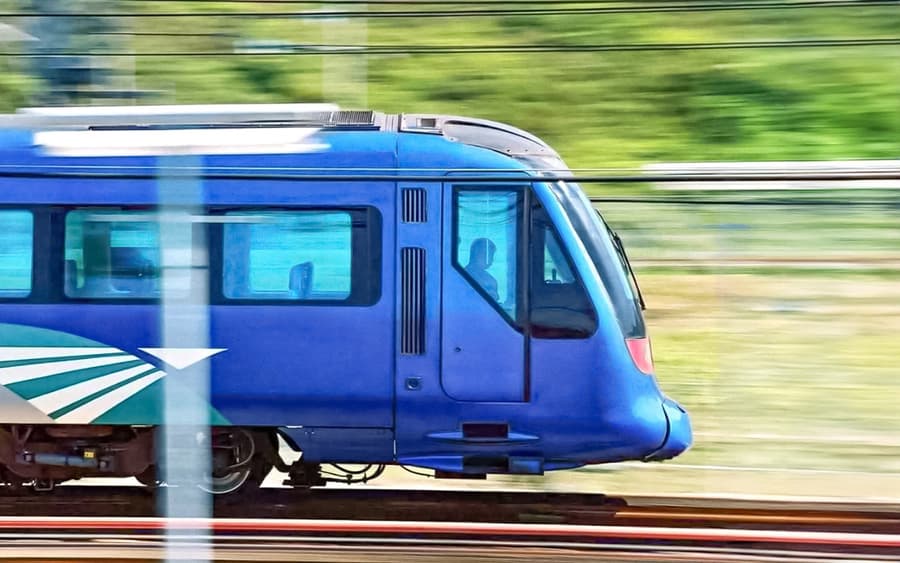
Airports: Hong Kong International Airport HKG on Chek Lap Kok Island is the main gateway, with direct Airport Express rail into the city.
Main stations/hubs: Hong Kong Station and Kowloon Station for Airport Express, plus major MTR interchanges like Central, Admiralty, Tsim Sha Tsui and Mong Kok.
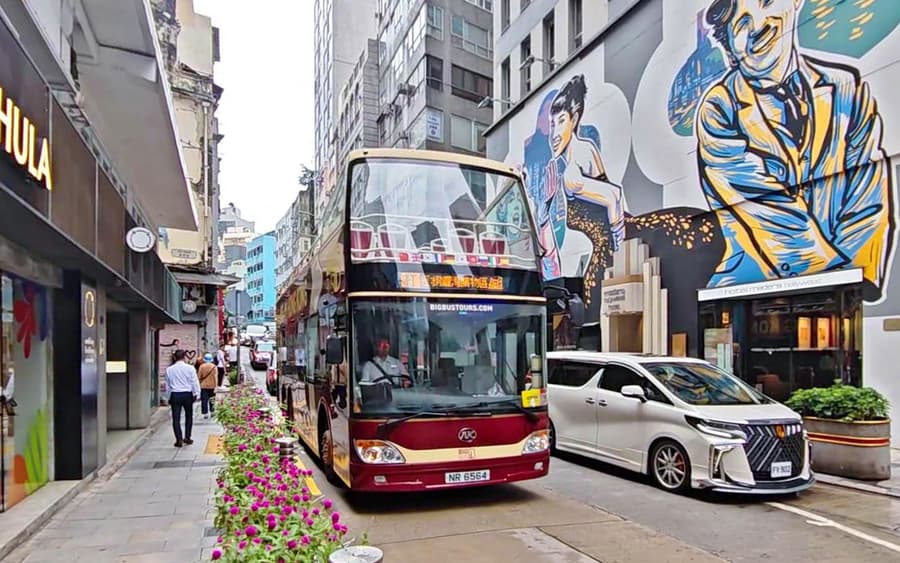
Public transport: MTR metro network, classic Star Ferry across Victoria Harbour, double decker buses, green and red minibuses and trams on Hong Kong Island.
Paying fares: Octopus stored value card or contactless bank cards on most MTR, buses, trams and ferries, with automatic fare calculation and useful daily spending caps.
Coordinates: Central Hong Kong sits around 22.3193° N latitude and 114.1694° E longitude.
Popular neighbourhoods: Central, Tsim Sha Tsui, Mong Kok, Causeway Bay, Wan Chai, Sheung Wan, Sham Shui Po and Lantau Island resort areas.
Additional context: Hong Kong combines steep hiking trails like Dragon's Back, sheltered beaches at Repulse Bay and Deep Water Bay, and a working harbour used by ferries and sightseeing cruises.
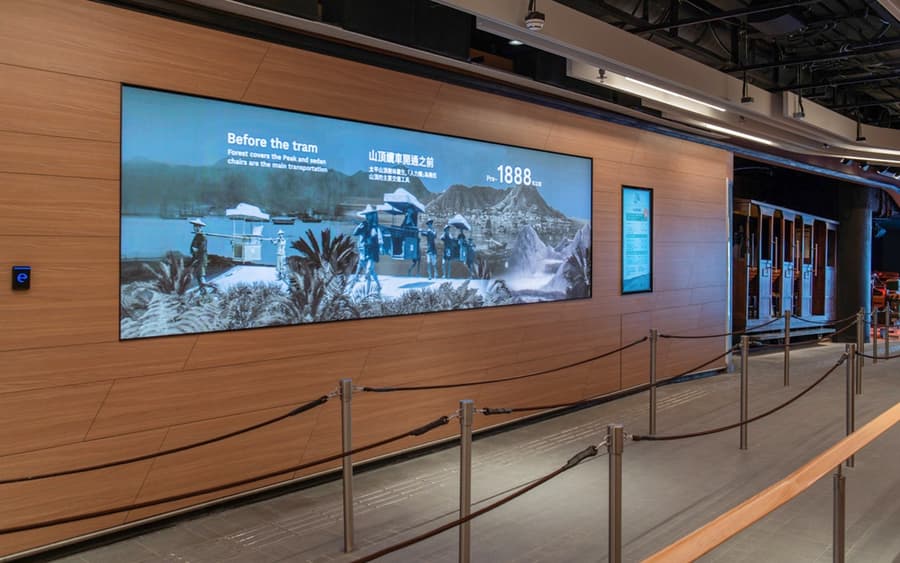
Transport in Hong Kong updates often, so always check Airport Express hours and any temporary changes to Peak Tram or ferry services before you set out.
Top things to do in Hong Kong
Start with iconic Hong Kong skyline attractions, then add family experiences, neighbourhood markets and a harbour cruise for balance.
Ride the Hong Kong Observation Wheel: Book Hong Kong Observation Wheel tickets for a 15 minute air conditioned gondola ride, perfect for daytime harbour views or nighttime city lights.
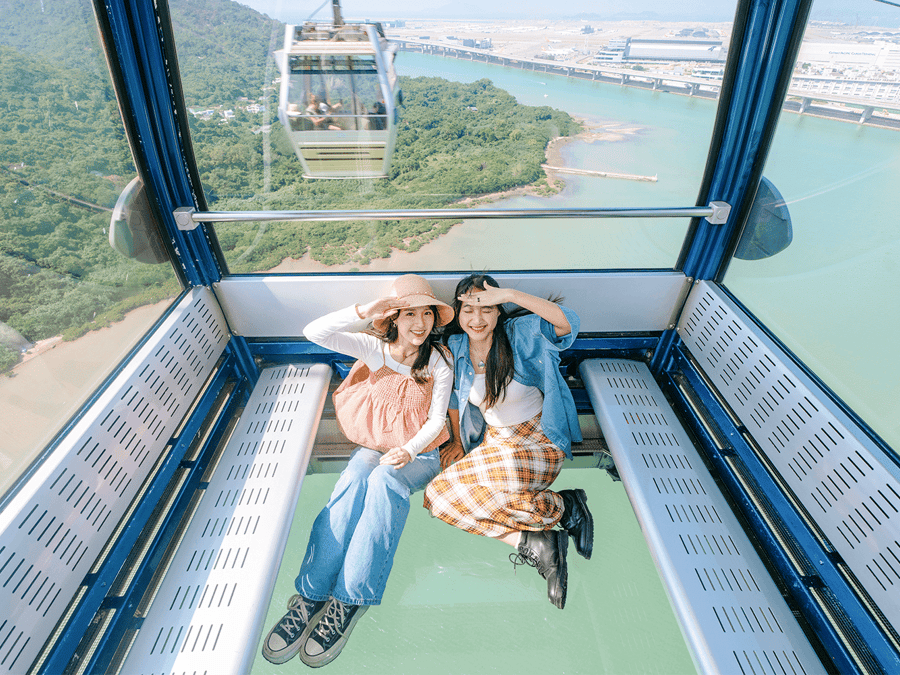
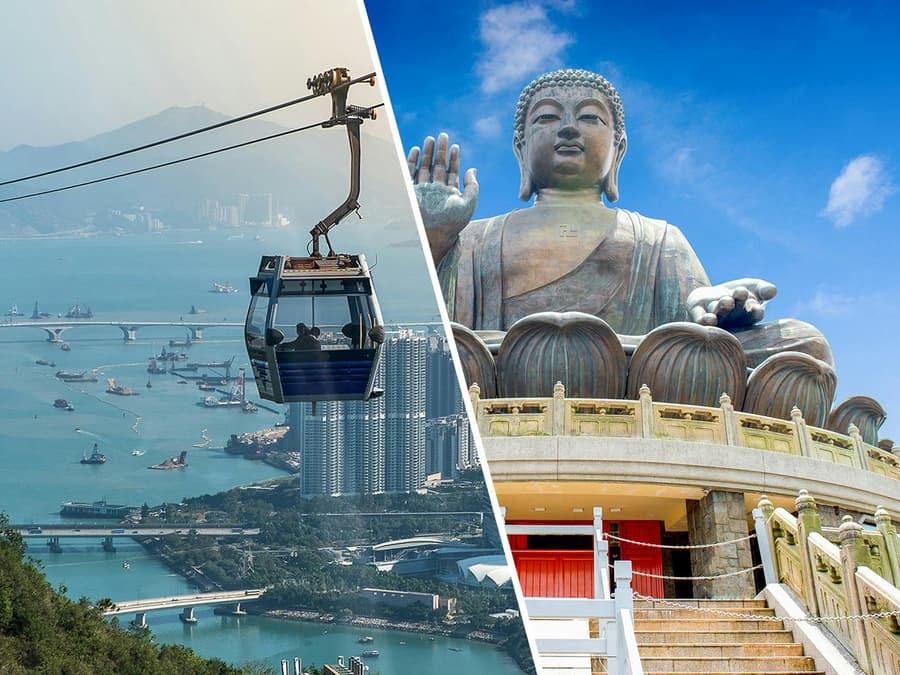
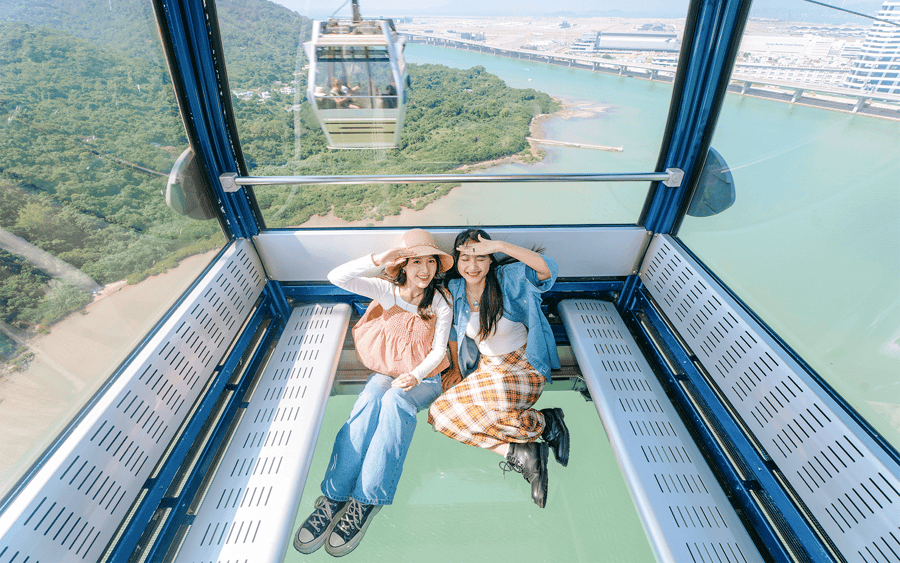
Glide on the Ngong Ping Cable Car: Use Ngong Ping Cable Car tickets for a scenic ride across North Lantau Country Park toward the Tian Tan Buddha and Ngong Ping Village.
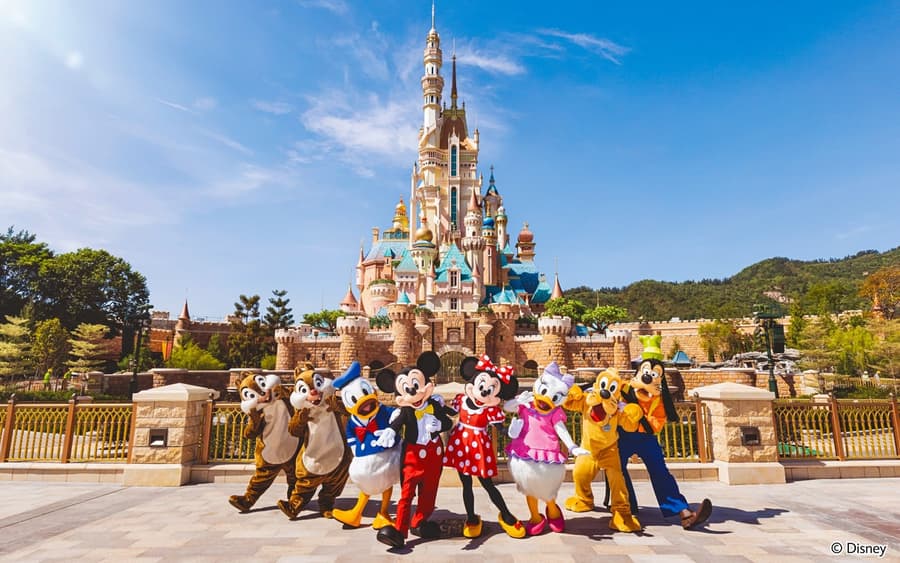
Spend a day at Hong Kong Disneyland: Choose Hong Kong Disneyland tickets for access to multiple themed zones, parades and nighttime shows ideal for families and Disney fans.
Play at LEGOLAND Discovery Centre Hong Kong: Secure LEGOLAND Discovery Centre Hong Kong tickets for indoor rides, creative workshops and the Miniland model of major local landmarks.
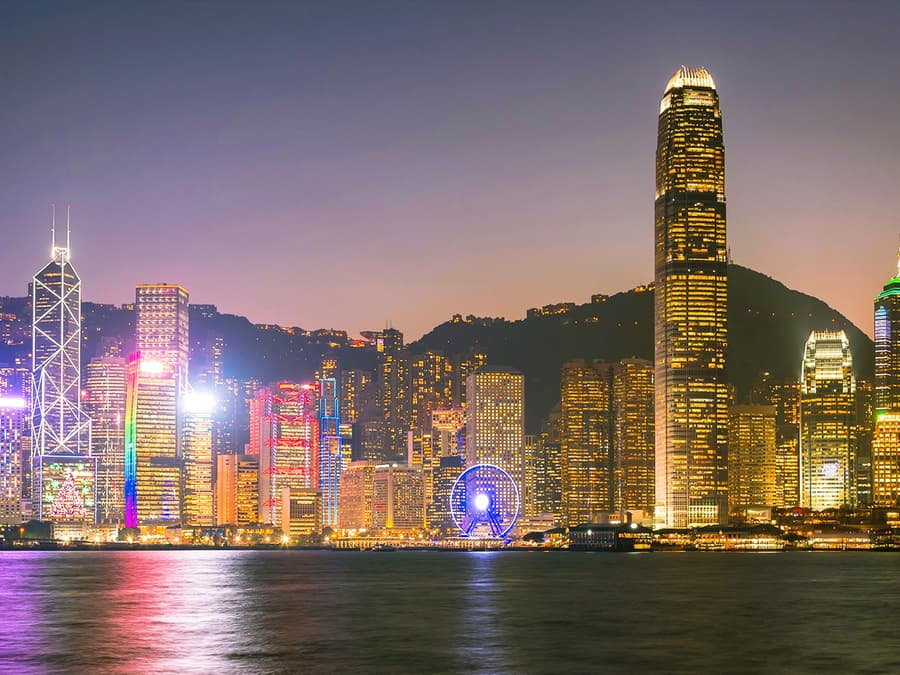
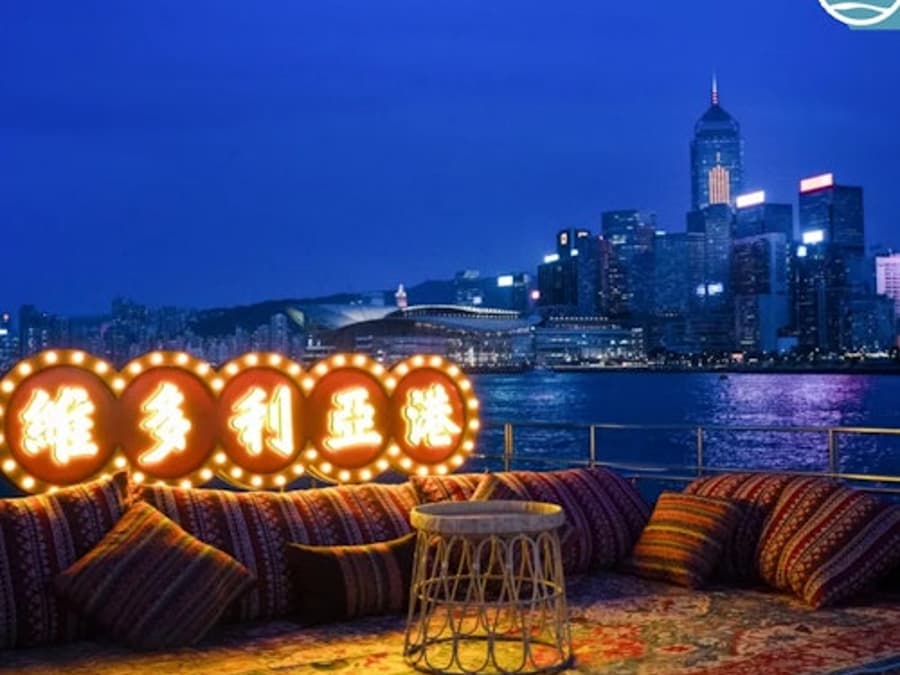
Cruise Victoria Harbour at night: Book Victoria Harbour cruise tickets or a Hong Kong dinner cruise with buffet and live music to see the skyline sparkle after dark.
Walk the Victoria Peak Hong Kong trails: Take the Peak Tram or bus up to Victoria Peak, then circle Lugard Road for sweeping views over Hong Kong Island and Kowloon.
Hunt for flavors in night markets: Join Hong Kong night market tours in areas like Temple Street, sampling street food, fortune tellers and open air stalls.
Explore Tsim Sha Tsui waterfront: Stroll the Tsim Sha Tsui Promenade and Avenue of Stars, a free way to photograph Victoria Harbour and Hong Kong Island's skyline.
Dive into Kowloon street life: Wander Mong Kok and Sham Shui Po for neon side streets, bargain shopping and some of the city's most atmospheric local eateries.
Pair a hike with a beach: Combine a morning on Dragon's Back or at Victoria Peak gardens with an afternoon swim at Repulse Bay.
Tickets and city passes in Hong Kong
Smart ticket choices in Hong Kong save time at the gate and keep costs predictable across your sightseeing days.
Hong Kong & Macau iVenture Pass: This Hong Kong multi-attraction pass bundles popular Hong Kong city tours, museums and key attractions into one card, ideal if you plan several paid sights plus a Macau side trip.
Hong Kong attraction combos: Look for Hong Kong attraction combos that link Hong Kong Observation Wheel tickets with Victoria Harbour cruise tickets, or pair Ngong Ping Cable Car tickets with other Lantau Island experiences.
Family friendly bundles: Families can combine LEGOLAND Discovery Centre Hong Kong tickets, Ngong Ping Cable Car and Hong Kong Disneyland tickets for better value compared with buying individual entries.
Dinner and dim sum cruises: Book Hong Kong dinner cruise and Dim Sum Cruise Hong Kong tickets in advance, especially on weekends, since capacity is limited and popular sailings sell out.
Instant mobile tickets: Many top things to do in Hong Kong on tickadoo use instant mobile tickets, which means you skip paper printouts and often shorten queuing at attraction entrances.
If you expect to visit at least two or three paid Hong Kong attractions plus a harbour cruise in a couple of days, a Hong Kong attraction pass or curated combo can deliver solid savings and simpler planning.
Getting around Hong Kong by MTR, ferry and tram
Hong Kong's transport network is compact, frequent and easy to understand once you know the main MTR lines and harbour crossings.
MTR metro lines: Core lines include the Tsuen Wan Line, Island Line, Tung Chung Line to Lantau and the Airport Express. Interchanges at Central, Admiralty and Tsim Sha Tsui connect most sightseeing routes.
Using Octopus card: Load credit onto an Octopus card at MTR stations or convenience stores, then tap in and out on MTR, most buses, trams and ferries. Remaining balance and daily usage are shown on the reader.
Airport to city from HKG: Take the Airport Express from HKG to Hong Kong Station or Kowloon Station, then transfer to the Island Line or Tsuen Wan Line, or use hotel shuttle buses and taxis from the stations.
Reaching Lantau attractions: For the Ngong Ping Cable Car, ride the Tung Chung Line to Tung Chung Station, then walk to the cable car terminus that climbs toward Big Buddha and Ngong Ping Village.
Cross harbour options: Use the Star Ferry between Tsim Sha Tsui and Central or Wan Chai for classic views, or ride cross harbour MTR lines for speed, especially at peak commuter times.
Trams and buses: On Hong Kong Island, historic double decker trams run east west, a scenic slow journey. City buses and minibuses fill gaps where the MTR does not reach.
Traffic and timing: Rush hours bring crowds on major MTR lines and road congestion at cross harbour tunnels. Plan popular things to do in Hong Kong, like peak visits and harbour cruises, outside commuter peaks when possible.
When is the best time to visit Hong Kong?
Hong Kong is most pleasant from October to early December, with clear skies, low humidity and temperatures around 20 to 26°C. January and February are cooler and can be damp, but crowds thin after Lunar New Year. March to May is warm and increasingly humid. June to September is hot, rainy and typhoon prone, so allow flexibility for outdoor plans and Victoria Harbour cruises.
How many days do you need in Hong Kong?
With two days in Hong Kong you can cover Victoria Peak, Tsim Sha Tsui Promenade, a Victoria Harbour sightseeing cruise and one major attraction such as the Hong Kong Observation Wheel or Ngong Ping Cable Car. In three to four days add Hong Kong Disneyland, LEGOLAND Discovery Centre Hong Kong and night markets in Mong Kok or Temple Street, plus a Lantau Island walk.
Is the Hong Kong & Macau iVenture Pass worth it for Hong Kong?
The Hong Kong & Macau iVenture Pass makes sense if you plan several paid attractions such as Hong Kong city tours, museum entries and harbour cruises within a few days, especially when adding a Macau trip. If you only want one or two big ticket sights, like Hong Kong Disneyland or Ngong Ping Cable Car, individual tickets or small attraction combos can be cheaper.
What are the must see attractions in Hong Kong?
For first timers, focus on Victoria Peak for classic skyline views, the Hong Kong Observation Wheel for harbour panoramas, Ngong Ping Cable Car to Tian Tan Buddha, Hong Kong Disneyland for themed rides and shows and LEGOLAND Discovery Centre Hong Kong with kids. Add a Victoria Harbour dinner cruise, the Star Ferry between Central and Tsim Sha Tsui and at least one night market in Kowloon.
Do I need to book Hong Kong Disneyland tickets in advance?
Booking Hong Kong Disneyland tickets in advance is strongly recommended, especially on weekends, Hong Kong school holidays and around Golden Week or Lunar New Year. Advance tickets lock in your date, avoid gate lines and help you secure any limited time offers. For flexible trips, choose dated tickets with change options or combine them in a wider Hong Kong attraction pass.
How do I get from HKG to Central Hong Kong?
From Hong Kong International Airport HKG, the fastest option is the Airport Express train to Hong Kong Station in about 24 minutes, with in town check in on some airlines. Cheaper choices include Citybus routes to Central and Wan Chai or shared hotel shuttles from Kowloon Station. Metered taxis are convenient late at night, taking 30 to 40 minutes depending on tunnel traffic.
Where should I stay in Hong Kong?
Stay in Central or Admiralty if you want business hotels, quick MTR access and easy trips to Victoria Peak. Tsim Sha Tsui suits first timers focused on skyline views, harbour walks and shopping. Mong Kok works for budget travelers and night markets. Causeway Bay is ideal for malls and food, while Lantau Island suits families prioritising Hong Kong Disneyland and Ngong Ping Cable Car.
What is Hong Kong known for?
Hong Kong is known for its dramatic skyline around Victoria Harbour, fast paced street life and efficient MTR network, plus iconic sights like Victoria Peak and the Star Ferry. It is also famous for dim sum, bustling night markets in Kowloon, family attractions such as Hong Kong Disneyland and LEGOLAND Discovery Centre Hong Kong and scenic journeys like the Ngong Ping Cable Car to Lantau Island.
Hong Kong quick facts: airports, stations and maps
Plan your days with these essential details for Hong Kong in southern China. This compact harbour city balances skyscrapers and country parks, with efficient transport linking islands, shopping districts and classic skyline viewpoints.
State/Region/Country: Hong Kong Special Administrative Region, People's Republic of China, on the Pearl River Delta.
Airports: Hong Kong International Airport HKG on Chek Lap Kok Island is the main gateway, with direct Airport Express rail into the city.
Main stations/hubs: Hong Kong Station and Kowloon Station for Airport Express, plus major MTR interchanges like Central, Admiralty, Tsim Sha Tsui and Mong Kok.
Public transport: MTR metro network, classic Star Ferry across Victoria Harbour, double decker buses, green and red minibuses and trams on Hong Kong Island.
Paying fares: Octopus stored value card or contactless bank cards on most MTR, buses, trams and ferries, with automatic fare calculation and useful daily spending caps.
Coordinates: Central Hong Kong sits around 22.3193° N latitude and 114.1694° E longitude.
Popular neighbourhoods: Central, Tsim Sha Tsui, Mong Kok, Causeway Bay, Wan Chai, Sheung Wan, Sham Shui Po and Lantau Island resort areas.
Additional context: Hong Kong combines steep hiking trails like Dragon's Back, sheltered beaches at Repulse Bay and Deep Water Bay, and a working harbour used by ferries and sightseeing cruises.
Transport in Hong Kong updates often, so always check Airport Express hours and any temporary changes to Peak Tram or ferry services before you set out.
Top things to do in Hong Kong
Start with iconic Hong Kong skyline attractions, then add family experiences, neighbourhood markets and a harbour cruise for balance.
Ride the Hong Kong Observation Wheel: Book Hong Kong Observation Wheel tickets for a 15 minute air conditioned gondola ride, perfect for daytime harbour views or nighttime city lights.
Glide on the Ngong Ping Cable Car: Use Ngong Ping Cable Car tickets for a scenic ride across North Lantau Country Park toward the Tian Tan Buddha and Ngong Ping Village.
Spend a day at Hong Kong Disneyland: Choose Hong Kong Disneyland tickets for access to multiple themed zones, parades and nighttime shows ideal for families and Disney fans.
Play at LEGOLAND Discovery Centre Hong Kong: Secure LEGOLAND Discovery Centre Hong Kong tickets for indoor rides, creative workshops and the Miniland model of major local landmarks.
Cruise Victoria Harbour at night: Book Victoria Harbour cruise tickets or a Hong Kong dinner cruise with buffet and live music to see the skyline sparkle after dark.
Walk the Victoria Peak Hong Kong trails: Take the Peak Tram or bus up to Victoria Peak, then circle Lugard Road for sweeping views over Hong Kong Island and Kowloon.
Hunt for flavors in night markets: Join Hong Kong night market tours in areas like Temple Street, sampling street food, fortune tellers and open air stalls.
Explore Tsim Sha Tsui waterfront: Stroll the Tsim Sha Tsui Promenade and Avenue of Stars, a free way to photograph Victoria Harbour and Hong Kong Island's skyline.
Dive into Kowloon street life: Wander Mong Kok and Sham Shui Po for neon side streets, bargain shopping and some of the city's most atmospheric local eateries.
Pair a hike with a beach: Combine a morning on Dragon's Back or at Victoria Peak gardens with an afternoon swim at Repulse Bay.
Tickets and city passes in Hong Kong
Smart ticket choices in Hong Kong save time at the gate and keep costs predictable across your sightseeing days.
Hong Kong & Macau iVenture Pass: This Hong Kong multi-attraction pass bundles popular Hong Kong city tours, museums and key attractions into one card, ideal if you plan several paid sights plus a Macau side trip.
Hong Kong attraction combos: Look for Hong Kong attraction combos that link Hong Kong Observation Wheel tickets with Victoria Harbour cruise tickets, or pair Ngong Ping Cable Car tickets with other Lantau Island experiences.
Family friendly bundles: Families can combine LEGOLAND Discovery Centre Hong Kong tickets, Ngong Ping Cable Car and Hong Kong Disneyland tickets for better value compared with buying individual entries.
Dinner and dim sum cruises: Book Hong Kong dinner cruise and Dim Sum Cruise Hong Kong tickets in advance, especially on weekends, since capacity is limited and popular sailings sell out.
Instant mobile tickets: Many top things to do in Hong Kong on tickadoo use instant mobile tickets, which means you skip paper printouts and often shorten queuing at attraction entrances.
If you expect to visit at least two or three paid Hong Kong attractions plus a harbour cruise in a couple of days, a Hong Kong attraction pass or curated combo can deliver solid savings and simpler planning.
Getting around Hong Kong by MTR, ferry and tram
Hong Kong's transport network is compact, frequent and easy to understand once you know the main MTR lines and harbour crossings.
MTR metro lines: Core lines include the Tsuen Wan Line, Island Line, Tung Chung Line to Lantau and the Airport Express. Interchanges at Central, Admiralty and Tsim Sha Tsui connect most sightseeing routes.
Using Octopus card: Load credit onto an Octopus card at MTR stations or convenience stores, then tap in and out on MTR, most buses, trams and ferries. Remaining balance and daily usage are shown on the reader.
Airport to city from HKG: Take the Airport Express from HKG to Hong Kong Station or Kowloon Station, then transfer to the Island Line or Tsuen Wan Line, or use hotel shuttle buses and taxis from the stations.
Reaching Lantau attractions: For the Ngong Ping Cable Car, ride the Tung Chung Line to Tung Chung Station, then walk to the cable car terminus that climbs toward Big Buddha and Ngong Ping Village.
Cross harbour options: Use the Star Ferry between Tsim Sha Tsui and Central or Wan Chai for classic views, or ride cross harbour MTR lines for speed, especially at peak commuter times.
Trams and buses: On Hong Kong Island, historic double decker trams run east west, a scenic slow journey. City buses and minibuses fill gaps where the MTR does not reach.
Traffic and timing: Rush hours bring crowds on major MTR lines and road congestion at cross harbour tunnels. Plan popular things to do in Hong Kong, like peak visits and harbour cruises, outside commuter peaks when possible.
When is the best time to visit Hong Kong?
Hong Kong is most pleasant from October to early December, with clear skies, low humidity and temperatures around 20 to 26°C. January and February are cooler and can be damp, but crowds thin after Lunar New Year. March to May is warm and increasingly humid. June to September is hot, rainy and typhoon prone, so allow flexibility for outdoor plans and Victoria Harbour cruises.
How many days do you need in Hong Kong?
With two days in Hong Kong you can cover Victoria Peak, Tsim Sha Tsui Promenade, a Victoria Harbour sightseeing cruise and one major attraction such as the Hong Kong Observation Wheel or Ngong Ping Cable Car. In three to four days add Hong Kong Disneyland, LEGOLAND Discovery Centre Hong Kong and night markets in Mong Kok or Temple Street, plus a Lantau Island walk.
Is the Hong Kong & Macau iVenture Pass worth it for Hong Kong?
The Hong Kong & Macau iVenture Pass makes sense if you plan several paid attractions such as Hong Kong city tours, museum entries and harbour cruises within a few days, especially when adding a Macau trip. If you only want one or two big ticket sights, like Hong Kong Disneyland or Ngong Ping Cable Car, individual tickets or small attraction combos can be cheaper.
What are the must see attractions in Hong Kong?
For first timers, focus on Victoria Peak for classic skyline views, the Hong Kong Observation Wheel for harbour panoramas, Ngong Ping Cable Car to Tian Tan Buddha, Hong Kong Disneyland for themed rides and shows and LEGOLAND Discovery Centre Hong Kong with kids. Add a Victoria Harbour dinner cruise, the Star Ferry between Central and Tsim Sha Tsui and at least one night market in Kowloon.
Do I need to book Hong Kong Disneyland tickets in advance?
Booking Hong Kong Disneyland tickets in advance is strongly recommended, especially on weekends, Hong Kong school holidays and around Golden Week or Lunar New Year. Advance tickets lock in your date, avoid gate lines and help you secure any limited time offers. For flexible trips, choose dated tickets with change options or combine them in a wider Hong Kong attraction pass.
How do I get from HKG to Central Hong Kong?
From Hong Kong International Airport HKG, the fastest option is the Airport Express train to Hong Kong Station in about 24 minutes, with in town check in on some airlines. Cheaper choices include Citybus routes to Central and Wan Chai or shared hotel shuttles from Kowloon Station. Metered taxis are convenient late at night, taking 30 to 40 minutes depending on tunnel traffic.
Where should I stay in Hong Kong?
Stay in Central or Admiralty if you want business hotels, quick MTR access and easy trips to Victoria Peak. Tsim Sha Tsui suits first timers focused on skyline views, harbour walks and shopping. Mong Kok works for budget travelers and night markets. Causeway Bay is ideal for malls and food, while Lantau Island suits families prioritising Hong Kong Disneyland and Ngong Ping Cable Car.
What is Hong Kong known for?
Hong Kong is known for its dramatic skyline around Victoria Harbour, fast paced street life and efficient MTR network, plus iconic sights like Victoria Peak and the Star Ferry. It is also famous for dim sum, bustling night markets in Kowloon, family attractions such as Hong Kong Disneyland and LEGOLAND Discovery Centre Hong Kong and scenic journeys like the Ngong Ping Cable Car to Lantau Island.
Hong Kong quick facts: airports, stations and maps
Plan your days with these essential details for Hong Kong in southern China. This compact harbour city balances skyscrapers and country parks, with efficient transport linking islands, shopping districts and classic skyline viewpoints.
State/Region/Country: Hong Kong Special Administrative Region, People's Republic of China, on the Pearl River Delta.
Airports: Hong Kong International Airport HKG on Chek Lap Kok Island is the main gateway, with direct Airport Express rail into the city.
Main stations/hubs: Hong Kong Station and Kowloon Station for Airport Express, plus major MTR interchanges like Central, Admiralty, Tsim Sha Tsui and Mong Kok.
Public transport: MTR metro network, classic Star Ferry across Victoria Harbour, double decker buses, green and red minibuses and trams on Hong Kong Island.
Paying fares: Octopus stored value card or contactless bank cards on most MTR, buses, trams and ferries, with automatic fare calculation and useful daily spending caps.
Coordinates: Central Hong Kong sits around 22.3193° N latitude and 114.1694° E longitude.
Popular neighbourhoods: Central, Tsim Sha Tsui, Mong Kok, Causeway Bay, Wan Chai, Sheung Wan, Sham Shui Po and Lantau Island resort areas.
Additional context: Hong Kong combines steep hiking trails like Dragon's Back, sheltered beaches at Repulse Bay and Deep Water Bay, and a working harbour used by ferries and sightseeing cruises.
Transport in Hong Kong updates often, so always check Airport Express hours and any temporary changes to Peak Tram or ferry services before you set out.
Top things to do in Hong Kong
Start with iconic Hong Kong skyline attractions, then add family experiences, neighbourhood markets and a harbour cruise for balance.
Ride the Hong Kong Observation Wheel: Book Hong Kong Observation Wheel tickets for a 15 minute air conditioned gondola ride, perfect for daytime harbour views or nighttime city lights.
Glide on the Ngong Ping Cable Car: Use Ngong Ping Cable Car tickets for a scenic ride across North Lantau Country Park toward the Tian Tan Buddha and Ngong Ping Village.
Spend a day at Hong Kong Disneyland: Choose Hong Kong Disneyland tickets for access to multiple themed zones, parades and nighttime shows ideal for families and Disney fans.
Play at LEGOLAND Discovery Centre Hong Kong: Secure LEGOLAND Discovery Centre Hong Kong tickets for indoor rides, creative workshops and the Miniland model of major local landmarks.
Cruise Victoria Harbour at night: Book Victoria Harbour cruise tickets or a Hong Kong dinner cruise with buffet and live music to see the skyline sparkle after dark.
Walk the Victoria Peak Hong Kong trails: Take the Peak Tram or bus up to Victoria Peak, then circle Lugard Road for sweeping views over Hong Kong Island and Kowloon.
Hunt for flavors in night markets: Join Hong Kong night market tours in areas like Temple Street, sampling street food, fortune tellers and open air stalls.
Explore Tsim Sha Tsui waterfront: Stroll the Tsim Sha Tsui Promenade and Avenue of Stars, a free way to photograph Victoria Harbour and Hong Kong Island's skyline.
Dive into Kowloon street life: Wander Mong Kok and Sham Shui Po for neon side streets, bargain shopping and some of the city's most atmospheric local eateries.
Pair a hike with a beach: Combine a morning on Dragon's Back or at Victoria Peak gardens with an afternoon swim at Repulse Bay.
Tickets and city passes in Hong Kong
Smart ticket choices in Hong Kong save time at the gate and keep costs predictable across your sightseeing days.
Hong Kong & Macau iVenture Pass: This Hong Kong multi-attraction pass bundles popular Hong Kong city tours, museums and key attractions into one card, ideal if you plan several paid sights plus a Macau side trip.
Hong Kong attraction combos: Look for Hong Kong attraction combos that link Hong Kong Observation Wheel tickets with Victoria Harbour cruise tickets, or pair Ngong Ping Cable Car tickets with other Lantau Island experiences.
Family friendly bundles: Families can combine LEGOLAND Discovery Centre Hong Kong tickets, Ngong Ping Cable Car and Hong Kong Disneyland tickets for better value compared with buying individual entries.
Dinner and dim sum cruises: Book Hong Kong dinner cruise and Dim Sum Cruise Hong Kong tickets in advance, especially on weekends, since capacity is limited and popular sailings sell out.
Instant mobile tickets: Many top things to do in Hong Kong on tickadoo use instant mobile tickets, which means you skip paper printouts and often shorten queuing at attraction entrances.
If you expect to visit at least two or three paid Hong Kong attractions plus a harbour cruise in a couple of days, a Hong Kong attraction pass or curated combo can deliver solid savings and simpler planning.
Getting around Hong Kong by MTR, ferry and tram
Hong Kong's transport network is compact, frequent and easy to understand once you know the main MTR lines and harbour crossings.
MTR metro lines: Core lines include the Tsuen Wan Line, Island Line, Tung Chung Line to Lantau and the Airport Express. Interchanges at Central, Admiralty and Tsim Sha Tsui connect most sightseeing routes.
Using Octopus card: Load credit onto an Octopus card at MTR stations or convenience stores, then tap in and out on MTR, most buses, trams and ferries. Remaining balance and daily usage are shown on the reader.
Airport to city from HKG: Take the Airport Express from HKG to Hong Kong Station or Kowloon Station, then transfer to the Island Line or Tsuen Wan Line, or use hotel shuttle buses and taxis from the stations.
Reaching Lantau attractions: For the Ngong Ping Cable Car, ride the Tung Chung Line to Tung Chung Station, then walk to the cable car terminus that climbs toward Big Buddha and Ngong Ping Village.
Cross harbour options: Use the Star Ferry between Tsim Sha Tsui and Central or Wan Chai for classic views, or ride cross harbour MTR lines for speed, especially at peak commuter times.
Trams and buses: On Hong Kong Island, historic double decker trams run east west, a scenic slow journey. City buses and minibuses fill gaps where the MTR does not reach.
Traffic and timing: Rush hours bring crowds on major MTR lines and road congestion at cross harbour tunnels. Plan popular things to do in Hong Kong, like peak visits and harbour cruises, outside commuter peaks when possible.
When is the best time to visit Hong Kong?
Hong Kong is most pleasant from October to early December, with clear skies, low humidity and temperatures around 20 to 26°C. January and February are cooler and can be damp, but crowds thin after Lunar New Year. March to May is warm and increasingly humid. June to September is hot, rainy and typhoon prone, so allow flexibility for outdoor plans and Victoria Harbour cruises.
How many days do you need in Hong Kong?
With two days in Hong Kong you can cover Victoria Peak, Tsim Sha Tsui Promenade, a Victoria Harbour sightseeing cruise and one major attraction such as the Hong Kong Observation Wheel or Ngong Ping Cable Car. In three to four days add Hong Kong Disneyland, LEGOLAND Discovery Centre Hong Kong and night markets in Mong Kok or Temple Street, plus a Lantau Island walk.
Is the Hong Kong & Macau iVenture Pass worth it for Hong Kong?
The Hong Kong & Macau iVenture Pass makes sense if you plan several paid attractions such as Hong Kong city tours, museum entries and harbour cruises within a few days, especially when adding a Macau trip. If you only want one or two big ticket sights, like Hong Kong Disneyland or Ngong Ping Cable Car, individual tickets or small attraction combos can be cheaper.
What are the must see attractions in Hong Kong?
For first timers, focus on Victoria Peak for classic skyline views, the Hong Kong Observation Wheel for harbour panoramas, Ngong Ping Cable Car to Tian Tan Buddha, Hong Kong Disneyland for themed rides and shows and LEGOLAND Discovery Centre Hong Kong with kids. Add a Victoria Harbour dinner cruise, the Star Ferry between Central and Tsim Sha Tsui and at least one night market in Kowloon.
Do I need to book Hong Kong Disneyland tickets in advance?
Booking Hong Kong Disneyland tickets in advance is strongly recommended, especially on weekends, Hong Kong school holidays and around Golden Week or Lunar New Year. Advance tickets lock in your date, avoid gate lines and help you secure any limited time offers. For flexible trips, choose dated tickets with change options or combine them in a wider Hong Kong attraction pass.
How do I get from HKG to Central Hong Kong?
From Hong Kong International Airport HKG, the fastest option is the Airport Express train to Hong Kong Station in about 24 minutes, with in town check in on some airlines. Cheaper choices include Citybus routes to Central and Wan Chai or shared hotel shuttles from Kowloon Station. Metered taxis are convenient late at night, taking 30 to 40 minutes depending on tunnel traffic.
Where should I stay in Hong Kong?
Stay in Central or Admiralty if you want business hotels, quick MTR access and easy trips to Victoria Peak. Tsim Sha Tsui suits first timers focused on skyline views, harbour walks and shopping. Mong Kok works for budget travelers and night markets. Causeway Bay is ideal for malls and food, while Lantau Island suits families prioritising Hong Kong Disneyland and Ngong Ping Cable Car.
What is Hong Kong known for?
Hong Kong is known for its dramatic skyline around Victoria Harbour, fast paced street life and efficient MTR network, plus iconic sights like Victoria Peak and the Star Ferry. It is also famous for dim sum, bustling night markets in Kowloon, family attractions such as Hong Kong Disneyland and LEGOLAND Discovery Centre Hong Kong and scenic journeys like the Ngong Ping Cable Car to Lantau Island.
Hong Kong quick facts: airports, stations and maps
Plan your days with these essential details for Hong Kong in southern China. This compact harbour city balances skyscrapers and country parks, with efficient transport linking islands, shopping districts and classic skyline viewpoints.
State/Region/Country: Hong Kong Special Administrative Region, People's Republic of China, on the Pearl River Delta.
Airports: Hong Kong International Airport HKG on Chek Lap Kok Island is the main gateway, with direct Airport Express rail into the city.
Main stations/hubs: Hong Kong Station and Kowloon Station for Airport Express, plus major MTR interchanges like Central, Admiralty, Tsim Sha Tsui and Mong Kok.
Public transport: MTR metro network, classic Star Ferry across Victoria Harbour, double decker buses, green and red minibuses and trams on Hong Kong Island.
Paying fares: Octopus stored value card or contactless bank cards on most MTR, buses, trams and ferries, with automatic fare calculation and useful daily spending caps.
Coordinates: Central Hong Kong sits around 22.3193° N latitude and 114.1694° E longitude.
Popular neighbourhoods: Central, Tsim Sha Tsui, Mong Kok, Causeway Bay, Wan Chai, Sheung Wan, Sham Shui Po and Lantau Island resort areas.
Additional context: Hong Kong combines steep hiking trails like Dragon's Back, sheltered beaches at Repulse Bay and Deep Water Bay, and a working harbour used by ferries and sightseeing cruises.
Transport in Hong Kong updates often, so always check Airport Express hours and any temporary changes to Peak Tram or ferry services before you set out.
Top things to do in Hong Kong
Start with iconic Hong Kong skyline attractions, then add family experiences, neighbourhood markets and a harbour cruise for balance.
Ride the Hong Kong Observation Wheel: Book Hong Kong Observation Wheel tickets for a 15 minute air conditioned gondola ride, perfect for daytime harbour views or nighttime city lights.
Glide on the Ngong Ping Cable Car: Use Ngong Ping Cable Car tickets for a scenic ride across North Lantau Country Park toward the Tian Tan Buddha and Ngong Ping Village.
Spend a day at Hong Kong Disneyland: Choose Hong Kong Disneyland tickets for access to multiple themed zones, parades and nighttime shows ideal for families and Disney fans.
Play at LEGOLAND Discovery Centre Hong Kong: Secure LEGOLAND Discovery Centre Hong Kong tickets for indoor rides, creative workshops and the Miniland model of major local landmarks.
Cruise Victoria Harbour at night: Book Victoria Harbour cruise tickets or a Hong Kong dinner cruise with buffet and live music to see the skyline sparkle after dark.
Walk the Victoria Peak Hong Kong trails: Take the Peak Tram or bus up to Victoria Peak, then circle Lugard Road for sweeping views over Hong Kong Island and Kowloon.
Hunt for flavors in night markets: Join Hong Kong night market tours in areas like Temple Street, sampling street food, fortune tellers and open air stalls.
Explore Tsim Sha Tsui waterfront: Stroll the Tsim Sha Tsui Promenade and Avenue of Stars, a free way to photograph Victoria Harbour and Hong Kong Island's skyline.
Dive into Kowloon street life: Wander Mong Kok and Sham Shui Po for neon side streets, bargain shopping and some of the city's most atmospheric local eateries.
Pair a hike with a beach: Combine a morning on Dragon's Back or at Victoria Peak gardens with an afternoon swim at Repulse Bay.
Tickets and city passes in Hong Kong
Smart ticket choices in Hong Kong save time at the gate and keep costs predictable across your sightseeing days.
Hong Kong & Macau iVenture Pass: This Hong Kong multi-attraction pass bundles popular Hong Kong city tours, museums and key attractions into one card, ideal if you plan several paid sights plus a Macau side trip.
Hong Kong attraction combos: Look for Hong Kong attraction combos that link Hong Kong Observation Wheel tickets with Victoria Harbour cruise tickets, or pair Ngong Ping Cable Car tickets with other Lantau Island experiences.
Family friendly bundles: Families can combine LEGOLAND Discovery Centre Hong Kong tickets, Ngong Ping Cable Car and Hong Kong Disneyland tickets for better value compared with buying individual entries.
Dinner and dim sum cruises: Book Hong Kong dinner cruise and Dim Sum Cruise Hong Kong tickets in advance, especially on weekends, since capacity is limited and popular sailings sell out.
Instant mobile tickets: Many top things to do in Hong Kong on tickadoo use instant mobile tickets, which means you skip paper printouts and often shorten queuing at attraction entrances.
If you expect to visit at least two or three paid Hong Kong attractions plus a harbour cruise in a couple of days, a Hong Kong attraction pass or curated combo can deliver solid savings and simpler planning.
Getting around Hong Kong by MTR, ferry and tram
Hong Kong's transport network is compact, frequent and easy to understand once you know the main MTR lines and harbour crossings.
MTR metro lines: Core lines include the Tsuen Wan Line, Island Line, Tung Chung Line to Lantau and the Airport Express. Interchanges at Central, Admiralty and Tsim Sha Tsui connect most sightseeing routes.
Using Octopus card: Load credit onto an Octopus card at MTR stations or convenience stores, then tap in and out on MTR, most buses, trams and ferries. Remaining balance and daily usage are shown on the reader.
Airport to city from HKG: Take the Airport Express from HKG to Hong Kong Station or Kowloon Station, then transfer to the Island Line or Tsuen Wan Line, or use hotel shuttle buses and taxis from the stations.
Reaching Lantau attractions: For the Ngong Ping Cable Car, ride the Tung Chung Line to Tung Chung Station, then walk to the cable car terminus that climbs toward Big Buddha and Ngong Ping Village.
Cross harbour options: Use the Star Ferry between Tsim Sha Tsui and Central or Wan Chai for classic views, or ride cross harbour MTR lines for speed, especially at peak commuter times.
Trams and buses: On Hong Kong Island, historic double decker trams run east west, a scenic slow journey. City buses and minibuses fill gaps where the MTR does not reach.
Traffic and timing: Rush hours bring crowds on major MTR lines and road congestion at cross harbour tunnels. Plan popular things to do in Hong Kong, like peak visits and harbour cruises, outside commuter peaks when possible.
When is the best time to visit Hong Kong?
Hong Kong is most pleasant from October to early December, with clear skies, low humidity and temperatures around 20 to 26°C. January and February are cooler and can be damp, but crowds thin after Lunar New Year. March to May is warm and increasingly humid. June to September is hot, rainy and typhoon prone, so allow flexibility for outdoor plans and Victoria Harbour cruises.
How many days do you need in Hong Kong?
With two days in Hong Kong you can cover Victoria Peak, Tsim Sha Tsui Promenade, a Victoria Harbour sightseeing cruise and one major attraction such as the Hong Kong Observation Wheel or Ngong Ping Cable Car. In three to four days add Hong Kong Disneyland, LEGOLAND Discovery Centre Hong Kong and night markets in Mong Kok or Temple Street, plus a Lantau Island walk.
Is the Hong Kong & Macau iVenture Pass worth it for Hong Kong?
The Hong Kong & Macau iVenture Pass makes sense if you plan several paid attractions such as Hong Kong city tours, museum entries and harbour cruises within a few days, especially when adding a Macau trip. If you only want one or two big ticket sights, like Hong Kong Disneyland or Ngong Ping Cable Car, individual tickets or small attraction combos can be cheaper.
What are the must see attractions in Hong Kong?
For first timers, focus on Victoria Peak for classic skyline views, the Hong Kong Observation Wheel for harbour panoramas, Ngong Ping Cable Car to Tian Tan Buddha, Hong Kong Disneyland for themed rides and shows and LEGOLAND Discovery Centre Hong Kong with kids. Add a Victoria Harbour dinner cruise, the Star Ferry between Central and Tsim Sha Tsui and at least one night market in Kowloon.
Do I need to book Hong Kong Disneyland tickets in advance?
Booking Hong Kong Disneyland tickets in advance is strongly recommended, especially on weekends, Hong Kong school holidays and around Golden Week or Lunar New Year. Advance tickets lock in your date, avoid gate lines and help you secure any limited time offers. For flexible trips, choose dated tickets with change options or combine them in a wider Hong Kong attraction pass.
How do I get from HKG to Central Hong Kong?
From Hong Kong International Airport HKG, the fastest option is the Airport Express train to Hong Kong Station in about 24 minutes, with in town check in on some airlines. Cheaper choices include Citybus routes to Central and Wan Chai or shared hotel shuttles from Kowloon Station. Metered taxis are convenient late at night, taking 30 to 40 minutes depending on tunnel traffic.
Where should I stay in Hong Kong?
Stay in Central or Admiralty if you want business hotels, quick MTR access and easy trips to Victoria Peak. Tsim Sha Tsui suits first timers focused on skyline views, harbour walks and shopping. Mong Kok works for budget travelers and night markets. Causeway Bay is ideal for malls and food, while Lantau Island suits families prioritising Hong Kong Disneyland and Ngong Ping Cable Car.
What is Hong Kong known for?
Hong Kong is known for its dramatic skyline around Victoria Harbour, fast paced street life and efficient MTR network, plus iconic sights like Victoria Peak and the Star Ferry. It is also famous for dim sum, bustling night markets in Kowloon, family attractions such as Hong Kong Disneyland and LEGOLAND Discovery Centre Hong Kong and scenic journeys like the Ngong Ping Cable Car to Lantau Island.