Discover the Best Seats for Emerald Storm at Emerald Theatre
par Carole Marks
9 décembre 2025
Partager

Discover the Best Seats for Emerald Storm at Emerald Theatre
par Carole Marks
9 décembre 2025
Partager

Discover the Best Seats for Emerald Storm at Emerald Theatre
par Carole Marks
9 décembre 2025
Partager

Discover the Best Seats for Emerald Storm at Emerald Theatre
par Carole Marks
9 décembre 2025
Partager

How to Nail Your Emerald Storm Emerald Theatre Seating Plan in 2025
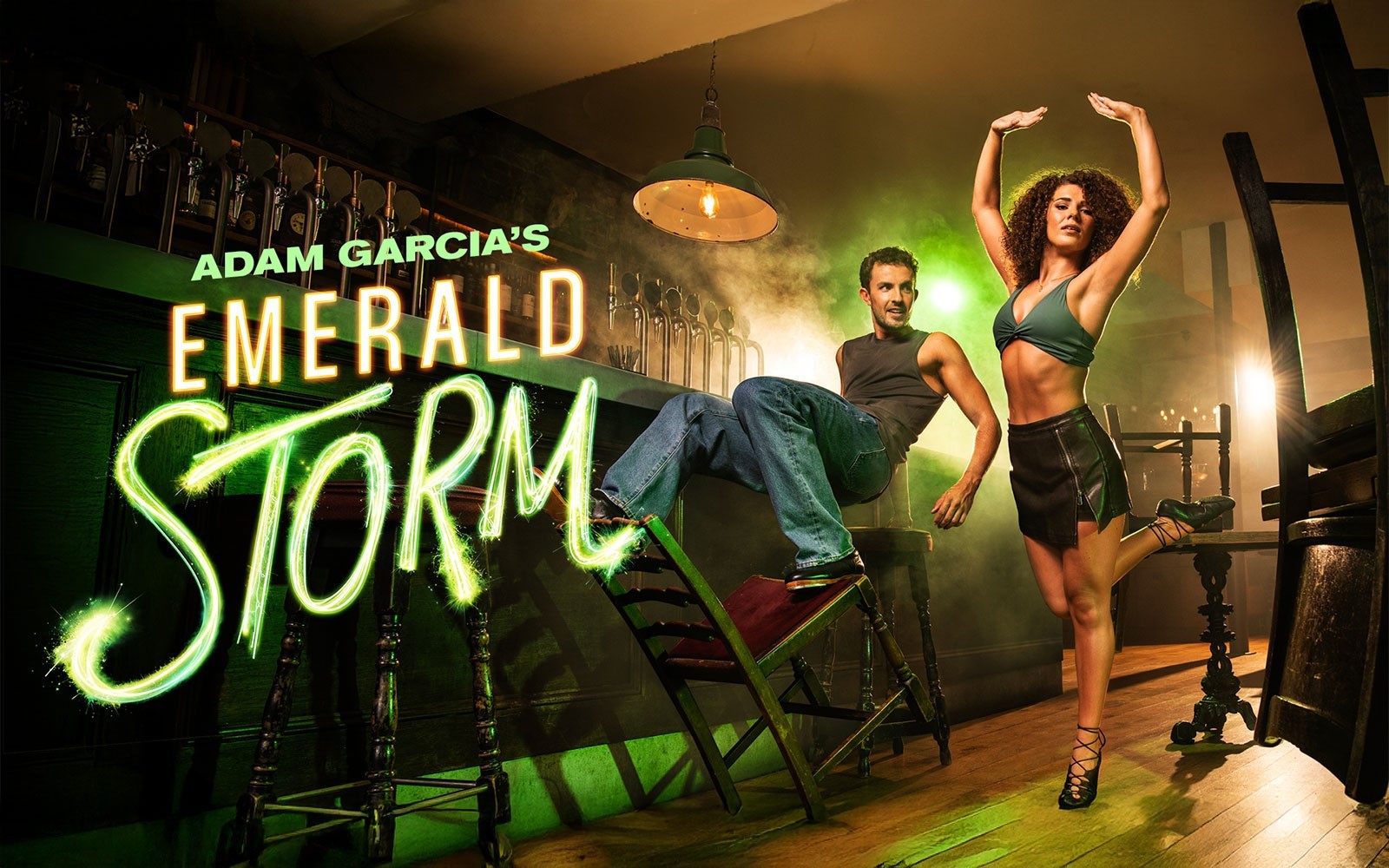
You're staring at a seating chart, reading reviews and second-guessing: which section actually delivers that "wow" for Emerald Storm at Emerald Theatre? Here's the truth: with a dance-driven spectacle like this, every seat tells a different story. Tiny choices matter, and classic West End advice often falls flat. In London theatre, especially for rhythm-fuelled shows, picking the right row can be the difference between just hearing the beats and watching shoes spark against the floorboards. This comprehensive guide is here to help you get specific, so you don't spend West End money on a second-rate view.
Emerald Storm, Emerald Theatre: Layout and West End Context
Emerald Theatre isn't some anonymous multipurpose box: it's part of London's beating theatre heart. In 2025, it stands out for dance-centric sound design, exceptional sightlines and its prime West End location. Access is a breeze from Leicester Square, Covent Garden or Piccadilly Circus, and you're minutes away from top restaurants and pre-show venues. But inside, it's all about how your seat selection shapes the entire show experience.
The auditorium follows a three-tier layout: Stalls, Dress Circle and Upper Circle (names change, postcodes don't). Unlike some venues that sacrifice legroom for capacity, the Stalls at Emerald Theatre are broad and gently raked, which is code for: great view up to a point, but flat at the very front. Dress Circle sits above, cantilevered so Row A hangs out over the stalls and doesn't feel a mile from the stage, making it a major player for those high-energy overhead moments. Upper Circle is further up, with more affordable seating but significant tradeoffs, think slight overhang and a distant view. The box seats are more atmosphere than angle: perfect for couples, but not for choreography enthusiasts. Importantly: there are minimal pillars, but safety rails can crop up along the extreme back and sides, especially upstairs. Want to jump the post-show dinner queue? Rows K–M in the stalls put you right near side exits for fast getaways to Chinatown or Soho.
Facilities-wise, you've got accessible toilets at Stalls level, step-free access down front, and hearing loop coverage throughout. Bars are easy to access on each level, but the Upper Circle's can bottleneck at peak times. Arrive early if you're grabbing a drink above ground, and if you're bringing kids, booster seats are available (first-come, first-served). Don't forget: Emerald Storm's run is busy. Advance booking is essential for premium seats; walk-ups land in the corners or far back almost every time.
Best Seats for Emerald Storm Fans Who Love Dance Detail
Forget generic "front stalls are best" claims. For Emerald Storm, the optimal seating is all about your relationship with movement. If your ideal night means cracking the code of every heel click and formation shift, you want Stalls Rows D–H, directly in the centre blocks, specifically Seats 13–23. These aren't just in-demand: they're the first to sell when dance shows hit London theatre, because the floor action is crisp, footwork never gets blocked, and you're close to the vibrant percussion without taking the full force of the stage speakers. Unlike some shows, you really want an eye-level perspective; the higher you climb, the more choreography blends into a moving mass.
If you're budgeting (who isn't?), the sides of these rows, particularly Stalls Row E or F, Seats 4–7 and 30–33, offer nearly the same clarity for £10–20 less per ticket. In a show obsessed with formations, you don't lose much by moving a few seats out from dead centre. Just avoid anything beyond Seat 4/33 or risk clipping the safety rails and missing edge choreography. Don't let "restricted view" in fine print surprise you after purchase.
Here's what most blogs won't tell you: the first three Stalls rows, marked AA–C, put you close enough to count the dancers' freckles but sometimes sacrifice big-picture perspective; you might crane to see formations or miss patterns built for a wider viewpoint. It's intimate but uneven. The true "wow" sits about five to ten rows back, where choreography lands in your lap but the whole ensemble still reads clearly.
Getting these prime seats means acting early. Check for single seats or mid-week performances where demand dips. If Rows D–H are gone, Rows J–M still let you make out individual tap sequences, but the energy softens slightly. Each row back, you swap clarity for atmosphere. For families or newcomers, that might be perfect; dance enthusiasts, don't settle if you don't have to.
The Dress Circle Debate: Value, Pros and Real Caveats
Everyone in London theatre seems to worship the Dress Circle, and for Emerald Storm, there's substantial truth to the legend. Dress Circle Rows A and B, seats 9–22, are secret weapons for fans who love geometry; here, you can trace company patterns, lighting design and dramatic formations in precise detail, especially those showstopping group tap sections choreographed from above. For the money, these rows arguably offer the best blend of clarity and spectacle, especially if you're taking in the full company. Want a strong value? Pick Dress Circle Row B instead of A; often £10–15 cheaper, you get a similar view with less risk of safety rail intrusion (which can get distracting for Row A in some seats). These seats also rarely see price spikes compared to stalls premium seats.
If you're a sound purist, it's worth noting: while dialogue and music are generally clear, sometimes high-energy percussion sections can lose that visceral pulse experienced in centre Stalls. In the rare case of height sensitivity or vertigo, front circle is still close enough to feel engaged, not perched. One drawback: legroom isn't generous. Stretch breaks at interval are essential if you're tall.
Dress Circle sides in Rows C–H can offer bargains, but here, caveats set in. Far side seats sometimes clip views during tightly-choreographed company numbers and group tap runs that reach both wings. Light cues and projections aimed off-centre sometimes lose focus or impact. If in doubt, look for seats at least 3 in from the ends to dodge truncated sightlines and awkward stage views (worth it for £15–20 less). Pro tip: matinee shows often drop these side seats into lower pricing bands; worth it if you're not a perfectionist about missing a tiny bit of ensemble action.
Best use case for Dress Circle? Audiences wanting grand scale without being overwhelmed by the sound system or those introducing new fans to Irish step dancing. Bring kids for a bird's-eye view and fewer intense moments, or save a bit on date night without feeling like you've compromised the experience.
Budget-Friendly Seats With Great View (and What To Avoid)
Let's get real: most people hunting for "best seats cheap" are handed the Upper Circle or the extreme side/rear stalls. But at Emerald Theatre during Emerald Storm, this gets more nuanced. Upper Circle Rows A and B, especially seats 10–20, can sometimes surprise you with their balance of distance and value; if you don't mind sacrificing footwork detail. These top-level seats present the company as a tapestry, giving an overview of patterns and lighting effects. For big picture fans or those bringing groups, Upper Circle front and centre is a mighty West End bargain at up to 40% less than central stalls.
But beware: seats further back or at the ends, especially Rows E–G, find their view boxed by overhangs, ceiling intrusions and sometimes badly placed lighting rigs. You'll miss formations at the front of the stage (where the best tap happens), and sound quality can go fuzzy. The lowest price band makes sense only for "I want in the room, don't care about detail" buyers; not recommended for first-timers or anyone with mobility needs (steep stairs, less legroom, not step-free).
Best-kept secret? Aisle seats at rear stalls, particularly Rows O–Q, sometimes land below £25. With good raking and direct view, these are smart picks if you want to dash to interval refreshments, need extra personal space or expect a dramatic late entrance. These also offer faster post-show exits; great if you've got a reservation at Soho's late-night eateries. If there's a sudden price drop on seats marked "slightly restricted," check user-uploaded seat view photos. Sometimes the only thing restricted is armrest space or a minor light post visible in the far periphery.
Bottom line: for true value, you can do well in the Dress Circle sides or the front Upper Circle; just don't call it a "perfect" view. You're making a trade. Decide if you're after dancing detail or just soaking up all the Irish rhythm you can from the theatre.
Hidden Gems and Family Zones: Where To Sit and Why
Parents: avoid the front two rows. Exciting, but the height of the stage means little ones miss footwork and may lose focus. The true family winners? Side Stalls D–H, seats 7–12, or Dress Circle Row C, seats 8–18. These allow everyone to see faces and formations without being overwhelmed by sound levels. Booster seats are available; ask at entry as there's a limited supply, especially for weekend matinees.
Another tip the professionals keep hidden: couple seats in Dress Circle Row B, seats 2 and 29. Slightly isolated feels private on date night yet avoids the claustrophobia of box seating. For solo theatregoers, look for random single seats mid-row (they often appear as singles as the show date approaches, discounted but still dead-centre). Wheelchair access is best in the front stalls with reservable companion seats along the aisles.
If your group includes elderly relatives or those with mobility concerns, avoid anything upper circle unless they're comfortable with many steep steps and limited floor access. The Stalls offer step-free access and accessible facilities, and interval can be managed more comfortably. Families will love the proximity to interval refreshments; Stalls level bar has hot drinks, soft serve and all the sugar kids crave at interval.
Pro move for birthdays or first-timers? Book Stalls Row H on a Friday; close enough for excitement, not so close the kids fidget, and you're near the exit for an early escape. Consider a later seating upstairs for a quieter, less packed atmosphere if noise levels are a concern.
How to Book the Best Emerald Storm Seats: Practical, Honest Advice
Timing is everything, especially for a show as popular as Emerald Storm. To secure best-value central stalls or front dress circle seats, book 6–9 weeks in advance for weekends, 3–4 weeks for midweek shows. Ticket prices creep up as premium blocks sell; use flexible dates, and don't be afraid to call the box office for odd-seat combinations that don't appear online. Matinees are usually £10–25 cheaper, particularly for Dress Circle edges and Upper Circle front, so weigh the tradeoff between atmosphere and budget.
For day-of bookings, set a reminder for 10am; theatre sites and official outlets often release "rush" tickets in seats the automated systems missed, particularly for Tuesday and Wednesday performances. If you're flexible on section, you can occasionally snag last-minute returns in Row K or Dress Circle seats for a fraction of the original price. With big groups, check for group discounts; sometimes seats are released together at a slight discount, even if not advertised.
Travelling in London can be unpredictable, so give yourself an easy 30–40 minute buffer before curtain-up, especially around Leicester Square or Covent Garden. Factor in a quick pre-show meal at Chinatown or Seven Dials: 10 minutes' stroll from the entrance. If you need interval snacks or drinks, preorder at the bar on arrival (queues get intense in Upper Circle).
Other West End Dance & Spectacle Shows: How Emerald Storm Compares
Emerald Storm isn't the only rhythm-charged West End ticket. If you love Irish dance, high-energy choreography or visual percussion, here's how others stack up and where to sit if you're seeking similar thrills.
Magic Mike Live London: All about immersive dance and stage proximity, this is for adults only (18+) craving high-octane movement and crowd interaction. Sit in the cabaret-style seats on the floor for the best adrenaline rush; and book early, these seats sell fastest.
The Choir of Man: Less footwork, more vocal and movement energy, but rewards audiences who want a West End night out with a pub feel. Stall central front seats offer the best engagement with the performers and pub games; side stalls for quick bar access, too.
My Neighbour Totoro: While it's more spectacle and puppetry than pure dance, choreography and stage magic require Dress Circle centre for the full visual feast. For families and Studio Ghibli fans, pick early-week evening performances for better prices.
Starlight Express: With high-speed choreography and on-stage rollerblading, the best seats are those with clear sightlines of the track; Stalls D–N, Seats 12–20 give the best combination of action and safety (the upper circle is too distant for full impact).
Insider Tips for Booking West End Dance Shows
Scout for weekday bargains: Tuesday and Wednesday shows at Emerald Theatre see lower demand, so prices (even after dynamic pricing) can fall £10–20 in premium seating.
Aim for centre blocks, but not always row A: The best experience for Emerald Storm is often 3–6 rows back, not flush to the stage. You'll see formations and faces, not just ankles.
Go for last-minute drops and "rush" tickets: Check official websites or the venue box office at 10am for next-day deals, especially on matinees; prime orchestra and Dress Circle seats drop when systems or returns free them up.
Arrive a bit early, especially for bars and booster seats: Upper Circle bars get crushed pre-show and at interval, and booster seats for small kids go fast. 25–30 minutes early is the sweet spot.
Ask about access and companion seating if you have mobility needs: Many West End theatres prioritize accessibility, but always call ahead for the best step-free routes and companion seating, especially at shows with variable arrangement.
Match your post-show plans to your seat selection: Sitting in Stalls Rows K–M or side rear makes fast exits for late-night Soho dinners a breeze after curtain call. Central Dress Circle rows mean you linger a bit longer, so plan accordingly.
Check real-world seat views: Search recent user-uploaded photos for sightlines; official diagrams can hide details like overhangs, railings or poor lighting angles.
Make Your West End Night Unforgettable: Final Seating Strategy
Let's cut through the noise: picking seats for West End dance shows like Emerald Storm is all about knowing your priorities and playing smart. Stalls Rows D–H are the golden zone for rhythm, detail and face-to-face engagement; book them as early as you can. Families and pattern enthusiasts should target front Dress Circle, but don't ignore side stalls if you spot a genuine bargain. Always weigh up clarity, value, sound quality and your own exit strategy.
Remember, the magic of Irish dance shows lies in their infectious energy and intricate footwork. Whether you're a first-timer discovering the power of traditional step dancing or a seasoned theatre lover seeking your next adrenaline rush, your seat selection will determine how deeply you connect with every thunderous beat and graceful leap. In London's competitive theatre landscape, the smartest bookers consistently get the most memorable nights out. The seat truly does make the show, so choose wisely, book strategically, and prepare to be swept away by the extraordinary artistry that makes Emerald Storm one of 2025's must-see West End experiences.
How to Nail Your Emerald Storm Emerald Theatre Seating Plan in 2025
You're staring at a seating chart, reading reviews and second-guessing: which section actually delivers that "wow" for Emerald Storm at Emerald Theatre? Here's the truth: with a dance-driven spectacle like this, every seat tells a different story. Tiny choices matter, and classic West End advice often falls flat. In London theatre, especially for rhythm-fuelled shows, picking the right row can be the difference between just hearing the beats and watching shoes spark against the floorboards. This comprehensive guide is here to help you get specific, so you don't spend West End money on a second-rate view.
Emerald Storm, Emerald Theatre: Layout and West End Context
Emerald Theatre isn't some anonymous multipurpose box: it's part of London's beating theatre heart. In 2025, it stands out for dance-centric sound design, exceptional sightlines and its prime West End location. Access is a breeze from Leicester Square, Covent Garden or Piccadilly Circus, and you're minutes away from top restaurants and pre-show venues. But inside, it's all about how your seat selection shapes the entire show experience.
The auditorium follows a three-tier layout: Stalls, Dress Circle and Upper Circle (names change, postcodes don't). Unlike some venues that sacrifice legroom for capacity, the Stalls at Emerald Theatre are broad and gently raked, which is code for: great view up to a point, but flat at the very front. Dress Circle sits above, cantilevered so Row A hangs out over the stalls and doesn't feel a mile from the stage, making it a major player for those high-energy overhead moments. Upper Circle is further up, with more affordable seating but significant tradeoffs, think slight overhang and a distant view. The box seats are more atmosphere than angle: perfect for couples, but not for choreography enthusiasts. Importantly: there are minimal pillars, but safety rails can crop up along the extreme back and sides, especially upstairs. Want to jump the post-show dinner queue? Rows K–M in the stalls put you right near side exits for fast getaways to Chinatown or Soho.
Facilities-wise, you've got accessible toilets at Stalls level, step-free access down front, and hearing loop coverage throughout. Bars are easy to access on each level, but the Upper Circle's can bottleneck at peak times. Arrive early if you're grabbing a drink above ground, and if you're bringing kids, booster seats are available (first-come, first-served). Don't forget: Emerald Storm's run is busy. Advance booking is essential for premium seats; walk-ups land in the corners or far back almost every time.
Best Seats for Emerald Storm Fans Who Love Dance Detail
Forget generic "front stalls are best" claims. For Emerald Storm, the optimal seating is all about your relationship with movement. If your ideal night means cracking the code of every heel click and formation shift, you want Stalls Rows D–H, directly in the centre blocks, specifically Seats 13–23. These aren't just in-demand: they're the first to sell when dance shows hit London theatre, because the floor action is crisp, footwork never gets blocked, and you're close to the vibrant percussion without taking the full force of the stage speakers. Unlike some shows, you really want an eye-level perspective; the higher you climb, the more choreography blends into a moving mass.
If you're budgeting (who isn't?), the sides of these rows, particularly Stalls Row E or F, Seats 4–7 and 30–33, offer nearly the same clarity for £10–20 less per ticket. In a show obsessed with formations, you don't lose much by moving a few seats out from dead centre. Just avoid anything beyond Seat 4/33 or risk clipping the safety rails and missing edge choreography. Don't let "restricted view" in fine print surprise you after purchase.
Here's what most blogs won't tell you: the first three Stalls rows, marked AA–C, put you close enough to count the dancers' freckles but sometimes sacrifice big-picture perspective; you might crane to see formations or miss patterns built for a wider viewpoint. It's intimate but uneven. The true "wow" sits about five to ten rows back, where choreography lands in your lap but the whole ensemble still reads clearly.
Getting these prime seats means acting early. Check for single seats or mid-week performances where demand dips. If Rows D–H are gone, Rows J–M still let you make out individual tap sequences, but the energy softens slightly. Each row back, you swap clarity for atmosphere. For families or newcomers, that might be perfect; dance enthusiasts, don't settle if you don't have to.
The Dress Circle Debate: Value, Pros and Real Caveats
Everyone in London theatre seems to worship the Dress Circle, and for Emerald Storm, there's substantial truth to the legend. Dress Circle Rows A and B, seats 9–22, are secret weapons for fans who love geometry; here, you can trace company patterns, lighting design and dramatic formations in precise detail, especially those showstopping group tap sections choreographed from above. For the money, these rows arguably offer the best blend of clarity and spectacle, especially if you're taking in the full company. Want a strong value? Pick Dress Circle Row B instead of A; often £10–15 cheaper, you get a similar view with less risk of safety rail intrusion (which can get distracting for Row A in some seats). These seats also rarely see price spikes compared to stalls premium seats.
If you're a sound purist, it's worth noting: while dialogue and music are generally clear, sometimes high-energy percussion sections can lose that visceral pulse experienced in centre Stalls. In the rare case of height sensitivity or vertigo, front circle is still close enough to feel engaged, not perched. One drawback: legroom isn't generous. Stretch breaks at interval are essential if you're tall.
Dress Circle sides in Rows C–H can offer bargains, but here, caveats set in. Far side seats sometimes clip views during tightly-choreographed company numbers and group tap runs that reach both wings. Light cues and projections aimed off-centre sometimes lose focus or impact. If in doubt, look for seats at least 3 in from the ends to dodge truncated sightlines and awkward stage views (worth it for £15–20 less). Pro tip: matinee shows often drop these side seats into lower pricing bands; worth it if you're not a perfectionist about missing a tiny bit of ensemble action.
Best use case for Dress Circle? Audiences wanting grand scale without being overwhelmed by the sound system or those introducing new fans to Irish step dancing. Bring kids for a bird's-eye view and fewer intense moments, or save a bit on date night without feeling like you've compromised the experience.
Budget-Friendly Seats With Great View (and What To Avoid)
Let's get real: most people hunting for "best seats cheap" are handed the Upper Circle or the extreme side/rear stalls. But at Emerald Theatre during Emerald Storm, this gets more nuanced. Upper Circle Rows A and B, especially seats 10–20, can sometimes surprise you with their balance of distance and value; if you don't mind sacrificing footwork detail. These top-level seats present the company as a tapestry, giving an overview of patterns and lighting effects. For big picture fans or those bringing groups, Upper Circle front and centre is a mighty West End bargain at up to 40% less than central stalls.
But beware: seats further back or at the ends, especially Rows E–G, find their view boxed by overhangs, ceiling intrusions and sometimes badly placed lighting rigs. You'll miss formations at the front of the stage (where the best tap happens), and sound quality can go fuzzy. The lowest price band makes sense only for "I want in the room, don't care about detail" buyers; not recommended for first-timers or anyone with mobility needs (steep stairs, less legroom, not step-free).
Best-kept secret? Aisle seats at rear stalls, particularly Rows O–Q, sometimes land below £25. With good raking and direct view, these are smart picks if you want to dash to interval refreshments, need extra personal space or expect a dramatic late entrance. These also offer faster post-show exits; great if you've got a reservation at Soho's late-night eateries. If there's a sudden price drop on seats marked "slightly restricted," check user-uploaded seat view photos. Sometimes the only thing restricted is armrest space or a minor light post visible in the far periphery.
Bottom line: for true value, you can do well in the Dress Circle sides or the front Upper Circle; just don't call it a "perfect" view. You're making a trade. Decide if you're after dancing detail or just soaking up all the Irish rhythm you can from the theatre.
Hidden Gems and Family Zones: Where To Sit and Why
Parents: avoid the front two rows. Exciting, but the height of the stage means little ones miss footwork and may lose focus. The true family winners? Side Stalls D–H, seats 7–12, or Dress Circle Row C, seats 8–18. These allow everyone to see faces and formations without being overwhelmed by sound levels. Booster seats are available; ask at entry as there's a limited supply, especially for weekend matinees.
Another tip the professionals keep hidden: couple seats in Dress Circle Row B, seats 2 and 29. Slightly isolated feels private on date night yet avoids the claustrophobia of box seating. For solo theatregoers, look for random single seats mid-row (they often appear as singles as the show date approaches, discounted but still dead-centre). Wheelchair access is best in the front stalls with reservable companion seats along the aisles.
If your group includes elderly relatives or those with mobility concerns, avoid anything upper circle unless they're comfortable with many steep steps and limited floor access. The Stalls offer step-free access and accessible facilities, and interval can be managed more comfortably. Families will love the proximity to interval refreshments; Stalls level bar has hot drinks, soft serve and all the sugar kids crave at interval.
Pro move for birthdays or first-timers? Book Stalls Row H on a Friday; close enough for excitement, not so close the kids fidget, and you're near the exit for an early escape. Consider a later seating upstairs for a quieter, less packed atmosphere if noise levels are a concern.
How to Book the Best Emerald Storm Seats: Practical, Honest Advice
Timing is everything, especially for a show as popular as Emerald Storm. To secure best-value central stalls or front dress circle seats, book 6–9 weeks in advance for weekends, 3–4 weeks for midweek shows. Ticket prices creep up as premium blocks sell; use flexible dates, and don't be afraid to call the box office for odd-seat combinations that don't appear online. Matinees are usually £10–25 cheaper, particularly for Dress Circle edges and Upper Circle front, so weigh the tradeoff between atmosphere and budget.
For day-of bookings, set a reminder for 10am; theatre sites and official outlets often release "rush" tickets in seats the automated systems missed, particularly for Tuesday and Wednesday performances. If you're flexible on section, you can occasionally snag last-minute returns in Row K or Dress Circle seats for a fraction of the original price. With big groups, check for group discounts; sometimes seats are released together at a slight discount, even if not advertised.
Travelling in London can be unpredictable, so give yourself an easy 30–40 minute buffer before curtain-up, especially around Leicester Square or Covent Garden. Factor in a quick pre-show meal at Chinatown or Seven Dials: 10 minutes' stroll from the entrance. If you need interval snacks or drinks, preorder at the bar on arrival (queues get intense in Upper Circle).
Other West End Dance & Spectacle Shows: How Emerald Storm Compares
Emerald Storm isn't the only rhythm-charged West End ticket. If you love Irish dance, high-energy choreography or visual percussion, here's how others stack up and where to sit if you're seeking similar thrills.
Magic Mike Live London: All about immersive dance and stage proximity, this is for adults only (18+) craving high-octane movement and crowd interaction. Sit in the cabaret-style seats on the floor for the best adrenaline rush; and book early, these seats sell fastest.
The Choir of Man: Less footwork, more vocal and movement energy, but rewards audiences who want a West End night out with a pub feel. Stall central front seats offer the best engagement with the performers and pub games; side stalls for quick bar access, too.
My Neighbour Totoro: While it's more spectacle and puppetry than pure dance, choreography and stage magic require Dress Circle centre for the full visual feast. For families and Studio Ghibli fans, pick early-week evening performances for better prices.
Starlight Express: With high-speed choreography and on-stage rollerblading, the best seats are those with clear sightlines of the track; Stalls D–N, Seats 12–20 give the best combination of action and safety (the upper circle is too distant for full impact).
Insider Tips for Booking West End Dance Shows
Scout for weekday bargains: Tuesday and Wednesday shows at Emerald Theatre see lower demand, so prices (even after dynamic pricing) can fall £10–20 in premium seating.
Aim for centre blocks, but not always row A: The best experience for Emerald Storm is often 3–6 rows back, not flush to the stage. You'll see formations and faces, not just ankles.
Go for last-minute drops and "rush" tickets: Check official websites or the venue box office at 10am for next-day deals, especially on matinees; prime orchestra and Dress Circle seats drop when systems or returns free them up.
Arrive a bit early, especially for bars and booster seats: Upper Circle bars get crushed pre-show and at interval, and booster seats for small kids go fast. 25–30 minutes early is the sweet spot.
Ask about access and companion seating if you have mobility needs: Many West End theatres prioritize accessibility, but always call ahead for the best step-free routes and companion seating, especially at shows with variable arrangement.
Match your post-show plans to your seat selection: Sitting in Stalls Rows K–M or side rear makes fast exits for late-night Soho dinners a breeze after curtain call. Central Dress Circle rows mean you linger a bit longer, so plan accordingly.
Check real-world seat views: Search recent user-uploaded photos for sightlines; official diagrams can hide details like overhangs, railings or poor lighting angles.
Make Your West End Night Unforgettable: Final Seating Strategy
Let's cut through the noise: picking seats for West End dance shows like Emerald Storm is all about knowing your priorities and playing smart. Stalls Rows D–H are the golden zone for rhythm, detail and face-to-face engagement; book them as early as you can. Families and pattern enthusiasts should target front Dress Circle, but don't ignore side stalls if you spot a genuine bargain. Always weigh up clarity, value, sound quality and your own exit strategy.
Remember, the magic of Irish dance shows lies in their infectious energy and intricate footwork. Whether you're a first-timer discovering the power of traditional step dancing or a seasoned theatre lover seeking your next adrenaline rush, your seat selection will determine how deeply you connect with every thunderous beat and graceful leap. In London's competitive theatre landscape, the smartest bookers consistently get the most memorable nights out. The seat truly does make the show, so choose wisely, book strategically, and prepare to be swept away by the extraordinary artistry that makes Emerald Storm one of 2025's must-see West End experiences.
How to Nail Your Emerald Storm Emerald Theatre Seating Plan in 2025
You're staring at a seating chart, reading reviews and second-guessing: which section actually delivers that "wow" for Emerald Storm at Emerald Theatre? Here's the truth: with a dance-driven spectacle like this, every seat tells a different story. Tiny choices matter, and classic West End advice often falls flat. In London theatre, especially for rhythm-fuelled shows, picking the right row can be the difference between just hearing the beats and watching shoes spark against the floorboards. This comprehensive guide is here to help you get specific, so you don't spend West End money on a second-rate view.
Emerald Storm, Emerald Theatre: Layout and West End Context
Emerald Theatre isn't some anonymous multipurpose box: it's part of London's beating theatre heart. In 2025, it stands out for dance-centric sound design, exceptional sightlines and its prime West End location. Access is a breeze from Leicester Square, Covent Garden or Piccadilly Circus, and you're minutes away from top restaurants and pre-show venues. But inside, it's all about how your seat selection shapes the entire show experience.
The auditorium follows a three-tier layout: Stalls, Dress Circle and Upper Circle (names change, postcodes don't). Unlike some venues that sacrifice legroom for capacity, the Stalls at Emerald Theatre are broad and gently raked, which is code for: great view up to a point, but flat at the very front. Dress Circle sits above, cantilevered so Row A hangs out over the stalls and doesn't feel a mile from the stage, making it a major player for those high-energy overhead moments. Upper Circle is further up, with more affordable seating but significant tradeoffs, think slight overhang and a distant view. The box seats are more atmosphere than angle: perfect for couples, but not for choreography enthusiasts. Importantly: there are minimal pillars, but safety rails can crop up along the extreme back and sides, especially upstairs. Want to jump the post-show dinner queue? Rows K–M in the stalls put you right near side exits for fast getaways to Chinatown or Soho.
Facilities-wise, you've got accessible toilets at Stalls level, step-free access down front, and hearing loop coverage throughout. Bars are easy to access on each level, but the Upper Circle's can bottleneck at peak times. Arrive early if you're grabbing a drink above ground, and if you're bringing kids, booster seats are available (first-come, first-served). Don't forget: Emerald Storm's run is busy. Advance booking is essential for premium seats; walk-ups land in the corners or far back almost every time.
Best Seats for Emerald Storm Fans Who Love Dance Detail
Forget generic "front stalls are best" claims. For Emerald Storm, the optimal seating is all about your relationship with movement. If your ideal night means cracking the code of every heel click and formation shift, you want Stalls Rows D–H, directly in the centre blocks, specifically Seats 13–23. These aren't just in-demand: they're the first to sell when dance shows hit London theatre, because the floor action is crisp, footwork never gets blocked, and you're close to the vibrant percussion without taking the full force of the stage speakers. Unlike some shows, you really want an eye-level perspective; the higher you climb, the more choreography blends into a moving mass.
If you're budgeting (who isn't?), the sides of these rows, particularly Stalls Row E or F, Seats 4–7 and 30–33, offer nearly the same clarity for £10–20 less per ticket. In a show obsessed with formations, you don't lose much by moving a few seats out from dead centre. Just avoid anything beyond Seat 4/33 or risk clipping the safety rails and missing edge choreography. Don't let "restricted view" in fine print surprise you after purchase.
Here's what most blogs won't tell you: the first three Stalls rows, marked AA–C, put you close enough to count the dancers' freckles but sometimes sacrifice big-picture perspective; you might crane to see formations or miss patterns built for a wider viewpoint. It's intimate but uneven. The true "wow" sits about five to ten rows back, where choreography lands in your lap but the whole ensemble still reads clearly.
Getting these prime seats means acting early. Check for single seats or mid-week performances where demand dips. If Rows D–H are gone, Rows J–M still let you make out individual tap sequences, but the energy softens slightly. Each row back, you swap clarity for atmosphere. For families or newcomers, that might be perfect; dance enthusiasts, don't settle if you don't have to.
The Dress Circle Debate: Value, Pros and Real Caveats
Everyone in London theatre seems to worship the Dress Circle, and for Emerald Storm, there's substantial truth to the legend. Dress Circle Rows A and B, seats 9–22, are secret weapons for fans who love geometry; here, you can trace company patterns, lighting design and dramatic formations in precise detail, especially those showstopping group tap sections choreographed from above. For the money, these rows arguably offer the best blend of clarity and spectacle, especially if you're taking in the full company. Want a strong value? Pick Dress Circle Row B instead of A; often £10–15 cheaper, you get a similar view with less risk of safety rail intrusion (which can get distracting for Row A in some seats). These seats also rarely see price spikes compared to stalls premium seats.
If you're a sound purist, it's worth noting: while dialogue and music are generally clear, sometimes high-energy percussion sections can lose that visceral pulse experienced in centre Stalls. In the rare case of height sensitivity or vertigo, front circle is still close enough to feel engaged, not perched. One drawback: legroom isn't generous. Stretch breaks at interval are essential if you're tall.
Dress Circle sides in Rows C–H can offer bargains, but here, caveats set in. Far side seats sometimes clip views during tightly-choreographed company numbers and group tap runs that reach both wings. Light cues and projections aimed off-centre sometimes lose focus or impact. If in doubt, look for seats at least 3 in from the ends to dodge truncated sightlines and awkward stage views (worth it for £15–20 less). Pro tip: matinee shows often drop these side seats into lower pricing bands; worth it if you're not a perfectionist about missing a tiny bit of ensemble action.
Best use case for Dress Circle? Audiences wanting grand scale without being overwhelmed by the sound system or those introducing new fans to Irish step dancing. Bring kids for a bird's-eye view and fewer intense moments, or save a bit on date night without feeling like you've compromised the experience.
Budget-Friendly Seats With Great View (and What To Avoid)
Let's get real: most people hunting for "best seats cheap" are handed the Upper Circle or the extreme side/rear stalls. But at Emerald Theatre during Emerald Storm, this gets more nuanced. Upper Circle Rows A and B, especially seats 10–20, can sometimes surprise you with their balance of distance and value; if you don't mind sacrificing footwork detail. These top-level seats present the company as a tapestry, giving an overview of patterns and lighting effects. For big picture fans or those bringing groups, Upper Circle front and centre is a mighty West End bargain at up to 40% less than central stalls.
But beware: seats further back or at the ends, especially Rows E–G, find their view boxed by overhangs, ceiling intrusions and sometimes badly placed lighting rigs. You'll miss formations at the front of the stage (where the best tap happens), and sound quality can go fuzzy. The lowest price band makes sense only for "I want in the room, don't care about detail" buyers; not recommended for first-timers or anyone with mobility needs (steep stairs, less legroom, not step-free).
Best-kept secret? Aisle seats at rear stalls, particularly Rows O–Q, sometimes land below £25. With good raking and direct view, these are smart picks if you want to dash to interval refreshments, need extra personal space or expect a dramatic late entrance. These also offer faster post-show exits; great if you've got a reservation at Soho's late-night eateries. If there's a sudden price drop on seats marked "slightly restricted," check user-uploaded seat view photos. Sometimes the only thing restricted is armrest space or a minor light post visible in the far periphery.
Bottom line: for true value, you can do well in the Dress Circle sides or the front Upper Circle; just don't call it a "perfect" view. You're making a trade. Decide if you're after dancing detail or just soaking up all the Irish rhythm you can from the theatre.
Hidden Gems and Family Zones: Where To Sit and Why
Parents: avoid the front two rows. Exciting, but the height of the stage means little ones miss footwork and may lose focus. The true family winners? Side Stalls D–H, seats 7–12, or Dress Circle Row C, seats 8–18. These allow everyone to see faces and formations without being overwhelmed by sound levels. Booster seats are available; ask at entry as there's a limited supply, especially for weekend matinees.
Another tip the professionals keep hidden: couple seats in Dress Circle Row B, seats 2 and 29. Slightly isolated feels private on date night yet avoids the claustrophobia of box seating. For solo theatregoers, look for random single seats mid-row (they often appear as singles as the show date approaches, discounted but still dead-centre). Wheelchair access is best in the front stalls with reservable companion seats along the aisles.
If your group includes elderly relatives or those with mobility concerns, avoid anything upper circle unless they're comfortable with many steep steps and limited floor access. The Stalls offer step-free access and accessible facilities, and interval can be managed more comfortably. Families will love the proximity to interval refreshments; Stalls level bar has hot drinks, soft serve and all the sugar kids crave at interval.
Pro move for birthdays or first-timers? Book Stalls Row H on a Friday; close enough for excitement, not so close the kids fidget, and you're near the exit for an early escape. Consider a later seating upstairs for a quieter, less packed atmosphere if noise levels are a concern.
How to Book the Best Emerald Storm Seats: Practical, Honest Advice
Timing is everything, especially for a show as popular as Emerald Storm. To secure best-value central stalls or front dress circle seats, book 6–9 weeks in advance for weekends, 3–4 weeks for midweek shows. Ticket prices creep up as premium blocks sell; use flexible dates, and don't be afraid to call the box office for odd-seat combinations that don't appear online. Matinees are usually £10–25 cheaper, particularly for Dress Circle edges and Upper Circle front, so weigh the tradeoff between atmosphere and budget.
For day-of bookings, set a reminder for 10am; theatre sites and official outlets often release "rush" tickets in seats the automated systems missed, particularly for Tuesday and Wednesday performances. If you're flexible on section, you can occasionally snag last-minute returns in Row K or Dress Circle seats for a fraction of the original price. With big groups, check for group discounts; sometimes seats are released together at a slight discount, even if not advertised.
Travelling in London can be unpredictable, so give yourself an easy 30–40 minute buffer before curtain-up, especially around Leicester Square or Covent Garden. Factor in a quick pre-show meal at Chinatown or Seven Dials: 10 minutes' stroll from the entrance. If you need interval snacks or drinks, preorder at the bar on arrival (queues get intense in Upper Circle).
Other West End Dance & Spectacle Shows: How Emerald Storm Compares
Emerald Storm isn't the only rhythm-charged West End ticket. If you love Irish dance, high-energy choreography or visual percussion, here's how others stack up and where to sit if you're seeking similar thrills.
Magic Mike Live London: All about immersive dance and stage proximity, this is for adults only (18+) craving high-octane movement and crowd interaction. Sit in the cabaret-style seats on the floor for the best adrenaline rush; and book early, these seats sell fastest.
The Choir of Man: Less footwork, more vocal and movement energy, but rewards audiences who want a West End night out with a pub feel. Stall central front seats offer the best engagement with the performers and pub games; side stalls for quick bar access, too.
My Neighbour Totoro: While it's more spectacle and puppetry than pure dance, choreography and stage magic require Dress Circle centre for the full visual feast. For families and Studio Ghibli fans, pick early-week evening performances for better prices.
Starlight Express: With high-speed choreography and on-stage rollerblading, the best seats are those with clear sightlines of the track; Stalls D–N, Seats 12–20 give the best combination of action and safety (the upper circle is too distant for full impact).
Insider Tips for Booking West End Dance Shows
Scout for weekday bargains: Tuesday and Wednesday shows at Emerald Theatre see lower demand, so prices (even after dynamic pricing) can fall £10–20 in premium seating.
Aim for centre blocks, but not always row A: The best experience for Emerald Storm is often 3–6 rows back, not flush to the stage. You'll see formations and faces, not just ankles.
Go for last-minute drops and "rush" tickets: Check official websites or the venue box office at 10am for next-day deals, especially on matinees; prime orchestra and Dress Circle seats drop when systems or returns free them up.
Arrive a bit early, especially for bars and booster seats: Upper Circle bars get crushed pre-show and at interval, and booster seats for small kids go fast. 25–30 minutes early is the sweet spot.
Ask about access and companion seating if you have mobility needs: Many West End theatres prioritize accessibility, but always call ahead for the best step-free routes and companion seating, especially at shows with variable arrangement.
Match your post-show plans to your seat selection: Sitting in Stalls Rows K–M or side rear makes fast exits for late-night Soho dinners a breeze after curtain call. Central Dress Circle rows mean you linger a bit longer, so plan accordingly.
Check real-world seat views: Search recent user-uploaded photos for sightlines; official diagrams can hide details like overhangs, railings or poor lighting angles.
Make Your West End Night Unforgettable: Final Seating Strategy
Let's cut through the noise: picking seats for West End dance shows like Emerald Storm is all about knowing your priorities and playing smart. Stalls Rows D–H are the golden zone for rhythm, detail and face-to-face engagement; book them as early as you can. Families and pattern enthusiasts should target front Dress Circle, but don't ignore side stalls if you spot a genuine bargain. Always weigh up clarity, value, sound quality and your own exit strategy.
Remember, the magic of Irish dance shows lies in their infectious energy and intricate footwork. Whether you're a first-timer discovering the power of traditional step dancing or a seasoned theatre lover seeking your next adrenaline rush, your seat selection will determine how deeply you connect with every thunderous beat and graceful leap. In London's competitive theatre landscape, the smartest bookers consistently get the most memorable nights out. The seat truly does make the show, so choose wisely, book strategically, and prepare to be swept away by the extraordinary artistry that makes Emerald Storm one of 2025's must-see West End experiences.
Partagez cette publication :