Hvad er populært i
Brugge
Hvad er populært i
Brugge
Hvad er populært i
Brugge
Bruges pairs storybook canals with soaring medieval towers and world-class art. Use this Bruges guide to find things to do in Bruges, secure Groeninge Museum tickets, explore Gruuthusemuseum and follow flexible walking routes around Market Square and the Belfry.
From the cobbled streets around Grote Markt to quieter canalside corners, you can combine museum tickets, Bruges walking tour tickets and self-guided routes from tickadoo to shape relaxed days and future trips.
Alle Bruges billetter
Indlæs flere arrangementer
Bruges quick facts: airports, stations and maps
Plan your days with these essential details for Bruges Belgium. This compact Flemish city is easy to navigate on foot, with most Bruges attractions clustered around Market Square and the canals.
State/Region/Country: Bruges is in West Flanders, in the Flanders region of northern Belgium.
Airports: Brussels Airport BRU is the main international gateway. Ostend-Bruges Airport OST handles seasonal and charter flights.
Main stations/hubs: Brugge railway station handles InterCity IC and regional trains. Local buses run from Brugge Station to the historic center.
Public transport: De Lijn buses connect Brugge Station with stops near Grote Markt, Burg and the ring roads.
Paying fares: Buy De Lijn tickets from machines, on the app or via contactless bank card, with 1-hour and day ticket options.
Coordinates: Bruges sits at approximately 51.2093° N, 3.2247° E.
Popular neighbourhoods: Historic Center around Market Square, Burg Quarter near the City Hall, Sint-Anna for quiet canals, and the area around Minnewaterpark for greenery.
Additional context: The North Sea coast around Zeebrugge and Blankenberge lies a short train ride away, useful for breezy day trips from Bruges.
Maps at Brugge Station and in Market Square outline the pedestrian core, so pick one up on arrival to plot the shortest walking links between Groeninge Museum, Gruuthusemuseum and the main canal viewpoints.
Top things to do in Bruges
Blend Bruges art museums, medieval towers and slow canal walks for a balanced itinerary. Start with the icons, then weave in neighbourhood exploration and quiet corners.
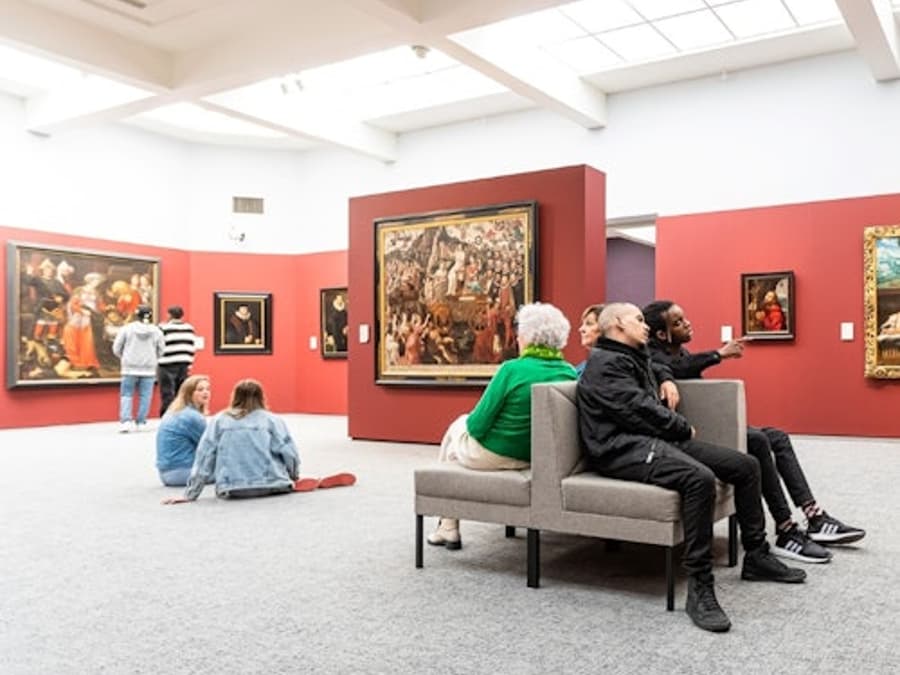
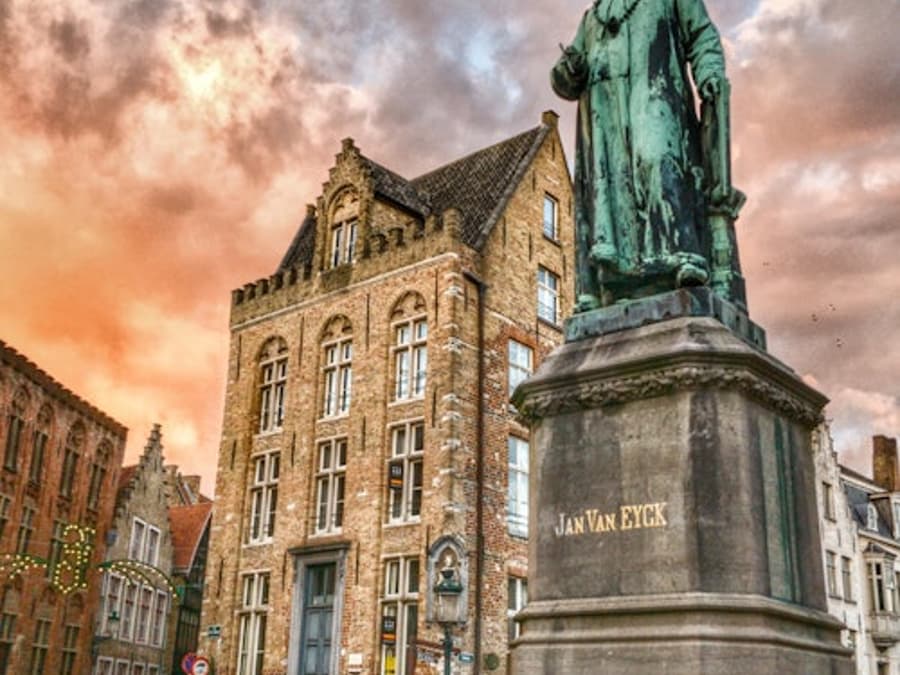
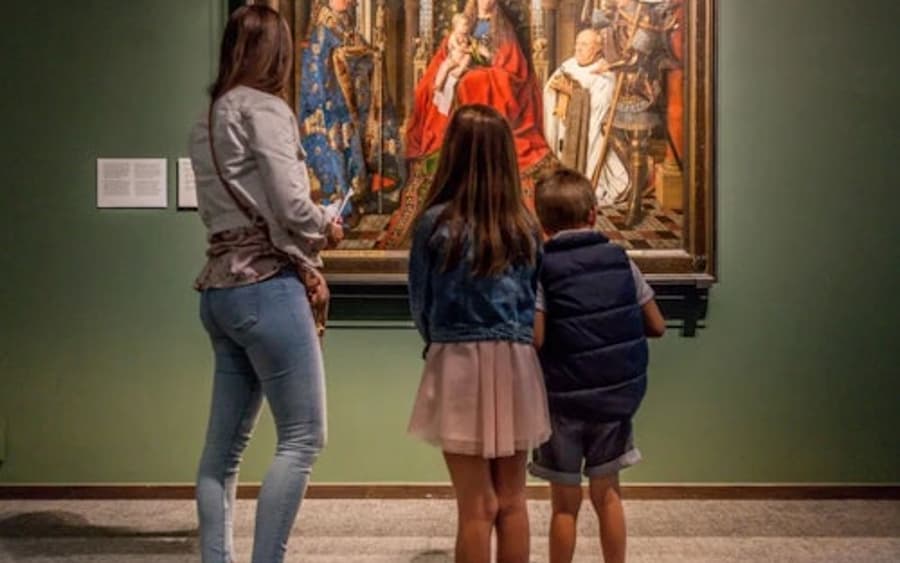
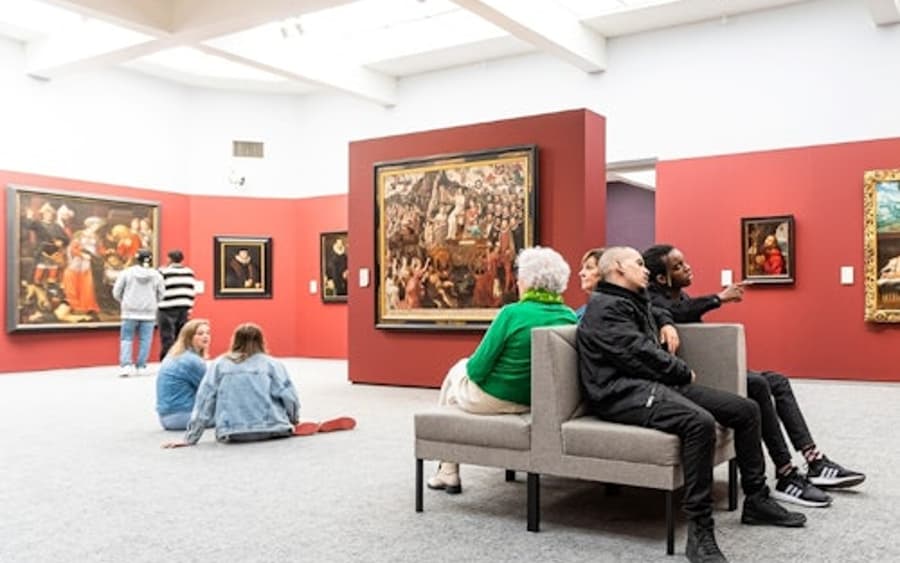
Groeninge Museum Bruges tickets: Explore six centuries of painting, including Flemish Primitives like Jan van Eyck and Hans Memling, and trace the evolution of European art in a focused, manageable gallery.
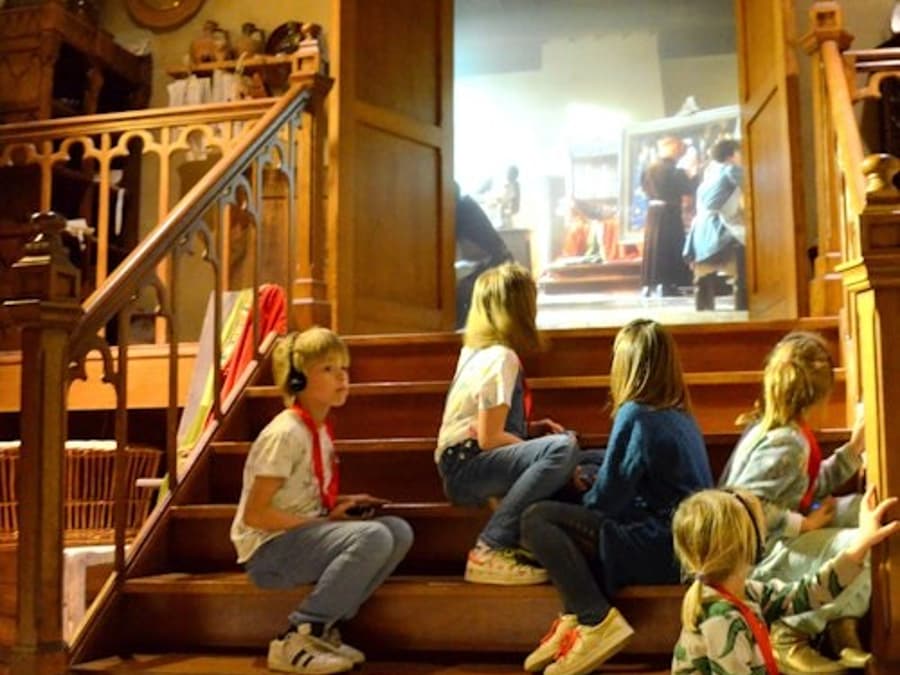
Gruuthusemuseum Bruges tickets: Step into a former noble mansion packed with tapestries, sculpture and everyday objects that reveal how Bruges’ elite once lived.
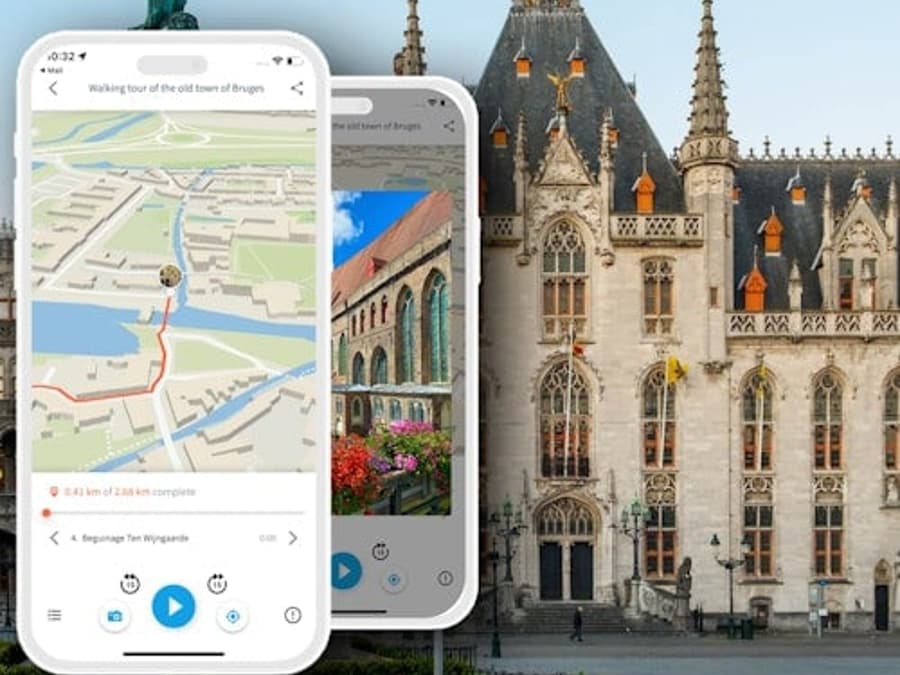
AI-guided Bruges walking tour tickets: Use tickadoo’s digital guide to follow a curated route past Market Square, the Belfry of Bruges and classic canal viewpoints at your own pace.
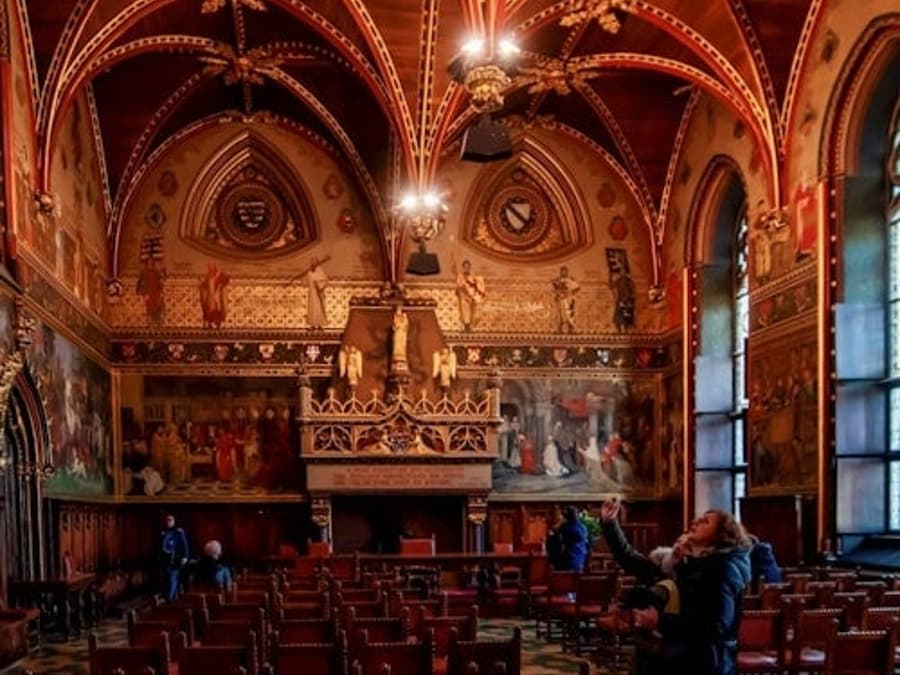
Climb or admire the Belfry of Bruges: Even if you do not climb the tower, standing beneath this medieval landmark on Grote Markt anchors any Bruges city walk.
Market Square and Burg Square: Linger among stepped-gable facades, historic guild houses and the City Hall, with plenty of terrace cafés for people-watching.
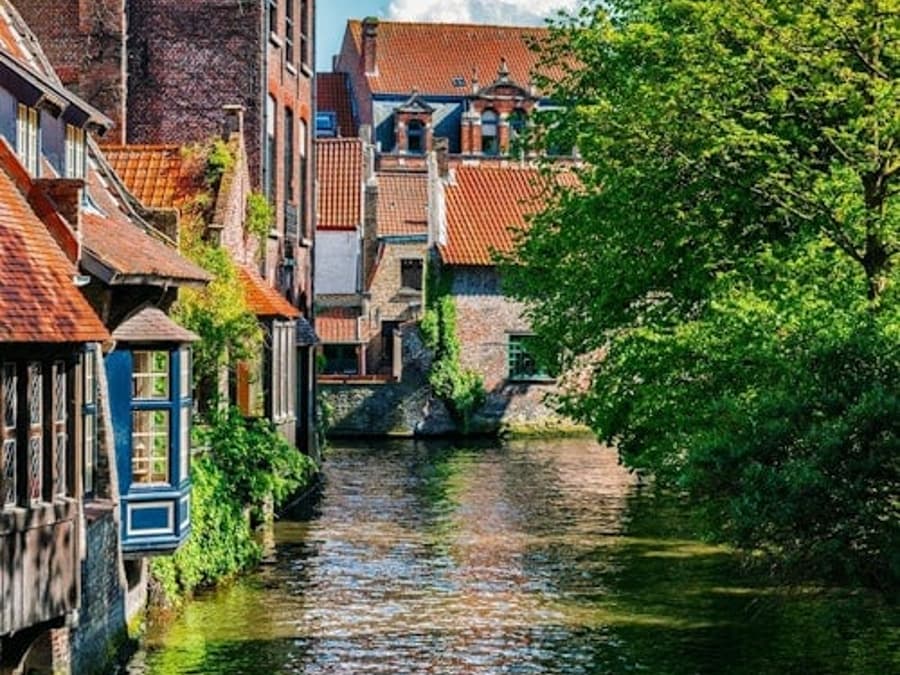
Canal viewpoints and bridges: Stroll the quays near Rozenhoedkaai for postcard views of water, brick facades and church towers reflected in the canals.
Medieval streets of the Historic Center: Wander narrow lanes between the churches and small squares to soak up Bruges’ remarkably preserved medieval architecture.
Self-guided Bruges tours: Use a tickadoo self-guided or AI-assisted route to link major sights with lesser-known alleys without rushing for group timetables.
Green pause at Minnewaterpark: Combine canal views with tree-lined paths around the so-called Lake of Love, a gentle contrast to busy central streets.
Evening canal-side walk: After museum hours, wander along dimly lit canals to see Bruges’ facades reflected in the water, with fewer crowds.
Tickets and passes in Bruges
Booking Bruges tickets in advance secures entry to popular museums and lets you structure each day around art, architecture and relaxed walks.
Groeninge Museum Bruges tickets: Reserve dated entry, especially in peak weekends, to enjoy the paintings at a comfortable pace. Tickets typically include access to permanent exhibitions and facilities like cloakrooms.
Gruuthusemuseum Bruges tickets: Pre-book digital or printed tickets so you can time your visit between canal walks and Market Square photo stops.
Bruges AI walking tour tickets: Purchase digital access through tickadoo to unlock commentary and navigation that works offline once downloaded, useful for spontaneous detours.
Bruges museum tickets and simple combos: While a formal Bruges museum pass is not highlighted, checking for combined pricing when booking Groeninge Museum and Gruuthusemuseum can trim costs if you love art and history.
Flexible self-guided tour access: Self-guided or AI tours usually allow use over a range of dates, handy if you want to keep your Bruges schedule weather dependent.
If you plan to focus on a few core Bruges attractions, such as Groeninge Museum, Gruuthusemuseum and an AI walking tour, booking individual tickets online keeps things simple without needing a broader sightseeing pass.
Getting around Bruges by train, bus and on foot
Bruges is compact enough to walk, with trains and buses mainly used for arrival and short hops between the station and the historic center.
Arriving by train: InterCity IC trains link Brugge with Brussels, Ghent and Antwerp. Regional services connect to coastal stations such as Zeebrugge and Blankenberge for day trips.
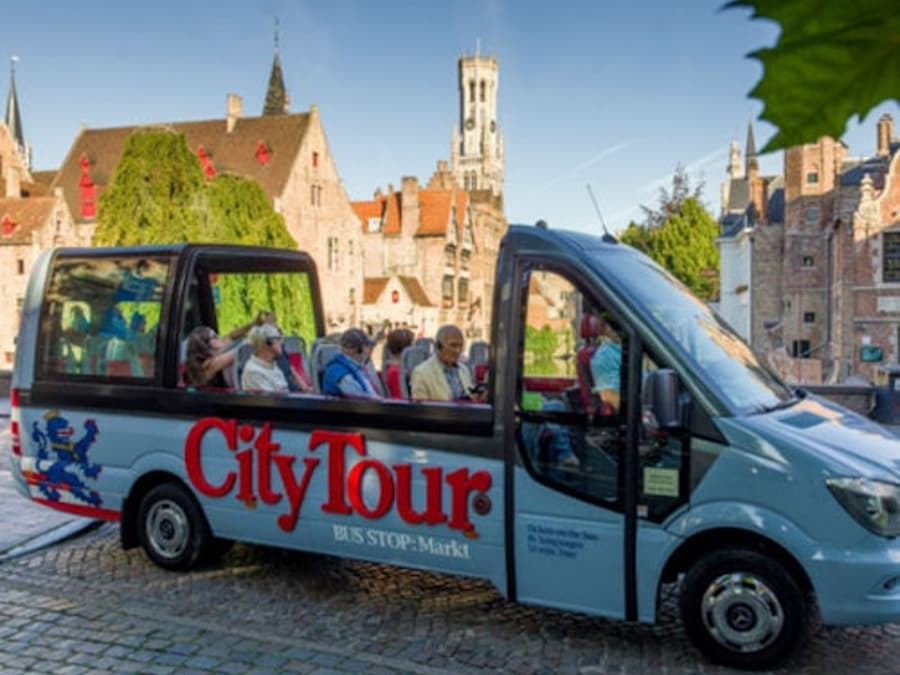
Local buses by De Lijn: Use De Lijn bus routes from Brugge Station to stops near Markt and Burg. Check route numbers and times on the De Lijn app before you leave the station.
Paying for buses: Buy single or day tickets via De Lijn ticket machines, the app or contactless bank card. Validate on boarding and keep the ticket handy for inspections.
Walking the historic center: Most things to do in Bruges, including Groeninge Museum, Gruuthusemuseum, Market Square and the canals, sit within a 15 to 20 minute walk radius.
Airport to Bruges by rail: From Brussels Airport BRU, take a Belgian Rail train to Bruxelles-Midi or Bruxelles-Central, then continue on an IC service to Brugge Station.
Day trips along the coast: For a North Sea break, ride trains from Brugge to Blankenberge or Zeebrugge, then continue on foot or local buses to the beach.
Cycling and taxis: Some visitors rent bikes near Brugge Station to cover longer stretches of the outer ring, while licensed taxis and pre-booked transfers help with luggage-heavy arrivals.
Because distances are short and streets are historic, comfortable shoes often matter more than bus timetables, especially if you plan to link several Bruges attractions in one wandering loop.
When is the best time to visit Bruges?
April to June brings mild temperatures around 10 to 20°C, blooming trees along the canals and manageable crowds in Bruges museums and Market Square. July and August are warmer and busier, with long evenings but thicker tour groups. September and October stay pleasant, with softer light on the canals. December is atmospheric for Christmas markets, though it can be chilly, wet and crowded on weekends.
How many days do you need in Bruges?
Two days in Bruges lets you tour Groeninge Museum, visit Gruuthusemuseum, climb or admire the Belfry of Bruges and wander canals around Rozenhoedkaai. With three or four days, add slower walks through Sint-Anna and Minnewaterpark plus an AI-guided Bruges walking tour. Five days allows easy rail day trips to Ghent or the North Sea coast at Blankenberge.
Is Bruges expensive to visit?
Bruges is not cheap, but careful planning keeps costs reasonable. Museum tickets for Groeninge Museum and Gruuthusemuseum are moderate compared with big-capital prices, and walking tours via tickadoo offer good value. Eating a main meal at lunchtime, choosing cafés just off Market Square and using De Lijn buses or walking instead of taxis all help stretch your budget.
What are the must-see attractions in Bruges?
Start with Market Square and the Belfry of Bruges, then walk to Burg Square and the City Hall. Groeninge Museum is essential for Flemish Primitives, while Gruuthusemuseum reveals aristocratic life in a historic mansion. Add Rozenhoedkaai for iconic canal views, Minnewaterpark for greenery and an evening wander through the medieval streets of the Historic Center.
Do I need to book Bruges museum tickets in advance?
Booking Groeninge Museum Bruges tickets and Gruuthusemuseum Bruges tickets ahead is wise, especially on weekends and school holidays when time slots fill. Advance tickets reduce queuing and help you plan around peak midday crowds. If you arrive without a booking, aim for early morning or late afternoon entries when demand can be lower.
How do I get from Brussels Airport BRU to Bruges?
From Brussels Airport BRU, follow signs to the railway station beneath the terminal and board a Belgian Rail train. Most routes involve changing at Bruxelles-Midi or Bruxelles-Central for an InterCity IC service to Brugge Station, with a total journey around 90 minutes. Taxis and private shuttles cost more but are useful late at night or with heavy luggage.
Where should I stay in Bruges?
Stay in the Historic Center near Market Square if you want to step straight into Bruges attractions and evening canal walks. The Burg area suits history fans who like being near City Hall and churches. Around Minnewaterpark is quieter and greener, ideal for couples. Areas closer to Brugge Station usually offer better-value hotels and quicker rail access.
What is Bruges known for?
Bruges is known for its beautifully preserved medieval center, winding canals and Flemish art heritage. Visitors come for Groeninge Museum’s paintings, Gruuthusemuseum’s mansion collections and the skyline dominated by the Belfry of Bruges and church towers. Cobblestone streets, stepped-gable houses and cosy cafés around Market Square and Rozenhoedkaai reinforce the city’s fairytale reputation.
Bruges quick facts: airports, stations and maps
Plan your days with these essential details for Bruges Belgium. This compact Flemish city is easy to navigate on foot, with most Bruges attractions clustered around Market Square and the canals.
State/Region/Country: Bruges is in West Flanders, in the Flanders region of northern Belgium.
Airports: Brussels Airport BRU is the main international gateway. Ostend-Bruges Airport OST handles seasonal and charter flights.
Main stations/hubs: Brugge railway station handles InterCity IC and regional trains. Local buses run from Brugge Station to the historic center.
Public transport: De Lijn buses connect Brugge Station with stops near Grote Markt, Burg and the ring roads.
Paying fares: Buy De Lijn tickets from machines, on the app or via contactless bank card, with 1-hour and day ticket options.
Coordinates: Bruges sits at approximately 51.2093° N, 3.2247° E.
Popular neighbourhoods: Historic Center around Market Square, Burg Quarter near the City Hall, Sint-Anna for quiet canals, and the area around Minnewaterpark for greenery.
Additional context: The North Sea coast around Zeebrugge and Blankenberge lies a short train ride away, useful for breezy day trips from Bruges.
Maps at Brugge Station and in Market Square outline the pedestrian core, so pick one up on arrival to plot the shortest walking links between Groeninge Museum, Gruuthusemuseum and the main canal viewpoints.
Top things to do in Bruges
Blend Bruges art museums, medieval towers and slow canal walks for a balanced itinerary. Start with the icons, then weave in neighbourhood exploration and quiet corners.
Groeninge Museum Bruges tickets: Explore six centuries of painting, including Flemish Primitives like Jan van Eyck and Hans Memling, and trace the evolution of European art in a focused, manageable gallery.
Gruuthusemuseum Bruges tickets: Step into a former noble mansion packed with tapestries, sculpture and everyday objects that reveal how Bruges’ elite once lived.
AI-guided Bruges walking tour tickets: Use tickadoo’s digital guide to follow a curated route past Market Square, the Belfry of Bruges and classic canal viewpoints at your own pace.
Climb or admire the Belfry of Bruges: Even if you do not climb the tower, standing beneath this medieval landmark on Grote Markt anchors any Bruges city walk.
Market Square and Burg Square: Linger among stepped-gable facades, historic guild houses and the City Hall, with plenty of terrace cafés for people-watching.
Canal viewpoints and bridges: Stroll the quays near Rozenhoedkaai for postcard views of water, brick facades and church towers reflected in the canals.
Medieval streets of the Historic Center: Wander narrow lanes between the churches and small squares to soak up Bruges’ remarkably preserved medieval architecture.
Self-guided Bruges tours: Use a tickadoo self-guided or AI-assisted route to link major sights with lesser-known alleys without rushing for group timetables.
Green pause at Minnewaterpark: Combine canal views with tree-lined paths around the so-called Lake of Love, a gentle contrast to busy central streets.
Evening canal-side walk: After museum hours, wander along dimly lit canals to see Bruges’ facades reflected in the water, with fewer crowds.
Tickets and passes in Bruges
Booking Bruges tickets in advance secures entry to popular museums and lets you structure each day around art, architecture and relaxed walks.
Groeninge Museum Bruges tickets: Reserve dated entry, especially in peak weekends, to enjoy the paintings at a comfortable pace. Tickets typically include access to permanent exhibitions and facilities like cloakrooms.
Gruuthusemuseum Bruges tickets: Pre-book digital or printed tickets so you can time your visit between canal walks and Market Square photo stops.
Bruges AI walking tour tickets: Purchase digital access through tickadoo to unlock commentary and navigation that works offline once downloaded, useful for spontaneous detours.
Bruges museum tickets and simple combos: While a formal Bruges museum pass is not highlighted, checking for combined pricing when booking Groeninge Museum and Gruuthusemuseum can trim costs if you love art and history.
Flexible self-guided tour access: Self-guided or AI tours usually allow use over a range of dates, handy if you want to keep your Bruges schedule weather dependent.
If you plan to focus on a few core Bruges attractions, such as Groeninge Museum, Gruuthusemuseum and an AI walking tour, booking individual tickets online keeps things simple without needing a broader sightseeing pass.
Getting around Bruges by train, bus and on foot
Bruges is compact enough to walk, with trains and buses mainly used for arrival and short hops between the station and the historic center.
Arriving by train: InterCity IC trains link Brugge with Brussels, Ghent and Antwerp. Regional services connect to coastal stations such as Zeebrugge and Blankenberge for day trips.
Local buses by De Lijn: Use De Lijn bus routes from Brugge Station to stops near Markt and Burg. Check route numbers and times on the De Lijn app before you leave the station.
Paying for buses: Buy single or day tickets via De Lijn ticket machines, the app or contactless bank card. Validate on boarding and keep the ticket handy for inspections.
Walking the historic center: Most things to do in Bruges, including Groeninge Museum, Gruuthusemuseum, Market Square and the canals, sit within a 15 to 20 minute walk radius.
Airport to Bruges by rail: From Brussels Airport BRU, take a Belgian Rail train to Bruxelles-Midi or Bruxelles-Central, then continue on an IC service to Brugge Station.
Day trips along the coast: For a North Sea break, ride trains from Brugge to Blankenberge or Zeebrugge, then continue on foot or local buses to the beach.
Cycling and taxis: Some visitors rent bikes near Brugge Station to cover longer stretches of the outer ring, while licensed taxis and pre-booked transfers help with luggage-heavy arrivals.
Because distances are short and streets are historic, comfortable shoes often matter more than bus timetables, especially if you plan to link several Bruges attractions in one wandering loop.
When is the best time to visit Bruges?
April to June brings mild temperatures around 10 to 20°C, blooming trees along the canals and manageable crowds in Bruges museums and Market Square. July and August are warmer and busier, with long evenings but thicker tour groups. September and October stay pleasant, with softer light on the canals. December is atmospheric for Christmas markets, though it can be chilly, wet and crowded on weekends.
How many days do you need in Bruges?
Two days in Bruges lets you tour Groeninge Museum, visit Gruuthusemuseum, climb or admire the Belfry of Bruges and wander canals around Rozenhoedkaai. With three or four days, add slower walks through Sint-Anna and Minnewaterpark plus an AI-guided Bruges walking tour. Five days allows easy rail day trips to Ghent or the North Sea coast at Blankenberge.
Is Bruges expensive to visit?
Bruges is not cheap, but careful planning keeps costs reasonable. Museum tickets for Groeninge Museum and Gruuthusemuseum are moderate compared with big-capital prices, and walking tours via tickadoo offer good value. Eating a main meal at lunchtime, choosing cafés just off Market Square and using De Lijn buses or walking instead of taxis all help stretch your budget.
What are the must-see attractions in Bruges?
Start with Market Square and the Belfry of Bruges, then walk to Burg Square and the City Hall. Groeninge Museum is essential for Flemish Primitives, while Gruuthusemuseum reveals aristocratic life in a historic mansion. Add Rozenhoedkaai for iconic canal views, Minnewaterpark for greenery and an evening wander through the medieval streets of the Historic Center.
Do I need to book Bruges museum tickets in advance?
Booking Groeninge Museum Bruges tickets and Gruuthusemuseum Bruges tickets ahead is wise, especially on weekends and school holidays when time slots fill. Advance tickets reduce queuing and help you plan around peak midday crowds. If you arrive without a booking, aim for early morning or late afternoon entries when demand can be lower.
How do I get from Brussels Airport BRU to Bruges?
From Brussels Airport BRU, follow signs to the railway station beneath the terminal and board a Belgian Rail train. Most routes involve changing at Bruxelles-Midi or Bruxelles-Central for an InterCity IC service to Brugge Station, with a total journey around 90 minutes. Taxis and private shuttles cost more but are useful late at night or with heavy luggage.
Where should I stay in Bruges?
Stay in the Historic Center near Market Square if you want to step straight into Bruges attractions and evening canal walks. The Burg area suits history fans who like being near City Hall and churches. Around Minnewaterpark is quieter and greener, ideal for couples. Areas closer to Brugge Station usually offer better-value hotels and quicker rail access.
What is Bruges known for?
Bruges is known for its beautifully preserved medieval center, winding canals and Flemish art heritage. Visitors come for Groeninge Museum’s paintings, Gruuthusemuseum’s mansion collections and the skyline dominated by the Belfry of Bruges and church towers. Cobblestone streets, stepped-gable houses and cosy cafés around Market Square and Rozenhoedkaai reinforce the city’s fairytale reputation.
Bruges quick facts: airports, stations and maps
Plan your days with these essential details for Bruges Belgium. This compact Flemish city is easy to navigate on foot, with most Bruges attractions clustered around Market Square and the canals.
State/Region/Country: Bruges is in West Flanders, in the Flanders region of northern Belgium.
Airports: Brussels Airport BRU is the main international gateway. Ostend-Bruges Airport OST handles seasonal and charter flights.
Main stations/hubs: Brugge railway station handles InterCity IC and regional trains. Local buses run from Brugge Station to the historic center.
Public transport: De Lijn buses connect Brugge Station with stops near Grote Markt, Burg and the ring roads.
Paying fares: Buy De Lijn tickets from machines, on the app or via contactless bank card, with 1-hour and day ticket options.
Coordinates: Bruges sits at approximately 51.2093° N, 3.2247° E.
Popular neighbourhoods: Historic Center around Market Square, Burg Quarter near the City Hall, Sint-Anna for quiet canals, and the area around Minnewaterpark for greenery.
Additional context: The North Sea coast around Zeebrugge and Blankenberge lies a short train ride away, useful for breezy day trips from Bruges.
Maps at Brugge Station and in Market Square outline the pedestrian core, so pick one up on arrival to plot the shortest walking links between Groeninge Museum, Gruuthusemuseum and the main canal viewpoints.
Top things to do in Bruges
Blend Bruges art museums, medieval towers and slow canal walks for a balanced itinerary. Start with the icons, then weave in neighbourhood exploration and quiet corners.
Groeninge Museum Bruges tickets: Explore six centuries of painting, including Flemish Primitives like Jan van Eyck and Hans Memling, and trace the evolution of European art in a focused, manageable gallery.
Gruuthusemuseum Bruges tickets: Step into a former noble mansion packed with tapestries, sculpture and everyday objects that reveal how Bruges’ elite once lived.
AI-guided Bruges walking tour tickets: Use tickadoo’s digital guide to follow a curated route past Market Square, the Belfry of Bruges and classic canal viewpoints at your own pace.
Climb or admire the Belfry of Bruges: Even if you do not climb the tower, standing beneath this medieval landmark on Grote Markt anchors any Bruges city walk.
Market Square and Burg Square: Linger among stepped-gable facades, historic guild houses and the City Hall, with plenty of terrace cafés for people-watching.
Canal viewpoints and bridges: Stroll the quays near Rozenhoedkaai for postcard views of water, brick facades and church towers reflected in the canals.
Medieval streets of the Historic Center: Wander narrow lanes between the churches and small squares to soak up Bruges’ remarkably preserved medieval architecture.
Self-guided Bruges tours: Use a tickadoo self-guided or AI-assisted route to link major sights with lesser-known alleys without rushing for group timetables.
Green pause at Minnewaterpark: Combine canal views with tree-lined paths around the so-called Lake of Love, a gentle contrast to busy central streets.
Evening canal-side walk: After museum hours, wander along dimly lit canals to see Bruges’ facades reflected in the water, with fewer crowds.
Tickets and passes in Bruges
Booking Bruges tickets in advance secures entry to popular museums and lets you structure each day around art, architecture and relaxed walks.
Groeninge Museum Bruges tickets: Reserve dated entry, especially in peak weekends, to enjoy the paintings at a comfortable pace. Tickets typically include access to permanent exhibitions and facilities like cloakrooms.
Gruuthusemuseum Bruges tickets: Pre-book digital or printed tickets so you can time your visit between canal walks and Market Square photo stops.
Bruges AI walking tour tickets: Purchase digital access through tickadoo to unlock commentary and navigation that works offline once downloaded, useful for spontaneous detours.
Bruges museum tickets and simple combos: While a formal Bruges museum pass is not highlighted, checking for combined pricing when booking Groeninge Museum and Gruuthusemuseum can trim costs if you love art and history.
Flexible self-guided tour access: Self-guided or AI tours usually allow use over a range of dates, handy if you want to keep your Bruges schedule weather dependent.
If you plan to focus on a few core Bruges attractions, such as Groeninge Museum, Gruuthusemuseum and an AI walking tour, booking individual tickets online keeps things simple without needing a broader sightseeing pass.
Getting around Bruges by train, bus and on foot
Bruges is compact enough to walk, with trains and buses mainly used for arrival and short hops between the station and the historic center.
Arriving by train: InterCity IC trains link Brugge with Brussels, Ghent and Antwerp. Regional services connect to coastal stations such as Zeebrugge and Blankenberge for day trips.
Local buses by De Lijn: Use De Lijn bus routes from Brugge Station to stops near Markt and Burg. Check route numbers and times on the De Lijn app before you leave the station.
Paying for buses: Buy single or day tickets via De Lijn ticket machines, the app or contactless bank card. Validate on boarding and keep the ticket handy for inspections.
Walking the historic center: Most things to do in Bruges, including Groeninge Museum, Gruuthusemuseum, Market Square and the canals, sit within a 15 to 20 minute walk radius.
Airport to Bruges by rail: From Brussels Airport BRU, take a Belgian Rail train to Bruxelles-Midi or Bruxelles-Central, then continue on an IC service to Brugge Station.
Day trips along the coast: For a North Sea break, ride trains from Brugge to Blankenberge or Zeebrugge, then continue on foot or local buses to the beach.
Cycling and taxis: Some visitors rent bikes near Brugge Station to cover longer stretches of the outer ring, while licensed taxis and pre-booked transfers help with luggage-heavy arrivals.
Because distances are short and streets are historic, comfortable shoes often matter more than bus timetables, especially if you plan to link several Bruges attractions in one wandering loop.
When is the best time to visit Bruges?
April to June brings mild temperatures around 10 to 20°C, blooming trees along the canals and manageable crowds in Bruges museums and Market Square. July and August are warmer and busier, with long evenings but thicker tour groups. September and October stay pleasant, with softer light on the canals. December is atmospheric for Christmas markets, though it can be chilly, wet and crowded on weekends.
How many days do you need in Bruges?
Two days in Bruges lets you tour Groeninge Museum, visit Gruuthusemuseum, climb or admire the Belfry of Bruges and wander canals around Rozenhoedkaai. With three or four days, add slower walks through Sint-Anna and Minnewaterpark plus an AI-guided Bruges walking tour. Five days allows easy rail day trips to Ghent or the North Sea coast at Blankenberge.
Is Bruges expensive to visit?
Bruges is not cheap, but careful planning keeps costs reasonable. Museum tickets for Groeninge Museum and Gruuthusemuseum are moderate compared with big-capital prices, and walking tours via tickadoo offer good value. Eating a main meal at lunchtime, choosing cafés just off Market Square and using De Lijn buses or walking instead of taxis all help stretch your budget.
What are the must-see attractions in Bruges?
Start with Market Square and the Belfry of Bruges, then walk to Burg Square and the City Hall. Groeninge Museum is essential for Flemish Primitives, while Gruuthusemuseum reveals aristocratic life in a historic mansion. Add Rozenhoedkaai for iconic canal views, Minnewaterpark for greenery and an evening wander through the medieval streets of the Historic Center.
Do I need to book Bruges museum tickets in advance?
Booking Groeninge Museum Bruges tickets and Gruuthusemuseum Bruges tickets ahead is wise, especially on weekends and school holidays when time slots fill. Advance tickets reduce queuing and help you plan around peak midday crowds. If you arrive without a booking, aim for early morning or late afternoon entries when demand can be lower.
How do I get from Brussels Airport BRU to Bruges?
From Brussels Airport BRU, follow signs to the railway station beneath the terminal and board a Belgian Rail train. Most routes involve changing at Bruxelles-Midi or Bruxelles-Central for an InterCity IC service to Brugge Station, with a total journey around 90 minutes. Taxis and private shuttles cost more but are useful late at night or with heavy luggage.
Where should I stay in Bruges?
Stay in the Historic Center near Market Square if you want to step straight into Bruges attractions and evening canal walks. The Burg area suits history fans who like being near City Hall and churches. Around Minnewaterpark is quieter and greener, ideal for couples. Areas closer to Brugge Station usually offer better-value hotels and quicker rail access.
What is Bruges known for?
Bruges is known for its beautifully preserved medieval center, winding canals and Flemish art heritage. Visitors come for Groeninge Museum’s paintings, Gruuthusemuseum’s mansion collections and the skyline dominated by the Belfry of Bruges and church towers. Cobblestone streets, stepped-gable houses and cosy cafés around Market Square and Rozenhoedkaai reinforce the city’s fairytale reputation.
Bruges quick facts: airports, stations and maps
Plan your days with these essential details for Bruges Belgium. This compact Flemish city is easy to navigate on foot, with most Bruges attractions clustered around Market Square and the canals.
State/Region/Country: Bruges is in West Flanders, in the Flanders region of northern Belgium.
Airports: Brussels Airport BRU is the main international gateway. Ostend-Bruges Airport OST handles seasonal and charter flights.
Main stations/hubs: Brugge railway station handles InterCity IC and regional trains. Local buses run from Brugge Station to the historic center.
Public transport: De Lijn buses connect Brugge Station with stops near Grote Markt, Burg and the ring roads.
Paying fares: Buy De Lijn tickets from machines, on the app or via contactless bank card, with 1-hour and day ticket options.
Coordinates: Bruges sits at approximately 51.2093° N, 3.2247° E.
Popular neighbourhoods: Historic Center around Market Square, Burg Quarter near the City Hall, Sint-Anna for quiet canals, and the area around Minnewaterpark for greenery.
Additional context: The North Sea coast around Zeebrugge and Blankenberge lies a short train ride away, useful for breezy day trips from Bruges.
Maps at Brugge Station and in Market Square outline the pedestrian core, so pick one up on arrival to plot the shortest walking links between Groeninge Museum, Gruuthusemuseum and the main canal viewpoints.
Top things to do in Bruges
Blend Bruges art museums, medieval towers and slow canal walks for a balanced itinerary. Start with the icons, then weave in neighbourhood exploration and quiet corners.
Groeninge Museum Bruges tickets: Explore six centuries of painting, including Flemish Primitives like Jan van Eyck and Hans Memling, and trace the evolution of European art in a focused, manageable gallery.
Gruuthusemuseum Bruges tickets: Step into a former noble mansion packed with tapestries, sculpture and everyday objects that reveal how Bruges’ elite once lived.
AI-guided Bruges walking tour tickets: Use tickadoo’s digital guide to follow a curated route past Market Square, the Belfry of Bruges and classic canal viewpoints at your own pace.
Climb or admire the Belfry of Bruges: Even if you do not climb the tower, standing beneath this medieval landmark on Grote Markt anchors any Bruges city walk.
Market Square and Burg Square: Linger among stepped-gable facades, historic guild houses and the City Hall, with plenty of terrace cafés for people-watching.
Canal viewpoints and bridges: Stroll the quays near Rozenhoedkaai for postcard views of water, brick facades and church towers reflected in the canals.
Medieval streets of the Historic Center: Wander narrow lanes between the churches and small squares to soak up Bruges’ remarkably preserved medieval architecture.
Self-guided Bruges tours: Use a tickadoo self-guided or AI-assisted route to link major sights with lesser-known alleys without rushing for group timetables.
Green pause at Minnewaterpark: Combine canal views with tree-lined paths around the so-called Lake of Love, a gentle contrast to busy central streets.
Evening canal-side walk: After museum hours, wander along dimly lit canals to see Bruges’ facades reflected in the water, with fewer crowds.
Tickets and passes in Bruges
Booking Bruges tickets in advance secures entry to popular museums and lets you structure each day around art, architecture and relaxed walks.
Groeninge Museum Bruges tickets: Reserve dated entry, especially in peak weekends, to enjoy the paintings at a comfortable pace. Tickets typically include access to permanent exhibitions and facilities like cloakrooms.
Gruuthusemuseum Bruges tickets: Pre-book digital or printed tickets so you can time your visit between canal walks and Market Square photo stops.
Bruges AI walking tour tickets: Purchase digital access through tickadoo to unlock commentary and navigation that works offline once downloaded, useful for spontaneous detours.
Bruges museum tickets and simple combos: While a formal Bruges museum pass is not highlighted, checking for combined pricing when booking Groeninge Museum and Gruuthusemuseum can trim costs if you love art and history.
Flexible self-guided tour access: Self-guided or AI tours usually allow use over a range of dates, handy if you want to keep your Bruges schedule weather dependent.
If you plan to focus on a few core Bruges attractions, such as Groeninge Museum, Gruuthusemuseum and an AI walking tour, booking individual tickets online keeps things simple without needing a broader sightseeing pass.
Getting around Bruges by train, bus and on foot
Bruges is compact enough to walk, with trains and buses mainly used for arrival and short hops between the station and the historic center.
Arriving by train: InterCity IC trains link Brugge with Brussels, Ghent and Antwerp. Regional services connect to coastal stations such as Zeebrugge and Blankenberge for day trips.
Local buses by De Lijn: Use De Lijn bus routes from Brugge Station to stops near Markt and Burg. Check route numbers and times on the De Lijn app before you leave the station.
Paying for buses: Buy single or day tickets via De Lijn ticket machines, the app or contactless bank card. Validate on boarding and keep the ticket handy for inspections.
Walking the historic center: Most things to do in Bruges, including Groeninge Museum, Gruuthusemuseum, Market Square and the canals, sit within a 15 to 20 minute walk radius.
Airport to Bruges by rail: From Brussels Airport BRU, take a Belgian Rail train to Bruxelles-Midi or Bruxelles-Central, then continue on an IC service to Brugge Station.
Day trips along the coast: For a North Sea break, ride trains from Brugge to Blankenberge or Zeebrugge, then continue on foot or local buses to the beach.
Cycling and taxis: Some visitors rent bikes near Brugge Station to cover longer stretches of the outer ring, while licensed taxis and pre-booked transfers help with luggage-heavy arrivals.
Because distances are short and streets are historic, comfortable shoes often matter more than bus timetables, especially if you plan to link several Bruges attractions in one wandering loop.
When is the best time to visit Bruges?
April to June brings mild temperatures around 10 to 20°C, blooming trees along the canals and manageable crowds in Bruges museums and Market Square. July and August are warmer and busier, with long evenings but thicker tour groups. September and October stay pleasant, with softer light on the canals. December is atmospheric for Christmas markets, though it can be chilly, wet and crowded on weekends.
How many days do you need in Bruges?
Two days in Bruges lets you tour Groeninge Museum, visit Gruuthusemuseum, climb or admire the Belfry of Bruges and wander canals around Rozenhoedkaai. With three or four days, add slower walks through Sint-Anna and Minnewaterpark plus an AI-guided Bruges walking tour. Five days allows easy rail day trips to Ghent or the North Sea coast at Blankenberge.
Is Bruges expensive to visit?
Bruges is not cheap, but careful planning keeps costs reasonable. Museum tickets for Groeninge Museum and Gruuthusemuseum are moderate compared with big-capital prices, and walking tours via tickadoo offer good value. Eating a main meal at lunchtime, choosing cafés just off Market Square and using De Lijn buses or walking instead of taxis all help stretch your budget.
What are the must-see attractions in Bruges?
Start with Market Square and the Belfry of Bruges, then walk to Burg Square and the City Hall. Groeninge Museum is essential for Flemish Primitives, while Gruuthusemuseum reveals aristocratic life in a historic mansion. Add Rozenhoedkaai for iconic canal views, Minnewaterpark for greenery and an evening wander through the medieval streets of the Historic Center.
Do I need to book Bruges museum tickets in advance?
Booking Groeninge Museum Bruges tickets and Gruuthusemuseum Bruges tickets ahead is wise, especially on weekends and school holidays when time slots fill. Advance tickets reduce queuing and help you plan around peak midday crowds. If you arrive without a booking, aim for early morning or late afternoon entries when demand can be lower.
How do I get from Brussels Airport BRU to Bruges?
From Brussels Airport BRU, follow signs to the railway station beneath the terminal and board a Belgian Rail train. Most routes involve changing at Bruxelles-Midi or Bruxelles-Central for an InterCity IC service to Brugge Station, with a total journey around 90 minutes. Taxis and private shuttles cost more but are useful late at night or with heavy luggage.
Where should I stay in Bruges?
Stay in the Historic Center near Market Square if you want to step straight into Bruges attractions and evening canal walks. The Burg area suits history fans who like being near City Hall and churches. Around Minnewaterpark is quieter and greener, ideal for couples. Areas closer to Brugge Station usually offer better-value hotels and quicker rail access.
What is Bruges known for?
Bruges is known for its beautifully preserved medieval center, winding canals and Flemish art heritage. Visitors come for Groeninge Museum’s paintings, Gruuthusemuseum’s mansion collections and the skyline dominated by the Belfry of Bruges and church towers. Cobblestone streets, stepped-gable houses and cosy cafés around Market Square and Rozenhoedkaai reinforce the city’s fairytale reputation.