What's Trending in Abang?
Abang pairs misty volcanic slopes with sacred temples and jungle-framed lake views. Hike Mount Abang, catch sunrise at Lempuyang Temple's famous Gates of Heaven, or visit Besakih Temple while using this practical guide to compare Mount Abang tickets, temple tours, and combo experiences.
From early morning Abang volcano tours to Tibumana Waterfall detours, you can bundle Abang guided tours, arrange transfers instead of local buses, and stack Abang combo tours that link nature, temples, and waterfalls to plan flexible days ahead.
All Bali tickets
Load more events
Load more events
Abang quick facts: airports, access points and maps
Plan your days with these essential details for Abang Bali Indonesia.
State/Region/Country: Abang sits in East Bali, on the island of Bali, Indonesia, within the broader Karangasem Regency volcanic landscape.
Airports: The main gateway for Abang is Ngurah Rai International Airport Bali Denpasar (DPS), located in southern Bali near Kuta and Tuban.
Main stations/hubs: There are no rail hubs in Abang. Visitors typically connect from Denpasar, Ubud, Candidasa, or Amed using road transfers arranged through hotels or local operators.
Public transport: East Bali has limited fixed-route public transport, so most travelers rely on prebooked minivans, private cars, or shared shuttles that link Ubud, Sanur, Sidemen, and the Abang area.
Paying fares: You usually pay your driver in cash Indonesian rupiah, or include transport within organized Abang guided tours that bundle transfers and attraction tickets.
Coordinates: The Abang area lies close to 8.3° S latitude and 115.5° E longitude, near the shores of Lake Batur and the Mount Abang volcanic ridge.
Popular neighbourhoods: Nearby bases include Ubud for arts and cafes, Amed for coastal stays, Sidemen for rice-terrace retreats, and Candidasa for relaxed seaside resorts.
Additional context: Abang is framed by Mount Abang, Mount Batur, and Lake Batur, creating a classic Bali caldera view with jungle slopes, crater lakes, and temple complexes.
Because Abang has scattered villages rather than a dense town center, most visitors rely on prearranged hotel pickups, especially for sunrise Abang volcano tours and early Lempuyang Temple tickets.
Top things to do in Abang
Start with Abang's headline volcano and temple views, then add jungle walks and waterfall stops for a fuller East Bali experience.
Guided Mount Abang sunrise trek: Join organized Mount Abang tours with a local guide who leads you up the volcano before dawn for panoramic lake and jungle views as the sun rises over East Bali.
Daytime Mount Abang hiking routes: Choose a later departure to enjoy Abang lake views tours in softer daylight, with time to photograph the caldera and explore forest paths at a slower pace.
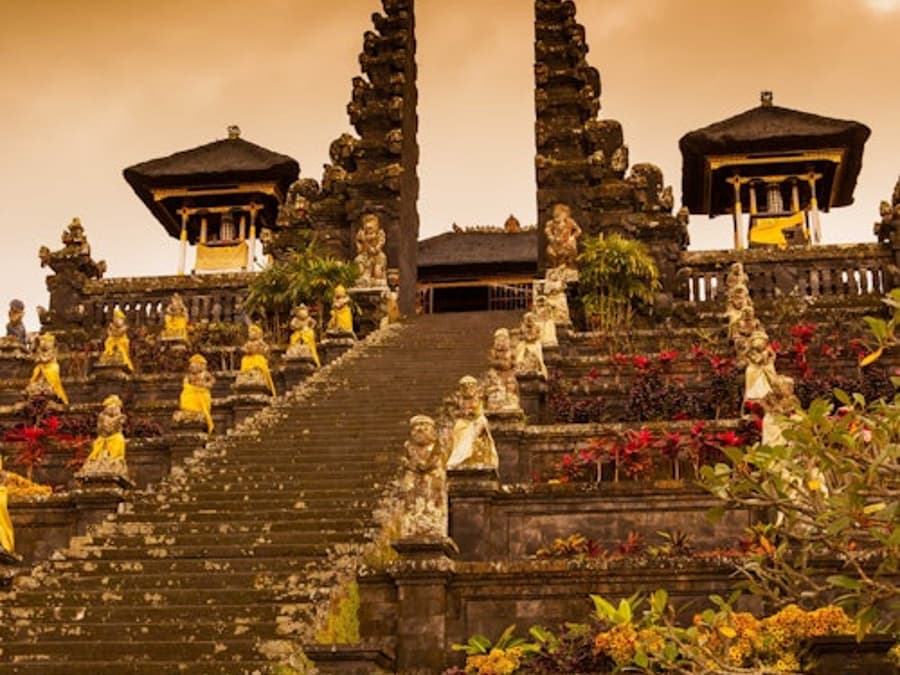
Besakih Temple tours: Book Besakih Temple tickets and guided visits that explain why this vast complex on Mount Agung's slopes is called Bali's Mother Temple, with shrines, courtyards, and ceremonial terraces.
Lempuyang Temple "Gates of Heaven" experience: Secure Lempuyang Temple tickets that include help with queueing for the iconic Gates of Heaven Abang photos framing Mount Agung on clear mornings.
Best Lempuyang Sunrise & Tibumana Waterfall Private Tour: Combine sunrise at Lempuyang with a cooling visit to Tibumana Waterfall, traveling in one vehicle with a guide who times each stop to avoid crowds.
Abang jungle tours around the caldera: Explore the lush forest surrounding Mount Abang on guided Abang outdoor adventures that focus on flora, birdlife, and lake viewpoints.
Lake-view stops near Mount Batur: Pair your Abang volcano tours with photo breaks at Lake Batur viewpoints, cafes, and quiet roadside lookouts across the caldera rim.
Temple combo days: Use Abang combo tours to see both Besakih Temple and Lempuyang Temple in one long but efficient day, with transfers included between remote mountain roads.
Cultural stops from Ubud to East Bali: If you base in Ubud, ask your driver to add roadside markets and village shrines on the way to Abang so the journey becomes part of your sightseeing.
Relaxing waterfall breaks: After a steep hike or temple climb, visit Tibumana Waterfall on a guided trip that offers shaded pools, easy steps, and chilled-out photo corners.
Tickets and passes in Abang
Booking key Abang attraction tickets in advance saves early-morning stress and lets you lock in sunrise times.
Mount Abang tickets and guided treks: Prebook Mount Abang tours that bundle guiding, basic breakfast, and hotel pickup. These tours often handle local trekking fees at the trailhead, so you avoid separate cash payments in the dark.
Besakih Temple tours with entrance included: Many Besakih Temple tours roll entrance tickets and sarong hire into one price, which helps you skip on-the-spot haggling and focus on exploring the terraced courtyards.
Lempuyang Temple tickets for sunrise: Lempuyang Temple tours often use timed departures from your hotel so you reach the Gates of Heaven queue before sunrise crowds. Private tours give more flexibility if clouds delay views.
Best Lempuyang Sunrise & Tibumana Waterfall Private Tour: This bestseller links two major East Bali sights on a single ticket, with transfers and guiding included, which is ideal if you have limited time in Abang.
Abang combo tours and attraction passes: Instead of a formal city pass, Abang attraction passes usually take the form of daylong combos that join a volcano trek with one or two temples plus a waterfall.
If you plan several paid Abang guided tours in just a couple of days, look for combo packages that connect Lempuyang, Besakih, and Mount Abang. These usually cost less than booking each leg and ticket separately.
Getting around Abang by tour vehicle and private car
Abang has no formal rail system, so most travelers rely on hotel pickups, chartered cars, and organized Abang tours that include door-to-door transport.
DPS airport to Abang by private transfer: Arrange a private car from Ngurah Rai International Airport DPS directly to your Abang base or nearby villages such as Amed or Sidemen. The drive typically takes several hours depending on traffic around Denpasar and Ubud.
Hotel pickups for Abang sunrise treks: Many Abang sunrise trek operators collect travelers from Ubud, Sanur, or Candidasa in the early hours. This avoids hunting for drivers at 2 a.m. and ensures you arrive at the Mount Abang trailhead on time.
Temple tours with roundtrip transport: Lempuyang Temple tours and Besakih Temple tours usually include roundtrip transfers on winding mountain roads, which is safer and simpler than self-driving unfamiliar routes in the dark.
Shared shuttles across Bali: If you travel light, use shared minivans between Ubud, Amed, and Candidasa, then link to Abang volcano tours from your accommodation rather than trying to catch irregular local bemos.
Rideshare and taxis: App-based rideshare is more common in southern Bali than in rural Abang. In East Bali, you typically organize local drivers through your guesthouse or as part of Abang guided tours.
Timing and traffic: Roads between Denpasar, Ubud, and East Bali can clog in late afternoon. For Abang lake views tours and temple days, aim for early starts and allow generous buffer time before sunset.
Walking during tours: Around Mount Abang, Besakih, and Lempuyang, expect steep paths, temple steps, and uneven surfaces, so wear shoes with grip and keep your hands free for railings and trekking poles.
Because Abang is spread across hills and caldera ridges, arranging one driver or guided tour for a full day usually works better than chaining short hops between remote sights.
When is the best time to visit Abang?
The best time to visit Abang is the dry season from April to October, when trails around Mount Abang are firmer and sunrise views over Lake Batur are clearer. July and August are busier, especially at Lempuyang Temple's Gates of Heaven. November to March brings heavier rain, cloudier mornings, and more slippery paths, though waterfalls like Tibumana feel fuller and greener.
How many days do you need in Abang?
Two full days in Abang lets you hike Mount Abang once, visit Besakih Temple, and take a guided Lempuyang Temple tour. With three to four days, you can add Tibumana Waterfall, extra Abang jungle tours, and slower caldera viewpoints. A longer stay of five nights or more suits hikers who want multiple sunrise treks and unhurried temple photography.
Is Abang expensive to visit?
Abang itself is not especially expensive compared with southern Bali, but costs depend on how many private tours you book. Guided Mount Abang tours, Lempuyang Temple tickets with transfers, and combo packages add up, though they remove transport stress. Staying in Ubud or Amed and joining shared Abang guided tours usually keeps prices moderate while still covering key attractions comfortably.
What are the must-see attractions in Abang?
Start with a guided Mount Abang sunrise trek for sweeping views over Lake Batur and surrounding jungle. Add Besakih Temple to see Bali's Mother Temple complex on Mount Agung's slopes. Join a Lempuyang Temple tour for the famous Gates of Heaven Abang photos, then cool off at Tibumana Waterfall. Abang jungle tours and caldera viewpoints round out a classic East Bali itinerary.
Do I need to book Lempuyang Temple tickets in advance?
Booking a Lempuyang Temple tour in advance is strongly recommended, especially for sunrise. Morning queues for the Gates of Heaven photo can be long, and tours time your arrival to beat the heaviest crowds. Operators also handle local ticketing rules and dress codes. If you go independently, arrive very early and be prepared to wait longer for your turn.
How do I get from DPS to Abang?
From Ngurah Rai International Airport DPS, the most practical option is a prebooked private transfer arranged through your guesthouse or tour company, driving via Sanur or Ubud toward East Bali. Some travelers stay one night in Ubud, then join Abang sunrise treks with hotel pickups. There are no trains, so trying to patch together local bemos from Denpasar can be slow and confusing.
Where should I stay in Abang?
Most visitors base themselves nearby rather than in Abang's scattered villages. Ubud suits travelers who want cafes and galleries alongside Abang guided tours. Amed is ideal if you like diving and coastal sunsets after volcano treks. Sidemen offers quiet rice-terrace stays, while Candidasa works well for families who prefer calmer seaside resorts with easy access to East Bali temples.
What is Abang known for?
Abang is known for its highland setting around Mount Abang, which forms part of the dramatic caldera opposite Mount Batur and Lake Batur. Travelers come for Abang sunrise treks, lush jungle trails, and strategic access to East Bali's star temples, including Besakih Temple and Lempuyang Temple. Many popular Abang combo tours weave volcano hikes with waterfalls and sacred sites in one efficient route.
Abang quick facts: airports, access points and maps
Plan your days with these essential details for Abang Bali Indonesia.
State/Region/Country: Abang sits in East Bali, on the island of Bali, Indonesia, within the broader Karangasem Regency volcanic landscape.
Airports: The main gateway for Abang is Ngurah Rai International Airport Bali Denpasar (DPS), located in southern Bali near Kuta and Tuban.
Main stations/hubs: There are no rail hubs in Abang. Visitors typically connect from Denpasar, Ubud, Candidasa, or Amed using road transfers arranged through hotels or local operators.
Public transport: East Bali has limited fixed-route public transport, so most travelers rely on prebooked minivans, private cars, or shared shuttles that link Ubud, Sanur, Sidemen, and the Abang area.
Paying fares: You usually pay your driver in cash Indonesian rupiah, or include transport within organized Abang guided tours that bundle transfers and attraction tickets.
Coordinates: The Abang area lies close to 8.3° S latitude and 115.5° E longitude, near the shores of Lake Batur and the Mount Abang volcanic ridge.
Popular neighbourhoods: Nearby bases include Ubud for arts and cafes, Amed for coastal stays, Sidemen for rice-terrace retreats, and Candidasa for relaxed seaside resorts.
Additional context: Abang is framed by Mount Abang, Mount Batur, and Lake Batur, creating a classic Bali caldera view with jungle slopes, crater lakes, and temple complexes.
Because Abang has scattered villages rather than a dense town center, most visitors rely on prearranged hotel pickups, especially for sunrise Abang volcano tours and early Lempuyang Temple tickets.
Top things to do in Abang
Start with Abang's headline volcano and temple views, then add jungle walks and waterfall stops for a fuller East Bali experience.
Guided Mount Abang sunrise trek: Join organized Mount Abang tours with a local guide who leads you up the volcano before dawn for panoramic lake and jungle views as the sun rises over East Bali.
Daytime Mount Abang hiking routes: Choose a later departure to enjoy Abang lake views tours in softer daylight, with time to photograph the caldera and explore forest paths at a slower pace.
Besakih Temple tours: Book Besakih Temple tickets and guided visits that explain why this vast complex on Mount Agung's slopes is called Bali's Mother Temple, with shrines, courtyards, and ceremonial terraces.
Lempuyang Temple "Gates of Heaven" experience: Secure Lempuyang Temple tickets that include help with queueing for the iconic Gates of Heaven Abang photos framing Mount Agung on clear mornings.
Best Lempuyang Sunrise & Tibumana Waterfall Private Tour: Combine sunrise at Lempuyang with a cooling visit to Tibumana Waterfall, traveling in one vehicle with a guide who times each stop to avoid crowds.
Abang jungle tours around the caldera: Explore the lush forest surrounding Mount Abang on guided Abang outdoor adventures that focus on flora, birdlife, and lake viewpoints.
Lake-view stops near Mount Batur: Pair your Abang volcano tours with photo breaks at Lake Batur viewpoints, cafes, and quiet roadside lookouts across the caldera rim.
Temple combo days: Use Abang combo tours to see both Besakih Temple and Lempuyang Temple in one long but efficient day, with transfers included between remote mountain roads.
Cultural stops from Ubud to East Bali: If you base in Ubud, ask your driver to add roadside markets and village shrines on the way to Abang so the journey becomes part of your sightseeing.
Relaxing waterfall breaks: After a steep hike or temple climb, visit Tibumana Waterfall on a guided trip that offers shaded pools, easy steps, and chilled-out photo corners.
Tickets and passes in Abang
Booking key Abang attraction tickets in advance saves early-morning stress and lets you lock in sunrise times.
Mount Abang tickets and guided treks: Prebook Mount Abang tours that bundle guiding, basic breakfast, and hotel pickup. These tours often handle local trekking fees at the trailhead, so you avoid separate cash payments in the dark.
Besakih Temple tours with entrance included: Many Besakih Temple tours roll entrance tickets and sarong hire into one price, which helps you skip on-the-spot haggling and focus on exploring the terraced courtyards.
Lempuyang Temple tickets for sunrise: Lempuyang Temple tours often use timed departures from your hotel so you reach the Gates of Heaven queue before sunrise crowds. Private tours give more flexibility if clouds delay views.
Best Lempuyang Sunrise & Tibumana Waterfall Private Tour: This bestseller links two major East Bali sights on a single ticket, with transfers and guiding included, which is ideal if you have limited time in Abang.
Abang combo tours and attraction passes: Instead of a formal city pass, Abang attraction passes usually take the form of daylong combos that join a volcano trek with one or two temples plus a waterfall.
If you plan several paid Abang guided tours in just a couple of days, look for combo packages that connect Lempuyang, Besakih, and Mount Abang. These usually cost less than booking each leg and ticket separately.
Getting around Abang by tour vehicle and private car
Abang has no formal rail system, so most travelers rely on hotel pickups, chartered cars, and organized Abang tours that include door-to-door transport.
DPS airport to Abang by private transfer: Arrange a private car from Ngurah Rai International Airport DPS directly to your Abang base or nearby villages such as Amed or Sidemen. The drive typically takes several hours depending on traffic around Denpasar and Ubud.
Hotel pickups for Abang sunrise treks: Many Abang sunrise trek operators collect travelers from Ubud, Sanur, or Candidasa in the early hours. This avoids hunting for drivers at 2 a.m. and ensures you arrive at the Mount Abang trailhead on time.
Temple tours with roundtrip transport: Lempuyang Temple tours and Besakih Temple tours usually include roundtrip transfers on winding mountain roads, which is safer and simpler than self-driving unfamiliar routes in the dark.
Shared shuttles across Bali: If you travel light, use shared minivans between Ubud, Amed, and Candidasa, then link to Abang volcano tours from your accommodation rather than trying to catch irregular local bemos.
Rideshare and taxis: App-based rideshare is more common in southern Bali than in rural Abang. In East Bali, you typically organize local drivers through your guesthouse or as part of Abang guided tours.
Timing and traffic: Roads between Denpasar, Ubud, and East Bali can clog in late afternoon. For Abang lake views tours and temple days, aim for early starts and allow generous buffer time before sunset.
Walking during tours: Around Mount Abang, Besakih, and Lempuyang, expect steep paths, temple steps, and uneven surfaces, so wear shoes with grip and keep your hands free for railings and trekking poles.
Because Abang is spread across hills and caldera ridges, arranging one driver or guided tour for a full day usually works better than chaining short hops between remote sights.
When is the best time to visit Abang?
The best time to visit Abang is the dry season from April to October, when trails around Mount Abang are firmer and sunrise views over Lake Batur are clearer. July and August are busier, especially at Lempuyang Temple's Gates of Heaven. November to March brings heavier rain, cloudier mornings, and more slippery paths, though waterfalls like Tibumana feel fuller and greener.
How many days do you need in Abang?
Two full days in Abang lets you hike Mount Abang once, visit Besakih Temple, and take a guided Lempuyang Temple tour. With three to four days, you can add Tibumana Waterfall, extra Abang jungle tours, and slower caldera viewpoints. A longer stay of five nights or more suits hikers who want multiple sunrise treks and unhurried temple photography.
Is Abang expensive to visit?
Abang itself is not especially expensive compared with southern Bali, but costs depend on how many private tours you book. Guided Mount Abang tours, Lempuyang Temple tickets with transfers, and combo packages add up, though they remove transport stress. Staying in Ubud or Amed and joining shared Abang guided tours usually keeps prices moderate while still covering key attractions comfortably.
What are the must-see attractions in Abang?
Start with a guided Mount Abang sunrise trek for sweeping views over Lake Batur and surrounding jungle. Add Besakih Temple to see Bali's Mother Temple complex on Mount Agung's slopes. Join a Lempuyang Temple tour for the famous Gates of Heaven Abang photos, then cool off at Tibumana Waterfall. Abang jungle tours and caldera viewpoints round out a classic East Bali itinerary.
Do I need to book Lempuyang Temple tickets in advance?
Booking a Lempuyang Temple tour in advance is strongly recommended, especially for sunrise. Morning queues for the Gates of Heaven photo can be long, and tours time your arrival to beat the heaviest crowds. Operators also handle local ticketing rules and dress codes. If you go independently, arrive very early and be prepared to wait longer for your turn.
How do I get from DPS to Abang?
From Ngurah Rai International Airport DPS, the most practical option is a prebooked private transfer arranged through your guesthouse or tour company, driving via Sanur or Ubud toward East Bali. Some travelers stay one night in Ubud, then join Abang sunrise treks with hotel pickups. There are no trains, so trying to patch together local bemos from Denpasar can be slow and confusing.
Where should I stay in Abang?
Most visitors base themselves nearby rather than in Abang's scattered villages. Ubud suits travelers who want cafes and galleries alongside Abang guided tours. Amed is ideal if you like diving and coastal sunsets after volcano treks. Sidemen offers quiet rice-terrace stays, while Candidasa works well for families who prefer calmer seaside resorts with easy access to East Bali temples.
What is Abang known for?
Abang is known for its highland setting around Mount Abang, which forms part of the dramatic caldera opposite Mount Batur and Lake Batur. Travelers come for Abang sunrise treks, lush jungle trails, and strategic access to East Bali's star temples, including Besakih Temple and Lempuyang Temple. Many popular Abang combo tours weave volcano hikes with waterfalls and sacred sites in one efficient route.
Abang quick facts: airports, access points and maps
Plan your days with these essential details for Abang Bali Indonesia.
State/Region/Country: Abang sits in East Bali, on the island of Bali, Indonesia, within the broader Karangasem Regency volcanic landscape.
Airports: The main gateway for Abang is Ngurah Rai International Airport Bali Denpasar (DPS), located in southern Bali near Kuta and Tuban.
Main stations/hubs: There are no rail hubs in Abang. Visitors typically connect from Denpasar, Ubud, Candidasa, or Amed using road transfers arranged through hotels or local operators.
Public transport: East Bali has limited fixed-route public transport, so most travelers rely on prebooked minivans, private cars, or shared shuttles that link Ubud, Sanur, Sidemen, and the Abang area.
Paying fares: You usually pay your driver in cash Indonesian rupiah, or include transport within organized Abang guided tours that bundle transfers and attraction tickets.
Coordinates: The Abang area lies close to 8.3° S latitude and 115.5° E longitude, near the shores of Lake Batur and the Mount Abang volcanic ridge.
Popular neighbourhoods: Nearby bases include Ubud for arts and cafes, Amed for coastal stays, Sidemen for rice-terrace retreats, and Candidasa for relaxed seaside resorts.
Additional context: Abang is framed by Mount Abang, Mount Batur, and Lake Batur, creating a classic Bali caldera view with jungle slopes, crater lakes, and temple complexes.
Because Abang has scattered villages rather than a dense town center, most visitors rely on prearranged hotel pickups, especially for sunrise Abang volcano tours and early Lempuyang Temple tickets.
Top things to do in Abang
Start with Abang's headline volcano and temple views, then add jungle walks and waterfall stops for a fuller East Bali experience.
Guided Mount Abang sunrise trek: Join organized Mount Abang tours with a local guide who leads you up the volcano before dawn for panoramic lake and jungle views as the sun rises over East Bali.
Daytime Mount Abang hiking routes: Choose a later departure to enjoy Abang lake views tours in softer daylight, with time to photograph the caldera and explore forest paths at a slower pace.
Besakih Temple tours: Book Besakih Temple tickets and guided visits that explain why this vast complex on Mount Agung's slopes is called Bali's Mother Temple, with shrines, courtyards, and ceremonial terraces.
Lempuyang Temple "Gates of Heaven" experience: Secure Lempuyang Temple tickets that include help with queueing for the iconic Gates of Heaven Abang photos framing Mount Agung on clear mornings.
Best Lempuyang Sunrise & Tibumana Waterfall Private Tour: Combine sunrise at Lempuyang with a cooling visit to Tibumana Waterfall, traveling in one vehicle with a guide who times each stop to avoid crowds.
Abang jungle tours around the caldera: Explore the lush forest surrounding Mount Abang on guided Abang outdoor adventures that focus on flora, birdlife, and lake viewpoints.
Lake-view stops near Mount Batur: Pair your Abang volcano tours with photo breaks at Lake Batur viewpoints, cafes, and quiet roadside lookouts across the caldera rim.
Temple combo days: Use Abang combo tours to see both Besakih Temple and Lempuyang Temple in one long but efficient day, with transfers included between remote mountain roads.
Cultural stops from Ubud to East Bali: If you base in Ubud, ask your driver to add roadside markets and village shrines on the way to Abang so the journey becomes part of your sightseeing.
Relaxing waterfall breaks: After a steep hike or temple climb, visit Tibumana Waterfall on a guided trip that offers shaded pools, easy steps, and chilled-out photo corners.
Tickets and passes in Abang
Booking key Abang attraction tickets in advance saves early-morning stress and lets you lock in sunrise times.
Mount Abang tickets and guided treks: Prebook Mount Abang tours that bundle guiding, basic breakfast, and hotel pickup. These tours often handle local trekking fees at the trailhead, so you avoid separate cash payments in the dark.
Besakih Temple tours with entrance included: Many Besakih Temple tours roll entrance tickets and sarong hire into one price, which helps you skip on-the-spot haggling and focus on exploring the terraced courtyards.
Lempuyang Temple tickets for sunrise: Lempuyang Temple tours often use timed departures from your hotel so you reach the Gates of Heaven queue before sunrise crowds. Private tours give more flexibility if clouds delay views.
Best Lempuyang Sunrise & Tibumana Waterfall Private Tour: This bestseller links two major East Bali sights on a single ticket, with transfers and guiding included, which is ideal if you have limited time in Abang.
Abang combo tours and attraction passes: Instead of a formal city pass, Abang attraction passes usually take the form of daylong combos that join a volcano trek with one or two temples plus a waterfall.
If you plan several paid Abang guided tours in just a couple of days, look for combo packages that connect Lempuyang, Besakih, and Mount Abang. These usually cost less than booking each leg and ticket separately.
Getting around Abang by tour vehicle and private car
Abang has no formal rail system, so most travelers rely on hotel pickups, chartered cars, and organized Abang tours that include door-to-door transport.
DPS airport to Abang by private transfer: Arrange a private car from Ngurah Rai International Airport DPS directly to your Abang base or nearby villages such as Amed or Sidemen. The drive typically takes several hours depending on traffic around Denpasar and Ubud.
Hotel pickups for Abang sunrise treks: Many Abang sunrise trek operators collect travelers from Ubud, Sanur, or Candidasa in the early hours. This avoids hunting for drivers at 2 a.m. and ensures you arrive at the Mount Abang trailhead on time.
Temple tours with roundtrip transport: Lempuyang Temple tours and Besakih Temple tours usually include roundtrip transfers on winding mountain roads, which is safer and simpler than self-driving unfamiliar routes in the dark.
Shared shuttles across Bali: If you travel light, use shared minivans between Ubud, Amed, and Candidasa, then link to Abang volcano tours from your accommodation rather than trying to catch irregular local bemos.
Rideshare and taxis: App-based rideshare is more common in southern Bali than in rural Abang. In East Bali, you typically organize local drivers through your guesthouse or as part of Abang guided tours.
Timing and traffic: Roads between Denpasar, Ubud, and East Bali can clog in late afternoon. For Abang lake views tours and temple days, aim for early starts and allow generous buffer time before sunset.
Walking during tours: Around Mount Abang, Besakih, and Lempuyang, expect steep paths, temple steps, and uneven surfaces, so wear shoes with grip and keep your hands free for railings and trekking poles.
Because Abang is spread across hills and caldera ridges, arranging one driver or guided tour for a full day usually works better than chaining short hops between remote sights.
When is the best time to visit Abang?
The best time to visit Abang is the dry season from April to October, when trails around Mount Abang are firmer and sunrise views over Lake Batur are clearer. July and August are busier, especially at Lempuyang Temple's Gates of Heaven. November to March brings heavier rain, cloudier mornings, and more slippery paths, though waterfalls like Tibumana feel fuller and greener.
How many days do you need in Abang?
Two full days in Abang lets you hike Mount Abang once, visit Besakih Temple, and take a guided Lempuyang Temple tour. With three to four days, you can add Tibumana Waterfall, extra Abang jungle tours, and slower caldera viewpoints. A longer stay of five nights or more suits hikers who want multiple sunrise treks and unhurried temple photography.
Is Abang expensive to visit?
Abang itself is not especially expensive compared with southern Bali, but costs depend on how many private tours you book. Guided Mount Abang tours, Lempuyang Temple tickets with transfers, and combo packages add up, though they remove transport stress. Staying in Ubud or Amed and joining shared Abang guided tours usually keeps prices moderate while still covering key attractions comfortably.
What are the must-see attractions in Abang?
Start with a guided Mount Abang sunrise trek for sweeping views over Lake Batur and surrounding jungle. Add Besakih Temple to see Bali's Mother Temple complex on Mount Agung's slopes. Join a Lempuyang Temple tour for the famous Gates of Heaven Abang photos, then cool off at Tibumana Waterfall. Abang jungle tours and caldera viewpoints round out a classic East Bali itinerary.
Do I need to book Lempuyang Temple tickets in advance?
Booking a Lempuyang Temple tour in advance is strongly recommended, especially for sunrise. Morning queues for the Gates of Heaven photo can be long, and tours time your arrival to beat the heaviest crowds. Operators also handle local ticketing rules and dress codes. If you go independently, arrive very early and be prepared to wait longer for your turn.
How do I get from DPS to Abang?
From Ngurah Rai International Airport DPS, the most practical option is a prebooked private transfer arranged through your guesthouse or tour company, driving via Sanur or Ubud toward East Bali. Some travelers stay one night in Ubud, then join Abang sunrise treks with hotel pickups. There are no trains, so trying to patch together local bemos from Denpasar can be slow and confusing.
Where should I stay in Abang?
Most visitors base themselves nearby rather than in Abang's scattered villages. Ubud suits travelers who want cafes and galleries alongside Abang guided tours. Amed is ideal if you like diving and coastal sunsets after volcano treks. Sidemen offers quiet rice-terrace stays, while Candidasa works well for families who prefer calmer seaside resorts with easy access to East Bali temples.
What is Abang known for?
Abang is known for its highland setting around Mount Abang, which forms part of the dramatic caldera opposite Mount Batur and Lake Batur. Travelers come for Abang sunrise treks, lush jungle trails, and strategic access to East Bali's star temples, including Besakih Temple and Lempuyang Temple. Many popular Abang combo tours weave volcano hikes with waterfalls and sacred sites in one efficient route.
Abang quick facts: airports, access points and maps
Plan your days with these essential details for Abang Bali Indonesia.
State/Region/Country: Abang sits in East Bali, on the island of Bali, Indonesia, within the broader Karangasem Regency volcanic landscape.
Airports: The main gateway for Abang is Ngurah Rai International Airport Bali Denpasar (DPS), located in southern Bali near Kuta and Tuban.
Main stations/hubs: There are no rail hubs in Abang. Visitors typically connect from Denpasar, Ubud, Candidasa, or Amed using road transfers arranged through hotels or local operators.
Public transport: East Bali has limited fixed-route public transport, so most travelers rely on prebooked minivans, private cars, or shared shuttles that link Ubud, Sanur, Sidemen, and the Abang area.
Paying fares: You usually pay your driver in cash Indonesian rupiah, or include transport within organized Abang guided tours that bundle transfers and attraction tickets.
Coordinates: The Abang area lies close to 8.3° S latitude and 115.5° E longitude, near the shores of Lake Batur and the Mount Abang volcanic ridge.
Popular neighbourhoods: Nearby bases include Ubud for arts and cafes, Amed for coastal stays, Sidemen for rice-terrace retreats, and Candidasa for relaxed seaside resorts.
Additional context: Abang is framed by Mount Abang, Mount Batur, and Lake Batur, creating a classic Bali caldera view with jungle slopes, crater lakes, and temple complexes.
Because Abang has scattered villages rather than a dense town center, most visitors rely on prearranged hotel pickups, especially for sunrise Abang volcano tours and early Lempuyang Temple tickets.
Top things to do in Abang
Start with Abang's headline volcano and temple views, then add jungle walks and waterfall stops for a fuller East Bali experience.
Guided Mount Abang sunrise trek: Join organized Mount Abang tours with a local guide who leads you up the volcano before dawn for panoramic lake and jungle views as the sun rises over East Bali.
Daytime Mount Abang hiking routes: Choose a later departure to enjoy Abang lake views tours in softer daylight, with time to photograph the caldera and explore forest paths at a slower pace.
Besakih Temple tours: Book Besakih Temple tickets and guided visits that explain why this vast complex on Mount Agung's slopes is called Bali's Mother Temple, with shrines, courtyards, and ceremonial terraces.
Lempuyang Temple "Gates of Heaven" experience: Secure Lempuyang Temple tickets that include help with queueing for the iconic Gates of Heaven Abang photos framing Mount Agung on clear mornings.
Best Lempuyang Sunrise & Tibumana Waterfall Private Tour: Combine sunrise at Lempuyang with a cooling visit to Tibumana Waterfall, traveling in one vehicle with a guide who times each stop to avoid crowds.
Abang jungle tours around the caldera: Explore the lush forest surrounding Mount Abang on guided Abang outdoor adventures that focus on flora, birdlife, and lake viewpoints.
Lake-view stops near Mount Batur: Pair your Abang volcano tours with photo breaks at Lake Batur viewpoints, cafes, and quiet roadside lookouts across the caldera rim.
Temple combo days: Use Abang combo tours to see both Besakih Temple and Lempuyang Temple in one long but efficient day, with transfers included between remote mountain roads.
Cultural stops from Ubud to East Bali: If you base in Ubud, ask your driver to add roadside markets and village shrines on the way to Abang so the journey becomes part of your sightseeing.
Relaxing waterfall breaks: After a steep hike or temple climb, visit Tibumana Waterfall on a guided trip that offers shaded pools, easy steps, and chilled-out photo corners.
Tickets and passes in Abang
Booking key Abang attraction tickets in advance saves early-morning stress and lets you lock in sunrise times.
Mount Abang tickets and guided treks: Prebook Mount Abang tours that bundle guiding, basic breakfast, and hotel pickup. These tours often handle local trekking fees at the trailhead, so you avoid separate cash payments in the dark.
Besakih Temple tours with entrance included: Many Besakih Temple tours roll entrance tickets and sarong hire into one price, which helps you skip on-the-spot haggling and focus on exploring the terraced courtyards.
Lempuyang Temple tickets for sunrise: Lempuyang Temple tours often use timed departures from your hotel so you reach the Gates of Heaven queue before sunrise crowds. Private tours give more flexibility if clouds delay views.
Best Lempuyang Sunrise & Tibumana Waterfall Private Tour: This bestseller links two major East Bali sights on a single ticket, with transfers and guiding included, which is ideal if you have limited time in Abang.
Abang combo tours and attraction passes: Instead of a formal city pass, Abang attraction passes usually take the form of daylong combos that join a volcano trek with one or two temples plus a waterfall.
If you plan several paid Abang guided tours in just a couple of days, look for combo packages that connect Lempuyang, Besakih, and Mount Abang. These usually cost less than booking each leg and ticket separately.
Getting around Abang by tour vehicle and private car
Abang has no formal rail system, so most travelers rely on hotel pickups, chartered cars, and organized Abang tours that include door-to-door transport.
DPS airport to Abang by private transfer: Arrange a private car from Ngurah Rai International Airport DPS directly to your Abang base or nearby villages such as Amed or Sidemen. The drive typically takes several hours depending on traffic around Denpasar and Ubud.
Hotel pickups for Abang sunrise treks: Many Abang sunrise trek operators collect travelers from Ubud, Sanur, or Candidasa in the early hours. This avoids hunting for drivers at 2 a.m. and ensures you arrive at the Mount Abang trailhead on time.
Temple tours with roundtrip transport: Lempuyang Temple tours and Besakih Temple tours usually include roundtrip transfers on winding mountain roads, which is safer and simpler than self-driving unfamiliar routes in the dark.
Shared shuttles across Bali: If you travel light, use shared minivans between Ubud, Amed, and Candidasa, then link to Abang volcano tours from your accommodation rather than trying to catch irregular local bemos.
Rideshare and taxis: App-based rideshare is more common in southern Bali than in rural Abang. In East Bali, you typically organize local drivers through your guesthouse or as part of Abang guided tours.
Timing and traffic: Roads between Denpasar, Ubud, and East Bali can clog in late afternoon. For Abang lake views tours and temple days, aim for early starts and allow generous buffer time before sunset.
Walking during tours: Around Mount Abang, Besakih, and Lempuyang, expect steep paths, temple steps, and uneven surfaces, so wear shoes with grip and keep your hands free for railings and trekking poles.
Because Abang is spread across hills and caldera ridges, arranging one driver or guided tour for a full day usually works better than chaining short hops between remote sights.
When is the best time to visit Abang?
The best time to visit Abang is the dry season from April to October, when trails around Mount Abang are firmer and sunrise views over Lake Batur are clearer. July and August are busier, especially at Lempuyang Temple's Gates of Heaven. November to March brings heavier rain, cloudier mornings, and more slippery paths, though waterfalls like Tibumana feel fuller and greener.
How many days do you need in Abang?
Two full days in Abang lets you hike Mount Abang once, visit Besakih Temple, and take a guided Lempuyang Temple tour. With three to four days, you can add Tibumana Waterfall, extra Abang jungle tours, and slower caldera viewpoints. A longer stay of five nights or more suits hikers who want multiple sunrise treks and unhurried temple photography.
Is Abang expensive to visit?
Abang itself is not especially expensive compared with southern Bali, but costs depend on how many private tours you book. Guided Mount Abang tours, Lempuyang Temple tickets with transfers, and combo packages add up, though they remove transport stress. Staying in Ubud or Amed and joining shared Abang guided tours usually keeps prices moderate while still covering key attractions comfortably.
What are the must-see attractions in Abang?
Start with a guided Mount Abang sunrise trek for sweeping views over Lake Batur and surrounding jungle. Add Besakih Temple to see Bali's Mother Temple complex on Mount Agung's slopes. Join a Lempuyang Temple tour for the famous Gates of Heaven Abang photos, then cool off at Tibumana Waterfall. Abang jungle tours and caldera viewpoints round out a classic East Bali itinerary.
Do I need to book Lempuyang Temple tickets in advance?
Booking a Lempuyang Temple tour in advance is strongly recommended, especially for sunrise. Morning queues for the Gates of Heaven photo can be long, and tours time your arrival to beat the heaviest crowds. Operators also handle local ticketing rules and dress codes. If you go independently, arrive very early and be prepared to wait longer for your turn.
How do I get from DPS to Abang?
From Ngurah Rai International Airport DPS, the most practical option is a prebooked private transfer arranged through your guesthouse or tour company, driving via Sanur or Ubud toward East Bali. Some travelers stay one night in Ubud, then join Abang sunrise treks with hotel pickups. There are no trains, so trying to patch together local bemos from Denpasar can be slow and confusing.
Where should I stay in Abang?
Most visitors base themselves nearby rather than in Abang's scattered villages. Ubud suits travelers who want cafes and galleries alongside Abang guided tours. Amed is ideal if you like diving and coastal sunsets after volcano treks. Sidemen offers quiet rice-terrace stays, while Candidasa works well for families who prefer calmer seaside resorts with easy access to East Bali temples.
What is Abang known for?
Abang is known for its highland setting around Mount Abang, which forms part of the dramatic caldera opposite Mount Batur and Lake Batur. Travelers come for Abang sunrise treks, lush jungle trails, and strategic access to East Bali's star temples, including Besakih Temple and Lempuyang Temple. Many popular Abang combo tours weave volcano hikes with waterfalls and sacred sites in one efficient route.