Understanding the Wit of "Fallen Angels" on Stage
által Carole Marks
2025. december 8.
Megosztás

Understanding the Wit of "Fallen Angels" on Stage
által Carole Marks
2025. december 8.
Megosztás

Understanding the Wit of "Fallen Angels" on Stage
által Carole Marks
2025. december 8.
Megosztás

Understanding the Wit of "Fallen Angels" on Stage
által Carole Marks
2025. december 8.
Megosztás

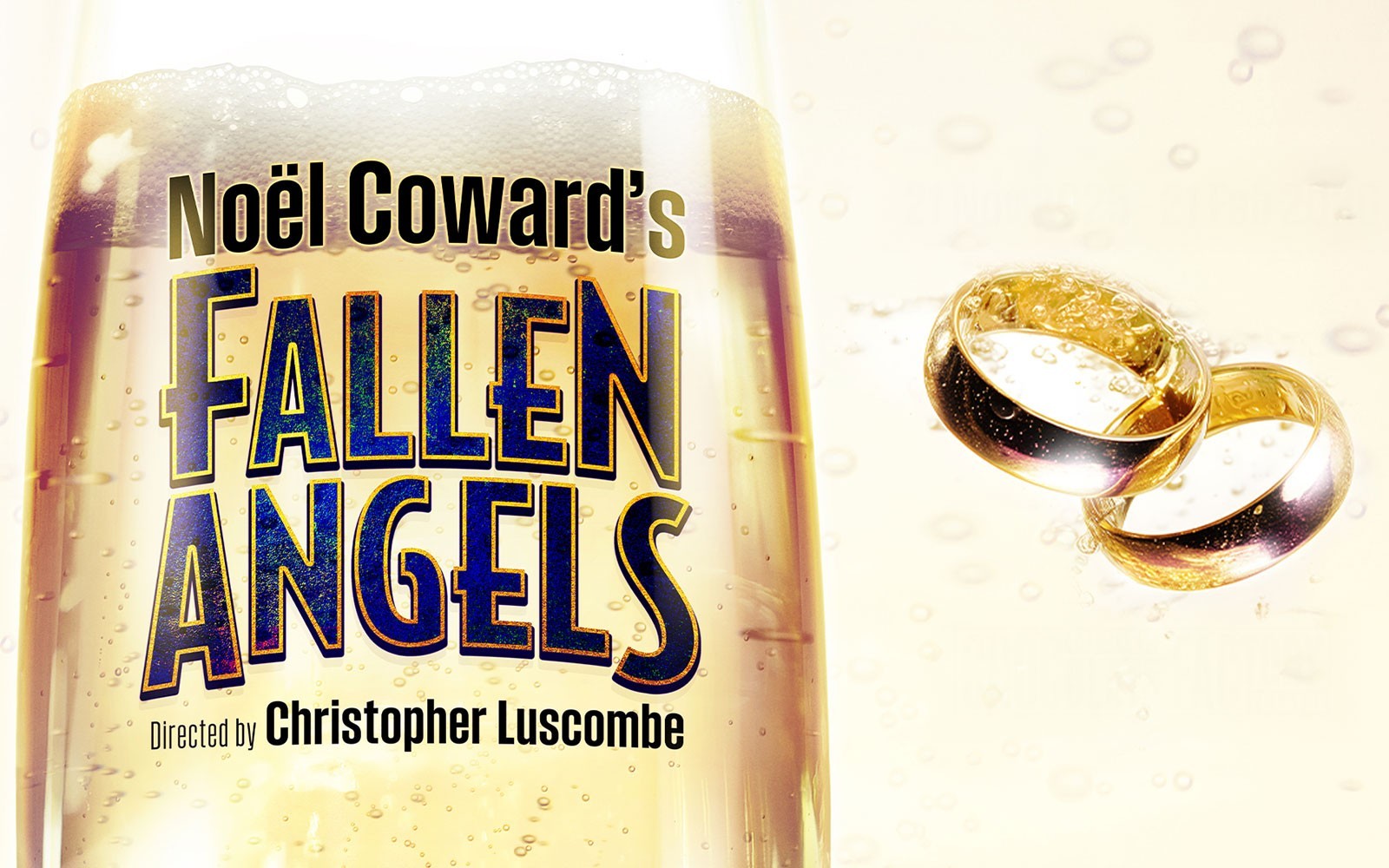
You see "Noël Coward" and you think: biting wit, champagne fizz, everything dazzle and double entendre. But walk into any London theatre and you quickly realize it takes serious craft to make sophisticated farce look so effortless. Fallen Angels remains a masterclass in precision: the right play, at the right time, in the right hands. Why do critics and audiences still get giggly about two 1920s women dithering over a Frenchman and a bottle of brandy? Here's what working the stalls (and sometimes the gods) will actually show you about Coward's secret sauce, and why the glamour of his world hides some surprisingly modern lessons about what makes perfect West End comedy tick.
What Makes Noël Coward's West End Theatre Magic Endure?
Every decade tries to claim Coward as its own, but his theatrical appeal is curiously ageless. It's not just about snappy dialogue, even though he's the king of waspish one-liners. With shows like Fallen Angels, the joy comes from watching upper-crust decorum unravel in real time: two society wives left alone, one unexpected guest, and suddenly manners are out the window faster than Moët at a weekday matinee.
Coward's genius lies in allowing characters to be hilariously self-aware while never breaking the theatrical illusion. The language sparkles, but there's vulnerability underneath. That's a big reason modern directors keep reviving these works: you can feel the characters squirm in their moral panic, yet every moment feels honest, even when it's absurd.
The laughter isn't just at the jokes. It's the shared sense that, deep down, every audience has their own closet full of social blunders (and maybe a skeleton or two behind the dressing screen). Coward never punches down. He exposes the ridiculousness of keeping up appearances, and nowhere is that clearer than on a West End stage where real life can sometimes feel as performed as the action itself.
This is why Fallen Angels matters right now. At a time when theatregoers crave both laughter and a little sly critique of social pretense, Coward delivers brilliantly. Don't be fooled by the 1920s costumes: the anxieties about love, status and freedom remain evergreen. His plays remain appointment theatre for anyone who's tasted the cocktail of desire versus decorum.
Practical tip for new audiences: If you're nervous about understanding older "drawing-room comedies," don't be. The rhythm is fast but universal; think less Shakespeare, more sharp episode of a modern sitcom set in Covent Garden. Keep an ear out for the smallest physical gestures on stage: Coward directs unmistakable meaning into every sideways glance, spilled drink or unscrewed bottle cap.
Inside Fallen Angels: British Farce, Friendship and Social Commentary
Fallen Angels is classic Coward setup: two upper-middle-class wives, Julia and Jane, alone together for a weekend in London. There's an absent husband, an impending visit from a charismatic Frenchman (once a lover to both), and the slow but inevitable slide from polite tea to tipsy chaos. The play's rhythm hinges on anticipation, not just romantic but comic. Every raised eyebrow, every breath before a laugh, becomes a miniature battle between what's "appropriate" and what's deliciously not.
What most theatre guides won't tell you: the wit isn't just on paper. Directors and actors fill every silence with meaning. From the plush armchairs to the rattle of ice in the decanter, real West End productions understand Coward's world is physical, not just verbal. The audience gets let in on secrets via choreography; watch where glasses get placed, how costumes slip, who leans in during the key gossip. That sense of shared complicity with the crowd creates pure West End magic.
It's tempting to call the play surprisingly "feminist," but let's be honest: Coward was poking fun at repressed gender roles long before most playwrights even got permission to. The freedom these women crave, the games they play, serve as both a source of comedy and a mirror for real anxiety among 1920s (and 2020s) audiences. That gives the show an edge of relevance; it's fully aware that breaking the rules can delight and terrify at the same time.
Practical implications for ticket buyers? Look for directors who use movement and set design as much as dialogue. The best Fallen Angels productions are those where the audience feels like an extra character, caught between wanting decorum, and secretly hoping for absolute havoc. Matinees tend to play a tad less scandalous, while evening crowds get the full throttle of innuendo and cocktail-fuelled honesty. It's less about era, more about the energy of the audience and cast.
Sitting in the stalls lets you read facial nuances up close, but don't discount Dress Circle: you'll see every bit of comic blocking and can clock audience reactions around the house, which is half the fun. Furthermore, older venues like the Noël Coward Theatre have their quirks with sightlines (avoid extreme side seats where you'll miss key action in the drawing room corner), but this is a case where location really does enhance the theatrical experience.
The Noël Coward Theatre: Historic Elegance Meets Contemporary Performance
London's Noël Coward Theatre (originally the New Theatre) is practically its own character in any Coward revival. Its Edwardian architecture drips with old West End prestige: the gilded balconies, sweeping staircases and intimate but grand auditorium create exactly the sort of setting Coward's characters would gossip about over cocktails. Step inside from St Martin's Lane, five minutes from Leicester Square Tube, and you're in the thick of London theatre tradition and nightlife.
Theatre facilities here are mostly what you'd hope for a major West End house: plush seating in the Stalls and Dress Circle, a busy ground floor bar, and ornate boxes favoured by those who know being "seen" is half the social game. However, fair warning, some original features mean legroom is tight in bits of the Upper Circle and high Grand Circle. If you want comfort and value, Dress Circle rows A-C or Stalls centre-left tend to be the local secret. Avoid back rows of the Grand Circle unless you want to peer over the safety rail and pay £20-30 less than premium sections for the privilege.
Regarding accessibility, step-free access works best in the Stalls, and the venue offers hearing enhancement headsets. Theatregoers needing step-free routes should skip the Dress/Grand Circle entirely. There's a cloakroom (tiny but efficient) and plenty of staff who actually know their way around: worth its weight in gold when post-show crowds swamp the exits onto busy St Martin's Lane.
Here's what veteran theatre-goers (and the truly budget savvy) should know: matinees on weekdays see some excellent price dips, and returns/resale windows often open up the best Dress Circle views at a fraction of evening rates. Tuesdays and Wednesdays? You'll frequently save 15-35%, which you can happily reinvest at one of the late-night bars dotted just off Charing Cross Road.
Proximity to Chinatown and Covent Garden means instant post-show dining options, from quick bites to long, gossip-filled dinners. Classic pre-theatre haunts like J Sheekey and the Ivy are minutes away; book in advance during peak months if you want your West End tradition with a side of lobster. No strict dress code applies: you'll see everything from designer jackets to vintage flapper chic in the foyer. But if you want to lean into the show's vibe, nobody ever regretted a little extra sparkle on a Coward night.
Noël Coward's Theatre Legacy: Spotting His Influence on Modern West End Shows
Coward's blend of intellectual wit with physical comedy paved the way for generations of irreverent West End hits. You can draw a direct line from his sparkling repartee to today's twisty, self-aware comedies and, sometimes, to outright farce. For instance, The Play That Goes Wrong piles one catastrophic mishap on another, but beneath its chaos beats the same heart as Fallen Angels: a deep understanding that what's NOT said (and the tension just before disaster) can be just as funny as the punchline itself.
Then there's SIX the Musical, which refashions history with modern slang and sassy one-liners. The concept might be different, but the shared wink with the audience and love of innuendo would have Coward raising his glass in approval. Both shows use period costume to lampoon social roles, and both trust the audience to roll with a speedy, reference-packed script. If you love Coward, SIX's ability to satirize and play with genre tropes will land right in your sweet spot.
Fallen Angel's theatrical DNA shows itself most clearly in the new wave of comedies celebrating female friendship and social panic. Consider plays like contemporary comedies at Trafalgar Studios or the sly, music-driven energy of ensemble pieces where camaraderie and subversive social commentary steal the scene. Each draws on Coward by holding up a mirror to our secret foibles and inviting collective laughter, not mockery, as we recognize ourselves in the onstage chaos.
A practical note for show-goers hungry for that authentic Coward "feeling": check the West End calendar for mid-week comedy or parody plays. They often feature sharp, Coward-inspired callbacks, and the crowd is less tourist-heavy, so spontaneous audience interaction feels fresher and less self-conscious. If a director is cited as "champion of farce" or "smart ensemble comedy," you're halfway to the right night out.
Finally, don't forget that classics like The Mousetrap (also at home in mid-century drawing rooms) and even the big-hearted irreverence of The Book of Mormon are best enjoyed as a shared secret with your fellow audience members: that faint thrill of being let in on the joke remains the most Coward-esque tradition London's theatre district can offer.
Insider Tips for Your West End Coward Theatre Experience
Book evenings for the full theatrical energy: If you want maximum lively audience engagement, go for weekend or weekday evening performances. Matinees are calmer but sometimes play to a more restrained room.
Choose Dress Circle or front Stalls for Coward plays: The best view of character comedy (especially facial expressions and subtle stage business) comes from these sections at the Noël Coward Theatre. Avoid pillars at the extreme sides.
Snap up mid-week theatre tickets: Tuesday and Wednesday nights usually give you 10-15% lower prices and less crowded bars and foyers. Returns often release premium seats in the last 48 hours; check the theatre website or box office direct for surprise deals.
Arrive 25 minutes early: The Noël Coward Theatre's bars get busy. Arriving early secures you a drink and a chance to soak in the Art Deco interior. The cloakroom is on the left as you enter for a quick getaway.
Rely on step-free access only for Stalls: If mobility is a concern, book Stalls and use the accessible entrance. Dress Circle and above involve stairs only.
Dress comfortably but with theatrical flair: This is a venue where a touch of 1920s or 30s style (vintage scarf, bold lipstick, trilby) feels right at home, especially for Coward productions.
Pair your show with a late supper: Chinatown, Covent Garden and St Martin's Lane all deliver excellent post-show dining options. It's part of the complete West End experience and beats fighting for space in the bar after curtain call.
Pay attention to interval timing: Coward comedies thrive on post-interval momentum. Use the break to chat about the first act's foibles but hustle back early; some of the snappiest reveals start before everyone has their program open.
Why Coward and "Fallen Angels" Still Define West End Excellence
So, what's the real magic behind Noël Coward's enduring West End appeal? It's not just the wit, or the cocktails, or the parade of gorgeous period costumes. It's the sense that, whether it's 1925 or 2025, we're all still tripping over our secrets and laughing our way back to honesty. Fallen Angels offers more than nostalgia; it's a living lesson in how style and substance work together in London theatre.
The brilliance of Coward's theatrical legacy lies in its timeless understanding of human nature. His characters may sip champagne in drawing rooms, but their struggles with authenticity, desire, and social expectations resonate just as powerfully today. In an age of social media facades and carefully curated public personas, watching two women abandon their perfectly maintained exteriors for raw, messy honesty feels remarkably contemporary.
Want to experience Coward's theatrical world? Pick your section wisely, check for deals on those coveted Dress Circle seats, and keep an open mind (and maybe an open tab). The West End's commitment to preserving and reimagining these classics ensures that each new generation can discover why sophisticated comedy, when done right, never goes out of style. Next time you hear that rapid Coward dialogue fizzing through a West End house, you'll know: there's nothing old-fashioned about knowing exactly when to drop the mask and chase the laugh. Book your tickets, raise your glass, and prepare to fall under the spell of theatre's most enduring wit.
You see "Noël Coward" and you think: biting wit, champagne fizz, everything dazzle and double entendre. But walk into any London theatre and you quickly realize it takes serious craft to make sophisticated farce look so effortless. Fallen Angels remains a masterclass in precision: the right play, at the right time, in the right hands. Why do critics and audiences still get giggly about two 1920s women dithering over a Frenchman and a bottle of brandy? Here's what working the stalls (and sometimes the gods) will actually show you about Coward's secret sauce, and why the glamour of his world hides some surprisingly modern lessons about what makes perfect West End comedy tick.
What Makes Noël Coward's West End Theatre Magic Endure?
Every decade tries to claim Coward as its own, but his theatrical appeal is curiously ageless. It's not just about snappy dialogue, even though he's the king of waspish one-liners. With shows like Fallen Angels, the joy comes from watching upper-crust decorum unravel in real time: two society wives left alone, one unexpected guest, and suddenly manners are out the window faster than Moët at a weekday matinee.
Coward's genius lies in allowing characters to be hilariously self-aware while never breaking the theatrical illusion. The language sparkles, but there's vulnerability underneath. That's a big reason modern directors keep reviving these works: you can feel the characters squirm in their moral panic, yet every moment feels honest, even when it's absurd.
The laughter isn't just at the jokes. It's the shared sense that, deep down, every audience has their own closet full of social blunders (and maybe a skeleton or two behind the dressing screen). Coward never punches down. He exposes the ridiculousness of keeping up appearances, and nowhere is that clearer than on a West End stage where real life can sometimes feel as performed as the action itself.
This is why Fallen Angels matters right now. At a time when theatregoers crave both laughter and a little sly critique of social pretense, Coward delivers brilliantly. Don't be fooled by the 1920s costumes: the anxieties about love, status and freedom remain evergreen. His plays remain appointment theatre for anyone who's tasted the cocktail of desire versus decorum.
Practical tip for new audiences: If you're nervous about understanding older "drawing-room comedies," don't be. The rhythm is fast but universal; think less Shakespeare, more sharp episode of a modern sitcom set in Covent Garden. Keep an ear out for the smallest physical gestures on stage: Coward directs unmistakable meaning into every sideways glance, spilled drink or unscrewed bottle cap.
Inside Fallen Angels: British Farce, Friendship and Social Commentary
Fallen Angels is classic Coward setup: two upper-middle-class wives, Julia and Jane, alone together for a weekend in London. There's an absent husband, an impending visit from a charismatic Frenchman (once a lover to both), and the slow but inevitable slide from polite tea to tipsy chaos. The play's rhythm hinges on anticipation, not just romantic but comic. Every raised eyebrow, every breath before a laugh, becomes a miniature battle between what's "appropriate" and what's deliciously not.
What most theatre guides won't tell you: the wit isn't just on paper. Directors and actors fill every silence with meaning. From the plush armchairs to the rattle of ice in the decanter, real West End productions understand Coward's world is physical, not just verbal. The audience gets let in on secrets via choreography; watch where glasses get placed, how costumes slip, who leans in during the key gossip. That sense of shared complicity with the crowd creates pure West End magic.
It's tempting to call the play surprisingly "feminist," but let's be honest: Coward was poking fun at repressed gender roles long before most playwrights even got permission to. The freedom these women crave, the games they play, serve as both a source of comedy and a mirror for real anxiety among 1920s (and 2020s) audiences. That gives the show an edge of relevance; it's fully aware that breaking the rules can delight and terrify at the same time.
Practical implications for ticket buyers? Look for directors who use movement and set design as much as dialogue. The best Fallen Angels productions are those where the audience feels like an extra character, caught between wanting decorum, and secretly hoping for absolute havoc. Matinees tend to play a tad less scandalous, while evening crowds get the full throttle of innuendo and cocktail-fuelled honesty. It's less about era, more about the energy of the audience and cast.
Sitting in the stalls lets you read facial nuances up close, but don't discount Dress Circle: you'll see every bit of comic blocking and can clock audience reactions around the house, which is half the fun. Furthermore, older venues like the Noël Coward Theatre have their quirks with sightlines (avoid extreme side seats where you'll miss key action in the drawing room corner), but this is a case where location really does enhance the theatrical experience.
The Noël Coward Theatre: Historic Elegance Meets Contemporary Performance
London's Noël Coward Theatre (originally the New Theatre) is practically its own character in any Coward revival. Its Edwardian architecture drips with old West End prestige: the gilded balconies, sweeping staircases and intimate but grand auditorium create exactly the sort of setting Coward's characters would gossip about over cocktails. Step inside from St Martin's Lane, five minutes from Leicester Square Tube, and you're in the thick of London theatre tradition and nightlife.
Theatre facilities here are mostly what you'd hope for a major West End house: plush seating in the Stalls and Dress Circle, a busy ground floor bar, and ornate boxes favoured by those who know being "seen" is half the social game. However, fair warning, some original features mean legroom is tight in bits of the Upper Circle and high Grand Circle. If you want comfort and value, Dress Circle rows A-C or Stalls centre-left tend to be the local secret. Avoid back rows of the Grand Circle unless you want to peer over the safety rail and pay £20-30 less than premium sections for the privilege.
Regarding accessibility, step-free access works best in the Stalls, and the venue offers hearing enhancement headsets. Theatregoers needing step-free routes should skip the Dress/Grand Circle entirely. There's a cloakroom (tiny but efficient) and plenty of staff who actually know their way around: worth its weight in gold when post-show crowds swamp the exits onto busy St Martin's Lane.
Here's what veteran theatre-goers (and the truly budget savvy) should know: matinees on weekdays see some excellent price dips, and returns/resale windows often open up the best Dress Circle views at a fraction of evening rates. Tuesdays and Wednesdays? You'll frequently save 15-35%, which you can happily reinvest at one of the late-night bars dotted just off Charing Cross Road.
Proximity to Chinatown and Covent Garden means instant post-show dining options, from quick bites to long, gossip-filled dinners. Classic pre-theatre haunts like J Sheekey and the Ivy are minutes away; book in advance during peak months if you want your West End tradition with a side of lobster. No strict dress code applies: you'll see everything from designer jackets to vintage flapper chic in the foyer. But if you want to lean into the show's vibe, nobody ever regretted a little extra sparkle on a Coward night.
Noël Coward's Theatre Legacy: Spotting His Influence on Modern West End Shows
Coward's blend of intellectual wit with physical comedy paved the way for generations of irreverent West End hits. You can draw a direct line from his sparkling repartee to today's twisty, self-aware comedies and, sometimes, to outright farce. For instance, The Play That Goes Wrong piles one catastrophic mishap on another, but beneath its chaos beats the same heart as Fallen Angels: a deep understanding that what's NOT said (and the tension just before disaster) can be just as funny as the punchline itself.
Then there's SIX the Musical, which refashions history with modern slang and sassy one-liners. The concept might be different, but the shared wink with the audience and love of innuendo would have Coward raising his glass in approval. Both shows use period costume to lampoon social roles, and both trust the audience to roll with a speedy, reference-packed script. If you love Coward, SIX's ability to satirize and play with genre tropes will land right in your sweet spot.
Fallen Angel's theatrical DNA shows itself most clearly in the new wave of comedies celebrating female friendship and social panic. Consider plays like contemporary comedies at Trafalgar Studios or the sly, music-driven energy of ensemble pieces where camaraderie and subversive social commentary steal the scene. Each draws on Coward by holding up a mirror to our secret foibles and inviting collective laughter, not mockery, as we recognize ourselves in the onstage chaos.
A practical note for show-goers hungry for that authentic Coward "feeling": check the West End calendar for mid-week comedy or parody plays. They often feature sharp, Coward-inspired callbacks, and the crowd is less tourist-heavy, so spontaneous audience interaction feels fresher and less self-conscious. If a director is cited as "champion of farce" or "smart ensemble comedy," you're halfway to the right night out.
Finally, don't forget that classics like The Mousetrap (also at home in mid-century drawing rooms) and even the big-hearted irreverence of The Book of Mormon are best enjoyed as a shared secret with your fellow audience members: that faint thrill of being let in on the joke remains the most Coward-esque tradition London's theatre district can offer.
Insider Tips for Your West End Coward Theatre Experience
Book evenings for the full theatrical energy: If you want maximum lively audience engagement, go for weekend or weekday evening performances. Matinees are calmer but sometimes play to a more restrained room.
Choose Dress Circle or front Stalls for Coward plays: The best view of character comedy (especially facial expressions and subtle stage business) comes from these sections at the Noël Coward Theatre. Avoid pillars at the extreme sides.
Snap up mid-week theatre tickets: Tuesday and Wednesday nights usually give you 10-15% lower prices and less crowded bars and foyers. Returns often release premium seats in the last 48 hours; check the theatre website or box office direct for surprise deals.
Arrive 25 minutes early: The Noël Coward Theatre's bars get busy. Arriving early secures you a drink and a chance to soak in the Art Deco interior. The cloakroom is on the left as you enter for a quick getaway.
Rely on step-free access only for Stalls: If mobility is a concern, book Stalls and use the accessible entrance. Dress Circle and above involve stairs only.
Dress comfortably but with theatrical flair: This is a venue where a touch of 1920s or 30s style (vintage scarf, bold lipstick, trilby) feels right at home, especially for Coward productions.
Pair your show with a late supper: Chinatown, Covent Garden and St Martin's Lane all deliver excellent post-show dining options. It's part of the complete West End experience and beats fighting for space in the bar after curtain call.
Pay attention to interval timing: Coward comedies thrive on post-interval momentum. Use the break to chat about the first act's foibles but hustle back early; some of the snappiest reveals start before everyone has their program open.
Why Coward and "Fallen Angels" Still Define West End Excellence
So, what's the real magic behind Noël Coward's enduring West End appeal? It's not just the wit, or the cocktails, or the parade of gorgeous period costumes. It's the sense that, whether it's 1925 or 2025, we're all still tripping over our secrets and laughing our way back to honesty. Fallen Angels offers more than nostalgia; it's a living lesson in how style and substance work together in London theatre.
The brilliance of Coward's theatrical legacy lies in its timeless understanding of human nature. His characters may sip champagne in drawing rooms, but their struggles with authenticity, desire, and social expectations resonate just as powerfully today. In an age of social media facades and carefully curated public personas, watching two women abandon their perfectly maintained exteriors for raw, messy honesty feels remarkably contemporary.
Want to experience Coward's theatrical world? Pick your section wisely, check for deals on those coveted Dress Circle seats, and keep an open mind (and maybe an open tab). The West End's commitment to preserving and reimagining these classics ensures that each new generation can discover why sophisticated comedy, when done right, never goes out of style. Next time you hear that rapid Coward dialogue fizzing through a West End house, you'll know: there's nothing old-fashioned about knowing exactly when to drop the mask and chase the laugh. Book your tickets, raise your glass, and prepare to fall under the spell of theatre's most enduring wit.
You see "Noël Coward" and you think: biting wit, champagne fizz, everything dazzle and double entendre. But walk into any London theatre and you quickly realize it takes serious craft to make sophisticated farce look so effortless. Fallen Angels remains a masterclass in precision: the right play, at the right time, in the right hands. Why do critics and audiences still get giggly about two 1920s women dithering over a Frenchman and a bottle of brandy? Here's what working the stalls (and sometimes the gods) will actually show you about Coward's secret sauce, and why the glamour of his world hides some surprisingly modern lessons about what makes perfect West End comedy tick.
What Makes Noël Coward's West End Theatre Magic Endure?
Every decade tries to claim Coward as its own, but his theatrical appeal is curiously ageless. It's not just about snappy dialogue, even though he's the king of waspish one-liners. With shows like Fallen Angels, the joy comes from watching upper-crust decorum unravel in real time: two society wives left alone, one unexpected guest, and suddenly manners are out the window faster than Moët at a weekday matinee.
Coward's genius lies in allowing characters to be hilariously self-aware while never breaking the theatrical illusion. The language sparkles, but there's vulnerability underneath. That's a big reason modern directors keep reviving these works: you can feel the characters squirm in their moral panic, yet every moment feels honest, even when it's absurd.
The laughter isn't just at the jokes. It's the shared sense that, deep down, every audience has their own closet full of social blunders (and maybe a skeleton or two behind the dressing screen). Coward never punches down. He exposes the ridiculousness of keeping up appearances, and nowhere is that clearer than on a West End stage where real life can sometimes feel as performed as the action itself.
This is why Fallen Angels matters right now. At a time when theatregoers crave both laughter and a little sly critique of social pretense, Coward delivers brilliantly. Don't be fooled by the 1920s costumes: the anxieties about love, status and freedom remain evergreen. His plays remain appointment theatre for anyone who's tasted the cocktail of desire versus decorum.
Practical tip for new audiences: If you're nervous about understanding older "drawing-room comedies," don't be. The rhythm is fast but universal; think less Shakespeare, more sharp episode of a modern sitcom set in Covent Garden. Keep an ear out for the smallest physical gestures on stage: Coward directs unmistakable meaning into every sideways glance, spilled drink or unscrewed bottle cap.
Inside Fallen Angels: British Farce, Friendship and Social Commentary
Fallen Angels is classic Coward setup: two upper-middle-class wives, Julia and Jane, alone together for a weekend in London. There's an absent husband, an impending visit from a charismatic Frenchman (once a lover to both), and the slow but inevitable slide from polite tea to tipsy chaos. The play's rhythm hinges on anticipation, not just romantic but comic. Every raised eyebrow, every breath before a laugh, becomes a miniature battle between what's "appropriate" and what's deliciously not.
What most theatre guides won't tell you: the wit isn't just on paper. Directors and actors fill every silence with meaning. From the plush armchairs to the rattle of ice in the decanter, real West End productions understand Coward's world is physical, not just verbal. The audience gets let in on secrets via choreography; watch where glasses get placed, how costumes slip, who leans in during the key gossip. That sense of shared complicity with the crowd creates pure West End magic.
It's tempting to call the play surprisingly "feminist," but let's be honest: Coward was poking fun at repressed gender roles long before most playwrights even got permission to. The freedom these women crave, the games they play, serve as both a source of comedy and a mirror for real anxiety among 1920s (and 2020s) audiences. That gives the show an edge of relevance; it's fully aware that breaking the rules can delight and terrify at the same time.
Practical implications for ticket buyers? Look for directors who use movement and set design as much as dialogue. The best Fallen Angels productions are those where the audience feels like an extra character, caught between wanting decorum, and secretly hoping for absolute havoc. Matinees tend to play a tad less scandalous, while evening crowds get the full throttle of innuendo and cocktail-fuelled honesty. It's less about era, more about the energy of the audience and cast.
Sitting in the stalls lets you read facial nuances up close, but don't discount Dress Circle: you'll see every bit of comic blocking and can clock audience reactions around the house, which is half the fun. Furthermore, older venues like the Noël Coward Theatre have their quirks with sightlines (avoid extreme side seats where you'll miss key action in the drawing room corner), but this is a case where location really does enhance the theatrical experience.
The Noël Coward Theatre: Historic Elegance Meets Contemporary Performance
London's Noël Coward Theatre (originally the New Theatre) is practically its own character in any Coward revival. Its Edwardian architecture drips with old West End prestige: the gilded balconies, sweeping staircases and intimate but grand auditorium create exactly the sort of setting Coward's characters would gossip about over cocktails. Step inside from St Martin's Lane, five minutes from Leicester Square Tube, and you're in the thick of London theatre tradition and nightlife.
Theatre facilities here are mostly what you'd hope for a major West End house: plush seating in the Stalls and Dress Circle, a busy ground floor bar, and ornate boxes favoured by those who know being "seen" is half the social game. However, fair warning, some original features mean legroom is tight in bits of the Upper Circle and high Grand Circle. If you want comfort and value, Dress Circle rows A-C or Stalls centre-left tend to be the local secret. Avoid back rows of the Grand Circle unless you want to peer over the safety rail and pay £20-30 less than premium sections for the privilege.
Regarding accessibility, step-free access works best in the Stalls, and the venue offers hearing enhancement headsets. Theatregoers needing step-free routes should skip the Dress/Grand Circle entirely. There's a cloakroom (tiny but efficient) and plenty of staff who actually know their way around: worth its weight in gold when post-show crowds swamp the exits onto busy St Martin's Lane.
Here's what veteran theatre-goers (and the truly budget savvy) should know: matinees on weekdays see some excellent price dips, and returns/resale windows often open up the best Dress Circle views at a fraction of evening rates. Tuesdays and Wednesdays? You'll frequently save 15-35%, which you can happily reinvest at one of the late-night bars dotted just off Charing Cross Road.
Proximity to Chinatown and Covent Garden means instant post-show dining options, from quick bites to long, gossip-filled dinners. Classic pre-theatre haunts like J Sheekey and the Ivy are minutes away; book in advance during peak months if you want your West End tradition with a side of lobster. No strict dress code applies: you'll see everything from designer jackets to vintage flapper chic in the foyer. But if you want to lean into the show's vibe, nobody ever regretted a little extra sparkle on a Coward night.
Noël Coward's Theatre Legacy: Spotting His Influence on Modern West End Shows
Coward's blend of intellectual wit with physical comedy paved the way for generations of irreverent West End hits. You can draw a direct line from his sparkling repartee to today's twisty, self-aware comedies and, sometimes, to outright farce. For instance, The Play That Goes Wrong piles one catastrophic mishap on another, but beneath its chaos beats the same heart as Fallen Angels: a deep understanding that what's NOT said (and the tension just before disaster) can be just as funny as the punchline itself.
Then there's SIX the Musical, which refashions history with modern slang and sassy one-liners. The concept might be different, but the shared wink with the audience and love of innuendo would have Coward raising his glass in approval. Both shows use period costume to lampoon social roles, and both trust the audience to roll with a speedy, reference-packed script. If you love Coward, SIX's ability to satirize and play with genre tropes will land right in your sweet spot.
Fallen Angel's theatrical DNA shows itself most clearly in the new wave of comedies celebrating female friendship and social panic. Consider plays like contemporary comedies at Trafalgar Studios or the sly, music-driven energy of ensemble pieces where camaraderie and subversive social commentary steal the scene. Each draws on Coward by holding up a mirror to our secret foibles and inviting collective laughter, not mockery, as we recognize ourselves in the onstage chaos.
A practical note for show-goers hungry for that authentic Coward "feeling": check the West End calendar for mid-week comedy or parody plays. They often feature sharp, Coward-inspired callbacks, and the crowd is less tourist-heavy, so spontaneous audience interaction feels fresher and less self-conscious. If a director is cited as "champion of farce" or "smart ensemble comedy," you're halfway to the right night out.
Finally, don't forget that classics like The Mousetrap (also at home in mid-century drawing rooms) and even the big-hearted irreverence of The Book of Mormon are best enjoyed as a shared secret with your fellow audience members: that faint thrill of being let in on the joke remains the most Coward-esque tradition London's theatre district can offer.
Insider Tips for Your West End Coward Theatre Experience
Book evenings for the full theatrical energy: If you want maximum lively audience engagement, go for weekend or weekday evening performances. Matinees are calmer but sometimes play to a more restrained room.
Choose Dress Circle or front Stalls for Coward plays: The best view of character comedy (especially facial expressions and subtle stage business) comes from these sections at the Noël Coward Theatre. Avoid pillars at the extreme sides.
Snap up mid-week theatre tickets: Tuesday and Wednesday nights usually give you 10-15% lower prices and less crowded bars and foyers. Returns often release premium seats in the last 48 hours; check the theatre website or box office direct for surprise deals.
Arrive 25 minutes early: The Noël Coward Theatre's bars get busy. Arriving early secures you a drink and a chance to soak in the Art Deco interior. The cloakroom is on the left as you enter for a quick getaway.
Rely on step-free access only for Stalls: If mobility is a concern, book Stalls and use the accessible entrance. Dress Circle and above involve stairs only.
Dress comfortably but with theatrical flair: This is a venue where a touch of 1920s or 30s style (vintage scarf, bold lipstick, trilby) feels right at home, especially for Coward productions.
Pair your show with a late supper: Chinatown, Covent Garden and St Martin's Lane all deliver excellent post-show dining options. It's part of the complete West End experience and beats fighting for space in the bar after curtain call.
Pay attention to interval timing: Coward comedies thrive on post-interval momentum. Use the break to chat about the first act's foibles but hustle back early; some of the snappiest reveals start before everyone has their program open.
Why Coward and "Fallen Angels" Still Define West End Excellence
So, what's the real magic behind Noël Coward's enduring West End appeal? It's not just the wit, or the cocktails, or the parade of gorgeous period costumes. It's the sense that, whether it's 1925 or 2025, we're all still tripping over our secrets and laughing our way back to honesty. Fallen Angels offers more than nostalgia; it's a living lesson in how style and substance work together in London theatre.
The brilliance of Coward's theatrical legacy lies in its timeless understanding of human nature. His characters may sip champagne in drawing rooms, but their struggles with authenticity, desire, and social expectations resonate just as powerfully today. In an age of social media facades and carefully curated public personas, watching two women abandon their perfectly maintained exteriors for raw, messy honesty feels remarkably contemporary.
Want to experience Coward's theatrical world? Pick your section wisely, check for deals on those coveted Dress Circle seats, and keep an open mind (and maybe an open tab). The West End's commitment to preserving and reimagining these classics ensures that each new generation can discover why sophisticated comedy, when done right, never goes out of style. Next time you hear that rapid Coward dialogue fizzing through a West End house, you'll know: there's nothing old-fashioned about knowing exactly when to drop the mask and chase the laugh. Book your tickets, raise your glass, and prepare to fall under the spell of theatre's most enduring wit.
Oszd meg ezt a bejegyzést: