Behind the Scenes of High Noon: Unveiling the Stagecraft Secrets at Harold Pinter Theatre

által Carole Marks

2025. december 8.

Megosztás

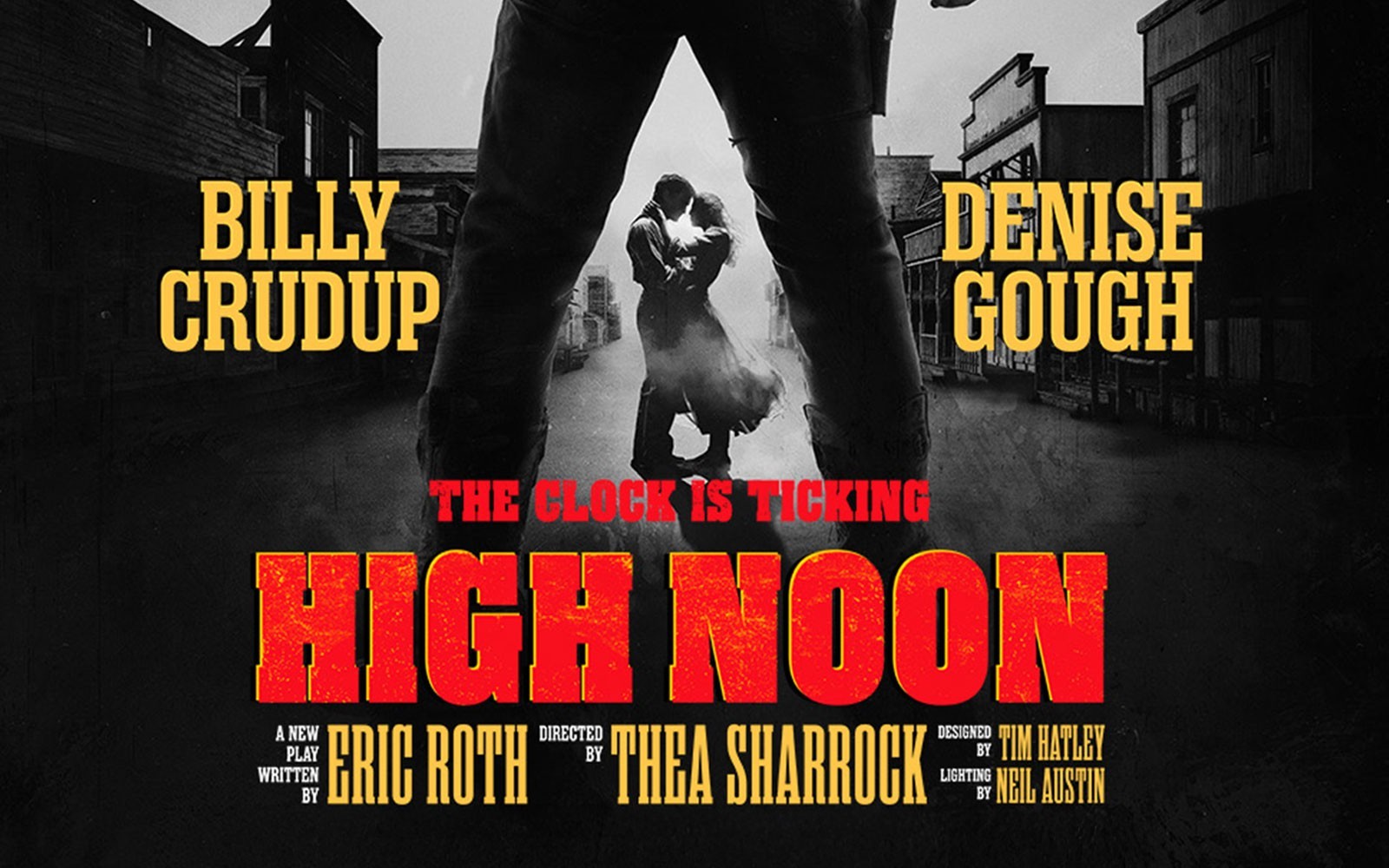
Book tickets for High Noon starring Billy Crudup and Denise Gough

Behind the Scenes of High Noon: Unveiling the Stagecraft Secrets at Harold Pinter Theatre

által Carole Marks

2025. december 8.

Megosztás

Book tickets for High Noon starring Billy Crudup and Denise Gough

Behind the Scenes of High Noon: Unveiling the Stagecraft Secrets at Harold Pinter Theatre

által Carole Marks

2025. december 8.

Megosztás

Book tickets for High Noon starring Billy Crudup and Denise Gough

Behind the Scenes of High Noon: Unveiling the Stagecraft Secrets at Harold Pinter Theatre

által Carole Marks

2025. december 8.

Megosztás

Book tickets for High Noon starring Billy Crudup and Denise Gough

Ever left a West End show feeling like you missed half the magic? You are not alone. For tense, atmospheric plays like High Noon at the Harold Pinter Theatre, the seat you pick can make or break your night. The Harold Pinter is one of London's most intimate venues, renowned for placing you up close to the drama if you know where to sit. This comprehensive guide uncovers the secrets behind the stagecraft and seating at High Noon, showing why every theatre detail matters and how you can secure the best seats for your next booking.

Why the Harold Pinter Theatre and High Noon Demand Your Attention

Let's get straight to the big question: why does the Harold Pinter Theatre, and this show in particular, get so much buzz from London theatre insiders? For starters, the entire West End is buzzing about High Noon's stark staging and nail-biting tension. This isn't a flashy musical; it is a psychological western that thrives in intimate settings. That intimacy is baked right into the Harold Pinter's design. Unlike bigger venues, there's minimal separation between the audience and the performers. The effect? You hear boots crunch across dirt, see the sweat bead on a sheriff's brow, and feel every whispered threat. Consequently, your choice of seat becomes less about price and more about perspective.

Here's what most theatre guides won't tell you: in a venue like this, the cheapest seats can miss the play's subtlety entirely. You may catch the broad storyline (the plot, some action) but lose every nuance that makes this production special. Meanwhile, booking the wrong box or being stuck behind a rail could sabotage your whole night. For a show as visually disciplined and meticulously lit as High Noon, the seat truly is half your experience. We provide an honest account of how each section handles the show's unique stagecraft, plus effective strategies to help you secure the best view for your budget.

If you are weighing up alternatives for serious drama in the West End, consider comparable plays like All My Sons or Shadowlands. Like High Noon, both prioritize atmospheric tension, stellar performances and an audience that feels part of the action. However, High Noon's western minimalism is a rare West End treat that demands a specific approach to booking tickets. Let's break down exactly how to get it right.

Stalls Seating: Where You Feel the Tension Pulse

The Stalls at the Harold Pinter Theatre are a natural choice for many theatre lovers. However, here's the insider scoop: not every Stalls seat delivers the same experience, especially for High Noon. This section puts you directly in the action, close enough to catch the smallest flicker of doubt in the lead's eyes. For a play so reliant on minimal, naturalistic lighting and those pin-drop silences, the front ten rows (A-J) are your best bet. You sit at eye-level with the performers, which makes showdowns as intense as a movie close-up.

The Harold Pinter's Stalls aren't especially raked, so shorter viewers or those in rows farther back sometimes find heads and hair blocking their view, particularly in rows M-O. Additionally, the action sometimes spills out onto the apron, and those seated too far left or right may find themselves craning their necks. Avoid the far sides if you want unobstructed sightlines. Central rows D-F offer prime viewing positions, especially for the most crucial face-offs. Be aware that Row K backwards can feel cramped if you dislike restricted legroom; this historic venue shows its age, and comfort decreases the farther back you go.

On a budget? Stalls Row O, often priced well below premium seats, delivers solid theatre acoustics, though you sacrifice some intimacy for the money saved. Given the high demand for High Noon, Stalls seats for weekend evenings are snapped up quickly, so book early or target midweek matinee performances for better pricing and availability.

For those who love compelling dramatic plays, compare this to sitting front-centre for All My Sons at Duke of York's Theatre, or catching the intense glares in Shadowlands at the Aldwych. It's the kind of pulse-thumping atmosphere you only get when the actors are right there, with nothing to hide behind.

Dress Circle: Bird's-Eye Drama and Surprising Value

Think the Dress Circle is always expensive? Actually, for the Harold Pinter, this is the overlooked gem for smart theatregoers. The Circle extends over the Stalls, providing a superb, elevated view of the entire stage. For High Noon, where set design and lighting effects carry significant weight, being up here lets you appreciate the full composition: how actors are positioned, where shadows fall, and the theatrical "frame" that director and designer work so carefully to create.

Rows A and B in the Dress Circle are excellent choices. You catch every movement and subtle expression, yet maintain enough distance to see the complete "canvas." There's no overhang obstructing views, so the stage always appears crisp and clear. For audience members who like detailed viewing but find front-row intensity overwhelming, this represents an ideal middle ground.

Unlike at some larger London venues, you won't get stuck behind unsightly bars or rails here; even the side seats have clear sightlines. However, taller patrons should note: legroom remains limited up here, so consider targeting aisle seats where possible. Price-wise, Dress Circle tickets are often 10-20% cheaper than premium Stalls, especially for midweek or matinee performances. For those wanting a similar experience, try the Dress Circle at Wyndham's for plays like Stereophonic, but expect more intimacy (less distance) at the Pinter.

Bottom line? The Dress Circle is perfect for drama enthusiasts who want close connection without sacrificing the big-picture artistry. It's also ideal for couples wanting both an immersive yet slightly detached, less overwhelming experience.

Royal Circle and Balcony: Budget Options with Limitations

The Harold Pinter's Royal Circle and compact Balcony are often where bargains lurk (and where some patrons feel most disappointed). While you'll save considerable money compared to Stalls or Dress Circle, there are clear compromises. The Royal Circle's rake improves sightlines for those in the middle, but the overhang from the Balcony above can partially obstruct your view in the final rows. If you're planning to book here, central seats in Rows A and B maintain mostly unrestricted views.

The biggest drawback? Here's the honest truth: for a production as stripped-back and detail-driven as High Noon, anything above Royal Circle Row D creates significant distance from the action. You'll see the general staging but lose the micro-expressions and subtly-lit moments that make the play exceptional. Furthermore, Balcony seating represents the traditional "budget option": cheap, yes, but acoustics can suffer, and at times, you're watching the show like a distant observer rather than experiencing it fully.

Compare this to sitting Upper Circle or Balcony for Les Misérables or The Choir of Man: big songs, powerful voices and large sets often work well from a distance, but a psychological western standoff? Not so much. These seats can work for experienced theatregoers on tight budgets, or large groups just wanting to absorb the atmosphere without focusing on every subtle detail.

One saving grace: access to the Balcony bar means interval views are quite pleasant overlooking Panton Street. Just don't expect complete immersion in the performance if you're seeking something more profound than simply being present.

The Stagecraft Secrets: Lighting, Sound and Set Design Up Close

Let's examine the production elements more closely. High Noon at the Harold Pinter is staged with precision and minimalism. There's nowhere for actors (or audience) to hide. Every spotlight, floating dust-mote and clink of a gunbelt is deliberate. The lighting design features cool whites, sharp shadows and precise pools of illumination, best appreciated from Stalls Rows D-K or Dress Circle A-B. From these positions, you see not just the cast but the intricate interplay of shadow and brightness that brings the director's vision to life.

Sound design is subtly amplified but relies heavily on the venue's natural acoustics. Unlike the overwhelming audio of Phantom of the Opera, you don't sense the show is artificially enhanced. Instead, every shuffling bootstep and anxious breath seems to reach out organically. Stalls seats up to Row O and front Dress Circle rows keep you inside that "acoustic sweet spot". Move farther back or higher up, and the emotional impact diminishes.

What about the stage design? Unlike musicals with elaborate moving parts, here the scenery is deliberately sparse. A few carefully chosen props, a weathered doorframe, lighting that handles most of the storytelling. The result? The closer you are, the more powerfully these design choices resonate. From distant seats, you risk losing the intended intimacy and mounting tension.

The directorial approach relies on audience investment. You feel placed "on trial," watching characters flinch and falter under psychological pressure. Research consistently shows that tension-heavy plays like All My Sons or Witness for the Prosecution flourish in venues that prioritise this intimacy. The Harold Pinter becomes almost part of the story itself, a silent witness to the unfolding showdown.

Expert Tips for Booking the Best High Noon Experience

  • Book as early as possible for Friday or Saturday night performances. The Harold Pinter Theatre is compact, and premium seats get reserved a month or more ahead for popular shows.

  • Target midweek matinees for improved seat availability and up to 25% lower ticket prices. These performances attract smaller crowds, increasing your chances for central seats at every price level.

  • Use official rush and lottery schemes for rare Stalls availability at reduced rates. For immediate deals, check early mornings on tickadoo as new allocations often appear overnight.

  • If you need legroom, choose aisle seats in the Stalls or Dress Circle. Avoid back-row Dress Circle or Balcony spots unless your legs are short or you're comfortable with airline-style seating.

  • Accessibility works best in the Stalls, with step-free routes from the entrance. If using a wheelchair or requiring hearing assistance, contact the venue in advance: the Pinter is accommodating, but the historic building has architectural quirks.

  • Arrive at least 25 minutes before curtain to navigate the foyer, locate your bar and coat check, and settle in comfortably. Nearby Leicester Square and Piccadilly Circus stations are a 5-minute walk; avoid crowds by timing your arrival away from rush hour.

  • Don't overspend on premium seats just because they're available. Dress Circle A/B and Stalls F-H often offer nearly identical views to front-centre premium seats, but at 10-30% less cost.

  • Hidden opportunity: Box seats at the very edge of Dress Circle are occasionally released at short notice for less than Dress Circle central seats. Slightly angled view, but excellent for solo theatregoers and last-minute bookers.

Make Your High Noon Experience Count

Choosing the right seat for High Noon at the Harold Pinter Theatre can transform your evening from merely watching a show to experiencing genuine theatrical magic. This intimate venue rewards smart ticket buyers who understand how seating affects their connection to the performance. Whether you choose the intense proximity of the Stalls, the balanced perspective of the Dress Circle, or the budget-friendly distance of the Royal Circle, knowing what each section offers helps you make an informed decision.

Remember that High Noon thrives on psychological tension and atmospheric detail that demand your full attention. The Harold Pinter Theatre's intimate design means every seat puts you closer to the action than most West End venues, but the right seat puts you in the heart of the drama. Book strategically, arrive prepared, and let this compelling western showdown unfold exactly as the creators intended: with you as an invested witness to every tense moment, whispered threat, and climactic revelation that makes great theatre unforgettable.

Ever left a West End show feeling like you missed half the magic? You are not alone. For tense, atmospheric plays like High Noon at the Harold Pinter Theatre, the seat you pick can make or break your night. The Harold Pinter is one of London's most intimate venues, renowned for placing you up close to the drama if you know where to sit. This comprehensive guide uncovers the secrets behind the stagecraft and seating at High Noon, showing why every theatre detail matters and how you can secure the best seats for your next booking.

Why the Harold Pinter Theatre and High Noon Demand Your Attention

Let's get straight to the big question: why does the Harold Pinter Theatre, and this show in particular, get so much buzz from London theatre insiders? For starters, the entire West End is buzzing about High Noon's stark staging and nail-biting tension. This isn't a flashy musical; it is a psychological western that thrives in intimate settings. That intimacy is baked right into the Harold Pinter's design. Unlike bigger venues, there's minimal separation between the audience and the performers. The effect? You hear boots crunch across dirt, see the sweat bead on a sheriff's brow, and feel every whispered threat. Consequently, your choice of seat becomes less about price and more about perspective.

Here's what most theatre guides won't tell you: in a venue like this, the cheapest seats can miss the play's subtlety entirely. You may catch the broad storyline (the plot, some action) but lose every nuance that makes this production special. Meanwhile, booking the wrong box or being stuck behind a rail could sabotage your whole night. For a show as visually disciplined and meticulously lit as High Noon, the seat truly is half your experience. We provide an honest account of how each section handles the show's unique stagecraft, plus effective strategies to help you secure the best view for your budget.

If you are weighing up alternatives for serious drama in the West End, consider comparable plays like All My Sons or Shadowlands. Like High Noon, both prioritize atmospheric tension, stellar performances and an audience that feels part of the action. However, High Noon's western minimalism is a rare West End treat that demands a specific approach to booking tickets. Let's break down exactly how to get it right.

Stalls Seating: Where You Feel the Tension Pulse

The Stalls at the Harold Pinter Theatre are a natural choice for many theatre lovers. However, here's the insider scoop: not every Stalls seat delivers the same experience, especially for High Noon. This section puts you directly in the action, close enough to catch the smallest flicker of doubt in the lead's eyes. For a play so reliant on minimal, naturalistic lighting and those pin-drop silences, the front ten rows (A-J) are your best bet. You sit at eye-level with the performers, which makes showdowns as intense as a movie close-up.

The Harold Pinter's Stalls aren't especially raked, so shorter viewers or those in rows farther back sometimes find heads and hair blocking their view, particularly in rows M-O. Additionally, the action sometimes spills out onto the apron, and those seated too far left or right may find themselves craning their necks. Avoid the far sides if you want unobstructed sightlines. Central rows D-F offer prime viewing positions, especially for the most crucial face-offs. Be aware that Row K backwards can feel cramped if you dislike restricted legroom; this historic venue shows its age, and comfort decreases the farther back you go.

On a budget? Stalls Row O, often priced well below premium seats, delivers solid theatre acoustics, though you sacrifice some intimacy for the money saved. Given the high demand for High Noon, Stalls seats for weekend evenings are snapped up quickly, so book early or target midweek matinee performances for better pricing and availability.

For those who love compelling dramatic plays, compare this to sitting front-centre for All My Sons at Duke of York's Theatre, or catching the intense glares in Shadowlands at the Aldwych. It's the kind of pulse-thumping atmosphere you only get when the actors are right there, with nothing to hide behind.

Dress Circle: Bird's-Eye Drama and Surprising Value

Think the Dress Circle is always expensive? Actually, for the Harold Pinter, this is the overlooked gem for smart theatregoers. The Circle extends over the Stalls, providing a superb, elevated view of the entire stage. For High Noon, where set design and lighting effects carry significant weight, being up here lets you appreciate the full composition: how actors are positioned, where shadows fall, and the theatrical "frame" that director and designer work so carefully to create.

Rows A and B in the Dress Circle are excellent choices. You catch every movement and subtle expression, yet maintain enough distance to see the complete "canvas." There's no overhang obstructing views, so the stage always appears crisp and clear. For audience members who like detailed viewing but find front-row intensity overwhelming, this represents an ideal middle ground.

Unlike at some larger London venues, you won't get stuck behind unsightly bars or rails here; even the side seats have clear sightlines. However, taller patrons should note: legroom remains limited up here, so consider targeting aisle seats where possible. Price-wise, Dress Circle tickets are often 10-20% cheaper than premium Stalls, especially for midweek or matinee performances. For those wanting a similar experience, try the Dress Circle at Wyndham's for plays like Stereophonic, but expect more intimacy (less distance) at the Pinter.

Bottom line? The Dress Circle is perfect for drama enthusiasts who want close connection without sacrificing the big-picture artistry. It's also ideal for couples wanting both an immersive yet slightly detached, less overwhelming experience.

Royal Circle and Balcony: Budget Options with Limitations

The Harold Pinter's Royal Circle and compact Balcony are often where bargains lurk (and where some patrons feel most disappointed). While you'll save considerable money compared to Stalls or Dress Circle, there are clear compromises. The Royal Circle's rake improves sightlines for those in the middle, but the overhang from the Balcony above can partially obstruct your view in the final rows. If you're planning to book here, central seats in Rows A and B maintain mostly unrestricted views.

The biggest drawback? Here's the honest truth: for a production as stripped-back and detail-driven as High Noon, anything above Royal Circle Row D creates significant distance from the action. You'll see the general staging but lose the micro-expressions and subtly-lit moments that make the play exceptional. Furthermore, Balcony seating represents the traditional "budget option": cheap, yes, but acoustics can suffer, and at times, you're watching the show like a distant observer rather than experiencing it fully.

Compare this to sitting Upper Circle or Balcony for Les Misérables or The Choir of Man: big songs, powerful voices and large sets often work well from a distance, but a psychological western standoff? Not so much. These seats can work for experienced theatregoers on tight budgets, or large groups just wanting to absorb the atmosphere without focusing on every subtle detail.

One saving grace: access to the Balcony bar means interval views are quite pleasant overlooking Panton Street. Just don't expect complete immersion in the performance if you're seeking something more profound than simply being present.

The Stagecraft Secrets: Lighting, Sound and Set Design Up Close

Let's examine the production elements more closely. High Noon at the Harold Pinter is staged with precision and minimalism. There's nowhere for actors (or audience) to hide. Every spotlight, floating dust-mote and clink of a gunbelt is deliberate. The lighting design features cool whites, sharp shadows and precise pools of illumination, best appreciated from Stalls Rows D-K or Dress Circle A-B. From these positions, you see not just the cast but the intricate interplay of shadow and brightness that brings the director's vision to life.

Sound design is subtly amplified but relies heavily on the venue's natural acoustics. Unlike the overwhelming audio of Phantom of the Opera, you don't sense the show is artificially enhanced. Instead, every shuffling bootstep and anxious breath seems to reach out organically. Stalls seats up to Row O and front Dress Circle rows keep you inside that "acoustic sweet spot". Move farther back or higher up, and the emotional impact diminishes.

What about the stage design? Unlike musicals with elaborate moving parts, here the scenery is deliberately sparse. A few carefully chosen props, a weathered doorframe, lighting that handles most of the storytelling. The result? The closer you are, the more powerfully these design choices resonate. From distant seats, you risk losing the intended intimacy and mounting tension.

The directorial approach relies on audience investment. You feel placed "on trial," watching characters flinch and falter under psychological pressure. Research consistently shows that tension-heavy plays like All My Sons or Witness for the Prosecution flourish in venues that prioritise this intimacy. The Harold Pinter becomes almost part of the story itself, a silent witness to the unfolding showdown.

Expert Tips for Booking the Best High Noon Experience

  • Book as early as possible for Friday or Saturday night performances. The Harold Pinter Theatre is compact, and premium seats get reserved a month or more ahead for popular shows.

  • Target midweek matinees for improved seat availability and up to 25% lower ticket prices. These performances attract smaller crowds, increasing your chances for central seats at every price level.

  • Use official rush and lottery schemes for rare Stalls availability at reduced rates. For immediate deals, check early mornings on tickadoo as new allocations often appear overnight.

  • If you need legroom, choose aisle seats in the Stalls or Dress Circle. Avoid back-row Dress Circle or Balcony spots unless your legs are short or you're comfortable with airline-style seating.

  • Accessibility works best in the Stalls, with step-free routes from the entrance. If using a wheelchair or requiring hearing assistance, contact the venue in advance: the Pinter is accommodating, but the historic building has architectural quirks.

  • Arrive at least 25 minutes before curtain to navigate the foyer, locate your bar and coat check, and settle in comfortably. Nearby Leicester Square and Piccadilly Circus stations are a 5-minute walk; avoid crowds by timing your arrival away from rush hour.

  • Don't overspend on premium seats just because they're available. Dress Circle A/B and Stalls F-H often offer nearly identical views to front-centre premium seats, but at 10-30% less cost.

  • Hidden opportunity: Box seats at the very edge of Dress Circle are occasionally released at short notice for less than Dress Circle central seats. Slightly angled view, but excellent for solo theatregoers and last-minute bookers.

Make Your High Noon Experience Count

Choosing the right seat for High Noon at the Harold Pinter Theatre can transform your evening from merely watching a show to experiencing genuine theatrical magic. This intimate venue rewards smart ticket buyers who understand how seating affects their connection to the performance. Whether you choose the intense proximity of the Stalls, the balanced perspective of the Dress Circle, or the budget-friendly distance of the Royal Circle, knowing what each section offers helps you make an informed decision.

Remember that High Noon thrives on psychological tension and atmospheric detail that demand your full attention. The Harold Pinter Theatre's intimate design means every seat puts you closer to the action than most West End venues, but the right seat puts you in the heart of the drama. Book strategically, arrive prepared, and let this compelling western showdown unfold exactly as the creators intended: with you as an invested witness to every tense moment, whispered threat, and climactic revelation that makes great theatre unforgettable.

Ever left a West End show feeling like you missed half the magic? You are not alone. For tense, atmospheric plays like High Noon at the Harold Pinter Theatre, the seat you pick can make or break your night. The Harold Pinter is one of London's most intimate venues, renowned for placing you up close to the drama if you know where to sit. This comprehensive guide uncovers the secrets behind the stagecraft and seating at High Noon, showing why every theatre detail matters and how you can secure the best seats for your next booking.

Why the Harold Pinter Theatre and High Noon Demand Your Attention

Let's get straight to the big question: why does the Harold Pinter Theatre, and this show in particular, get so much buzz from London theatre insiders? For starters, the entire West End is buzzing about High Noon's stark staging and nail-biting tension. This isn't a flashy musical; it is a psychological western that thrives in intimate settings. That intimacy is baked right into the Harold Pinter's design. Unlike bigger venues, there's minimal separation between the audience and the performers. The effect? You hear boots crunch across dirt, see the sweat bead on a sheriff's brow, and feel every whispered threat. Consequently, your choice of seat becomes less about price and more about perspective.

Here's what most theatre guides won't tell you: in a venue like this, the cheapest seats can miss the play's subtlety entirely. You may catch the broad storyline (the plot, some action) but lose every nuance that makes this production special. Meanwhile, booking the wrong box or being stuck behind a rail could sabotage your whole night. For a show as visually disciplined and meticulously lit as High Noon, the seat truly is half your experience. We provide an honest account of how each section handles the show's unique stagecraft, plus effective strategies to help you secure the best view for your budget.

If you are weighing up alternatives for serious drama in the West End, consider comparable plays like All My Sons or Shadowlands. Like High Noon, both prioritize atmospheric tension, stellar performances and an audience that feels part of the action. However, High Noon's western minimalism is a rare West End treat that demands a specific approach to booking tickets. Let's break down exactly how to get it right.

Stalls Seating: Where You Feel the Tension Pulse

The Stalls at the Harold Pinter Theatre are a natural choice for many theatre lovers. However, here's the insider scoop: not every Stalls seat delivers the same experience, especially for High Noon. This section puts you directly in the action, close enough to catch the smallest flicker of doubt in the lead's eyes. For a play so reliant on minimal, naturalistic lighting and those pin-drop silences, the front ten rows (A-J) are your best bet. You sit at eye-level with the performers, which makes showdowns as intense as a movie close-up.

The Harold Pinter's Stalls aren't especially raked, so shorter viewers or those in rows farther back sometimes find heads and hair blocking their view, particularly in rows M-O. Additionally, the action sometimes spills out onto the apron, and those seated too far left or right may find themselves craning their necks. Avoid the far sides if you want unobstructed sightlines. Central rows D-F offer prime viewing positions, especially for the most crucial face-offs. Be aware that Row K backwards can feel cramped if you dislike restricted legroom; this historic venue shows its age, and comfort decreases the farther back you go.

On a budget? Stalls Row O, often priced well below premium seats, delivers solid theatre acoustics, though you sacrifice some intimacy for the money saved. Given the high demand for High Noon, Stalls seats for weekend evenings are snapped up quickly, so book early or target midweek matinee performances for better pricing and availability.

For those who love compelling dramatic plays, compare this to sitting front-centre for All My Sons at Duke of York's Theatre, or catching the intense glares in Shadowlands at the Aldwych. It's the kind of pulse-thumping atmosphere you only get when the actors are right there, with nothing to hide behind.

Dress Circle: Bird's-Eye Drama and Surprising Value

Think the Dress Circle is always expensive? Actually, for the Harold Pinter, this is the overlooked gem for smart theatregoers. The Circle extends over the Stalls, providing a superb, elevated view of the entire stage. For High Noon, where set design and lighting effects carry significant weight, being up here lets you appreciate the full composition: how actors are positioned, where shadows fall, and the theatrical "frame" that director and designer work so carefully to create.

Rows A and B in the Dress Circle are excellent choices. You catch every movement and subtle expression, yet maintain enough distance to see the complete "canvas." There's no overhang obstructing views, so the stage always appears crisp and clear. For audience members who like detailed viewing but find front-row intensity overwhelming, this represents an ideal middle ground.

Unlike at some larger London venues, you won't get stuck behind unsightly bars or rails here; even the side seats have clear sightlines. However, taller patrons should note: legroom remains limited up here, so consider targeting aisle seats where possible. Price-wise, Dress Circle tickets are often 10-20% cheaper than premium Stalls, especially for midweek or matinee performances. For those wanting a similar experience, try the Dress Circle at Wyndham's for plays like Stereophonic, but expect more intimacy (less distance) at the Pinter.

Bottom line? The Dress Circle is perfect for drama enthusiasts who want close connection without sacrificing the big-picture artistry. It's also ideal for couples wanting both an immersive yet slightly detached, less overwhelming experience.

Royal Circle and Balcony: Budget Options with Limitations

The Harold Pinter's Royal Circle and compact Balcony are often where bargains lurk (and where some patrons feel most disappointed). While you'll save considerable money compared to Stalls or Dress Circle, there are clear compromises. The Royal Circle's rake improves sightlines for those in the middle, but the overhang from the Balcony above can partially obstruct your view in the final rows. If you're planning to book here, central seats in Rows A and B maintain mostly unrestricted views.

The biggest drawback? Here's the honest truth: for a production as stripped-back and detail-driven as High Noon, anything above Royal Circle Row D creates significant distance from the action. You'll see the general staging but lose the micro-expressions and subtly-lit moments that make the play exceptional. Furthermore, Balcony seating represents the traditional "budget option": cheap, yes, but acoustics can suffer, and at times, you're watching the show like a distant observer rather than experiencing it fully.

Compare this to sitting Upper Circle or Balcony for Les Misérables or The Choir of Man: big songs, powerful voices and large sets often work well from a distance, but a psychological western standoff? Not so much. These seats can work for experienced theatregoers on tight budgets, or large groups just wanting to absorb the atmosphere without focusing on every subtle detail.

One saving grace: access to the Balcony bar means interval views are quite pleasant overlooking Panton Street. Just don't expect complete immersion in the performance if you're seeking something more profound than simply being present.

The Stagecraft Secrets: Lighting, Sound and Set Design Up Close

Let's examine the production elements more closely. High Noon at the Harold Pinter is staged with precision and minimalism. There's nowhere for actors (or audience) to hide. Every spotlight, floating dust-mote and clink of a gunbelt is deliberate. The lighting design features cool whites, sharp shadows and precise pools of illumination, best appreciated from Stalls Rows D-K or Dress Circle A-B. From these positions, you see not just the cast but the intricate interplay of shadow and brightness that brings the director's vision to life.

Sound design is subtly amplified but relies heavily on the venue's natural acoustics. Unlike the overwhelming audio of Phantom of the Opera, you don't sense the show is artificially enhanced. Instead, every shuffling bootstep and anxious breath seems to reach out organically. Stalls seats up to Row O and front Dress Circle rows keep you inside that "acoustic sweet spot". Move farther back or higher up, and the emotional impact diminishes.

What about the stage design? Unlike musicals with elaborate moving parts, here the scenery is deliberately sparse. A few carefully chosen props, a weathered doorframe, lighting that handles most of the storytelling. The result? The closer you are, the more powerfully these design choices resonate. From distant seats, you risk losing the intended intimacy and mounting tension.

The directorial approach relies on audience investment. You feel placed "on trial," watching characters flinch and falter under psychological pressure. Research consistently shows that tension-heavy plays like All My Sons or Witness for the Prosecution flourish in venues that prioritise this intimacy. The Harold Pinter becomes almost part of the story itself, a silent witness to the unfolding showdown.

Expert Tips for Booking the Best High Noon Experience

  • Book as early as possible for Friday or Saturday night performances. The Harold Pinter Theatre is compact, and premium seats get reserved a month or more ahead for popular shows.

  • Target midweek matinees for improved seat availability and up to 25% lower ticket prices. These performances attract smaller crowds, increasing your chances for central seats at every price level.

  • Use official rush and lottery schemes for rare Stalls availability at reduced rates. For immediate deals, check early mornings on tickadoo as new allocations often appear overnight.

  • If you need legroom, choose aisle seats in the Stalls or Dress Circle. Avoid back-row Dress Circle or Balcony spots unless your legs are short or you're comfortable with airline-style seating.

  • Accessibility works best in the Stalls, with step-free routes from the entrance. If using a wheelchair or requiring hearing assistance, contact the venue in advance: the Pinter is accommodating, but the historic building has architectural quirks.

  • Arrive at least 25 minutes before curtain to navigate the foyer, locate your bar and coat check, and settle in comfortably. Nearby Leicester Square and Piccadilly Circus stations are a 5-minute walk; avoid crowds by timing your arrival away from rush hour.

  • Don't overspend on premium seats just because they're available. Dress Circle A/B and Stalls F-H often offer nearly identical views to front-centre premium seats, but at 10-30% less cost.

  • Hidden opportunity: Box seats at the very edge of Dress Circle are occasionally released at short notice for less than Dress Circle central seats. Slightly angled view, but excellent for solo theatregoers and last-minute bookers.

Make Your High Noon Experience Count

Choosing the right seat for High Noon at the Harold Pinter Theatre can transform your evening from merely watching a show to experiencing genuine theatrical magic. This intimate venue rewards smart ticket buyers who understand how seating affects their connection to the performance. Whether you choose the intense proximity of the Stalls, the balanced perspective of the Dress Circle, or the budget-friendly distance of the Royal Circle, knowing what each section offers helps you make an informed decision.

Remember that High Noon thrives on psychological tension and atmospheric detail that demand your full attention. The Harold Pinter Theatre's intimate design means every seat puts you closer to the action than most West End venues, but the right seat puts you in the heart of the drama. Book strategically, arrive prepared, and let this compelling western showdown unfold exactly as the creators intended: with you as an invested witness to every tense moment, whispered threat, and climactic revelation that makes great theatre unforgettable.

Oszd meg ezt a bejegyzést:

Oszd meg ezt a bejegyzést: