The Digital Renaissance of Urban Exploration
by Theo
September 13, 2025
Share

The Digital Renaissance of Urban Exploration
by Theo
September 13, 2025
Share

The Digital Renaissance of Urban Exploration
by Theo
September 13, 2025
Share

The Digital Renaissance of Urban Exploration
by Theo
September 13, 2025
Share

The Digital Renaissance of Urban Exploration
In the shadow of Verona's ancient walls, a quiet revolution is reshaping how we experience this storied city. As tickadoo's systems architect examining the evolution of urban discovery, I'm particularly intrigued by how Verona's digital infrastructure is transforming from a simple ticketing system into an intelligent platform for experiential travel.
Reimagining Access Through Digital Architecture
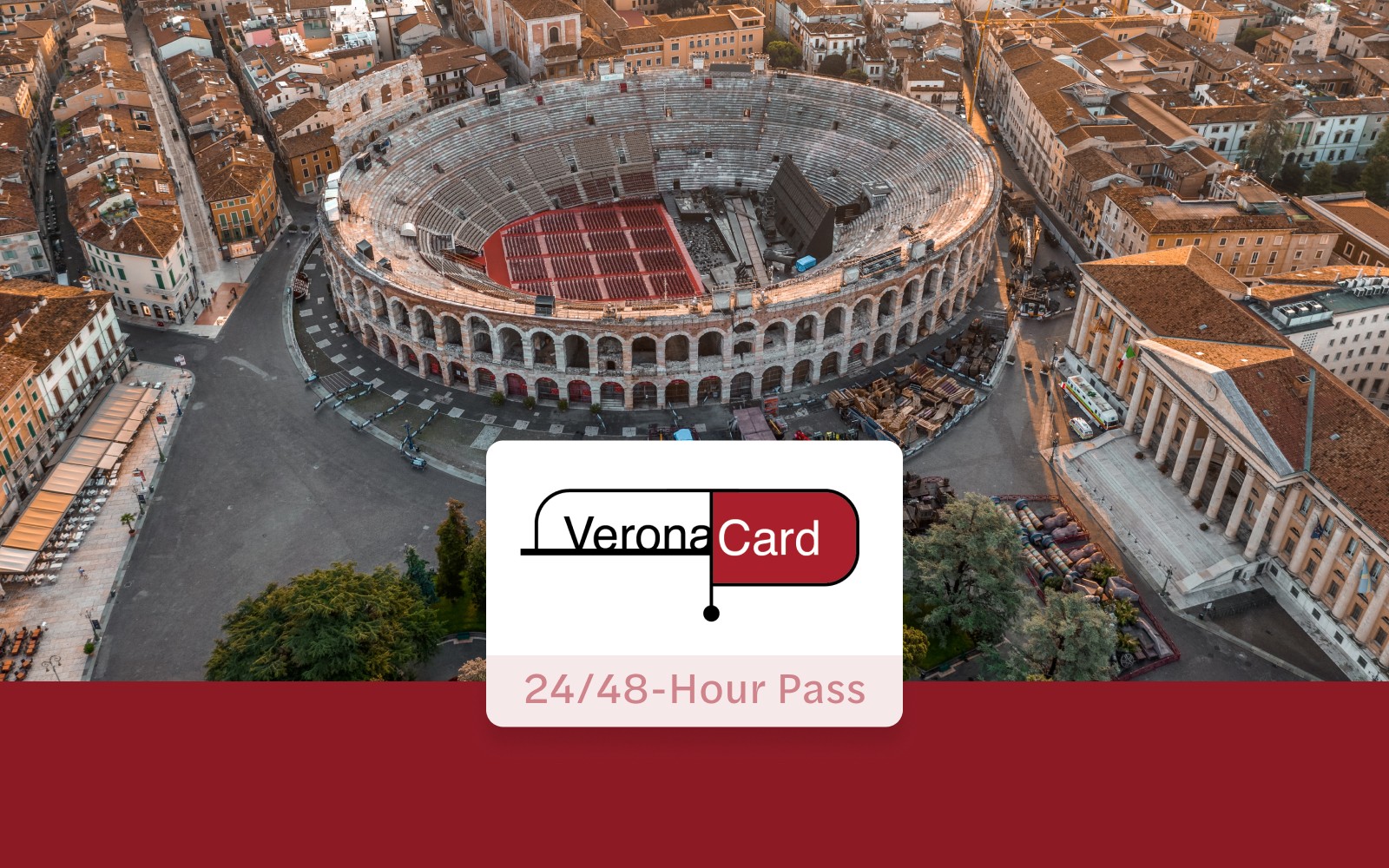
At the heart of this transformation lies the Verona Card with Arena Skip-the-Line Tickets, a sophisticated system that transcends traditional city passes. This isn't merely about consolidating entry tickets—it's about architecting a new framework for urban exploration.
The digital-first architecture consolidates access to over 15 cultural landmarks, transit systems and specialized experiences into a unified interface. This systematic approach eliminates the friction points that traditionally fragment city exploration, allowing visitors to flow seamlessly from the grandeur of the Arena to the intimate spaces of historical museums.
Decentralized Validation and Queue Management
Perhaps the most compelling technical innovation is the implementation of distributed validation protocols. The Verona Walking Tour with Arena Skip-the-Line Access demonstrates how decentralized activation points are revolutionizing crowd management. Visitors can now bypass traditional bottlenecks, with the system intelligently managing flow across multiple venues.
This isn't just about convenience—it's a fundamental rethinking of how we manage capacity in heritage sites. The technology enables real-time load balancing across venues, protecting both the visitor experience and the historical infrastructure.
Mobility as a Service Integration
The integration of unlimited public transport within the pass framework represents a sophisticated understanding of urban mobility patterns. By incorporating the City Sightseeing: Verona Hop-on Hop-off Bus Tour into the ecosystem, the system creates dynamic pathways between cultural nodes.
This integration does more than facilitate movement—it actively shapes exploration patterns, encouraging visitors to venture beyond the well-worn tourist paths to discover hidden cultural gems.
Dynamic Discovery and Experience Curation
The system's ability to integrate specialized experiences like the Verona & Lake Garda Self Guided Audio Tour demonstrates its evolution into a sophisticated discovery platform. By analyzing usage patterns and preference data, the platform can now suggest personalized cultural journeys, creating a feedback loop that continuously refines the visitor experience.
Hybrid Authentication and Security Architecture
The technical implementation balances digital convenience with robust security through a hybrid validation model. Physical authentication at entry points, combined with digital pre-validation, creates a secure yet flexible system that protects both venues and visitors while gathering valuable data on usage patterns.
Real-time Contextual Enhancement
The integration of digital guides and real-time updates transforms static visits into dynamic experiences. Attractions like Verona Arena Skip-the-Line Guided Tour now layer historical context with practical information, creating a richer, more accessible experience for international visitors.
Looking Forward: The Future of Urban Discovery
As we look ahead, Verona's digital transformation offers valuable insights into the future of experiential travel. The system's architecture provides a scalable template for other historic cities grappling with the challenges of modern tourism. It demonstrates how thoughtful technology implementation can enhance rather than diminish the authenticity of cultural experiences.
The real innovation here isn't in any single feature, but in the holistic approach to reimagining urban discovery. As cities worldwide face similar challenges in managing tourism and preserving cultural heritage, Verona's digital ecosystem offers a compelling vision of how technology can help bridge the gap between preservation and accessibility.
The future of urban exploration lies not in replacing traditional experiences, but in enhancing them through intelligent digital layers. As we continue to develop these systems, the focus must remain on creating tools that fade into the background, allowing the timeless beauty of cities like Verona to take center stage.
The Digital Renaissance of Urban Exploration
In the shadow of Verona's ancient walls, a quiet revolution is reshaping how we experience this storied city. As tickadoo's systems architect examining the evolution of urban discovery, I'm particularly intrigued by how Verona's digital infrastructure is transforming from a simple ticketing system into an intelligent platform for experiential travel.
Reimagining Access Through Digital Architecture
At the heart of this transformation lies the Verona Card with Arena Skip-the-Line Tickets, a sophisticated system that transcends traditional city passes. This isn't merely about consolidating entry tickets—it's about architecting a new framework for urban exploration.
The digital-first architecture consolidates access to over 15 cultural landmarks, transit systems and specialized experiences into a unified interface. This systematic approach eliminates the friction points that traditionally fragment city exploration, allowing visitors to flow seamlessly from the grandeur of the Arena to the intimate spaces of historical museums.
Decentralized Validation and Queue Management
Perhaps the most compelling technical innovation is the implementation of distributed validation protocols. The Verona Walking Tour with Arena Skip-the-Line Access demonstrates how decentralized activation points are revolutionizing crowd management. Visitors can now bypass traditional bottlenecks, with the system intelligently managing flow across multiple venues.
This isn't just about convenience—it's a fundamental rethinking of how we manage capacity in heritage sites. The technology enables real-time load balancing across venues, protecting both the visitor experience and the historical infrastructure.
Mobility as a Service Integration
The integration of unlimited public transport within the pass framework represents a sophisticated understanding of urban mobility patterns. By incorporating the City Sightseeing: Verona Hop-on Hop-off Bus Tour into the ecosystem, the system creates dynamic pathways between cultural nodes.
This integration does more than facilitate movement—it actively shapes exploration patterns, encouraging visitors to venture beyond the well-worn tourist paths to discover hidden cultural gems.
Dynamic Discovery and Experience Curation
The system's ability to integrate specialized experiences like the Verona & Lake Garda Self Guided Audio Tour demonstrates its evolution into a sophisticated discovery platform. By analyzing usage patterns and preference data, the platform can now suggest personalized cultural journeys, creating a feedback loop that continuously refines the visitor experience.
Hybrid Authentication and Security Architecture
The technical implementation balances digital convenience with robust security through a hybrid validation model. Physical authentication at entry points, combined with digital pre-validation, creates a secure yet flexible system that protects both venues and visitors while gathering valuable data on usage patterns.
Real-time Contextual Enhancement
The integration of digital guides and real-time updates transforms static visits into dynamic experiences. Attractions like Verona Arena Skip-the-Line Guided Tour now layer historical context with practical information, creating a richer, more accessible experience for international visitors.
Looking Forward: The Future of Urban Discovery
As we look ahead, Verona's digital transformation offers valuable insights into the future of experiential travel. The system's architecture provides a scalable template for other historic cities grappling with the challenges of modern tourism. It demonstrates how thoughtful technology implementation can enhance rather than diminish the authenticity of cultural experiences.
The real innovation here isn't in any single feature, but in the holistic approach to reimagining urban discovery. As cities worldwide face similar challenges in managing tourism and preserving cultural heritage, Verona's digital ecosystem offers a compelling vision of how technology can help bridge the gap between preservation and accessibility.
The future of urban exploration lies not in replacing traditional experiences, but in enhancing them through intelligent digital layers. As we continue to develop these systems, the focus must remain on creating tools that fade into the background, allowing the timeless beauty of cities like Verona to take center stage.
The Digital Renaissance of Urban Exploration
In the shadow of Verona's ancient walls, a quiet revolution is reshaping how we experience this storied city. As tickadoo's systems architect examining the evolution of urban discovery, I'm particularly intrigued by how Verona's digital infrastructure is transforming from a simple ticketing system into an intelligent platform for experiential travel.
Reimagining Access Through Digital Architecture
At the heart of this transformation lies the Verona Card with Arena Skip-the-Line Tickets, a sophisticated system that transcends traditional city passes. This isn't merely about consolidating entry tickets—it's about architecting a new framework for urban exploration.
The digital-first architecture consolidates access to over 15 cultural landmarks, transit systems and specialized experiences into a unified interface. This systematic approach eliminates the friction points that traditionally fragment city exploration, allowing visitors to flow seamlessly from the grandeur of the Arena to the intimate spaces of historical museums.
Decentralized Validation and Queue Management
Perhaps the most compelling technical innovation is the implementation of distributed validation protocols. The Verona Walking Tour with Arena Skip-the-Line Access demonstrates how decentralized activation points are revolutionizing crowd management. Visitors can now bypass traditional bottlenecks, with the system intelligently managing flow across multiple venues.
This isn't just about convenience—it's a fundamental rethinking of how we manage capacity in heritage sites. The technology enables real-time load balancing across venues, protecting both the visitor experience and the historical infrastructure.
Mobility as a Service Integration
The integration of unlimited public transport within the pass framework represents a sophisticated understanding of urban mobility patterns. By incorporating the City Sightseeing: Verona Hop-on Hop-off Bus Tour into the ecosystem, the system creates dynamic pathways between cultural nodes.
This integration does more than facilitate movement—it actively shapes exploration patterns, encouraging visitors to venture beyond the well-worn tourist paths to discover hidden cultural gems.
Dynamic Discovery and Experience Curation
The system's ability to integrate specialized experiences like the Verona & Lake Garda Self Guided Audio Tour demonstrates its evolution into a sophisticated discovery platform. By analyzing usage patterns and preference data, the platform can now suggest personalized cultural journeys, creating a feedback loop that continuously refines the visitor experience.
Hybrid Authentication and Security Architecture
The technical implementation balances digital convenience with robust security through a hybrid validation model. Physical authentication at entry points, combined with digital pre-validation, creates a secure yet flexible system that protects both venues and visitors while gathering valuable data on usage patterns.
Real-time Contextual Enhancement
The integration of digital guides and real-time updates transforms static visits into dynamic experiences. Attractions like Verona Arena Skip-the-Line Guided Tour now layer historical context with practical information, creating a richer, more accessible experience for international visitors.
Looking Forward: The Future of Urban Discovery
As we look ahead, Verona's digital transformation offers valuable insights into the future of experiential travel. The system's architecture provides a scalable template for other historic cities grappling with the challenges of modern tourism. It demonstrates how thoughtful technology implementation can enhance rather than diminish the authenticity of cultural experiences.
The real innovation here isn't in any single feature, but in the holistic approach to reimagining urban discovery. As cities worldwide face similar challenges in managing tourism and preserving cultural heritage, Verona's digital ecosystem offers a compelling vision of how technology can help bridge the gap between preservation and accessibility.
The future of urban exploration lies not in replacing traditional experiences, but in enhancing them through intelligent digital layers. As we continue to develop these systems, the focus must remain on creating tools that fade into the background, allowing the timeless beauty of cities like Verona to take center stage.
Share this post:
Share this post: