Beyond the Stage: Theatre-Adjacent Experiences in London

by Amelia Clarke

January 29, 2026

Share

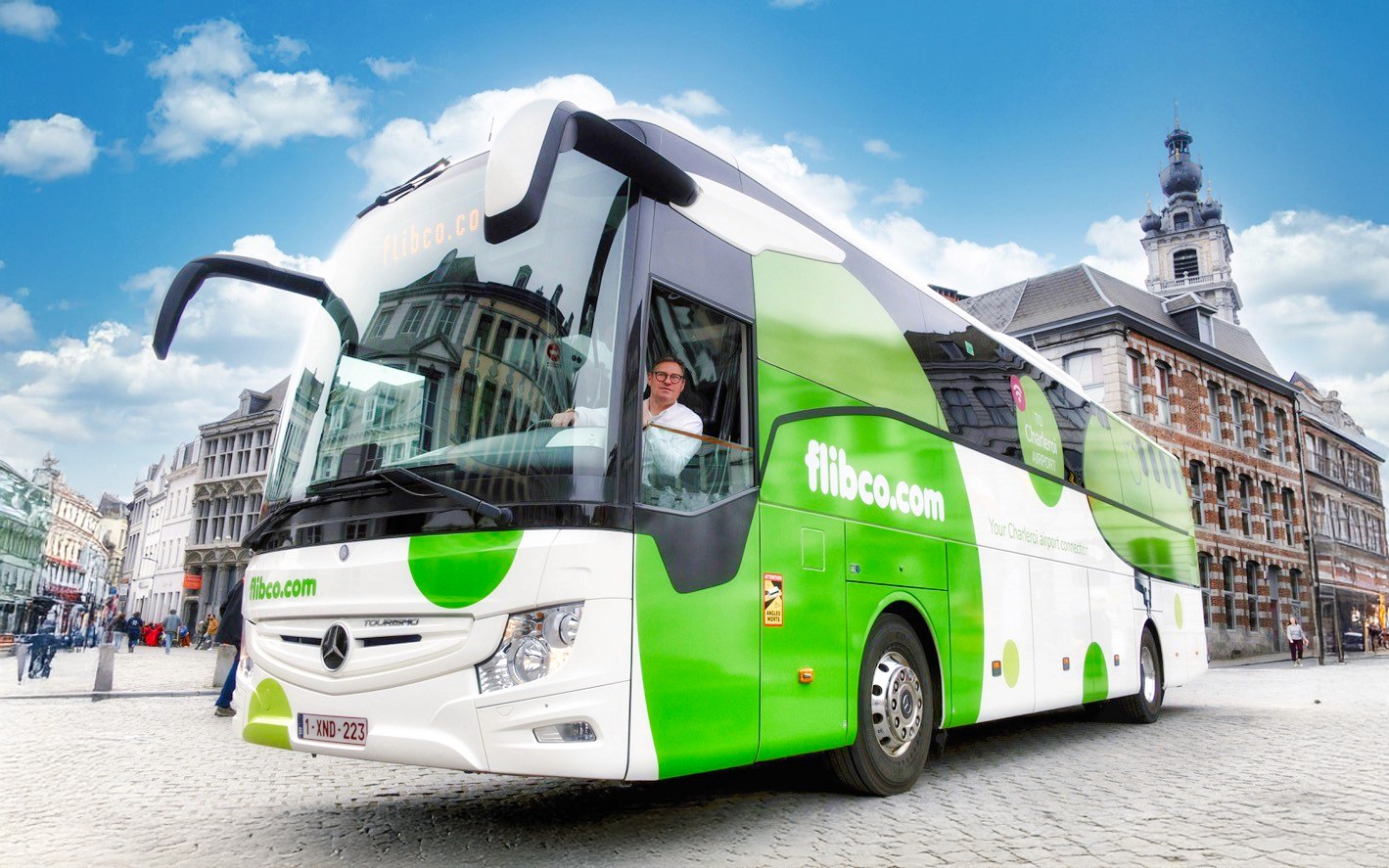
Flibco airport transfer bus in a European city square.

Beyond the Stage: Theatre-Adjacent Experiences in London

by Amelia Clarke

January 29, 2026

Share

Flibco airport transfer bus in a European city square.

Beyond the Stage: Theatre-Adjacent Experiences in London

by Amelia Clarke

January 29, 2026

Share

Flibco airport transfer bus in a European city square.

Beyond the Stage: Theatre-Adjacent Experiences in London

by Amelia Clarke

January 29, 2026

Share

Flibco airport transfer bus in a European city square.

The West End Is More Than Just the Show

Watching a West End show is brilliant, but if that is all you do, you are missing half the magic. London's Theatreland is an entire ecosystem of experiences that surround and support the shows themselves — from stage door encounters to backstage tours, from specialist shops to themed experiences that bring the world of theatre to life. These extras turn a night at the theatre into a deep dive into one of the world's greatest entertainment cultures.

The best part is that most of these experiences are free or very affordable. They require nothing more than a bit of curiosity and a willingness to explore beyond the main entrance.

The Stage Door Experience

After almost every West End performance, the cast will come out of the stage door to meet fans, sign programmes, and take photos. This is one of the most special and underrated experiences in London theatre. The stage door is usually around the side or back of the theatre — look for the modest door with a small crowd gathered outside. Arrive within five to fifteen minutes of the final curtain call, be polite and patient, and you will almost certainly meet at least some of the cast.

There is a lovely etiquette to stage door visits. Have your programme ready if you want an autograph. Do not block the pavement or crowd the actors. A simple thank you and a compliment about their performance goes a long way. Most performers genuinely enjoy meeting their audience, and a brief, warm exchange is one of those moments that stays with you long after the show has faded from memory.

Theatre Tours and Behind-the-Scenes Access

Several West End theatres offer guided tours that take you behind the scenes to explore areas the public never normally sees. The Theatre Royal Drury Lane has one of the best — the building dates back to 1663, and the tour covers everything from the royal box to the underground passages. Some tours include ghost stories, because naturally a building that old has a few spectral residents.

The National Theatre on the South Bank runs excellent backstage tours that show you how their massive productions come together — the paint workshops, the prop stores, the flying systems. It is fascinating even if you are not a theatre obsessive. For a different perspective, walking tours of Theatreland cover the history, architecture, and gossip of the district. Several companies run these, and they are a wonderful way to understand the world that exists around the shows themselves.

Shops, Cafés, and Theatre Culture

Dress Circle on Monmouth Street is a legendary theatre shop selling cast recordings, memorabilia, and gifts for anyone who loves musicals. Samuel French on Fitzroy Street is the world's most famous theatrical bookshop, stocking scripts and plays from every era. Both are perfect for finding a unique gift or a souvenir of your theatre trip.

The cafés and bars around London's theatre district are part of the culture too. Many have theatrical heritage — Joe Allen on Burleigh Street has walls covered with posters of shows that flopped, which is a brilliantly irreverent tradition. Visiting these spots before or after a show connects you to the broader world of London theatre in a way that simply watching a performance cannot.

The West End Is More Than Just the Show

Watching a West End show is brilliant, but if that is all you do, you are missing half the magic. London's Theatreland is an entire ecosystem of experiences that surround and support the shows themselves — from stage door encounters to backstage tours, from specialist shops to themed experiences that bring the world of theatre to life. These extras turn a night at the theatre into a deep dive into one of the world's greatest entertainment cultures.

The best part is that most of these experiences are free or very affordable. They require nothing more than a bit of curiosity and a willingness to explore beyond the main entrance.

The Stage Door Experience

After almost every West End performance, the cast will come out of the stage door to meet fans, sign programmes, and take photos. This is one of the most special and underrated experiences in London theatre. The stage door is usually around the side or back of the theatre — look for the modest door with a small crowd gathered outside. Arrive within five to fifteen minutes of the final curtain call, be polite and patient, and you will almost certainly meet at least some of the cast.

There is a lovely etiquette to stage door visits. Have your programme ready if you want an autograph. Do not block the pavement or crowd the actors. A simple thank you and a compliment about their performance goes a long way. Most performers genuinely enjoy meeting their audience, and a brief, warm exchange is one of those moments that stays with you long after the show has faded from memory.

Theatre Tours and Behind-the-Scenes Access

Several West End theatres offer guided tours that take you behind the scenes to explore areas the public never normally sees. The Theatre Royal Drury Lane has one of the best — the building dates back to 1663, and the tour covers everything from the royal box to the underground passages. Some tours include ghost stories, because naturally a building that old has a few spectral residents.

The National Theatre on the South Bank runs excellent backstage tours that show you how their massive productions come together — the paint workshops, the prop stores, the flying systems. It is fascinating even if you are not a theatre obsessive. For a different perspective, walking tours of Theatreland cover the history, architecture, and gossip of the district. Several companies run these, and they are a wonderful way to understand the world that exists around the shows themselves.

Shops, Cafés, and Theatre Culture

Dress Circle on Monmouth Street is a legendary theatre shop selling cast recordings, memorabilia, and gifts for anyone who loves musicals. Samuel French on Fitzroy Street is the world's most famous theatrical bookshop, stocking scripts and plays from every era. Both are perfect for finding a unique gift or a souvenir of your theatre trip.

The cafés and bars around London's theatre district are part of the culture too. Many have theatrical heritage — Joe Allen on Burleigh Street has walls covered with posters of shows that flopped, which is a brilliantly irreverent tradition. Visiting these spots before or after a show connects you to the broader world of London theatre in a way that simply watching a performance cannot.

The West End Is More Than Just the Show

Watching a West End show is brilliant, but if that is all you do, you are missing half the magic. London's Theatreland is an entire ecosystem of experiences that surround and support the shows themselves — from stage door encounters to backstage tours, from specialist shops to themed experiences that bring the world of theatre to life. These extras turn a night at the theatre into a deep dive into one of the world's greatest entertainment cultures.

The best part is that most of these experiences are free or very affordable. They require nothing more than a bit of curiosity and a willingness to explore beyond the main entrance.

The Stage Door Experience

After almost every West End performance, the cast will come out of the stage door to meet fans, sign programmes, and take photos. This is one of the most special and underrated experiences in London theatre. The stage door is usually around the side or back of the theatre — look for the modest door with a small crowd gathered outside. Arrive within five to fifteen minutes of the final curtain call, be polite and patient, and you will almost certainly meet at least some of the cast.

There is a lovely etiquette to stage door visits. Have your programme ready if you want an autograph. Do not block the pavement or crowd the actors. A simple thank you and a compliment about their performance goes a long way. Most performers genuinely enjoy meeting their audience, and a brief, warm exchange is one of those moments that stays with you long after the show has faded from memory.

Theatre Tours and Behind-the-Scenes Access

Several West End theatres offer guided tours that take you behind the scenes to explore areas the public never normally sees. The Theatre Royal Drury Lane has one of the best — the building dates back to 1663, and the tour covers everything from the royal box to the underground passages. Some tours include ghost stories, because naturally a building that old has a few spectral residents.

The National Theatre on the South Bank runs excellent backstage tours that show you how their massive productions come together — the paint workshops, the prop stores, the flying systems. It is fascinating even if you are not a theatre obsessive. For a different perspective, walking tours of Theatreland cover the history, architecture, and gossip of the district. Several companies run these, and they are a wonderful way to understand the world that exists around the shows themselves.

Shops, Cafés, and Theatre Culture

Dress Circle on Monmouth Street is a legendary theatre shop selling cast recordings, memorabilia, and gifts for anyone who loves musicals. Samuel French on Fitzroy Street is the world's most famous theatrical bookshop, stocking scripts and plays from every era. Both are perfect for finding a unique gift or a souvenir of your theatre trip.

The cafés and bars around London's theatre district are part of the culture too. Many have theatrical heritage — Joe Allen on Burleigh Street has walls covered with posters of shows that flopped, which is a brilliantly irreverent tradition. Visiting these spots before or after a show connects you to the broader world of London theatre in a way that simply watching a performance cannot.

Share this post:

Share this post: