Behind the Scenes of The Producers: Secrets to a Hilarious West End Hit

by Carole Marks

December 2, 2025

Share

Unlock West End secrets with tickets to The Producers in London

Behind the Scenes of The Producers: Secrets to a Hilarious West End Hit

by Carole Marks

December 2, 2025

Share

Unlock West End secrets with tickets to The Producers in London

Behind the Scenes of The Producers: Secrets to a Hilarious West End Hit

by Carole Marks

December 2, 2025

Share

Unlock West End secrets with tickets to The Producers in London

Behind the Scenes of The Producers: Secrets to a Hilarious West End Hit

by Carole Marks

December 2, 2025

Share

Unlock West End secrets with tickets to The Producers in London

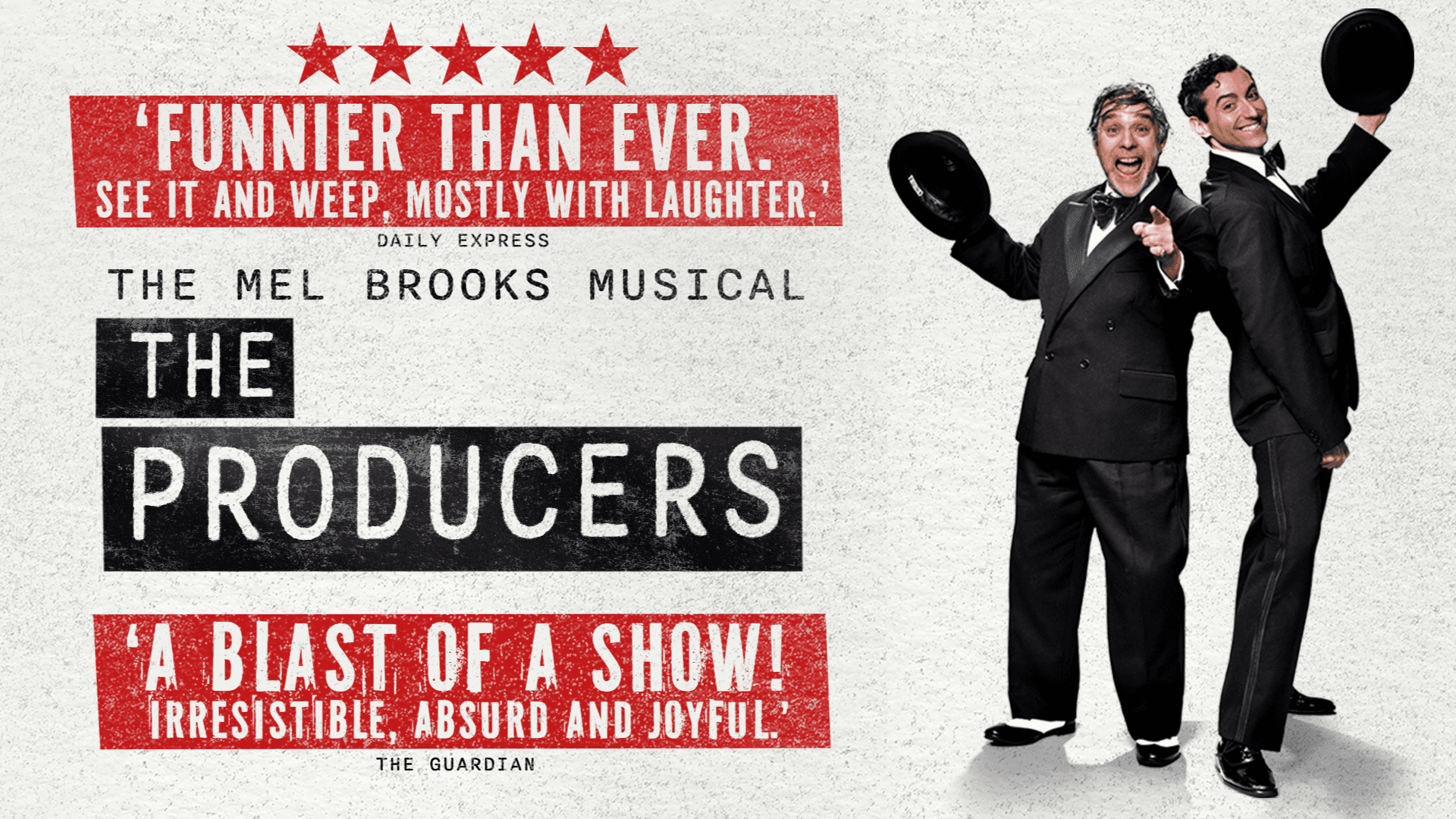
tickadoo loves a backstage secret, and the West End revival of The Producers provides a goldmine of them. It's easy to think you understand a hit musical by seeing it from the Stalls, but what really powers the success of London theatre's funniest night out? Let's throw open the wings and expose why The Producers is so much more than an onstage comedy, plus how to maximize your next trip with insider booking tips, venue hacks and show recommendations that tap into that hidden comic genius.

How Comedy Gets Engineered: The Producers' Backstage Alchemy

It's one thing to watch Mel Brooks-style chaos erupt every night, but most theatregoers underestimate how rigorously a comedy like The Producers is engineered. Each visual gag, musical sting and slapstick moment is timed not for the audience, but to sync cast, crew and even set changes like a Swiss watch. Rehearsal schedules here often look like military operations, especially as director and choreographer must calibrate comic timing with technical cues.

That's why cast warmups for The Producers aren't just tongue twisters but whole-body physical comedy drills. The choreography isn't about technical glamour; it's about getting actors to land those "laugh punches" precisely when the script demands. If you've ever wondered why the Stalls laughs seem to hit you before you realise what's funny, it's this meticulous ensemble timing.

The production's signature delirious slapstick is genuinely dangerous if cues get missed. Props are pre-set and double-checked far past opening night, from faux pigeons to the all-important "Springtime for Hitler" banners. Stage management reports for The Producers are legendary for listing not just technical cues but "joke landing zones": spots where actors must give the punchline a moment to breathe before the next scene rushes in. That's the kind of invisible engineering you'll only appreciate up close, so book seats near the front of the Stalls at the performing venue for facial reactions and split-second timing cues. Trust me, you won't view "comic chaos" the same way again.

What most audience members miss is the way this backstage discipline lets performers improvise around mishaps. Even a dropped hat or missed entrance can become a running gag if the cast stays in sync. London's comedy scene is unforgiving: fall behind the audience's sense of rhythm and your jokes die. That's why every crew member for The Producers, not just actors, gets trained in physical comedy. It's a masterclass in split-second adaptation, and a huge reason why the show delivers "fresh" laughs night after night, not just opening week.

In fact, if you want to clock the hard work, look for swing performers working the ensemble. They take on multiple roles and must memorize a chaotic array of comedy cues across scenes. Some of the most spectacularly funny moments happen when a swing jumps into an unusual role with only a minute's notice, and the rest of the cast backs them up without blinking. That group trust is part of what makes West End comedy thrive.

If you're booking tickets specifically for the stagecraft (and you should), target previews and weekday performances for a slightly rawer, higher-energy show. Sometimes you catch cast covering for each other in real time. Those are the performances real comedy nerds remember.

What Makes a West End Comedy a Hit? Lessons from The Producers

It's tempting to think all it takes for a West End smash is a famous script and glitzy choreography, but The Producers is proof that backstage culture matters just as much. Comedy in London theatre is ruthless: routines that floor you one night bomb the next if the cast's group chemistry wobbles. The Producers thrives by obsessing over ensemble trust, so that jokes don't just land; they ricochet. Watch for the way performers give each other split-second cues or allow space for a co-star's improvisation. If you see a matinee, you may spot mischievous variations that pop up only after weeks of ensemble bonding. That unpredictability is central to keeping comedy alive, especially with return visitors.

There's also a surprising discipline to how comic West End hits manage their budget. Productions like The Producers spend lavishly where it counts (costume reveals, mechanical set pieces) but are razor-sharp about running costs. Producer teams may recast more aggressively than straight plays, always hunting for new comic talent to keep the energy spiking. And since jokes fade fast, directors encourage cast to "workshop" new gags even mid-run, often in the safety of weekday performances.

The Producers also broke West End ground by attracting a mixed-age audience. Seasoned theatre fans come for Mel Brooks, but there's a cult of twenty- and thirty-somethings who return for the pure rush of live comedy. This is rare territory in London theatre, which skews older for many shows. That audience mix gives the show a spark most musical revivals lack.

Other comedies have surfed this wave, too. The Play That Goes Wrong applies a similar backstage discipline; its "calculated disasters" only work if every technical cue, door hinge and missed prop is planned to the millisecond. If you love "backstage bungling" comedy, The Play That Goes Wrong delivers the next level of meta-laughs. It's a different crowd (more family groups, ages 10+) but equally reliant on technical perfection for every pratfall. Top tip: Stalls centre, about four to eight rows from the front, give you the best combo of actor "in-jokes" and visible production mishaps.

Unlike straight dramas, West End comedy hits train for mental and physical stamina. You can't just "repeat" a performance; it has to feel reckless-but-safe, show after show. If you become a regular London theatre visitor, you'll notice the hidden "gymnasts" who keep West End comedies running at full tilt.

West End Theatre Venue Secrets: Best Seats for Comedy Shows

If you think every West End house is created equal for comedy, think again. The Producers is typically staged in classic, atmospheric venues with big orchestra pits, decent rake and some frustrating sightlines, especially in older houses. Here's what most showgoers miss: for high-comedy musicals, you actually want to sit slightly closer than usual (avoid the back rows "for the music"). The best comic moments are all about subtle expressions and lightning-quick reactions. Stalls, rows E-K, almost always deliver the magic blend of clear sound and up-close facial nuance for slapstick. If you're angling for a bargain, the front of the Dress or Royal Circle (often rows A-C) gets you above the heads yet still close to the action.

But not all venues make that easy. If you're at the Garrick Theatre or the Duchess Theatre, both classic comedy venues, the circles can curve harshly. Avoid the far side seats for The Producers or any fast-paced musical. Sightlines and quick scene shifts get lost. Grand Circles (sometimes called Upper Circles) sound like value, but comedy timing dies up there. You'll laugh a few seconds behind the crowd below. Tip: if you spot a "restricted view" for less, check the seat map. Minor obstructions rarely matter for spoken comedy but can destroy a quickfire musical joke.

Accessibility matters, too. The Stalls usually offer step-free access and are closest to the accessible toilets and bars (especially key if you don't want to miss a tightly timed interval). The Dress Circle often means a steep staircase: make that call when booking. Check if your venue offers booster seats if you're bringing kids or shorter adults for a visual-heavy comedy.

If The Producers pops up at the Theatre Royal Drury Lane (a regular venue for lavish comic musicals), be strategic. Its Stalls are famously wide, so avoid seats on the extreme sides. Centre blocks get every line and facial gag, while the sides risk echo and muffled dialogue. If you land seats in the Royal Circle, stick to rows B-D for the perfect compromise between view and legroom. The bar queues here move fast, but cloakrooms can be slow. Arrive early if you want your coat checked without missing the curtain up.

The best way to plan your London theatre logistics? Always allow extra time to navigate nearby Leicester Square or Covent Garden; queues spill out at prime dining hours. Most nearby restaurants push for pre-theatre bookings, so lock in a table in advance if you don't want to eat at the same chains as every other showgoer.

If you're looking for other current West End comedies with a similar high-wire technical precision, consider Titanique Musical or The Book of Mormon. Both blend tightly choreographed chaos with performances that thrive on crowd buzz. For Titanique, pick mid-Stalls or Dress Circle for ceaseless physical gags. For The Book of Mormon, centre Stalls (avoid row A, too close for full visuals) or Royal Circle rows B-D are your best comedy value.

Insider Tips for Booking West End Comedy Gold

  • Book Tuesday or Wednesday evenings for the cheapest seats and the freshest performances. Most mid-week shows have more energetic casts (less fatigue from double-show weekends) and lower prices in middle rows. Plus, it's when London locals with experience tend to nab their tickets.

  • Dive into seat maps. Don't blindly trust "best available." For comedy shows, use the seating plan and zoom in. Oddly shaped venues (like Garrick or Duchess) have some prime-value seats in side blocks, rows C-F, at prices often £10-20 less than dead center Stalls, but with virtually the same sightlines.

  • Check for day seats and rush tickets. The Producers and similar hits sometimes hold back great seats for same-day sales, especially on weekdays. Arrive at the box office when it opens, or use apps that release rush tickets late morning.

  • Arrive 25 minutes early and scout your route in advance. Comedy shows, especially ones with elaborate set openings (like The Producers), often have quirky latecomer policies. You might be forced to wait for a scene break, losing crucial opening laughs.

  • Accessibility is better in Stalls at most venues. Step-free entrances are nearly always through the main foyer, but double-check for older houses where you may need a side alley entrance. Most comedy-leaning venues now offer hearing loops and occasional audio descriptions; ask in advance.

  • Matinees can be wilder (in a good way). With a looser crowd and more families, some cast members riff a bit more, adding unique lines and physical gags. These are often the comic performances other shows wish they could repeat.

  • Look out for secret booth seats and quirky boxes. The "side box" seats at venues like Theatre Royal Drury Lane are sometimes released last minute and let you peek directly into the wings. For backstage comedy nerds, it's live theatre gold.

  • Check bar and loo queue times, especially before the show. Comedy audiences always flood out at interval and run long on second-half drinks. If you care about your interval, go 10 minutes before the curtain comes down.

Other West End Shows That Master Comedy Backstage Magic

London theatre is having a real comedy renaissance, with several West End hits building on the backstage wizardry we've explored. The Play That Goes Wrong at the Duchess Theatre is slapstick mayhem engineered with military precision. Every "disaster" is choreographed and the technical crews are the show's secret sauce. Crowds here are a mix of families, tourists and hardcore theatre fans eager to spot what's scripted and what's genuinely off-the-cuff. Matinees see the cast go off-script more, so book for a riskier, sometimes funnier ride.

If your taste skews toward musical comedy, Titanique Musical blends drag, satire and Titanic spectacle on a shoestring, with cast improvisation baked in. The kind of audience who loves a good "in joke" about London's theatre scene eats this up. Value Stalls or front Dress Circle seats are best for catching every eyebrow wiggle and audience whisper. Titanique's cult status means it's often packed, so booking a few weeks out is smart, especially for Friday and Saturday nights.

Don't overlook The Book of Mormon, a West End perennial. Its barrage of comic setups comes thick and fast, so prime seats are crucial: Stalls mid-centre or Royal Circle centre rows. If you only spring for cheap tickets once, do it here on a Tuesday or Wednesday night for extra energy and the least amount of tourist chatter. Expect a younger, more raucous crowd and sharp ushers who don't tolerate phone distractions.

For those who want comedy laced with musical spectacle, the upcoming Beetlejuice is a wild-card. Packed with physical gags and dazzling set pieces, Beetlejuice is for the younger crowd. Start with Stalls, first ten rows or Dress Circle A-B, for the full visual feast. This one could be the next comic classic if it keeps the tight backstage rigor that made The Producers a legend.

Finally, cabaret fans should watch for Cabaret at the Kit Kat Club. While not pure slapstick, the immersive staging means actors improvise with the crowd, often reacting to audience quirks in ways that make every night unique. For Kit Kat Club, snag cabaret table or lower Stalls seats for the up-close comedy details.

Why The Producers Reveals the Heart of West End Comedy

The backstage secrets of The Producers prove that what looks slickly funny up front takes military-grade discipline behind the curtain. Comedy on the West End is all about group chemistry, killer timing and a tech crew that works as hard as the stars. For every riotously funny show, someone behind the scenes is sweating the seconds, and you'll always spot the difference up close when you know what to look for.

If you want to get the best out of your next West End comedy experience, target the right seats, book smart and pay close attention to the details both on and offstage. The magic happens when precise backstage choreography meets spontaneous audience energy, creating those unforgettable theatrical moments that keep comedy lovers coming back to London's stages.

So next time you're watching The Producers or any West End comedy hit, remember: every perfectly timed laugh, every flawlessly executed pratfall, and every seemingly spontaneous moment of brilliance is the result of countless hours of rehearsal, technical precision, and the kind of ensemble trust that makes live theatre truly electric. Who knows? Maybe you'll spot the next cult comedy classic before the crowds do. And when you laugh, trust me, it's because an entire backstage army landed their joke right on cue.

tickadoo loves a backstage secret, and the West End revival of The Producers provides a goldmine of them. It's easy to think you understand a hit musical by seeing it from the Stalls, but what really powers the success of London theatre's funniest night out? Let's throw open the wings and expose why The Producers is so much more than an onstage comedy, plus how to maximize your next trip with insider booking tips, venue hacks and show recommendations that tap into that hidden comic genius.

How Comedy Gets Engineered: The Producers' Backstage Alchemy

It's one thing to watch Mel Brooks-style chaos erupt every night, but most theatregoers underestimate how rigorously a comedy like The Producers is engineered. Each visual gag, musical sting and slapstick moment is timed not for the audience, but to sync cast, crew and even set changes like a Swiss watch. Rehearsal schedules here often look like military operations, especially as director and choreographer must calibrate comic timing with technical cues.

That's why cast warmups for The Producers aren't just tongue twisters but whole-body physical comedy drills. The choreography isn't about technical glamour; it's about getting actors to land those "laugh punches" precisely when the script demands. If you've ever wondered why the Stalls laughs seem to hit you before you realise what's funny, it's this meticulous ensemble timing.

The production's signature delirious slapstick is genuinely dangerous if cues get missed. Props are pre-set and double-checked far past opening night, from faux pigeons to the all-important "Springtime for Hitler" banners. Stage management reports for The Producers are legendary for listing not just technical cues but "joke landing zones": spots where actors must give the punchline a moment to breathe before the next scene rushes in. That's the kind of invisible engineering you'll only appreciate up close, so book seats near the front of the Stalls at the performing venue for facial reactions and split-second timing cues. Trust me, you won't view "comic chaos" the same way again.

What most audience members miss is the way this backstage discipline lets performers improvise around mishaps. Even a dropped hat or missed entrance can become a running gag if the cast stays in sync. London's comedy scene is unforgiving: fall behind the audience's sense of rhythm and your jokes die. That's why every crew member for The Producers, not just actors, gets trained in physical comedy. It's a masterclass in split-second adaptation, and a huge reason why the show delivers "fresh" laughs night after night, not just opening week.

In fact, if you want to clock the hard work, look for swing performers working the ensemble. They take on multiple roles and must memorize a chaotic array of comedy cues across scenes. Some of the most spectacularly funny moments happen when a swing jumps into an unusual role with only a minute's notice, and the rest of the cast backs them up without blinking. That group trust is part of what makes West End comedy thrive.

If you're booking tickets specifically for the stagecraft (and you should), target previews and weekday performances for a slightly rawer, higher-energy show. Sometimes you catch cast covering for each other in real time. Those are the performances real comedy nerds remember.

What Makes a West End Comedy a Hit? Lessons from The Producers

It's tempting to think all it takes for a West End smash is a famous script and glitzy choreography, but The Producers is proof that backstage culture matters just as much. Comedy in London theatre is ruthless: routines that floor you one night bomb the next if the cast's group chemistry wobbles. The Producers thrives by obsessing over ensemble trust, so that jokes don't just land; they ricochet. Watch for the way performers give each other split-second cues or allow space for a co-star's improvisation. If you see a matinee, you may spot mischievous variations that pop up only after weeks of ensemble bonding. That unpredictability is central to keeping comedy alive, especially with return visitors.

There's also a surprising discipline to how comic West End hits manage their budget. Productions like The Producers spend lavishly where it counts (costume reveals, mechanical set pieces) but are razor-sharp about running costs. Producer teams may recast more aggressively than straight plays, always hunting for new comic talent to keep the energy spiking. And since jokes fade fast, directors encourage cast to "workshop" new gags even mid-run, often in the safety of weekday performances.

The Producers also broke West End ground by attracting a mixed-age audience. Seasoned theatre fans come for Mel Brooks, but there's a cult of twenty- and thirty-somethings who return for the pure rush of live comedy. This is rare territory in London theatre, which skews older for many shows. That audience mix gives the show a spark most musical revivals lack.

Other comedies have surfed this wave, too. The Play That Goes Wrong applies a similar backstage discipline; its "calculated disasters" only work if every technical cue, door hinge and missed prop is planned to the millisecond. If you love "backstage bungling" comedy, The Play That Goes Wrong delivers the next level of meta-laughs. It's a different crowd (more family groups, ages 10+) but equally reliant on technical perfection for every pratfall. Top tip: Stalls centre, about four to eight rows from the front, give you the best combo of actor "in-jokes" and visible production mishaps.

Unlike straight dramas, West End comedy hits train for mental and physical stamina. You can't just "repeat" a performance; it has to feel reckless-but-safe, show after show. If you become a regular London theatre visitor, you'll notice the hidden "gymnasts" who keep West End comedies running at full tilt.

West End Theatre Venue Secrets: Best Seats for Comedy Shows

If you think every West End house is created equal for comedy, think again. The Producers is typically staged in classic, atmospheric venues with big orchestra pits, decent rake and some frustrating sightlines, especially in older houses. Here's what most showgoers miss: for high-comedy musicals, you actually want to sit slightly closer than usual (avoid the back rows "for the music"). The best comic moments are all about subtle expressions and lightning-quick reactions. Stalls, rows E-K, almost always deliver the magic blend of clear sound and up-close facial nuance for slapstick. If you're angling for a bargain, the front of the Dress or Royal Circle (often rows A-C) gets you above the heads yet still close to the action.

But not all venues make that easy. If you're at the Garrick Theatre or the Duchess Theatre, both classic comedy venues, the circles can curve harshly. Avoid the far side seats for The Producers or any fast-paced musical. Sightlines and quick scene shifts get lost. Grand Circles (sometimes called Upper Circles) sound like value, but comedy timing dies up there. You'll laugh a few seconds behind the crowd below. Tip: if you spot a "restricted view" for less, check the seat map. Minor obstructions rarely matter for spoken comedy but can destroy a quickfire musical joke.

Accessibility matters, too. The Stalls usually offer step-free access and are closest to the accessible toilets and bars (especially key if you don't want to miss a tightly timed interval). The Dress Circle often means a steep staircase: make that call when booking. Check if your venue offers booster seats if you're bringing kids or shorter adults for a visual-heavy comedy.

If The Producers pops up at the Theatre Royal Drury Lane (a regular venue for lavish comic musicals), be strategic. Its Stalls are famously wide, so avoid seats on the extreme sides. Centre blocks get every line and facial gag, while the sides risk echo and muffled dialogue. If you land seats in the Royal Circle, stick to rows B-D for the perfect compromise between view and legroom. The bar queues here move fast, but cloakrooms can be slow. Arrive early if you want your coat checked without missing the curtain up.

The best way to plan your London theatre logistics? Always allow extra time to navigate nearby Leicester Square or Covent Garden; queues spill out at prime dining hours. Most nearby restaurants push for pre-theatre bookings, so lock in a table in advance if you don't want to eat at the same chains as every other showgoer.

If you're looking for other current West End comedies with a similar high-wire technical precision, consider Titanique Musical or The Book of Mormon. Both blend tightly choreographed chaos with performances that thrive on crowd buzz. For Titanique, pick mid-Stalls or Dress Circle for ceaseless physical gags. For The Book of Mormon, centre Stalls (avoid row A, too close for full visuals) or Royal Circle rows B-D are your best comedy value.

Insider Tips for Booking West End Comedy Gold

  • Book Tuesday or Wednesday evenings for the cheapest seats and the freshest performances. Most mid-week shows have more energetic casts (less fatigue from double-show weekends) and lower prices in middle rows. Plus, it's when London locals with experience tend to nab their tickets.

  • Dive into seat maps. Don't blindly trust "best available." For comedy shows, use the seating plan and zoom in. Oddly shaped venues (like Garrick or Duchess) have some prime-value seats in side blocks, rows C-F, at prices often £10-20 less than dead center Stalls, but with virtually the same sightlines.

  • Check for day seats and rush tickets. The Producers and similar hits sometimes hold back great seats for same-day sales, especially on weekdays. Arrive at the box office when it opens, or use apps that release rush tickets late morning.

  • Arrive 25 minutes early and scout your route in advance. Comedy shows, especially ones with elaborate set openings (like The Producers), often have quirky latecomer policies. You might be forced to wait for a scene break, losing crucial opening laughs.

  • Accessibility is better in Stalls at most venues. Step-free entrances are nearly always through the main foyer, but double-check for older houses where you may need a side alley entrance. Most comedy-leaning venues now offer hearing loops and occasional audio descriptions; ask in advance.

  • Matinees can be wilder (in a good way). With a looser crowd and more families, some cast members riff a bit more, adding unique lines and physical gags. These are often the comic performances other shows wish they could repeat.

  • Look out for secret booth seats and quirky boxes. The "side box" seats at venues like Theatre Royal Drury Lane are sometimes released last minute and let you peek directly into the wings. For backstage comedy nerds, it's live theatre gold.

  • Check bar and loo queue times, especially before the show. Comedy audiences always flood out at interval and run long on second-half drinks. If you care about your interval, go 10 minutes before the curtain comes down.

Other West End Shows That Master Comedy Backstage Magic

London theatre is having a real comedy renaissance, with several West End hits building on the backstage wizardry we've explored. The Play That Goes Wrong at the Duchess Theatre is slapstick mayhem engineered with military precision. Every "disaster" is choreographed and the technical crews are the show's secret sauce. Crowds here are a mix of families, tourists and hardcore theatre fans eager to spot what's scripted and what's genuinely off-the-cuff. Matinees see the cast go off-script more, so book for a riskier, sometimes funnier ride.

If your taste skews toward musical comedy, Titanique Musical blends drag, satire and Titanic spectacle on a shoestring, with cast improvisation baked in. The kind of audience who loves a good "in joke" about London's theatre scene eats this up. Value Stalls or front Dress Circle seats are best for catching every eyebrow wiggle and audience whisper. Titanique's cult status means it's often packed, so booking a few weeks out is smart, especially for Friday and Saturday nights.

Don't overlook The Book of Mormon, a West End perennial. Its barrage of comic setups comes thick and fast, so prime seats are crucial: Stalls mid-centre or Royal Circle centre rows. If you only spring for cheap tickets once, do it here on a Tuesday or Wednesday night for extra energy and the least amount of tourist chatter. Expect a younger, more raucous crowd and sharp ushers who don't tolerate phone distractions.

For those who want comedy laced with musical spectacle, the upcoming Beetlejuice is a wild-card. Packed with physical gags and dazzling set pieces, Beetlejuice is for the younger crowd. Start with Stalls, first ten rows or Dress Circle A-B, for the full visual feast. This one could be the next comic classic if it keeps the tight backstage rigor that made The Producers a legend.

Finally, cabaret fans should watch for Cabaret at the Kit Kat Club. While not pure slapstick, the immersive staging means actors improvise with the crowd, often reacting to audience quirks in ways that make every night unique. For Kit Kat Club, snag cabaret table or lower Stalls seats for the up-close comedy details.

Why The Producers Reveals the Heart of West End Comedy

The backstage secrets of The Producers prove that what looks slickly funny up front takes military-grade discipline behind the curtain. Comedy on the West End is all about group chemistry, killer timing and a tech crew that works as hard as the stars. For every riotously funny show, someone behind the scenes is sweating the seconds, and you'll always spot the difference up close when you know what to look for.

If you want to get the best out of your next West End comedy experience, target the right seats, book smart and pay close attention to the details both on and offstage. The magic happens when precise backstage choreography meets spontaneous audience energy, creating those unforgettable theatrical moments that keep comedy lovers coming back to London's stages.

So next time you're watching The Producers or any West End comedy hit, remember: every perfectly timed laugh, every flawlessly executed pratfall, and every seemingly spontaneous moment of brilliance is the result of countless hours of rehearsal, technical precision, and the kind of ensemble trust that makes live theatre truly electric. Who knows? Maybe you'll spot the next cult comedy classic before the crowds do. And when you laugh, trust me, it's because an entire backstage army landed their joke right on cue.

tickadoo loves a backstage secret, and the West End revival of The Producers provides a goldmine of them. It's easy to think you understand a hit musical by seeing it from the Stalls, but what really powers the success of London theatre's funniest night out? Let's throw open the wings and expose why The Producers is so much more than an onstage comedy, plus how to maximize your next trip with insider booking tips, venue hacks and show recommendations that tap into that hidden comic genius.

How Comedy Gets Engineered: The Producers' Backstage Alchemy

It's one thing to watch Mel Brooks-style chaos erupt every night, but most theatregoers underestimate how rigorously a comedy like The Producers is engineered. Each visual gag, musical sting and slapstick moment is timed not for the audience, but to sync cast, crew and even set changes like a Swiss watch. Rehearsal schedules here often look like military operations, especially as director and choreographer must calibrate comic timing with technical cues.

That's why cast warmups for The Producers aren't just tongue twisters but whole-body physical comedy drills. The choreography isn't about technical glamour; it's about getting actors to land those "laugh punches" precisely when the script demands. If you've ever wondered why the Stalls laughs seem to hit you before you realise what's funny, it's this meticulous ensemble timing.

The production's signature delirious slapstick is genuinely dangerous if cues get missed. Props are pre-set and double-checked far past opening night, from faux pigeons to the all-important "Springtime for Hitler" banners. Stage management reports for The Producers are legendary for listing not just technical cues but "joke landing zones": spots where actors must give the punchline a moment to breathe before the next scene rushes in. That's the kind of invisible engineering you'll only appreciate up close, so book seats near the front of the Stalls at the performing venue for facial reactions and split-second timing cues. Trust me, you won't view "comic chaos" the same way again.

What most audience members miss is the way this backstage discipline lets performers improvise around mishaps. Even a dropped hat or missed entrance can become a running gag if the cast stays in sync. London's comedy scene is unforgiving: fall behind the audience's sense of rhythm and your jokes die. That's why every crew member for The Producers, not just actors, gets trained in physical comedy. It's a masterclass in split-second adaptation, and a huge reason why the show delivers "fresh" laughs night after night, not just opening week.

In fact, if you want to clock the hard work, look for swing performers working the ensemble. They take on multiple roles and must memorize a chaotic array of comedy cues across scenes. Some of the most spectacularly funny moments happen when a swing jumps into an unusual role with only a minute's notice, and the rest of the cast backs them up without blinking. That group trust is part of what makes West End comedy thrive.

If you're booking tickets specifically for the stagecraft (and you should), target previews and weekday performances for a slightly rawer, higher-energy show. Sometimes you catch cast covering for each other in real time. Those are the performances real comedy nerds remember.

What Makes a West End Comedy a Hit? Lessons from The Producers

It's tempting to think all it takes for a West End smash is a famous script and glitzy choreography, but The Producers is proof that backstage culture matters just as much. Comedy in London theatre is ruthless: routines that floor you one night bomb the next if the cast's group chemistry wobbles. The Producers thrives by obsessing over ensemble trust, so that jokes don't just land; they ricochet. Watch for the way performers give each other split-second cues or allow space for a co-star's improvisation. If you see a matinee, you may spot mischievous variations that pop up only after weeks of ensemble bonding. That unpredictability is central to keeping comedy alive, especially with return visitors.

There's also a surprising discipline to how comic West End hits manage their budget. Productions like The Producers spend lavishly where it counts (costume reveals, mechanical set pieces) but are razor-sharp about running costs. Producer teams may recast more aggressively than straight plays, always hunting for new comic talent to keep the energy spiking. And since jokes fade fast, directors encourage cast to "workshop" new gags even mid-run, often in the safety of weekday performances.

The Producers also broke West End ground by attracting a mixed-age audience. Seasoned theatre fans come for Mel Brooks, but there's a cult of twenty- and thirty-somethings who return for the pure rush of live comedy. This is rare territory in London theatre, which skews older for many shows. That audience mix gives the show a spark most musical revivals lack.

Other comedies have surfed this wave, too. The Play That Goes Wrong applies a similar backstage discipline; its "calculated disasters" only work if every technical cue, door hinge and missed prop is planned to the millisecond. If you love "backstage bungling" comedy, The Play That Goes Wrong delivers the next level of meta-laughs. It's a different crowd (more family groups, ages 10+) but equally reliant on technical perfection for every pratfall. Top tip: Stalls centre, about four to eight rows from the front, give you the best combo of actor "in-jokes" and visible production mishaps.

Unlike straight dramas, West End comedy hits train for mental and physical stamina. You can't just "repeat" a performance; it has to feel reckless-but-safe, show after show. If you become a regular London theatre visitor, you'll notice the hidden "gymnasts" who keep West End comedies running at full tilt.

West End Theatre Venue Secrets: Best Seats for Comedy Shows

If you think every West End house is created equal for comedy, think again. The Producers is typically staged in classic, atmospheric venues with big orchestra pits, decent rake and some frustrating sightlines, especially in older houses. Here's what most showgoers miss: for high-comedy musicals, you actually want to sit slightly closer than usual (avoid the back rows "for the music"). The best comic moments are all about subtle expressions and lightning-quick reactions. Stalls, rows E-K, almost always deliver the magic blend of clear sound and up-close facial nuance for slapstick. If you're angling for a bargain, the front of the Dress or Royal Circle (often rows A-C) gets you above the heads yet still close to the action.

But not all venues make that easy. If you're at the Garrick Theatre or the Duchess Theatre, both classic comedy venues, the circles can curve harshly. Avoid the far side seats for The Producers or any fast-paced musical. Sightlines and quick scene shifts get lost. Grand Circles (sometimes called Upper Circles) sound like value, but comedy timing dies up there. You'll laugh a few seconds behind the crowd below. Tip: if you spot a "restricted view" for less, check the seat map. Minor obstructions rarely matter for spoken comedy but can destroy a quickfire musical joke.

Accessibility matters, too. The Stalls usually offer step-free access and are closest to the accessible toilets and bars (especially key if you don't want to miss a tightly timed interval). The Dress Circle often means a steep staircase: make that call when booking. Check if your venue offers booster seats if you're bringing kids or shorter adults for a visual-heavy comedy.

If The Producers pops up at the Theatre Royal Drury Lane (a regular venue for lavish comic musicals), be strategic. Its Stalls are famously wide, so avoid seats on the extreme sides. Centre blocks get every line and facial gag, while the sides risk echo and muffled dialogue. If you land seats in the Royal Circle, stick to rows B-D for the perfect compromise between view and legroom. The bar queues here move fast, but cloakrooms can be slow. Arrive early if you want your coat checked without missing the curtain up.

The best way to plan your London theatre logistics? Always allow extra time to navigate nearby Leicester Square or Covent Garden; queues spill out at prime dining hours. Most nearby restaurants push for pre-theatre bookings, so lock in a table in advance if you don't want to eat at the same chains as every other showgoer.

If you're looking for other current West End comedies with a similar high-wire technical precision, consider Titanique Musical or The Book of Mormon. Both blend tightly choreographed chaos with performances that thrive on crowd buzz. For Titanique, pick mid-Stalls or Dress Circle for ceaseless physical gags. For The Book of Mormon, centre Stalls (avoid row A, too close for full visuals) or Royal Circle rows B-D are your best comedy value.

Insider Tips for Booking West End Comedy Gold

  • Book Tuesday or Wednesday evenings for the cheapest seats and the freshest performances. Most mid-week shows have more energetic casts (less fatigue from double-show weekends) and lower prices in middle rows. Plus, it's when London locals with experience tend to nab their tickets.

  • Dive into seat maps. Don't blindly trust "best available." For comedy shows, use the seating plan and zoom in. Oddly shaped venues (like Garrick or Duchess) have some prime-value seats in side blocks, rows C-F, at prices often £10-20 less than dead center Stalls, but with virtually the same sightlines.

  • Check for day seats and rush tickets. The Producers and similar hits sometimes hold back great seats for same-day sales, especially on weekdays. Arrive at the box office when it opens, or use apps that release rush tickets late morning.

  • Arrive 25 minutes early and scout your route in advance. Comedy shows, especially ones with elaborate set openings (like The Producers), often have quirky latecomer policies. You might be forced to wait for a scene break, losing crucial opening laughs.

  • Accessibility is better in Stalls at most venues. Step-free entrances are nearly always through the main foyer, but double-check for older houses where you may need a side alley entrance. Most comedy-leaning venues now offer hearing loops and occasional audio descriptions; ask in advance.

  • Matinees can be wilder (in a good way). With a looser crowd and more families, some cast members riff a bit more, adding unique lines and physical gags. These are often the comic performances other shows wish they could repeat.

  • Look out for secret booth seats and quirky boxes. The "side box" seats at venues like Theatre Royal Drury Lane are sometimes released last minute and let you peek directly into the wings. For backstage comedy nerds, it's live theatre gold.

  • Check bar and loo queue times, especially before the show. Comedy audiences always flood out at interval and run long on second-half drinks. If you care about your interval, go 10 minutes before the curtain comes down.

Other West End Shows That Master Comedy Backstage Magic

London theatre is having a real comedy renaissance, with several West End hits building on the backstage wizardry we've explored. The Play That Goes Wrong at the Duchess Theatre is slapstick mayhem engineered with military precision. Every "disaster" is choreographed and the technical crews are the show's secret sauce. Crowds here are a mix of families, tourists and hardcore theatre fans eager to spot what's scripted and what's genuinely off-the-cuff. Matinees see the cast go off-script more, so book for a riskier, sometimes funnier ride.

If your taste skews toward musical comedy, Titanique Musical blends drag, satire and Titanic spectacle on a shoestring, with cast improvisation baked in. The kind of audience who loves a good "in joke" about London's theatre scene eats this up. Value Stalls or front Dress Circle seats are best for catching every eyebrow wiggle and audience whisper. Titanique's cult status means it's often packed, so booking a few weeks out is smart, especially for Friday and Saturday nights.

Don't overlook The Book of Mormon, a West End perennial. Its barrage of comic setups comes thick and fast, so prime seats are crucial: Stalls mid-centre or Royal Circle centre rows. If you only spring for cheap tickets once, do it here on a Tuesday or Wednesday night for extra energy and the least amount of tourist chatter. Expect a younger, more raucous crowd and sharp ushers who don't tolerate phone distractions.

For those who want comedy laced with musical spectacle, the upcoming Beetlejuice is a wild-card. Packed with physical gags and dazzling set pieces, Beetlejuice is for the younger crowd. Start with Stalls, first ten rows or Dress Circle A-B, for the full visual feast. This one could be the next comic classic if it keeps the tight backstage rigor that made The Producers a legend.

Finally, cabaret fans should watch for Cabaret at the Kit Kat Club. While not pure slapstick, the immersive staging means actors improvise with the crowd, often reacting to audience quirks in ways that make every night unique. For Kit Kat Club, snag cabaret table or lower Stalls seats for the up-close comedy details.

Why The Producers Reveals the Heart of West End Comedy

The backstage secrets of The Producers prove that what looks slickly funny up front takes military-grade discipline behind the curtain. Comedy on the West End is all about group chemistry, killer timing and a tech crew that works as hard as the stars. For every riotously funny show, someone behind the scenes is sweating the seconds, and you'll always spot the difference up close when you know what to look for.

If you want to get the best out of your next West End comedy experience, target the right seats, book smart and pay close attention to the details both on and offstage. The magic happens when precise backstage choreography meets spontaneous audience energy, creating those unforgettable theatrical moments that keep comedy lovers coming back to London's stages.

So next time you're watching The Producers or any West End comedy hit, remember: every perfectly timed laugh, every flawlessly executed pratfall, and every seemingly spontaneous moment of brilliance is the result of countless hours of rehearsal, technical precision, and the kind of ensemble trust that makes live theatre truly electric. Who knows? Maybe you'll spot the next cult comedy classic before the crowds do. And when you laugh, trust me, it's because an entire backstage army landed their joke right on cue.

Share this post:

Share this post:

Share this post: