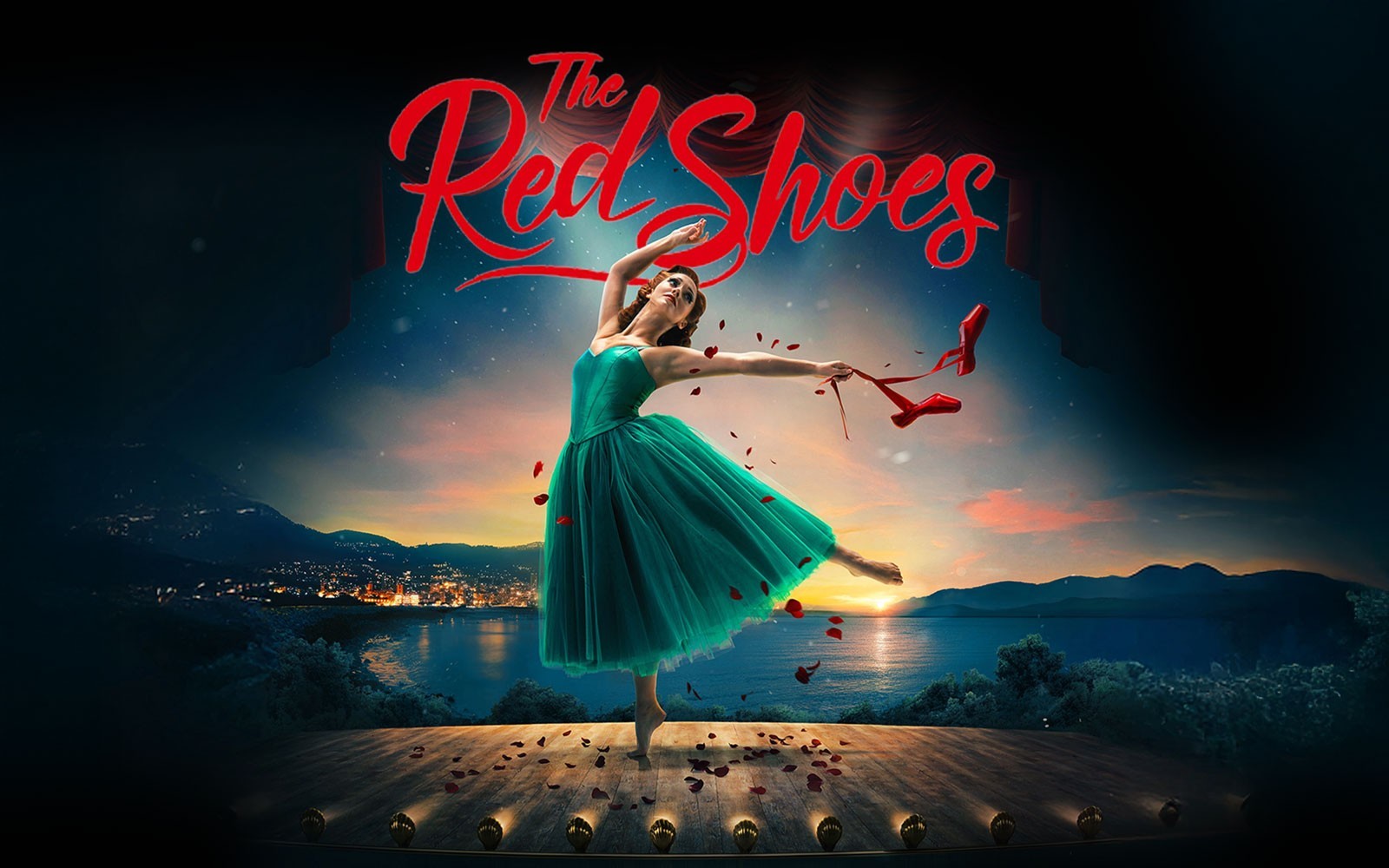
Spotlight on London: New Adventures' "The Red Shoes" Dances into 2026!
by tickadoo Editorial Team
December 12, 2025
Share

Spotlight on London: New Adventures' "The Red Shoes" Dances into 2026!
by tickadoo Editorial Team
December 12, 2025
Share

Spotlight on London: New Adventures' "The Red Shoes" Dances into 2026!
by tickadoo Editorial Team
December 12, 2025
Share

Spotlight on London: New Adventures' "The Red Shoes" Dances into 2026!
by tickadoo Editorial Team
December 12, 2025
Share

There's a reason why every savvy theatre-goer is buzzing about New Adventures' The Red Shoes returning to London for 2026: this is not just another ballet night out. If you're weighing up whether to book Red Shoes tickets, where to sit, or how to ensure your night is more electrifying than exhausting, this tickadoo guide is for you. We'll dissect why Matthew Bourne's Olivier-winning dance storytelling feels so singular, how venue quirks (especially at Sadler's Wells) shape your experience, and what any first-timer or ballet regular genuinely needs to know before splashing out. This isn't a fan letter or a press release; it's your West End insider's roadmap to getting the best tickets for The Red Shoes and actually maximising what you see on stage.
Why Matthew Bourne's The Red Shoes Is Different: Dancing at the Top of London Theatre
Let's get something straight: New Adventures does not make generic ballet. Matthew Bourne, with his knack for story-first choreography and filmic theatricality, broke the mould decades ago. If you've seen his radical Swan Lake or the cinematic staging of Cinderella, you know the hallmarks: gorgeous movement that still delivers a gut-punch of narrative clarity, haunting visuals, and a live orchestra that amplifies, not overwhelms, the drama. For The Red Shoes, Bourne adapts the Powell and Pressburger film (already a cult classic) and stitches its dark fairy-tale into dance language London critics keep calling "wickedly theatrical." It's this synthesis of fetish object (the shoes), doomed romance, and a merciless backstage world that lifts The Red Shoes above standard West End musicals, but also makes where you sit genuinely matter. Pro tip: you want seats that let you soak not just the grand stage pictures, but the emotional micro-dramas in every duet and solo.
Adding more weight: New Adventures has racked up multiple Olivier Awards and repeatedly packed out Sadler's Wells, a venue synonymous with world dance events. London's appetite for dance has never been bigger, with more first-timers choosing Bourne for their West End debut precisely because these shows walk the line between ballet, musical theatre, and pure, emotional storytelling. It isn't just the industry context; the run's huge critical success and returning audiences mean this is not a risk. It's your route into dance at the highest possible West End level.
If you're new to Bourne, here's what most guides won't tell you: audiences get swept up because the dance is readable and cinematic. There are characters you actually root for and storyline twists you can follow seat-to-seat; no ballet glossary required. This makes The Red Shoes an option not just for dance obsessives (who might bemoan not seeing the Bolshoi) but for families, drama lovers, and date-nighters who want a West End show that's pitched right between "accessible" and "show-off."
Booking tip: these high-profile New Adventures runs trend toward sellouts. Try for off-peak evening shows and midweek matinees for the best availability and prices. If you want a guaranteed shot at top choreography and story-driven dance without paying ballet gala prices, this is the ticket.
Beyond The Red Shoes, London's calendar includes other powerhouse dance/theatre crossovers: Akram Khan's Giselle at the London Coliseum, and the annual Ballet Icons Gala. However, it's Bourne's company that has proved the most inspired entry point for non-dancers. And that's the context: you're not just booking tickets, you're buying into London's modern dance legacy.
Seat-Level Truths at Sadler's Wells: Where The Red Shoes Dazzles (or Disappoints)
You can read 50 reviews of The Red Shoes and never find the crucial fact: Sadler's Wells is not like most West End venues. Forget your typical old theatre sightlines and learn the rules of this purpose-built dance palace.
Stalls: This is where you sit if you want to feel every pointe shoe slam, hear breath, and see sweat fly. The middle stalls (rows D-K) are unbeatable for the physical proximity to dancers. But go too close (front three rows) and you'll sometimes miss the stage's wider choreographic patterns, which, let's face it, Bourne crafts like a cinematographer. Side stalls here are solid, not obstructed, but if you're remotely fussy about full-stage pictures (including projections and dramatic lighting changes) snag a seat more central or in the first two blocks. For pure dancer-watching, you genuinely won't do better than slightly off-centre stalls, rows F-J.
First Circle: Here's the secret sauce at Sadler's Wells: the raked circle doesn't just give you a bird's-eye view; there's a "Director's Cut" vibe to seeing formations and mass movements from above. For The Red Shoes in particular, the ballet-in-the-ballet and surreal, filmic sequences often read even better in these rows. The best balance of intimacy and detail? Centre circle, rows A and B. You avoid the heads-in-your-way problem and get a sense of the show's scale that stalls just can't match. It's also, frankly, more forgiving if you're bringing dance newcomers or anyone short of stature (no booster seat dramas).
Rear Circle and Balcony: Don't let anyone upsell you on the far rear circle. While sightlines are technically clear, you lose facial nuance and emotional punch for complex scenes like the pas de deux. Budget punters can do fine in the rear side circle, but you're trading up-close intensity for "postcard" overall pictures: really only a good deal for die-hard dance students or anyone on a major budget.
Accessibility is another reason tickadoo readers keep coming back to Sadler's Wells. Step-free access is available to almost all stalls and the main foyer (bonus: accessible toilets are actually close to the aisle entrances), and staff are notably knowledgeable for those with mobility or visual needs. If you need a hearing loop, ask in advance and do not sit at the stalls edges, where tech performance can sometimes dip.
Facilities? Like everything about this theatre, they're consciously built around dancers and dance-lovers: lively bars on each level (don't skip the ground floor for interval ice cream), reliable coat check, and more bathrooms per audience member than most West End venues manage. Easy in and out: it's 2 minutes to Angel Tube, with Upper Street's unbeatable food scene just outside for that pre- or post-show dinner. One last tactic: if you're on a budget, check first circle side seats. They're better value than row Z stalls, and the rake means no head-bob dodgeball.
The Emotional Payoff: What You Actually See (and Feel) from Every Section
Most seating guides stop at "view is clear." Let's dig deeper: The Red Shoes is a show where angle and distance radically change your whole emotional hit. In the centre stalls, you get the nervous tension between lead dancers, subtle acting flourishes, and the actual blood-red punch of the shoes themselves. The famous "ballet within a ballet" sequence (the one critics always pin as the show's highlight) takes on extra energy close up. If you want to see facial expressions, rushes of emotion, and sweat flying in the climatic pas de deux, the first ten rows of stalls are your pick.
If you're more about the larger visual canvas, with Bourne's movie-style scene changes and lush, cross-stage choreography, then head for centre first circle. From here, you appreciate both the sweep of large group numbers and the crucial, filmic lighting that underpins the mood (think deep shadows, sudden colour cuts, and some truly surreal shifting sets). It's a different experience: less about intimacy, more about spectacle.
Theatregoers who love a "general picture" style (say you want to take a young first-timer or your family) often do best mid and back circle, where no intense moment overwhelms. This is where you see the entire stage at once: you notice the ensemble patterns, the jaw-dropping set pulls, and the unique stage magic that makes The Red Shoes memorable. It's arguably ideal for anyone trying dance theatre for the first time, or those who want to discuss what they spotted during the interval over an ice cream.
Be wary of budget balcony tickets here: they get you in the room, but the emotional distance can be real. Unless the price is irresistible, circle or rear stalls almost always give a better bang for your West End buck. Tip: If you have a choice, go for the aisle in a dead-centre section (circle or stalls) to balance value with an unobstructed view.
It all comes down to: are you craving emotional connection, or stagecraft view? Use the Sadler's Wells seat map on tickadoo and check how different sections land for your theatre personality.
New to Dance Theatre? How to Know If The Red Shoes Is Right for You (and Your Group)
First-time West End visitors always ask: is The Red Shoes "too ballet," too dark, or suitable for children? Let's clear it up. Bourne's shows, and The Red Shoes especially, are crafted to hook both ballet nerds and live-theatre adventurers. The plot (a doomed ballerina torn between love and ambition, framed by magical shoes) is clear, evocative, and emotionally charged. You're not left piecing together abstract symbols for two hours. The famous backstage drama sections will connect with anyone who enjoys a good story, while big spectacle lovers will admire the theatrical scale, costume drama, and dazzling score (played live, a huge plus in London).
For families: while not "scary," the show runs intense, especially in the final half hour. Most guides recommend for ages 7+ (and frankly, children under that age will fidget through full-length ballet). If you're considering seats for first-time kids, circle sections are usually less intimidating and offer better overview, plus you're closer to exits if a break is needed.
Date night? Mid-stalls bring you close enough for all the romantic tension and iconic red shoes imagery, with circle rows A-B dialling up the dramatic sweep. Be aware: Wednesday/Thursday nights often have less crowded bars and quicker interval service; plan accordingly for less rush.
For West End regulars (or anyone jaded by endless musicals), this is the show to break your rut. It's contemporary, but feels classic, and unlike shows where you're lost on jokes or marooned by accent-heavy dialogue, the emotional top notes here cross every barrier. My hot take: it's especially good for converting "I don't do dance" companions because the music, visuals, and sheer storytelling drive keep all but the most stubborn engaged.
Still debating? If the tickets for The Red Shoes have disappeared, alternatives for a dance-theatre fix are strong this season: Akram Khan's Giselle for haunting reinterpretation at the Coliseum, or the star-studded Ballet Icons Gala. Both offer unique takes and killer production values for a London night out.
How The Red Shoes Slots into London's Broader Dance and Theatre World
Stepping back, it's striking how London's appetite for dance-led theatre is expanding. In a theatre district more synonymous with musicals and blockbuster plays, Sadler's Wells holds its own, nurturing a loyal audience for wordless storytelling and international guest companies. The Red Shoes isn't a one-off; it's part of a wave. Across the West End, you'll find:
Akram Khan's Giselle at the Coliseum: an intense, reimagined ballet with a strong narrative core, ideal if sweeping spectacle is your thing.
Ballet Icons Gala at the Coliseum for international stars, short-form showpieces, and a sense of high-culture glamour (plus a killer bar scene pre-show).
Emerald Storm at the new Emerald Theatre: Irish step and tap fused in a high-energy spectacle, often offering excellent value in circle seats.
Top Hat for fans who like their dance with romance and an Irving Berlin score; Dress Circle usually best for seeing the ensemble shine.
Making your night part of a wider London theatre trip? Use tickadoo's venue guides to compare seat value across different dance-led venues, especially if you're mixing a Sadler's Wells visit with something central like the London Coliseum or Barbican. Each comes with its own quirks, facilities, and "hidden gem" seats (don't sleep on Dress Circle sides at the Coliseum for ballet, or the rear stalls at the Barbican for immersive drama).
Not only does this interlinked approach make your ticket spend smarter, but it connects you to the bigger story of London's theatre and might just nudge you toward that second or third booking.
Insider Tips for Booking The Red Shoes (and Other Dance Shows) in London
Book 10-12 weeks ahead for prime dance seasons: January, April, and June sell fastest due to touring company schedules. For The Red Shoes, jump as soon as general booking opens.
If you need step-free access or companion tickets, call the venue box office directly; these aren't always online, and Sadler's Wells staff are proactive.
Midweek matinees and Tuesday nights traditionally feature better pricing and more relaxed audiences: ideal for families or new dance-goers wanting less crowd.
For best visual punch, Stalls rows F-J and First Circle rows A-B centre are your sweet spots; compare price bands as Circle can often be cheaper for similar quality.
Bargain-hunt in side Circle, but avoid balcony extremes unless you're desperate; the overall dance effect is fine, but you'll lose acting detail.
Arrive 25-30 minutes early: bars fill fast, and Sadler's Wells is strict on latecomers (you'll likely miss a whole act if you're even a couple minutes late).
Interval ice cream: skip the main bar queue and look for the smaller pop-up stands in the foyer; faster, and sometimes cheaper.
Check tickadoo's seat map for real-world sightline reports: theory is great, but nothing beats live audience feedback on heads-in-the-way zones.
Your Perfect Night at The Red Shoes: Making the Final Decision
If you care about seeing world-class dance at the heart of London's West End, The Red Shoes delivers that unique mix of powerhouse visuals and storytelling. Booking the right seats is not a fussy detail, but the difference between a transcendent night out and an "I wish I'd known" regret. Go for mid stalls or centre circle, look at first circle for value and sightline peace-of-mind, and remember: Sadler's Wells makes it easy for everyone to access great dance, whether you're a frequent theatregoer or a first-time London explorer.
Ready to dive deeper? Hit tickadoo's full seat map, cross-compare with Ballet Icons or Giselle if you want to double up on world-class dance performances, and plan your next pre- or post-show feast around Angel and Islington's unbeatable dining scene. Matthew Bourne's The Red Shoes represents the pinnacle of contemporary dance theatre in London. With the right seat selection and these insider tips, you're set for an unforgettable evening that showcases exactly why London's dance scene continues to captivate audiences worldwide. London dance is calling; now you know how to answer with confidence and style.
There's a reason why every savvy theatre-goer is buzzing about New Adventures' The Red Shoes returning to London for 2026: this is not just another ballet night out. If you're weighing up whether to book Red Shoes tickets, where to sit, or how to ensure your night is more electrifying than exhausting, this tickadoo guide is for you. We'll dissect why Matthew Bourne's Olivier-winning dance storytelling feels so singular, how venue quirks (especially at Sadler's Wells) shape your experience, and what any first-timer or ballet regular genuinely needs to know before splashing out. This isn't a fan letter or a press release; it's your West End insider's roadmap to getting the best tickets for The Red Shoes and actually maximising what you see on stage.
Why Matthew Bourne's The Red Shoes Is Different: Dancing at the Top of London Theatre
Let's get something straight: New Adventures does not make generic ballet. Matthew Bourne, with his knack for story-first choreography and filmic theatricality, broke the mould decades ago. If you've seen his radical Swan Lake or the cinematic staging of Cinderella, you know the hallmarks: gorgeous movement that still delivers a gut-punch of narrative clarity, haunting visuals, and a live orchestra that amplifies, not overwhelms, the drama. For The Red Shoes, Bourne adapts the Powell and Pressburger film (already a cult classic) and stitches its dark fairy-tale into dance language London critics keep calling "wickedly theatrical." It's this synthesis of fetish object (the shoes), doomed romance, and a merciless backstage world that lifts The Red Shoes above standard West End musicals, but also makes where you sit genuinely matter. Pro tip: you want seats that let you soak not just the grand stage pictures, but the emotional micro-dramas in every duet and solo.
Adding more weight: New Adventures has racked up multiple Olivier Awards and repeatedly packed out Sadler's Wells, a venue synonymous with world dance events. London's appetite for dance has never been bigger, with more first-timers choosing Bourne for their West End debut precisely because these shows walk the line between ballet, musical theatre, and pure, emotional storytelling. It isn't just the industry context; the run's huge critical success and returning audiences mean this is not a risk. It's your route into dance at the highest possible West End level.
If you're new to Bourne, here's what most guides won't tell you: audiences get swept up because the dance is readable and cinematic. There are characters you actually root for and storyline twists you can follow seat-to-seat; no ballet glossary required. This makes The Red Shoes an option not just for dance obsessives (who might bemoan not seeing the Bolshoi) but for families, drama lovers, and date-nighters who want a West End show that's pitched right between "accessible" and "show-off."
Booking tip: these high-profile New Adventures runs trend toward sellouts. Try for off-peak evening shows and midweek matinees for the best availability and prices. If you want a guaranteed shot at top choreography and story-driven dance without paying ballet gala prices, this is the ticket.
Beyond The Red Shoes, London's calendar includes other powerhouse dance/theatre crossovers: Akram Khan's Giselle at the London Coliseum, and the annual Ballet Icons Gala. However, it's Bourne's company that has proved the most inspired entry point for non-dancers. And that's the context: you're not just booking tickets, you're buying into London's modern dance legacy.
Seat-Level Truths at Sadler's Wells: Where The Red Shoes Dazzles (or Disappoints)
You can read 50 reviews of The Red Shoes and never find the crucial fact: Sadler's Wells is not like most West End venues. Forget your typical old theatre sightlines and learn the rules of this purpose-built dance palace.
Stalls: This is where you sit if you want to feel every pointe shoe slam, hear breath, and see sweat fly. The middle stalls (rows D-K) are unbeatable for the physical proximity to dancers. But go too close (front three rows) and you'll sometimes miss the stage's wider choreographic patterns, which, let's face it, Bourne crafts like a cinematographer. Side stalls here are solid, not obstructed, but if you're remotely fussy about full-stage pictures (including projections and dramatic lighting changes) snag a seat more central or in the first two blocks. For pure dancer-watching, you genuinely won't do better than slightly off-centre stalls, rows F-J.
First Circle: Here's the secret sauce at Sadler's Wells: the raked circle doesn't just give you a bird's-eye view; there's a "Director's Cut" vibe to seeing formations and mass movements from above. For The Red Shoes in particular, the ballet-in-the-ballet and surreal, filmic sequences often read even better in these rows. The best balance of intimacy and detail? Centre circle, rows A and B. You avoid the heads-in-your-way problem and get a sense of the show's scale that stalls just can't match. It's also, frankly, more forgiving if you're bringing dance newcomers or anyone short of stature (no booster seat dramas).
Rear Circle and Balcony: Don't let anyone upsell you on the far rear circle. While sightlines are technically clear, you lose facial nuance and emotional punch for complex scenes like the pas de deux. Budget punters can do fine in the rear side circle, but you're trading up-close intensity for "postcard" overall pictures: really only a good deal for die-hard dance students or anyone on a major budget.
Accessibility is another reason tickadoo readers keep coming back to Sadler's Wells. Step-free access is available to almost all stalls and the main foyer (bonus: accessible toilets are actually close to the aisle entrances), and staff are notably knowledgeable for those with mobility or visual needs. If you need a hearing loop, ask in advance and do not sit at the stalls edges, where tech performance can sometimes dip.
Facilities? Like everything about this theatre, they're consciously built around dancers and dance-lovers: lively bars on each level (don't skip the ground floor for interval ice cream), reliable coat check, and more bathrooms per audience member than most West End venues manage. Easy in and out: it's 2 minutes to Angel Tube, with Upper Street's unbeatable food scene just outside for that pre- or post-show dinner. One last tactic: if you're on a budget, check first circle side seats. They're better value than row Z stalls, and the rake means no head-bob dodgeball.
The Emotional Payoff: What You Actually See (and Feel) from Every Section
Most seating guides stop at "view is clear." Let's dig deeper: The Red Shoes is a show where angle and distance radically change your whole emotional hit. In the centre stalls, you get the nervous tension between lead dancers, subtle acting flourishes, and the actual blood-red punch of the shoes themselves. The famous "ballet within a ballet" sequence (the one critics always pin as the show's highlight) takes on extra energy close up. If you want to see facial expressions, rushes of emotion, and sweat flying in the climatic pas de deux, the first ten rows of stalls are your pick.
If you're more about the larger visual canvas, with Bourne's movie-style scene changes and lush, cross-stage choreography, then head for centre first circle. From here, you appreciate both the sweep of large group numbers and the crucial, filmic lighting that underpins the mood (think deep shadows, sudden colour cuts, and some truly surreal shifting sets). It's a different experience: less about intimacy, more about spectacle.
Theatregoers who love a "general picture" style (say you want to take a young first-timer or your family) often do best mid and back circle, where no intense moment overwhelms. This is where you see the entire stage at once: you notice the ensemble patterns, the jaw-dropping set pulls, and the unique stage magic that makes The Red Shoes memorable. It's arguably ideal for anyone trying dance theatre for the first time, or those who want to discuss what they spotted during the interval over an ice cream.
Be wary of budget balcony tickets here: they get you in the room, but the emotional distance can be real. Unless the price is irresistible, circle or rear stalls almost always give a better bang for your West End buck. Tip: If you have a choice, go for the aisle in a dead-centre section (circle or stalls) to balance value with an unobstructed view.
It all comes down to: are you craving emotional connection, or stagecraft view? Use the Sadler's Wells seat map on tickadoo and check how different sections land for your theatre personality.
New to Dance Theatre? How to Know If The Red Shoes Is Right for You (and Your Group)
First-time West End visitors always ask: is The Red Shoes "too ballet," too dark, or suitable for children? Let's clear it up. Bourne's shows, and The Red Shoes especially, are crafted to hook both ballet nerds and live-theatre adventurers. The plot (a doomed ballerina torn between love and ambition, framed by magical shoes) is clear, evocative, and emotionally charged. You're not left piecing together abstract symbols for two hours. The famous backstage drama sections will connect with anyone who enjoys a good story, while big spectacle lovers will admire the theatrical scale, costume drama, and dazzling score (played live, a huge plus in London).
For families: while not "scary," the show runs intense, especially in the final half hour. Most guides recommend for ages 7+ (and frankly, children under that age will fidget through full-length ballet). If you're considering seats for first-time kids, circle sections are usually less intimidating and offer better overview, plus you're closer to exits if a break is needed.
Date night? Mid-stalls bring you close enough for all the romantic tension and iconic red shoes imagery, with circle rows A-B dialling up the dramatic sweep. Be aware: Wednesday/Thursday nights often have less crowded bars and quicker interval service; plan accordingly for less rush.
For West End regulars (or anyone jaded by endless musicals), this is the show to break your rut. It's contemporary, but feels classic, and unlike shows where you're lost on jokes or marooned by accent-heavy dialogue, the emotional top notes here cross every barrier. My hot take: it's especially good for converting "I don't do dance" companions because the music, visuals, and sheer storytelling drive keep all but the most stubborn engaged.
Still debating? If the tickets for The Red Shoes have disappeared, alternatives for a dance-theatre fix are strong this season: Akram Khan's Giselle for haunting reinterpretation at the Coliseum, or the star-studded Ballet Icons Gala. Both offer unique takes and killer production values for a London night out.
How The Red Shoes Slots into London's Broader Dance and Theatre World
Stepping back, it's striking how London's appetite for dance-led theatre is expanding. In a theatre district more synonymous with musicals and blockbuster plays, Sadler's Wells holds its own, nurturing a loyal audience for wordless storytelling and international guest companies. The Red Shoes isn't a one-off; it's part of a wave. Across the West End, you'll find:
Akram Khan's Giselle at the Coliseum: an intense, reimagined ballet with a strong narrative core, ideal if sweeping spectacle is your thing.
Ballet Icons Gala at the Coliseum for international stars, short-form showpieces, and a sense of high-culture glamour (plus a killer bar scene pre-show).
Emerald Storm at the new Emerald Theatre: Irish step and tap fused in a high-energy spectacle, often offering excellent value in circle seats.
Top Hat for fans who like their dance with romance and an Irving Berlin score; Dress Circle usually best for seeing the ensemble shine.
Making your night part of a wider London theatre trip? Use tickadoo's venue guides to compare seat value across different dance-led venues, especially if you're mixing a Sadler's Wells visit with something central like the London Coliseum or Barbican. Each comes with its own quirks, facilities, and "hidden gem" seats (don't sleep on Dress Circle sides at the Coliseum for ballet, or the rear stalls at the Barbican for immersive drama).
Not only does this interlinked approach make your ticket spend smarter, but it connects you to the bigger story of London's theatre and might just nudge you toward that second or third booking.
Insider Tips for Booking The Red Shoes (and Other Dance Shows) in London
Book 10-12 weeks ahead for prime dance seasons: January, April, and June sell fastest due to touring company schedules. For The Red Shoes, jump as soon as general booking opens.
If you need step-free access or companion tickets, call the venue box office directly; these aren't always online, and Sadler's Wells staff are proactive.
Midweek matinees and Tuesday nights traditionally feature better pricing and more relaxed audiences: ideal for families or new dance-goers wanting less crowd.
For best visual punch, Stalls rows F-J and First Circle rows A-B centre are your sweet spots; compare price bands as Circle can often be cheaper for similar quality.
Bargain-hunt in side Circle, but avoid balcony extremes unless you're desperate; the overall dance effect is fine, but you'll lose acting detail.
Arrive 25-30 minutes early: bars fill fast, and Sadler's Wells is strict on latecomers (you'll likely miss a whole act if you're even a couple minutes late).
Interval ice cream: skip the main bar queue and look for the smaller pop-up stands in the foyer; faster, and sometimes cheaper.
Check tickadoo's seat map for real-world sightline reports: theory is great, but nothing beats live audience feedback on heads-in-the-way zones.
Your Perfect Night at The Red Shoes: Making the Final Decision
If you care about seeing world-class dance at the heart of London's West End, The Red Shoes delivers that unique mix of powerhouse visuals and storytelling. Booking the right seats is not a fussy detail, but the difference between a transcendent night out and an "I wish I'd known" regret. Go for mid stalls or centre circle, look at first circle for value and sightline peace-of-mind, and remember: Sadler's Wells makes it easy for everyone to access great dance, whether you're a frequent theatregoer or a first-time London explorer.
Ready to dive deeper? Hit tickadoo's full seat map, cross-compare with Ballet Icons or Giselle if you want to double up on world-class dance performances, and plan your next pre- or post-show feast around Angel and Islington's unbeatable dining scene. Matthew Bourne's The Red Shoes represents the pinnacle of contemporary dance theatre in London. With the right seat selection and these insider tips, you're set for an unforgettable evening that showcases exactly why London's dance scene continues to captivate audiences worldwide. London dance is calling; now you know how to answer with confidence and style.
There's a reason why every savvy theatre-goer is buzzing about New Adventures' The Red Shoes returning to London for 2026: this is not just another ballet night out. If you're weighing up whether to book Red Shoes tickets, where to sit, or how to ensure your night is more electrifying than exhausting, this tickadoo guide is for you. We'll dissect why Matthew Bourne's Olivier-winning dance storytelling feels so singular, how venue quirks (especially at Sadler's Wells) shape your experience, and what any first-timer or ballet regular genuinely needs to know before splashing out. This isn't a fan letter or a press release; it's your West End insider's roadmap to getting the best tickets for The Red Shoes and actually maximising what you see on stage.
Why Matthew Bourne's The Red Shoes Is Different: Dancing at the Top of London Theatre
Let's get something straight: New Adventures does not make generic ballet. Matthew Bourne, with his knack for story-first choreography and filmic theatricality, broke the mould decades ago. If you've seen his radical Swan Lake or the cinematic staging of Cinderella, you know the hallmarks: gorgeous movement that still delivers a gut-punch of narrative clarity, haunting visuals, and a live orchestra that amplifies, not overwhelms, the drama. For The Red Shoes, Bourne adapts the Powell and Pressburger film (already a cult classic) and stitches its dark fairy-tale into dance language London critics keep calling "wickedly theatrical." It's this synthesis of fetish object (the shoes), doomed romance, and a merciless backstage world that lifts The Red Shoes above standard West End musicals, but also makes where you sit genuinely matter. Pro tip: you want seats that let you soak not just the grand stage pictures, but the emotional micro-dramas in every duet and solo.
Adding more weight: New Adventures has racked up multiple Olivier Awards and repeatedly packed out Sadler's Wells, a venue synonymous with world dance events. London's appetite for dance has never been bigger, with more first-timers choosing Bourne for their West End debut precisely because these shows walk the line between ballet, musical theatre, and pure, emotional storytelling. It isn't just the industry context; the run's huge critical success and returning audiences mean this is not a risk. It's your route into dance at the highest possible West End level.
If you're new to Bourne, here's what most guides won't tell you: audiences get swept up because the dance is readable and cinematic. There are characters you actually root for and storyline twists you can follow seat-to-seat; no ballet glossary required. This makes The Red Shoes an option not just for dance obsessives (who might bemoan not seeing the Bolshoi) but for families, drama lovers, and date-nighters who want a West End show that's pitched right between "accessible" and "show-off."
Booking tip: these high-profile New Adventures runs trend toward sellouts. Try for off-peak evening shows and midweek matinees for the best availability and prices. If you want a guaranteed shot at top choreography and story-driven dance without paying ballet gala prices, this is the ticket.
Beyond The Red Shoes, London's calendar includes other powerhouse dance/theatre crossovers: Akram Khan's Giselle at the London Coliseum, and the annual Ballet Icons Gala. However, it's Bourne's company that has proved the most inspired entry point for non-dancers. And that's the context: you're not just booking tickets, you're buying into London's modern dance legacy.
Seat-Level Truths at Sadler's Wells: Where The Red Shoes Dazzles (or Disappoints)
You can read 50 reviews of The Red Shoes and never find the crucial fact: Sadler's Wells is not like most West End venues. Forget your typical old theatre sightlines and learn the rules of this purpose-built dance palace.
Stalls: This is where you sit if you want to feel every pointe shoe slam, hear breath, and see sweat fly. The middle stalls (rows D-K) are unbeatable for the physical proximity to dancers. But go too close (front three rows) and you'll sometimes miss the stage's wider choreographic patterns, which, let's face it, Bourne crafts like a cinematographer. Side stalls here are solid, not obstructed, but if you're remotely fussy about full-stage pictures (including projections and dramatic lighting changes) snag a seat more central or in the first two blocks. For pure dancer-watching, you genuinely won't do better than slightly off-centre stalls, rows F-J.
First Circle: Here's the secret sauce at Sadler's Wells: the raked circle doesn't just give you a bird's-eye view; there's a "Director's Cut" vibe to seeing formations and mass movements from above. For The Red Shoes in particular, the ballet-in-the-ballet and surreal, filmic sequences often read even better in these rows. The best balance of intimacy and detail? Centre circle, rows A and B. You avoid the heads-in-your-way problem and get a sense of the show's scale that stalls just can't match. It's also, frankly, more forgiving if you're bringing dance newcomers or anyone short of stature (no booster seat dramas).
Rear Circle and Balcony: Don't let anyone upsell you on the far rear circle. While sightlines are technically clear, you lose facial nuance and emotional punch for complex scenes like the pas de deux. Budget punters can do fine in the rear side circle, but you're trading up-close intensity for "postcard" overall pictures: really only a good deal for die-hard dance students or anyone on a major budget.
Accessibility is another reason tickadoo readers keep coming back to Sadler's Wells. Step-free access is available to almost all stalls and the main foyer (bonus: accessible toilets are actually close to the aisle entrances), and staff are notably knowledgeable for those with mobility or visual needs. If you need a hearing loop, ask in advance and do not sit at the stalls edges, where tech performance can sometimes dip.
Facilities? Like everything about this theatre, they're consciously built around dancers and dance-lovers: lively bars on each level (don't skip the ground floor for interval ice cream), reliable coat check, and more bathrooms per audience member than most West End venues manage. Easy in and out: it's 2 minutes to Angel Tube, with Upper Street's unbeatable food scene just outside for that pre- or post-show dinner. One last tactic: if you're on a budget, check first circle side seats. They're better value than row Z stalls, and the rake means no head-bob dodgeball.
The Emotional Payoff: What You Actually See (and Feel) from Every Section
Most seating guides stop at "view is clear." Let's dig deeper: The Red Shoes is a show where angle and distance radically change your whole emotional hit. In the centre stalls, you get the nervous tension between lead dancers, subtle acting flourishes, and the actual blood-red punch of the shoes themselves. The famous "ballet within a ballet" sequence (the one critics always pin as the show's highlight) takes on extra energy close up. If you want to see facial expressions, rushes of emotion, and sweat flying in the climatic pas de deux, the first ten rows of stalls are your pick.
If you're more about the larger visual canvas, with Bourne's movie-style scene changes and lush, cross-stage choreography, then head for centre first circle. From here, you appreciate both the sweep of large group numbers and the crucial, filmic lighting that underpins the mood (think deep shadows, sudden colour cuts, and some truly surreal shifting sets). It's a different experience: less about intimacy, more about spectacle.
Theatregoers who love a "general picture" style (say you want to take a young first-timer or your family) often do best mid and back circle, where no intense moment overwhelms. This is where you see the entire stage at once: you notice the ensemble patterns, the jaw-dropping set pulls, and the unique stage magic that makes The Red Shoes memorable. It's arguably ideal for anyone trying dance theatre for the first time, or those who want to discuss what they spotted during the interval over an ice cream.
Be wary of budget balcony tickets here: they get you in the room, but the emotional distance can be real. Unless the price is irresistible, circle or rear stalls almost always give a better bang for your West End buck. Tip: If you have a choice, go for the aisle in a dead-centre section (circle or stalls) to balance value with an unobstructed view.
It all comes down to: are you craving emotional connection, or stagecraft view? Use the Sadler's Wells seat map on tickadoo and check how different sections land for your theatre personality.
New to Dance Theatre? How to Know If The Red Shoes Is Right for You (and Your Group)
First-time West End visitors always ask: is The Red Shoes "too ballet," too dark, or suitable for children? Let's clear it up. Bourne's shows, and The Red Shoes especially, are crafted to hook both ballet nerds and live-theatre adventurers. The plot (a doomed ballerina torn between love and ambition, framed by magical shoes) is clear, evocative, and emotionally charged. You're not left piecing together abstract symbols for two hours. The famous backstage drama sections will connect with anyone who enjoys a good story, while big spectacle lovers will admire the theatrical scale, costume drama, and dazzling score (played live, a huge plus in London).
For families: while not "scary," the show runs intense, especially in the final half hour. Most guides recommend for ages 7+ (and frankly, children under that age will fidget through full-length ballet). If you're considering seats for first-time kids, circle sections are usually less intimidating and offer better overview, plus you're closer to exits if a break is needed.
Date night? Mid-stalls bring you close enough for all the romantic tension and iconic red shoes imagery, with circle rows A-B dialling up the dramatic sweep. Be aware: Wednesday/Thursday nights often have less crowded bars and quicker interval service; plan accordingly for less rush.
For West End regulars (or anyone jaded by endless musicals), this is the show to break your rut. It's contemporary, but feels classic, and unlike shows where you're lost on jokes or marooned by accent-heavy dialogue, the emotional top notes here cross every barrier. My hot take: it's especially good for converting "I don't do dance" companions because the music, visuals, and sheer storytelling drive keep all but the most stubborn engaged.
Still debating? If the tickets for The Red Shoes have disappeared, alternatives for a dance-theatre fix are strong this season: Akram Khan's Giselle for haunting reinterpretation at the Coliseum, or the star-studded Ballet Icons Gala. Both offer unique takes and killer production values for a London night out.
How The Red Shoes Slots into London's Broader Dance and Theatre World
Stepping back, it's striking how London's appetite for dance-led theatre is expanding. In a theatre district more synonymous with musicals and blockbuster plays, Sadler's Wells holds its own, nurturing a loyal audience for wordless storytelling and international guest companies. The Red Shoes isn't a one-off; it's part of a wave. Across the West End, you'll find:
Akram Khan's Giselle at the Coliseum: an intense, reimagined ballet with a strong narrative core, ideal if sweeping spectacle is your thing.
Ballet Icons Gala at the Coliseum for international stars, short-form showpieces, and a sense of high-culture glamour (plus a killer bar scene pre-show).
Emerald Storm at the new Emerald Theatre: Irish step and tap fused in a high-energy spectacle, often offering excellent value in circle seats.
Top Hat for fans who like their dance with romance and an Irving Berlin score; Dress Circle usually best for seeing the ensemble shine.
Making your night part of a wider London theatre trip? Use tickadoo's venue guides to compare seat value across different dance-led venues, especially if you're mixing a Sadler's Wells visit with something central like the London Coliseum or Barbican. Each comes with its own quirks, facilities, and "hidden gem" seats (don't sleep on Dress Circle sides at the Coliseum for ballet, or the rear stalls at the Barbican for immersive drama).
Not only does this interlinked approach make your ticket spend smarter, but it connects you to the bigger story of London's theatre and might just nudge you toward that second or third booking.
Insider Tips for Booking The Red Shoes (and Other Dance Shows) in London
Book 10-12 weeks ahead for prime dance seasons: January, April, and June sell fastest due to touring company schedules. For The Red Shoes, jump as soon as general booking opens.
If you need step-free access or companion tickets, call the venue box office directly; these aren't always online, and Sadler's Wells staff are proactive.
Midweek matinees and Tuesday nights traditionally feature better pricing and more relaxed audiences: ideal for families or new dance-goers wanting less crowd.
For best visual punch, Stalls rows F-J and First Circle rows A-B centre are your sweet spots; compare price bands as Circle can often be cheaper for similar quality.
Bargain-hunt in side Circle, but avoid balcony extremes unless you're desperate; the overall dance effect is fine, but you'll lose acting detail.
Arrive 25-30 minutes early: bars fill fast, and Sadler's Wells is strict on latecomers (you'll likely miss a whole act if you're even a couple minutes late).
Interval ice cream: skip the main bar queue and look for the smaller pop-up stands in the foyer; faster, and sometimes cheaper.
Check tickadoo's seat map for real-world sightline reports: theory is great, but nothing beats live audience feedback on heads-in-the-way zones.
Your Perfect Night at The Red Shoes: Making the Final Decision
If you care about seeing world-class dance at the heart of London's West End, The Red Shoes delivers that unique mix of powerhouse visuals and storytelling. Booking the right seats is not a fussy detail, but the difference between a transcendent night out and an "I wish I'd known" regret. Go for mid stalls or centre circle, look at first circle for value and sightline peace-of-mind, and remember: Sadler's Wells makes it easy for everyone to access great dance, whether you're a frequent theatregoer or a first-time London explorer.
Ready to dive deeper? Hit tickadoo's full seat map, cross-compare with Ballet Icons or Giselle if you want to double up on world-class dance performances, and plan your next pre- or post-show feast around Angel and Islington's unbeatable dining scene. Matthew Bourne's The Red Shoes represents the pinnacle of contemporary dance theatre in London. With the right seat selection and these insider tips, you're set for an unforgettable evening that showcases exactly why London's dance scene continues to captivate audiences worldwide. London dance is calling; now you know how to answer with confidence and style.
Share this post:
Share this post:
Share this post: