Marie & Rosetta Seating Guide: Best Seats for a Soulful Experience in London

by Carole Marks

December 1, 2025

Share

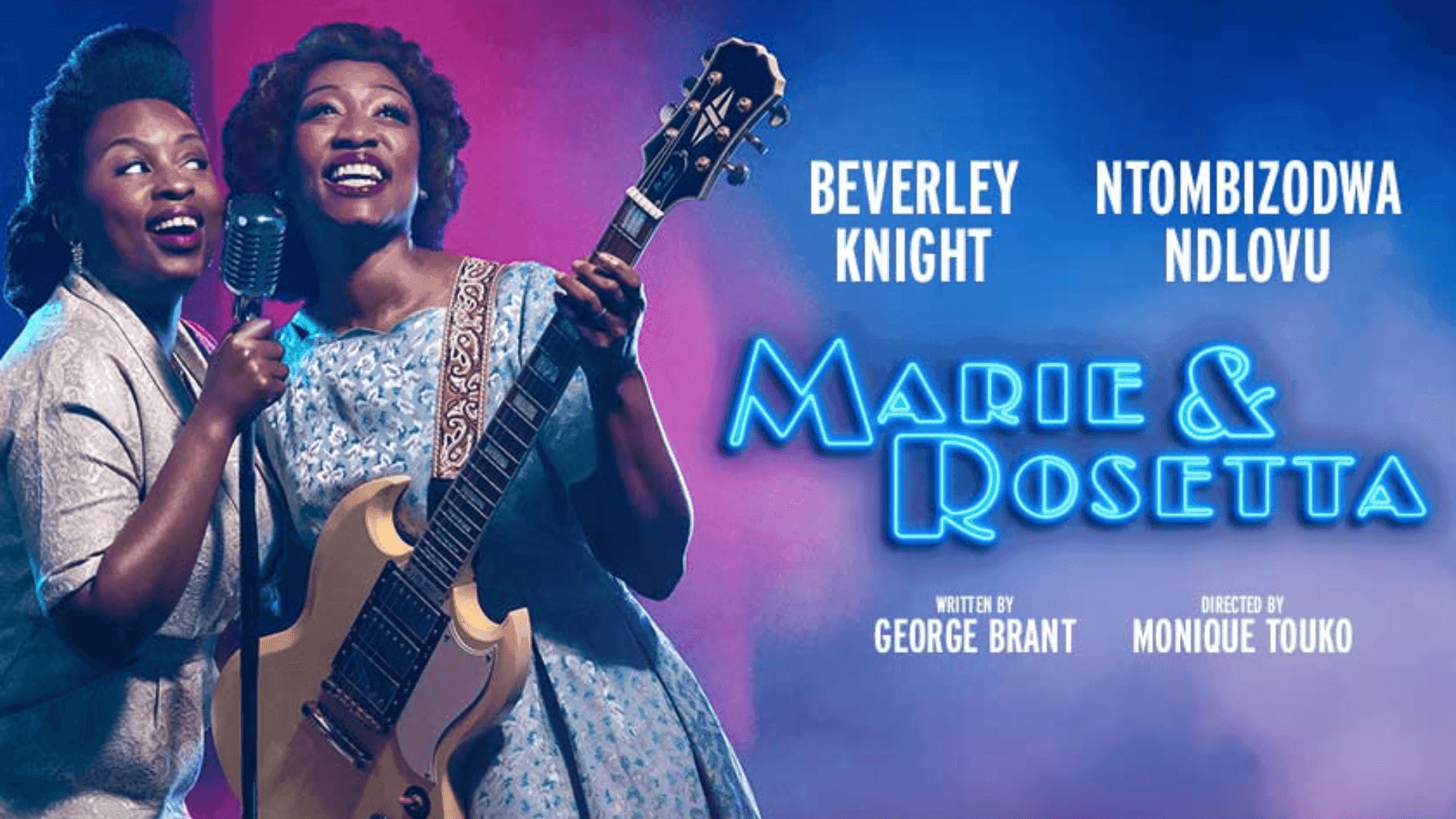
Book tickets for Marie & Rosetta @sohoplace starring Beverley KNight and Ntombizodwa Ndlovu

Marie & Rosetta Seating Guide: Best Seats for a Soulful Experience in London

by Carole Marks

December 1, 2025

Share

Book tickets for Marie & Rosetta @sohoplace starring Beverley KNight and Ntombizodwa Ndlovu

Marie & Rosetta Seating Guide: Best Seats for a Soulful Experience in London

by Carole Marks

December 1, 2025

Share

Book tickets for Marie & Rosetta @sohoplace starring Beverley KNight and Ntombizodwa Ndlovu

Marie & Rosetta Seating Guide: Best Seats for a Soulful Experience in London

by Carole Marks

December 1, 2025

Share

Book tickets for Marie & Rosetta @sohoplace starring Beverley KNight and Ntombizodwa Ndlovu

Staring at a West End seating plan and wondering if there's a way to guarantee every riff and harmony hits just right? You're not alone. For soul and gospel lovers, catching Marie & Rosetta live isn't just seeing another London theatre show: it's about feeling the electricity between Sister Rosetta Tharpe and Marie Knight as it reverberates up from the stage. The right seat is, honestly, half the magic. Most theatre seating guides gloss over venue specifics or brush off sound quality. Not this one. Let's break down the London venue, work through seating strategies and steal a few expert tips for booking cheap, brilliant seats for a night where every note matters.

What Makes the Perfect Seat for a Soul-Stirring Musical Experience?

The primary goal for Marie & Rosetta? You want intimacy, crystal-clear acoustics and the sense you're sharing space with musical legends. People think front row Stalls is automatically best, but in reality, sitting too close to the stage for a concert-style show can have you missing sound balance and the ensemble interplay. Meanwhile, if you're buried at the back of the Upper Circle, the sound can go flat and visuals become shapes, not faces.

Unlike mega-musicals that rely on spectacular staging, Marie & Rosetta is all about live music performance and vocal intensity. That means theatre acoustics and direct sightlines matter more than pyrotechnics or grand choreography. The Stalls (especially mid-to-rear sections) give you emotional impact while avoiding neck-craning and allowing the sound to blend naturally. Want a slightly raised perspective to catch every bluesy head-nod? Dress Circle Rows A-C usually offer unbeatable viewing for shows balancing dialogue and song. However, every theatre's unique characteristics change the game, and this venue has plenty of quirks.

If you're eyeing tickets, remember this insider tip: latecomers or day-seaters sometimes get lucky if unsold premium seats are released just before curtain up. But this show is a quietly buzzy hit, so don't bet your night on "upgrade luck."

For anyone hard of hearing or seeking more accessible seating options, check if the venue offers loop systems or step-free access. Sometimes the Stalls have limited accessible seats, while Circle sections require stairs. Always double-check with box office staff by phone if in doubt, as seat numbering and arrangements shift for certain productions.

And here's what other seating guides ignore: legroom can be surprisingly tight in London's historic theatres. If comfort is key, look for aisle seats or ask about booster cushions if attending with shorter family members.

Theatre Venue Breakdown: Understanding London's Premium Seating Sections

Variety is the spice of the West End, but it also means every theatre feels completely different. If Marie & Rosetta is at the Ambassadors Theatre (a common venue for this scale), here's how the seating layout works:

  • Stalls: Target rows D-J, centre sections. Here, you get full vocal power, warm sound quality, and precise facial expressions. You're close enough for genuine eye contact without the classic "staring up noses" angle of rows A-B. If you're on a budget, look further back or on the slight sides for decent price reductions.

  • Dress Circle: Rows A-B in the middle sections have beautiful sightlines for band-heavy shows like Marie & Rosetta. This section's elevated but not distant: perfect for catching the musical interplay between dialogue and live performance. Edge seats might have safety rails, so avoid far sides in Row A.

  • Upper Circle: A solid pick for bargain-hunters or those who want a panoramic theatre view. In a more intimate venue, you lose little atmosphere and save considerable money. But avoid top/back corners where the sound can blur and faces disappear.

The Ambassadors isn't sprawling, so you won't feel miles from the action even in Upper Circle's front row. Venue facilities include bars on every level, a compact lobby with minimal crowd traffic, and step-free access works best to Stalls if you need it. Toilets can be quite a trek from the very back sections, so factor this into your interval planning (especially for matinee performances with family members).

Don't dismiss sightline considerations either: support columns, overhangs, and latecomer policies can seriously impact your experience. Read venue notes carefully or ask for real-life photos and reviewer tips before picking those alluring but oddly discounted seats.

Comparing Value: Best Theatre Seats for Sound Quality, View and Price

Here's the truth most West End seating guides won't reveal: top price does not guarantee top experience. Shows like Marie & Rosetta prove this point perfectly. For a first-timer chasing memorable moments, Stalls mid-rear sections are the sweet spot if you've got £38+ to spend. You'll capture all the vocal energy, band interplay, and subtle acting flourishes without blowing your budget on "premium" front row luxury. Stretching your pounds? Upper Circles B-D, mid-venue, still pack an emotional punch. Keep one eye on the viewing angle (slightly off-centre works fine for this show due to relatively static staging).

Dress Circle seats represent theatre geek territory: slightly more expensive than Upper sections, but worth the investment for the perfect mix of clarity and panoramic perspective. It's a careful budget-balancing act: pay an extra £10-15 for razor-sharp view and sound quality, or save money for the authentic sense of "being there" even if you're positioned a bit further away.

What about group bookings? For families or friends, booking laterally across a row in Dress or Upper Circle means no unwanted separation, but inform the box office so they don't accidentally split your reservation (this happens more than you'd expect). For those needing extra space or accessibility options, request aisle seats early since these go fastest.

Kids coming along? Matilda the Musical is another excellent example of why Dress Circle rows A-D shine: perfect for little ones (ages 6+ recommended) who want to see everything but not be overwhelmed by sound levels or grand scale. Always ask about booster seats and check age suitability recommendations before booking.

Visiting during tourist peaks (April-August and Christmas season)? Book at least 6 weeks out for best seat choice and price range. Wait for rush tickets during off-peak times or midweek performances, but secure seats early on weekends or holidays when availability disappears fast.

How Other Musically-Charged Shows Influence Smart Seating Choices

If you're a fan of shows where live music takes centre stage, The Choir of Man is another must-see production. Nine talented performers belt ballads, pub anthems and classic pop hits in a lively, immersive show. For this experience, Stalls or any seat close to the action puts you right inside the authentic pub set. For groups, the rear Stalls or Dress Circle keeps you together and delivers solid sound without overwhelming volume levels.

Hadestown West End elevates the song-centric approach to new heights. At the Lyric Theatre, Dress Circle front and centre positions harness the richness of the live band and complex layered vocals. Hadestown's orchestration is beautifully subtle, so avoid extreme side seats that can mute important sound details. Both productions highlight the crucial difference between a seat's price tag and its actual value for an engaging musical theatre experience.

If you want something suitable for the whole family or children, Matilda the Musical again rewards a raised, central viewing position. Mix up genres and test different seat types across various shows: sometimes the most memorable theatre seat isn't the most expensive one.

Expert Tips for Booking the Best West End Theatre Seats

  • Book midweek performances or during term-time for better selection and significantly cheaper rates. Weekend performances in London's West End cost more and get booked by tourists months in advance.

  • Look for last-minute seat upgrades. If you buy cheaper seats, politely ask the ushers pre-show if any unclaimed premium seats remain available. For less-hyped shows, you might score a complimentary upgrade for free or a small additional fee.

  • Download a detailed seating plan (not just the basic abstract version). Look specifically for support columns and overhangs affecting lower-price seats, especially in Dress and Upper Circle sections.

  • Arrive 25 minutes early for the best opportunity to secure booster seats or sort out group seating issues with helpful staff.

  • Check comprehensive accessibility options. Ask directly about step-free routes, hearing loop systems, and proximity to accessible toilet facilities (Upper Circle access can be challenging in historic theatres).

  • Wear whatever makes you comfortable. There's no strict dress code pressure even at prestigious West End venues, but layers help since air conditioning varies dramatically.

  • Eat before you arrive at the theatre. Most West End theatres have bars, but food choices are limited and expensive. Leicester Square and Covent Garden offer plenty of quick, quality pre-show dining options within a 10-minute walk.

  • Target aisle seats specifically for taller guests or anyone who prefers quick interval access. Legroom in London's historic theatres is notoriously tight.

Final Thoughts: Making Every Musical Note Count

The most unforgettable theatre nights in London's West End don't just happen by chance: they're booked strategically and enjoyed from the perfect seat. For Marie & Rosetta, prioritize mid-rear Stalls or Dress Circle A-C sections for optimal sound balance and intimate dramatic connection. Always weigh comfort, viewing angle and ticket price together, and don't forget to verify accessibility features if needed. Try these proven seating strategies, chase genuine value over trendy choices, and you'll not only hear but truly feel every soulful note. Ready to book that perfect seat? Wherever you ultimately choose, you'll carry the transformative power of this music with you long after the final curtain falls. The magic of Sister Rosetta Tharpe and Marie Knight's story deserves nothing less than the ideal vantage point to experience their legendary musical partnership in all its glory.

Staring at a West End seating plan and wondering if there's a way to guarantee every riff and harmony hits just right? You're not alone. For soul and gospel lovers, catching Marie & Rosetta live isn't just seeing another London theatre show: it's about feeling the electricity between Sister Rosetta Tharpe and Marie Knight as it reverberates up from the stage. The right seat is, honestly, half the magic. Most theatre seating guides gloss over venue specifics or brush off sound quality. Not this one. Let's break down the London venue, work through seating strategies and steal a few expert tips for booking cheap, brilliant seats for a night where every note matters.

What Makes the Perfect Seat for a Soul-Stirring Musical Experience?

The primary goal for Marie & Rosetta? You want intimacy, crystal-clear acoustics and the sense you're sharing space with musical legends. People think front row Stalls is automatically best, but in reality, sitting too close to the stage for a concert-style show can have you missing sound balance and the ensemble interplay. Meanwhile, if you're buried at the back of the Upper Circle, the sound can go flat and visuals become shapes, not faces.

Unlike mega-musicals that rely on spectacular staging, Marie & Rosetta is all about live music performance and vocal intensity. That means theatre acoustics and direct sightlines matter more than pyrotechnics or grand choreography. The Stalls (especially mid-to-rear sections) give you emotional impact while avoiding neck-craning and allowing the sound to blend naturally. Want a slightly raised perspective to catch every bluesy head-nod? Dress Circle Rows A-C usually offer unbeatable viewing for shows balancing dialogue and song. However, every theatre's unique characteristics change the game, and this venue has plenty of quirks.

If you're eyeing tickets, remember this insider tip: latecomers or day-seaters sometimes get lucky if unsold premium seats are released just before curtain up. But this show is a quietly buzzy hit, so don't bet your night on "upgrade luck."

For anyone hard of hearing or seeking more accessible seating options, check if the venue offers loop systems or step-free access. Sometimes the Stalls have limited accessible seats, while Circle sections require stairs. Always double-check with box office staff by phone if in doubt, as seat numbering and arrangements shift for certain productions.

And here's what other seating guides ignore: legroom can be surprisingly tight in London's historic theatres. If comfort is key, look for aisle seats or ask about booster cushions if attending with shorter family members.

Theatre Venue Breakdown: Understanding London's Premium Seating Sections

Variety is the spice of the West End, but it also means every theatre feels completely different. If Marie & Rosetta is at the Ambassadors Theatre (a common venue for this scale), here's how the seating layout works:

  • Stalls: Target rows D-J, centre sections. Here, you get full vocal power, warm sound quality, and precise facial expressions. You're close enough for genuine eye contact without the classic "staring up noses" angle of rows A-B. If you're on a budget, look further back or on the slight sides for decent price reductions.

  • Dress Circle: Rows A-B in the middle sections have beautiful sightlines for band-heavy shows like Marie & Rosetta. This section's elevated but not distant: perfect for catching the musical interplay between dialogue and live performance. Edge seats might have safety rails, so avoid far sides in Row A.

  • Upper Circle: A solid pick for bargain-hunters or those who want a panoramic theatre view. In a more intimate venue, you lose little atmosphere and save considerable money. But avoid top/back corners where the sound can blur and faces disappear.

The Ambassadors isn't sprawling, so you won't feel miles from the action even in Upper Circle's front row. Venue facilities include bars on every level, a compact lobby with minimal crowd traffic, and step-free access works best to Stalls if you need it. Toilets can be quite a trek from the very back sections, so factor this into your interval planning (especially for matinee performances with family members).

Don't dismiss sightline considerations either: support columns, overhangs, and latecomer policies can seriously impact your experience. Read venue notes carefully or ask for real-life photos and reviewer tips before picking those alluring but oddly discounted seats.

Comparing Value: Best Theatre Seats for Sound Quality, View and Price

Here's the truth most West End seating guides won't reveal: top price does not guarantee top experience. Shows like Marie & Rosetta prove this point perfectly. For a first-timer chasing memorable moments, Stalls mid-rear sections are the sweet spot if you've got £38+ to spend. You'll capture all the vocal energy, band interplay, and subtle acting flourishes without blowing your budget on "premium" front row luxury. Stretching your pounds? Upper Circles B-D, mid-venue, still pack an emotional punch. Keep one eye on the viewing angle (slightly off-centre works fine for this show due to relatively static staging).

Dress Circle seats represent theatre geek territory: slightly more expensive than Upper sections, but worth the investment for the perfect mix of clarity and panoramic perspective. It's a careful budget-balancing act: pay an extra £10-15 for razor-sharp view and sound quality, or save money for the authentic sense of "being there" even if you're positioned a bit further away.

What about group bookings? For families or friends, booking laterally across a row in Dress or Upper Circle means no unwanted separation, but inform the box office so they don't accidentally split your reservation (this happens more than you'd expect). For those needing extra space or accessibility options, request aisle seats early since these go fastest.

Kids coming along? Matilda the Musical is another excellent example of why Dress Circle rows A-D shine: perfect for little ones (ages 6+ recommended) who want to see everything but not be overwhelmed by sound levels or grand scale. Always ask about booster seats and check age suitability recommendations before booking.

Visiting during tourist peaks (April-August and Christmas season)? Book at least 6 weeks out for best seat choice and price range. Wait for rush tickets during off-peak times or midweek performances, but secure seats early on weekends or holidays when availability disappears fast.

How Other Musically-Charged Shows Influence Smart Seating Choices

If you're a fan of shows where live music takes centre stage, The Choir of Man is another must-see production. Nine talented performers belt ballads, pub anthems and classic pop hits in a lively, immersive show. For this experience, Stalls or any seat close to the action puts you right inside the authentic pub set. For groups, the rear Stalls or Dress Circle keeps you together and delivers solid sound without overwhelming volume levels.

Hadestown West End elevates the song-centric approach to new heights. At the Lyric Theatre, Dress Circle front and centre positions harness the richness of the live band and complex layered vocals. Hadestown's orchestration is beautifully subtle, so avoid extreme side seats that can mute important sound details. Both productions highlight the crucial difference between a seat's price tag and its actual value for an engaging musical theatre experience.

If you want something suitable for the whole family or children, Matilda the Musical again rewards a raised, central viewing position. Mix up genres and test different seat types across various shows: sometimes the most memorable theatre seat isn't the most expensive one.

Expert Tips for Booking the Best West End Theatre Seats

  • Book midweek performances or during term-time for better selection and significantly cheaper rates. Weekend performances in London's West End cost more and get booked by tourists months in advance.

  • Look for last-minute seat upgrades. If you buy cheaper seats, politely ask the ushers pre-show if any unclaimed premium seats remain available. For less-hyped shows, you might score a complimentary upgrade for free or a small additional fee.

  • Download a detailed seating plan (not just the basic abstract version). Look specifically for support columns and overhangs affecting lower-price seats, especially in Dress and Upper Circle sections.

  • Arrive 25 minutes early for the best opportunity to secure booster seats or sort out group seating issues with helpful staff.

  • Check comprehensive accessibility options. Ask directly about step-free routes, hearing loop systems, and proximity to accessible toilet facilities (Upper Circle access can be challenging in historic theatres).

  • Wear whatever makes you comfortable. There's no strict dress code pressure even at prestigious West End venues, but layers help since air conditioning varies dramatically.

  • Eat before you arrive at the theatre. Most West End theatres have bars, but food choices are limited and expensive. Leicester Square and Covent Garden offer plenty of quick, quality pre-show dining options within a 10-minute walk.

  • Target aisle seats specifically for taller guests or anyone who prefers quick interval access. Legroom in London's historic theatres is notoriously tight.

Final Thoughts: Making Every Musical Note Count

The most unforgettable theatre nights in London's West End don't just happen by chance: they're booked strategically and enjoyed from the perfect seat. For Marie & Rosetta, prioritize mid-rear Stalls or Dress Circle A-C sections for optimal sound balance and intimate dramatic connection. Always weigh comfort, viewing angle and ticket price together, and don't forget to verify accessibility features if needed. Try these proven seating strategies, chase genuine value over trendy choices, and you'll not only hear but truly feel every soulful note. Ready to book that perfect seat? Wherever you ultimately choose, you'll carry the transformative power of this music with you long after the final curtain falls. The magic of Sister Rosetta Tharpe and Marie Knight's story deserves nothing less than the ideal vantage point to experience their legendary musical partnership in all its glory.

Staring at a West End seating plan and wondering if there's a way to guarantee every riff and harmony hits just right? You're not alone. For soul and gospel lovers, catching Marie & Rosetta live isn't just seeing another London theatre show: it's about feeling the electricity between Sister Rosetta Tharpe and Marie Knight as it reverberates up from the stage. The right seat is, honestly, half the magic. Most theatre seating guides gloss over venue specifics or brush off sound quality. Not this one. Let's break down the London venue, work through seating strategies and steal a few expert tips for booking cheap, brilliant seats for a night where every note matters.

What Makes the Perfect Seat for a Soul-Stirring Musical Experience?

The primary goal for Marie & Rosetta? You want intimacy, crystal-clear acoustics and the sense you're sharing space with musical legends. People think front row Stalls is automatically best, but in reality, sitting too close to the stage for a concert-style show can have you missing sound balance and the ensemble interplay. Meanwhile, if you're buried at the back of the Upper Circle, the sound can go flat and visuals become shapes, not faces.

Unlike mega-musicals that rely on spectacular staging, Marie & Rosetta is all about live music performance and vocal intensity. That means theatre acoustics and direct sightlines matter more than pyrotechnics or grand choreography. The Stalls (especially mid-to-rear sections) give you emotional impact while avoiding neck-craning and allowing the sound to blend naturally. Want a slightly raised perspective to catch every bluesy head-nod? Dress Circle Rows A-C usually offer unbeatable viewing for shows balancing dialogue and song. However, every theatre's unique characteristics change the game, and this venue has plenty of quirks.

If you're eyeing tickets, remember this insider tip: latecomers or day-seaters sometimes get lucky if unsold premium seats are released just before curtain up. But this show is a quietly buzzy hit, so don't bet your night on "upgrade luck."

For anyone hard of hearing or seeking more accessible seating options, check if the venue offers loop systems or step-free access. Sometimes the Stalls have limited accessible seats, while Circle sections require stairs. Always double-check with box office staff by phone if in doubt, as seat numbering and arrangements shift for certain productions.

And here's what other seating guides ignore: legroom can be surprisingly tight in London's historic theatres. If comfort is key, look for aisle seats or ask about booster cushions if attending with shorter family members.

Theatre Venue Breakdown: Understanding London's Premium Seating Sections

Variety is the spice of the West End, but it also means every theatre feels completely different. If Marie & Rosetta is at the Ambassadors Theatre (a common venue for this scale), here's how the seating layout works:

  • Stalls: Target rows D-J, centre sections. Here, you get full vocal power, warm sound quality, and precise facial expressions. You're close enough for genuine eye contact without the classic "staring up noses" angle of rows A-B. If you're on a budget, look further back or on the slight sides for decent price reductions.

  • Dress Circle: Rows A-B in the middle sections have beautiful sightlines for band-heavy shows like Marie & Rosetta. This section's elevated but not distant: perfect for catching the musical interplay between dialogue and live performance. Edge seats might have safety rails, so avoid far sides in Row A.

  • Upper Circle: A solid pick for bargain-hunters or those who want a panoramic theatre view. In a more intimate venue, you lose little atmosphere and save considerable money. But avoid top/back corners where the sound can blur and faces disappear.

The Ambassadors isn't sprawling, so you won't feel miles from the action even in Upper Circle's front row. Venue facilities include bars on every level, a compact lobby with minimal crowd traffic, and step-free access works best to Stalls if you need it. Toilets can be quite a trek from the very back sections, so factor this into your interval planning (especially for matinee performances with family members).

Don't dismiss sightline considerations either: support columns, overhangs, and latecomer policies can seriously impact your experience. Read venue notes carefully or ask for real-life photos and reviewer tips before picking those alluring but oddly discounted seats.

Comparing Value: Best Theatre Seats for Sound Quality, View and Price

Here's the truth most West End seating guides won't reveal: top price does not guarantee top experience. Shows like Marie & Rosetta prove this point perfectly. For a first-timer chasing memorable moments, Stalls mid-rear sections are the sweet spot if you've got £38+ to spend. You'll capture all the vocal energy, band interplay, and subtle acting flourishes without blowing your budget on "premium" front row luxury. Stretching your pounds? Upper Circles B-D, mid-venue, still pack an emotional punch. Keep one eye on the viewing angle (slightly off-centre works fine for this show due to relatively static staging).

Dress Circle seats represent theatre geek territory: slightly more expensive than Upper sections, but worth the investment for the perfect mix of clarity and panoramic perspective. It's a careful budget-balancing act: pay an extra £10-15 for razor-sharp view and sound quality, or save money for the authentic sense of "being there" even if you're positioned a bit further away.

What about group bookings? For families or friends, booking laterally across a row in Dress or Upper Circle means no unwanted separation, but inform the box office so they don't accidentally split your reservation (this happens more than you'd expect). For those needing extra space or accessibility options, request aisle seats early since these go fastest.

Kids coming along? Matilda the Musical is another excellent example of why Dress Circle rows A-D shine: perfect for little ones (ages 6+ recommended) who want to see everything but not be overwhelmed by sound levels or grand scale. Always ask about booster seats and check age suitability recommendations before booking.

Visiting during tourist peaks (April-August and Christmas season)? Book at least 6 weeks out for best seat choice and price range. Wait for rush tickets during off-peak times or midweek performances, but secure seats early on weekends or holidays when availability disappears fast.

How Other Musically-Charged Shows Influence Smart Seating Choices

If you're a fan of shows where live music takes centre stage, The Choir of Man is another must-see production. Nine talented performers belt ballads, pub anthems and classic pop hits in a lively, immersive show. For this experience, Stalls or any seat close to the action puts you right inside the authentic pub set. For groups, the rear Stalls or Dress Circle keeps you together and delivers solid sound without overwhelming volume levels.

Hadestown West End elevates the song-centric approach to new heights. At the Lyric Theatre, Dress Circle front and centre positions harness the richness of the live band and complex layered vocals. Hadestown's orchestration is beautifully subtle, so avoid extreme side seats that can mute important sound details. Both productions highlight the crucial difference between a seat's price tag and its actual value for an engaging musical theatre experience.

If you want something suitable for the whole family or children, Matilda the Musical again rewards a raised, central viewing position. Mix up genres and test different seat types across various shows: sometimes the most memorable theatre seat isn't the most expensive one.

Expert Tips for Booking the Best West End Theatre Seats

  • Book midweek performances or during term-time for better selection and significantly cheaper rates. Weekend performances in London's West End cost more and get booked by tourists months in advance.

  • Look for last-minute seat upgrades. If you buy cheaper seats, politely ask the ushers pre-show if any unclaimed premium seats remain available. For less-hyped shows, you might score a complimentary upgrade for free or a small additional fee.

  • Download a detailed seating plan (not just the basic abstract version). Look specifically for support columns and overhangs affecting lower-price seats, especially in Dress and Upper Circle sections.

  • Arrive 25 minutes early for the best opportunity to secure booster seats or sort out group seating issues with helpful staff.

  • Check comprehensive accessibility options. Ask directly about step-free routes, hearing loop systems, and proximity to accessible toilet facilities (Upper Circle access can be challenging in historic theatres).

  • Wear whatever makes you comfortable. There's no strict dress code pressure even at prestigious West End venues, but layers help since air conditioning varies dramatically.

  • Eat before you arrive at the theatre. Most West End theatres have bars, but food choices are limited and expensive. Leicester Square and Covent Garden offer plenty of quick, quality pre-show dining options within a 10-minute walk.

  • Target aisle seats specifically for taller guests or anyone who prefers quick interval access. Legroom in London's historic theatres is notoriously tight.

Final Thoughts: Making Every Musical Note Count

The most unforgettable theatre nights in London's West End don't just happen by chance: they're booked strategically and enjoyed from the perfect seat. For Marie & Rosetta, prioritize mid-rear Stalls or Dress Circle A-C sections for optimal sound balance and intimate dramatic connection. Always weigh comfort, viewing angle and ticket price together, and don't forget to verify accessibility features if needed. Try these proven seating strategies, chase genuine value over trendy choices, and you'll not only hear but truly feel every soulful note. Ready to book that perfect seat? Wherever you ultimately choose, you'll carry the transformative power of this music with you long after the final curtain falls. The magic of Sister Rosetta Tharpe and Marie Knight's story deserves nothing less than the ideal vantage point to experience their legendary musical partnership in all its glory.

Share this post:

Share this post: