Behind the Scenes of High Noon: Stagecraft That Brings the Classic Western to Life

દ્વારા Carole Marks

2 ડિસેમ્બર, 2025

શેર

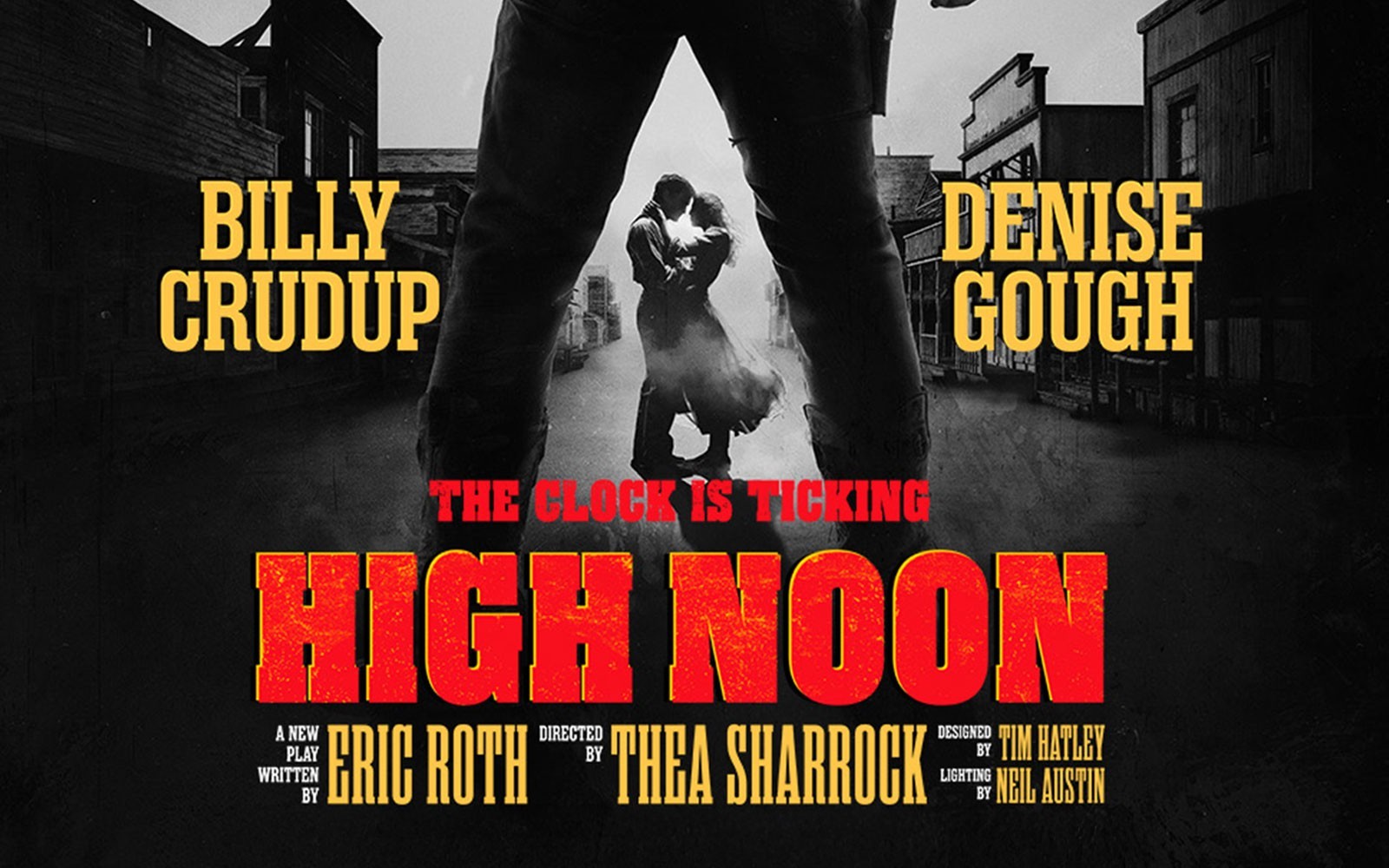
Book tickets for High Noon starring Billy Crudup and Denise Gough

Behind the Scenes of High Noon: Stagecraft That Brings the Classic Western to Life

દ્વારા Carole Marks

2 ડિસેમ્બર, 2025

શેર

Book tickets for High Noon starring Billy Crudup and Denise Gough

Behind the Scenes of High Noon: Stagecraft That Brings the Classic Western to Life

દ્વારા Carole Marks

2 ડિસેમ્બર, 2025

શેર

Book tickets for High Noon starring Billy Crudup and Denise Gough

Behind the Scenes of High Noon: Stagecraft That Brings the Classic Western to Life

દ્વારા Carole Marks

2 ડિસેમ્બર, 2025

શેર

Book tickets for High Noon starring Billy Crudup and Denise Gough

How Stagecraft Transforms High Noon Into West End Magic

Let's be honest: when most people buy their West End show tickets, they're thinking of glitzy musicals or classic London comedies, not a tense, dust-bitten Western. But High Noon blasting its way onto the Harold Pinter Theatre stage is a bit of a wild card for London theatre. If you're curious how a story packed with sunstroke, suspense, and standoffs translates to a plush West End house, you've landed on the right guide. We're going deep behind the scenes: why the creative choices matter, how tech transforms genre on stage, plus some actionable seat-selection tips for this particular London venue. Everything here is about revealing the tricks, tools and talent that make a Hollywood Western pop inside a historic theatre.

What Stagecraft Really Means for a Live Western Production in London

On film, Westerns are all wide open skies, slow-burning silences and sudden flashes of violence. In the Harold Pinter Theatre, you've got to squeeze all that tension into an intimate auditorium with crisp sightlines and acoustics. That means the production team for High Noon isn't just building a saloon set. They're working overtime on clever lighting design, thrust staging, and atmospheric sound to suggest a whole dusty frontier town. Here's the bit most guides never mention: the limitations of the Harold Pinter (a Grade II listed building) actually spark beautiful creativity. No room for blockbuster projections or gigantic set pieces here. Instead, it's all about how a simple shaft of light or a rolling tumbleweed of sound can make you feel as tense as Gary Cooper's sheriff.

West End stagecraft has a different flavor than in Broadway barns or high-tech regional houses. Here, you get inventive set changes made in plain sight, minimal yet evocative props, and a lighting design that does heavy lifting. In fact, large parts of High Noon are carried by shadow, silhouette, and truly gutsy use of off-stage space. Sound is sculpted: gunshots, whistles, or galloping hooves might come from behind, above or even under your seat, depending where you're sat. The best part? This less-is-more approach makes the suspense immediate and personal for every audience member, no matter if you're front row or perched up in the circle.

If you're the sort who loves to spot the "how do they do that?" tricks, look out for atmospheric shifts cued by lighting. The flicker of noon sunlight, the looming storm of the big showdown, or shadows stretched across the railway. This isn't accidental. It's a deliberate genre translation, transforming cinematic tropes into live tension, using every inch (and limitation) of the London stage. That's real West End stagecraft.

Planning your visit for maximum immersion? In Harold Pinter Theatre, Stalls A-F deliver the most direct blast of those lighting tricks, while Dress Circle (Rows A-C) lifts you into a bird's eye slot for tracking those prowling shadows. Avoid far side seats in either section; you risk missing the best of those sequencing effects. Best kept secret: This venue's intimate design means even the cheaper Upper Circle (front rows) doesn't leave you out in the creative cold.

My advice: Glance at the production credits before booking. When it's designers with National Theatre, Donmar Warehouse or immersive experience credits, expect magic in minimalism. With High Noon, that absolutely checks out.

The Harold Pinter Theatre: Venue Layout, Premium Views, and Accessibility

The Harold Pinter Theatre is not your average London playhouse, and High Noon takes full advantage of its layout. This historic venue (built in 1881, just a quick walk from Piccadilly Circus tube) was designed for unamplified drama, not blockbuster spectacle. Translation: The smallest details count. You'll appreciate every creak of a floorboard or not-so-hidden prop change in this space if, and it's a big if, you pick your seats right.

Let's break down the seating options. Stalls are closest to the action, and in this show's case, you get that combustible intimacy: actors' eyes, gun holsters, every bead of sweat. Sounds dramatic, because it is. The Dress Circle, slightly elevated, is the venue's goldilocks section for panoramic views and balanced acoustics, especially Rows A-C. Grand Circle puts you further up; budget-friendly, but you might lose the emotional punch in quieter scenes. Avoid far sides in any level if you want full visuals. The Harold Pinter is notorious for partial sightline gripes (blame its quirky angle and historic pillars).

Accessibility is generally solid for a West End house of this age. There's step-free access via Rupert Street to the Stalls and an accessible toilet on the main level. Wheelchair spaces are limited but do exist (book early: this show is drawing crowds). If you need hearing support, the theatre offers Sennheiser infra-red system headsets upon request. Quick tip: Staff here are genuinely knowledgeable and helpful, so flag any access requirements as soon as you arrive. Don't get caught out by the tight upstairs staircases if mobility is a concern. Stalls are your best friend.

The Dress Circle bar has a reputation for decent interval speed (unusual for the West End), which is handy if you're trying not to miss the second act's crackling tension. There's cloakroom space but get there at least 20-25 minutes early if you don't want to queue out the door. Food-wise, the area between Piccadilly Circus and Leicester Square is packed with pre-show eats, including low-key gems like ramen joints and casual Italian. Don't splash out on the theatre snacks: nearby Chinatown or Soho offers better value and speed.

Budget-wise, the Stalls and front Dress Circle tend to run £55-85 standard for this run, while Upper Circle front is often £25-40 on weekday matinees. If you're flexible, Tuesdays and Wednesdays offer the biggest bargains (plus fewer big London tour groups). Premium views don't have to break the bank if you go off-peak, and with a show driven by subtle performances and atmosphere like this, sightlines trump luxury every time.

How High Noon Compares to Other West End Narrative Dramas

You might be thinking, "A tense, moody Western? In a lineup with all-singing, all-dancing musicals?" Absolutely. High Noon is part of a West End niche that spotlights serious, suspense-driven narratives: a refreshing alternative to jukebox musicals and splashy spectacles. If you appreciate plays that go for emotional punch, where performance and mood are front and center, this is absolutely for you.

Compare this to something like Shadowlands at Aldwych Theatre. Both shows centre on crisis, character and moral stakes more than special effects. For those who love serious London theatre but tire of endless "blockbuster" formats, rotating between these narrative-heavy plays provides a more satisfying roster. A world away from, say, the relentless bombast of The Lion King or Mamma Mia!. And you know what? The word-of-mouth on scripts like Stranger Things: The First Shadow is proof plenty of adults crave grown-up tension in a West End night out.

This show is perfect for: die-hard film fans curious about stage adaptation, couples and groups looking for something more out-there than standard musical fare, plus anyone who prefers sharp dialogue to jazz hands. It's not ideal for restless younger kids (double down on Matilda the Musical instead), but teens hooked on big story and filmic thrills will get it. Buying tickets as a gift? Know your audience: this play is best if you're up for post-show debates, not background distraction.

When it comes to booking, the key is flexibility and vigilance. This run has seen spikes in demand for Friday and Saturday peak times, so go for midweek or matinee if you can. Occasionally, last-minute returns (especially Dress Circle sides) pop up for £15-20 less than face. Refresh your browser and don't be afraid to queue in person at the Harold Pinter's box office. Old-school sometimes wins out.

Insider Tips For Experiencing High Noon In The West End

  • Book Tuesday or Wednesday matinees for the quietest houses and cheaper tickets. The tension in High Noon feels more immediate in a focused, less chatty audience.

  • Aim for Stalls Row E or Dress Circle Row B. You want to see eye contact and have the depth for full stage-picture, especially during quick set shifts and moments in shadow.

  • Arrive at least 25 minutes early to beat crowds for cloakroom and bar, especially if you need the accessible entrance.

  • If you crave immersive audio, bring wired headphones for the venue's Sennheiser infra-red assistance system. Pick up a set at the front desk (free, deposit required).

  • Save on snacks and drinks. Step out to nearby Soho for quick bites before the show, then return in time for curtain up.

  • Download the e-ticket to your phone in advance. The Harold Pinter's Wi-Fi can be patchy during busy periods, especially in the lobby.

  • If mobility is a concern, avoid the Upper Circle. The stairs are steep and there's no lift access; stick to Stalls with step-free route via Rupert Street.

  • Sign up for the theatre's day seat alerts. Occasionally, a handful of front row seats are released on the day of performance at a discount.

Why High Noon Represents the Best of Contemporary West End Theatre

Here's what matters: High Noon is a London theatre night that shows off what the West End can do with minimal sets and maximal tension. In an era of giant spectacles and endless sequels, it's the live stagecraft (light, shadow, suspense, and the intimacy of the Harold Pinter Theatre) that makes this play worth your ticket money. The production demonstrates how thoughtful theatrical adaptation can breathe new life into classic narratives, proving that compelling storytelling trumps big-budget effects every time.

For theatre lovers seeking substance over spectacle, this production offers everything that makes West End drama exceptional: intimate performances, innovative use of space, and the electric connection between actors and audience that only live theatre can provide. The show succeeds precisely because it embraces the constraints of its historic venue, turning limitations into creative opportunities.

Choose your seats wisely, book a midweek show, and soak up every moment. Ready to see how a classic Western gets reinvented for London? Grab those tickets, plot your Soho pre-show dinner, and experience the West End at its most inventive. This is theatre that respects both its source material and its audience, delivering an unforgettable night that will have you discussing the finer points of stagecraft long after the final curtain call.

How Stagecraft Transforms High Noon Into West End Magic

Let's be honest: when most people buy their West End show tickets, they're thinking of glitzy musicals or classic London comedies, not a tense, dust-bitten Western. But High Noon blasting its way onto the Harold Pinter Theatre stage is a bit of a wild card for London theatre. If you're curious how a story packed with sunstroke, suspense, and standoffs translates to a plush West End house, you've landed on the right guide. We're going deep behind the scenes: why the creative choices matter, how tech transforms genre on stage, plus some actionable seat-selection tips for this particular London venue. Everything here is about revealing the tricks, tools and talent that make a Hollywood Western pop inside a historic theatre.

What Stagecraft Really Means for a Live Western Production in London

On film, Westerns are all wide open skies, slow-burning silences and sudden flashes of violence. In the Harold Pinter Theatre, you've got to squeeze all that tension into an intimate auditorium with crisp sightlines and acoustics. That means the production team for High Noon isn't just building a saloon set. They're working overtime on clever lighting design, thrust staging, and atmospheric sound to suggest a whole dusty frontier town. Here's the bit most guides never mention: the limitations of the Harold Pinter (a Grade II listed building) actually spark beautiful creativity. No room for blockbuster projections or gigantic set pieces here. Instead, it's all about how a simple shaft of light or a rolling tumbleweed of sound can make you feel as tense as Gary Cooper's sheriff.

West End stagecraft has a different flavor than in Broadway barns or high-tech regional houses. Here, you get inventive set changes made in plain sight, minimal yet evocative props, and a lighting design that does heavy lifting. In fact, large parts of High Noon are carried by shadow, silhouette, and truly gutsy use of off-stage space. Sound is sculpted: gunshots, whistles, or galloping hooves might come from behind, above or even under your seat, depending where you're sat. The best part? This less-is-more approach makes the suspense immediate and personal for every audience member, no matter if you're front row or perched up in the circle.

If you're the sort who loves to spot the "how do they do that?" tricks, look out for atmospheric shifts cued by lighting. The flicker of noon sunlight, the looming storm of the big showdown, or shadows stretched across the railway. This isn't accidental. It's a deliberate genre translation, transforming cinematic tropes into live tension, using every inch (and limitation) of the London stage. That's real West End stagecraft.

Planning your visit for maximum immersion? In Harold Pinter Theatre, Stalls A-F deliver the most direct blast of those lighting tricks, while Dress Circle (Rows A-C) lifts you into a bird's eye slot for tracking those prowling shadows. Avoid far side seats in either section; you risk missing the best of those sequencing effects. Best kept secret: This venue's intimate design means even the cheaper Upper Circle (front rows) doesn't leave you out in the creative cold.

My advice: Glance at the production credits before booking. When it's designers with National Theatre, Donmar Warehouse or immersive experience credits, expect magic in minimalism. With High Noon, that absolutely checks out.

The Harold Pinter Theatre: Venue Layout, Premium Views, and Accessibility

The Harold Pinter Theatre is not your average London playhouse, and High Noon takes full advantage of its layout. This historic venue (built in 1881, just a quick walk from Piccadilly Circus tube) was designed for unamplified drama, not blockbuster spectacle. Translation: The smallest details count. You'll appreciate every creak of a floorboard or not-so-hidden prop change in this space if, and it's a big if, you pick your seats right.

Let's break down the seating options. Stalls are closest to the action, and in this show's case, you get that combustible intimacy: actors' eyes, gun holsters, every bead of sweat. Sounds dramatic, because it is. The Dress Circle, slightly elevated, is the venue's goldilocks section for panoramic views and balanced acoustics, especially Rows A-C. Grand Circle puts you further up; budget-friendly, but you might lose the emotional punch in quieter scenes. Avoid far sides in any level if you want full visuals. The Harold Pinter is notorious for partial sightline gripes (blame its quirky angle and historic pillars).

Accessibility is generally solid for a West End house of this age. There's step-free access via Rupert Street to the Stalls and an accessible toilet on the main level. Wheelchair spaces are limited but do exist (book early: this show is drawing crowds). If you need hearing support, the theatre offers Sennheiser infra-red system headsets upon request. Quick tip: Staff here are genuinely knowledgeable and helpful, so flag any access requirements as soon as you arrive. Don't get caught out by the tight upstairs staircases if mobility is a concern. Stalls are your best friend.

The Dress Circle bar has a reputation for decent interval speed (unusual for the West End), which is handy if you're trying not to miss the second act's crackling tension. There's cloakroom space but get there at least 20-25 minutes early if you don't want to queue out the door. Food-wise, the area between Piccadilly Circus and Leicester Square is packed with pre-show eats, including low-key gems like ramen joints and casual Italian. Don't splash out on the theatre snacks: nearby Chinatown or Soho offers better value and speed.

Budget-wise, the Stalls and front Dress Circle tend to run £55-85 standard for this run, while Upper Circle front is often £25-40 on weekday matinees. If you're flexible, Tuesdays and Wednesdays offer the biggest bargains (plus fewer big London tour groups). Premium views don't have to break the bank if you go off-peak, and with a show driven by subtle performances and atmosphere like this, sightlines trump luxury every time.

How High Noon Compares to Other West End Narrative Dramas

You might be thinking, "A tense, moody Western? In a lineup with all-singing, all-dancing musicals?" Absolutely. High Noon is part of a West End niche that spotlights serious, suspense-driven narratives: a refreshing alternative to jukebox musicals and splashy spectacles. If you appreciate plays that go for emotional punch, where performance and mood are front and center, this is absolutely for you.

Compare this to something like Shadowlands at Aldwych Theatre. Both shows centre on crisis, character and moral stakes more than special effects. For those who love serious London theatre but tire of endless "blockbuster" formats, rotating between these narrative-heavy plays provides a more satisfying roster. A world away from, say, the relentless bombast of The Lion King or Mamma Mia!. And you know what? The word-of-mouth on scripts like Stranger Things: The First Shadow is proof plenty of adults crave grown-up tension in a West End night out.

This show is perfect for: die-hard film fans curious about stage adaptation, couples and groups looking for something more out-there than standard musical fare, plus anyone who prefers sharp dialogue to jazz hands. It's not ideal for restless younger kids (double down on Matilda the Musical instead), but teens hooked on big story and filmic thrills will get it. Buying tickets as a gift? Know your audience: this play is best if you're up for post-show debates, not background distraction.

When it comes to booking, the key is flexibility and vigilance. This run has seen spikes in demand for Friday and Saturday peak times, so go for midweek or matinee if you can. Occasionally, last-minute returns (especially Dress Circle sides) pop up for £15-20 less than face. Refresh your browser and don't be afraid to queue in person at the Harold Pinter's box office. Old-school sometimes wins out.

Insider Tips For Experiencing High Noon In The West End

  • Book Tuesday or Wednesday matinees for the quietest houses and cheaper tickets. The tension in High Noon feels more immediate in a focused, less chatty audience.

  • Aim for Stalls Row E or Dress Circle Row B. You want to see eye contact and have the depth for full stage-picture, especially during quick set shifts and moments in shadow.

  • Arrive at least 25 minutes early to beat crowds for cloakroom and bar, especially if you need the accessible entrance.

  • If you crave immersive audio, bring wired headphones for the venue's Sennheiser infra-red assistance system. Pick up a set at the front desk (free, deposit required).

  • Save on snacks and drinks. Step out to nearby Soho for quick bites before the show, then return in time for curtain up.

  • Download the e-ticket to your phone in advance. The Harold Pinter's Wi-Fi can be patchy during busy periods, especially in the lobby.

  • If mobility is a concern, avoid the Upper Circle. The stairs are steep and there's no lift access; stick to Stalls with step-free route via Rupert Street.

  • Sign up for the theatre's day seat alerts. Occasionally, a handful of front row seats are released on the day of performance at a discount.

Why High Noon Represents the Best of Contemporary West End Theatre

Here's what matters: High Noon is a London theatre night that shows off what the West End can do with minimal sets and maximal tension. In an era of giant spectacles and endless sequels, it's the live stagecraft (light, shadow, suspense, and the intimacy of the Harold Pinter Theatre) that makes this play worth your ticket money. The production demonstrates how thoughtful theatrical adaptation can breathe new life into classic narratives, proving that compelling storytelling trumps big-budget effects every time.

For theatre lovers seeking substance over spectacle, this production offers everything that makes West End drama exceptional: intimate performances, innovative use of space, and the electric connection between actors and audience that only live theatre can provide. The show succeeds precisely because it embraces the constraints of its historic venue, turning limitations into creative opportunities.

Choose your seats wisely, book a midweek show, and soak up every moment. Ready to see how a classic Western gets reinvented for London? Grab those tickets, plot your Soho pre-show dinner, and experience the West End at its most inventive. This is theatre that respects both its source material and its audience, delivering an unforgettable night that will have you discussing the finer points of stagecraft long after the final curtain call.

How Stagecraft Transforms High Noon Into West End Magic

Let's be honest: when most people buy their West End show tickets, they're thinking of glitzy musicals or classic London comedies, not a tense, dust-bitten Western. But High Noon blasting its way onto the Harold Pinter Theatre stage is a bit of a wild card for London theatre. If you're curious how a story packed with sunstroke, suspense, and standoffs translates to a plush West End house, you've landed on the right guide. We're going deep behind the scenes: why the creative choices matter, how tech transforms genre on stage, plus some actionable seat-selection tips for this particular London venue. Everything here is about revealing the tricks, tools and talent that make a Hollywood Western pop inside a historic theatre.

What Stagecraft Really Means for a Live Western Production in London

On film, Westerns are all wide open skies, slow-burning silences and sudden flashes of violence. In the Harold Pinter Theatre, you've got to squeeze all that tension into an intimate auditorium with crisp sightlines and acoustics. That means the production team for High Noon isn't just building a saloon set. They're working overtime on clever lighting design, thrust staging, and atmospheric sound to suggest a whole dusty frontier town. Here's the bit most guides never mention: the limitations of the Harold Pinter (a Grade II listed building) actually spark beautiful creativity. No room for blockbuster projections or gigantic set pieces here. Instead, it's all about how a simple shaft of light or a rolling tumbleweed of sound can make you feel as tense as Gary Cooper's sheriff.

West End stagecraft has a different flavor than in Broadway barns or high-tech regional houses. Here, you get inventive set changes made in plain sight, minimal yet evocative props, and a lighting design that does heavy lifting. In fact, large parts of High Noon are carried by shadow, silhouette, and truly gutsy use of off-stage space. Sound is sculpted: gunshots, whistles, or galloping hooves might come from behind, above or even under your seat, depending where you're sat. The best part? This less-is-more approach makes the suspense immediate and personal for every audience member, no matter if you're front row or perched up in the circle.

If you're the sort who loves to spot the "how do they do that?" tricks, look out for atmospheric shifts cued by lighting. The flicker of noon sunlight, the looming storm of the big showdown, or shadows stretched across the railway. This isn't accidental. It's a deliberate genre translation, transforming cinematic tropes into live tension, using every inch (and limitation) of the London stage. That's real West End stagecraft.

Planning your visit for maximum immersion? In Harold Pinter Theatre, Stalls A-F deliver the most direct blast of those lighting tricks, while Dress Circle (Rows A-C) lifts you into a bird's eye slot for tracking those prowling shadows. Avoid far side seats in either section; you risk missing the best of those sequencing effects. Best kept secret: This venue's intimate design means even the cheaper Upper Circle (front rows) doesn't leave you out in the creative cold.

My advice: Glance at the production credits before booking. When it's designers with National Theatre, Donmar Warehouse or immersive experience credits, expect magic in minimalism. With High Noon, that absolutely checks out.

The Harold Pinter Theatre: Venue Layout, Premium Views, and Accessibility

The Harold Pinter Theatre is not your average London playhouse, and High Noon takes full advantage of its layout. This historic venue (built in 1881, just a quick walk from Piccadilly Circus tube) was designed for unamplified drama, not blockbuster spectacle. Translation: The smallest details count. You'll appreciate every creak of a floorboard or not-so-hidden prop change in this space if, and it's a big if, you pick your seats right.

Let's break down the seating options. Stalls are closest to the action, and in this show's case, you get that combustible intimacy: actors' eyes, gun holsters, every bead of sweat. Sounds dramatic, because it is. The Dress Circle, slightly elevated, is the venue's goldilocks section for panoramic views and balanced acoustics, especially Rows A-C. Grand Circle puts you further up; budget-friendly, but you might lose the emotional punch in quieter scenes. Avoid far sides in any level if you want full visuals. The Harold Pinter is notorious for partial sightline gripes (blame its quirky angle and historic pillars).

Accessibility is generally solid for a West End house of this age. There's step-free access via Rupert Street to the Stalls and an accessible toilet on the main level. Wheelchair spaces are limited but do exist (book early: this show is drawing crowds). If you need hearing support, the theatre offers Sennheiser infra-red system headsets upon request. Quick tip: Staff here are genuinely knowledgeable and helpful, so flag any access requirements as soon as you arrive. Don't get caught out by the tight upstairs staircases if mobility is a concern. Stalls are your best friend.

The Dress Circle bar has a reputation for decent interval speed (unusual for the West End), which is handy if you're trying not to miss the second act's crackling tension. There's cloakroom space but get there at least 20-25 minutes early if you don't want to queue out the door. Food-wise, the area between Piccadilly Circus and Leicester Square is packed with pre-show eats, including low-key gems like ramen joints and casual Italian. Don't splash out on the theatre snacks: nearby Chinatown or Soho offers better value and speed.

Budget-wise, the Stalls and front Dress Circle tend to run £55-85 standard for this run, while Upper Circle front is often £25-40 on weekday matinees. If you're flexible, Tuesdays and Wednesdays offer the biggest bargains (plus fewer big London tour groups). Premium views don't have to break the bank if you go off-peak, and with a show driven by subtle performances and atmosphere like this, sightlines trump luxury every time.

How High Noon Compares to Other West End Narrative Dramas

You might be thinking, "A tense, moody Western? In a lineup with all-singing, all-dancing musicals?" Absolutely. High Noon is part of a West End niche that spotlights serious, suspense-driven narratives: a refreshing alternative to jukebox musicals and splashy spectacles. If you appreciate plays that go for emotional punch, where performance and mood are front and center, this is absolutely for you.

Compare this to something like Shadowlands at Aldwych Theatre. Both shows centre on crisis, character and moral stakes more than special effects. For those who love serious London theatre but tire of endless "blockbuster" formats, rotating between these narrative-heavy plays provides a more satisfying roster. A world away from, say, the relentless bombast of The Lion King or Mamma Mia!. And you know what? The word-of-mouth on scripts like Stranger Things: The First Shadow is proof plenty of adults crave grown-up tension in a West End night out.

This show is perfect for: die-hard film fans curious about stage adaptation, couples and groups looking for something more out-there than standard musical fare, plus anyone who prefers sharp dialogue to jazz hands. It's not ideal for restless younger kids (double down on Matilda the Musical instead), but teens hooked on big story and filmic thrills will get it. Buying tickets as a gift? Know your audience: this play is best if you're up for post-show debates, not background distraction.

When it comes to booking, the key is flexibility and vigilance. This run has seen spikes in demand for Friday and Saturday peak times, so go for midweek or matinee if you can. Occasionally, last-minute returns (especially Dress Circle sides) pop up for £15-20 less than face. Refresh your browser and don't be afraid to queue in person at the Harold Pinter's box office. Old-school sometimes wins out.

Insider Tips For Experiencing High Noon In The West End

  • Book Tuesday or Wednesday matinees for the quietest houses and cheaper tickets. The tension in High Noon feels more immediate in a focused, less chatty audience.

  • Aim for Stalls Row E or Dress Circle Row B. You want to see eye contact and have the depth for full stage-picture, especially during quick set shifts and moments in shadow.

  • Arrive at least 25 minutes early to beat crowds for cloakroom and bar, especially if you need the accessible entrance.

  • If you crave immersive audio, bring wired headphones for the venue's Sennheiser infra-red assistance system. Pick up a set at the front desk (free, deposit required).

  • Save on snacks and drinks. Step out to nearby Soho for quick bites before the show, then return in time for curtain up.

  • Download the e-ticket to your phone in advance. The Harold Pinter's Wi-Fi can be patchy during busy periods, especially in the lobby.

  • If mobility is a concern, avoid the Upper Circle. The stairs are steep and there's no lift access; stick to Stalls with step-free route via Rupert Street.

  • Sign up for the theatre's day seat alerts. Occasionally, a handful of front row seats are released on the day of performance at a discount.

Why High Noon Represents the Best of Contemporary West End Theatre

Here's what matters: High Noon is a London theatre night that shows off what the West End can do with minimal sets and maximal tension. In an era of giant spectacles and endless sequels, it's the live stagecraft (light, shadow, suspense, and the intimacy of the Harold Pinter Theatre) that makes this play worth your ticket money. The production demonstrates how thoughtful theatrical adaptation can breathe new life into classic narratives, proving that compelling storytelling trumps big-budget effects every time.

For theatre lovers seeking substance over spectacle, this production offers everything that makes West End drama exceptional: intimate performances, innovative use of space, and the electric connection between actors and audience that only live theatre can provide. The show succeeds precisely because it embraces the constraints of its historic venue, turning limitations into creative opportunities.

Choose your seats wisely, book a midweek show, and soak up every moment. Ready to see how a classic Western gets reinvented for London? Grab those tickets, plot your Soho pre-show dinner, and experience the West End at its most inventive. This is theatre that respects both its source material and its audience, delivering an unforgettable night that will have you discussing the finer points of stagecraft long after the final curtain call.

આ પોસ્ટ શેર કરો:

આ પોસ્ટ શેર કરો:

આ પોસ્ટ શેર કરો: