átoa: Entry Ticket
átoa
من¥2,600
2+ experiences in كوبي, official tickets and instant confirmation.
معالم أيقونية، متاحف ومعارض - احجز تذاكر الدخول مسبقًا لتجنب الانتظار حيثما كان ذلك ممكنًا.
The more you save, the smarter your picks. We line up West End shows, hidden gems and top-rated experiences from what you love, ready to book in one go.
تذاكر رسمية من مكان الحدث
مباشرة من مكان الحدث
دفع آمن
مدعوم بواسطة Stripe
ضمان استرداد المبلغ
في حال إلغاء فعاليتك
خصومات حصرية
مجانًا مع عضوية tickadoo+
دليلك إلى كوبي
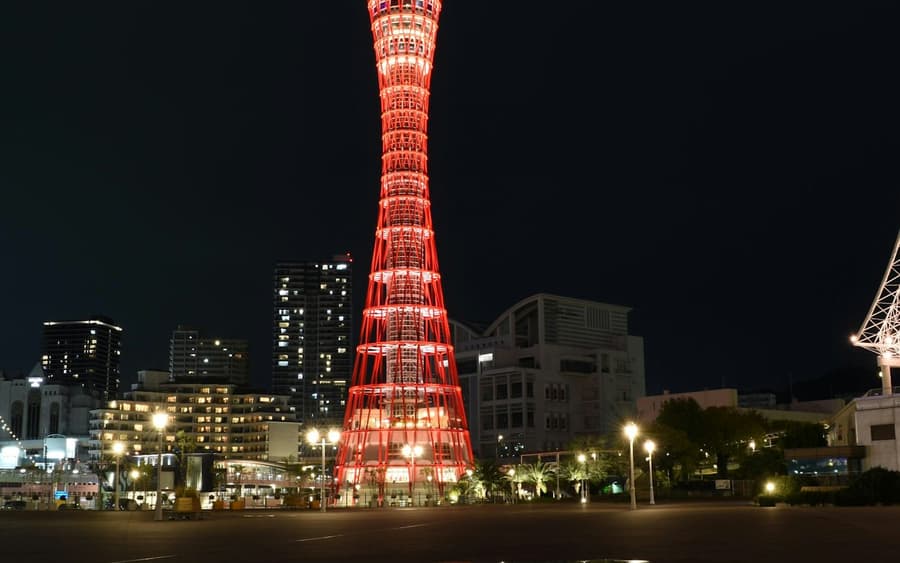
Few Japanese port cities carry quite the same layered identity as Kobe. Positioned along the narrow coastal strip between Osaka Bay and the Rokko mountain range in the Kansai region, the city has spent more than a century and a half absorbing outside influence, and the result is a place that feels distinctly its own. When Japan opened its ports to foreign trade in 1868, Kobe became one of the country's primary gateways, and the merchants, missionaries, and diplomats who settled here left behind a built environment unlike anywhere else in the country.
The most visible trace of that history sits in Kitano, the hillside neighbourhood where foreign residents once built their homes. The Western-style residences known as ijinkan still stand along its sloping lanes, a collection of preserved Victorian and Edwardian houses that now function as museums. Walking through Kitano on a clear morning, with the bay visible below and the mountains pressing close above, gives a sense of how deliberately the city was shaped by its position between two worlds. That geographical compression, sea on one side and steep forested hills on the other, is not incidental to Kobe's character; it is the reason the city developed the density and cosmopolitan texture it has today.
قبل الحجز
إجابات للأسئلة الأكثر شيوعًا حول حجز التجارب في كوبي.
من مدونة tickadoo
أدلة سفر منتقاة، ومراجعات عروض، وبرامج رحلات — كلها مجانية، مكتوبة من قبل فريقنا التحريري.